Rokeya Hossain
BangladeshAbout
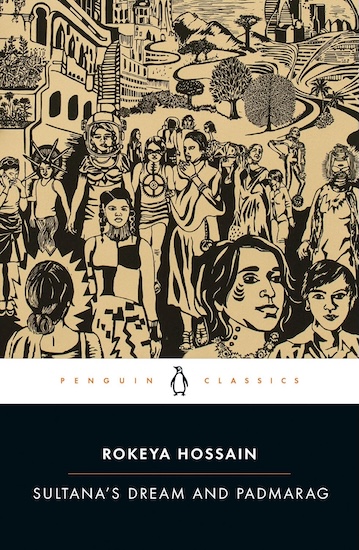
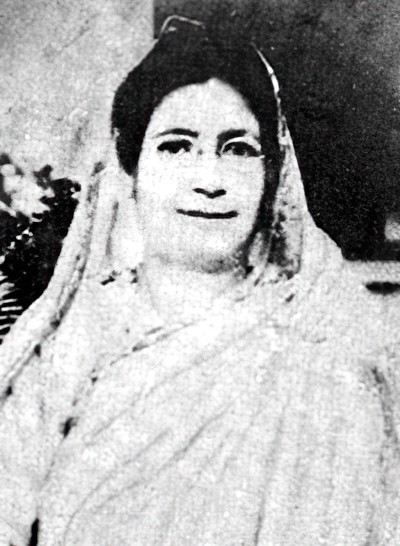
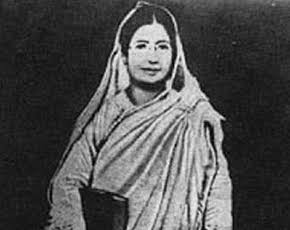
Rokeya Sakhawat Hossain (1880–1932), widely known as Begum Rokeya, was a pioneering Bengali writer, educator, and social reformer whose work helped shape the early feminist movement in South Asia. Born into a conservative Muslim family in what is now Bangladesh, she pursued education at a time when formal learning for girls was strongly restricted. With support from her brother and later her husband, she developed her literary voice in both Bengali and English, using satire, fiction, and essays to challenge gender inequality and advocate for women’s education. In 1916, she founded an organization dedicated to improving women’s lives, and in 1911 she established the Sakhawat Memorial Girls’ School in Kolkata, which continues to operate today. Her influential works, including Sultana’s Dream (1905), Padmarag (1924), and Abarodhbasini (1931), challenged patriarchal traditions while questioning colonial assumptions about South Asian women. Today, she is celebrated in Bangladesh and beyond as a foundational figure in feminist literature, remembered for imagining more equitable futures and turning those visions into practical social action.