Bangladesh
Asia
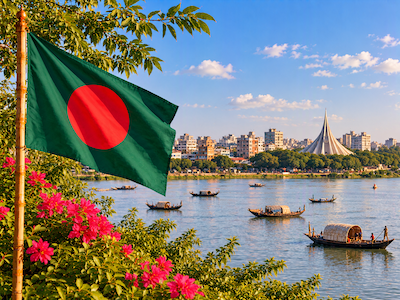
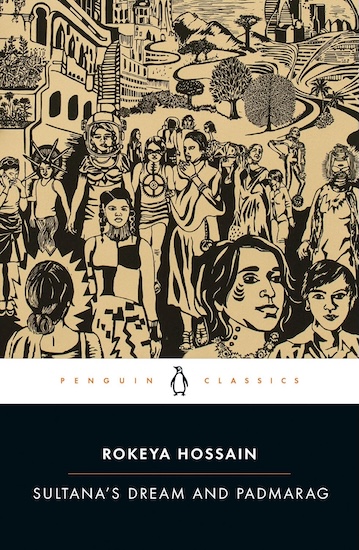
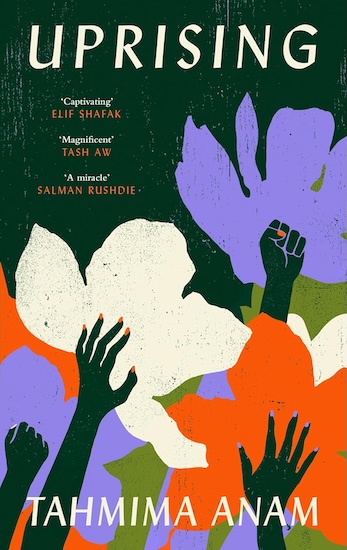
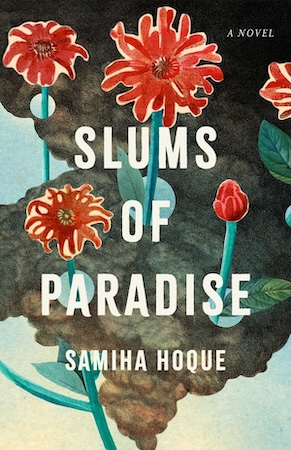
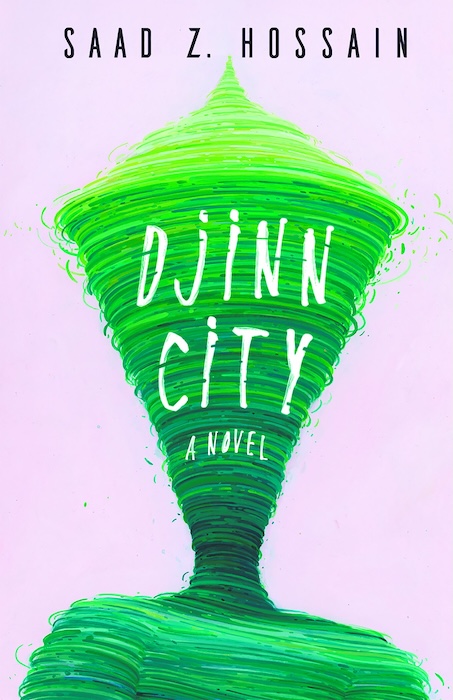
Bangladesh is a densely populated South Asian country shaped by the vast river systems of the Ganges, Brahmaputra, and Meghna. Its landscape includes fertile plains, wetlands, tea-growing hills, tropical forests, and the Sundarbans mangrove region. Bengali language and culture are central to national identity, with strong traditions of poetry, music, food, crafts, and religious diversity.
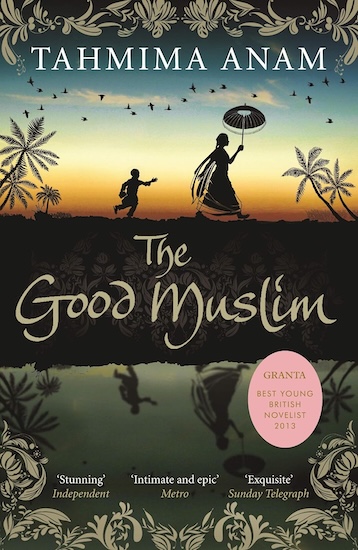
Bangladeshi literature is rooted in the rich Bengali literary tradition, shared historically with the wider Bengal region. Poetry has played a particularly important role, with Rabindranath Tagore and Kazi Nazrul Islam among the most influential figures. Modern Bangladeshi writing often explores language, independence, rural and urban life, poverty, gender, migration, and political change. The Bengali Language Movement of 1952 and the Liberation War of 1971 are especially important cultural reference points. Contemporary writers such as Tahmima Anam and Monica Ali have brought Bangladeshi history, family, migration, and diaspora experiences to international readers.