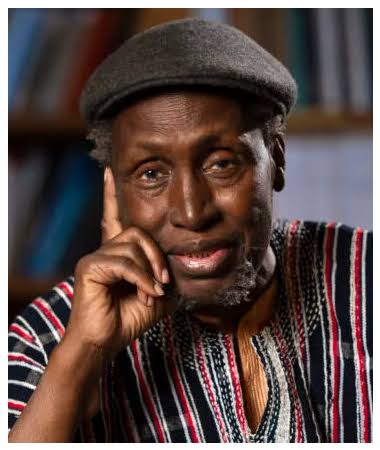
Ngugi wa Thiong'o

Ngugi wa Thiong'o

Kenya

About

Ngũgĩ wa Thiong’o (1938–2025) was a Kenyan novelist, playwright, and essayist, widely regarded as one of Africa’s most influential writers. Born in Limuru, Kenya, during British colonial rule, he drew on his experiences of colonialism, political oppression, and the struggle for independence throughout his literary career. His best-known works include Weep Not, Child (1964), A Grain of Wheat (1967), Petals of Blood (1977), and Wizard of the Crow (2004). His writing examines colonialism, dictatorship, social inequality, and the complexities of postcolonial African identity. Ngũgĩ became a prominent advocate for African languages in literature, choosing to write many later works in Gĩkũyũ rather than English. His influential book Decolonising the Mind (1986) argues that language is essential to cultural identity and liberation. After being imprisoned without trial in Kenya in 1977, he spent many years in exile. His work remains a cornerstone of postcolonial literature.

Books on TheBookRoads
1
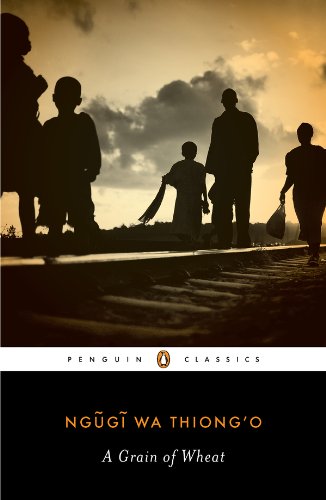
A Grain Of Wheat
A Grain Of Wheat
Set in Kenya during the final days before independence from British colonial rule in 1963, A Grain of Wheat explores the personal and collective struggles of a community shaped by the Mau Mau uprising. At its center is Mugo, a quiet and respected man whose hidden past becomes entangled with the lives of those preparing to celebrate independence. Through the stories of Mugo and other villagers, Ngũgĩ wa Thiong’o examines the sacrifices, betrayals, and moral compromises made during the fight for liberation. As memories of imprisonment, torture, and resistance emerge, the novel questions the meaning of heroism and the cost of freedom. Blending political history with psychological depth, it explores colonial oppression, loyalty, guilt, and the difficult process of rebuilding a nation after years of violence.
1967 Kenya
2
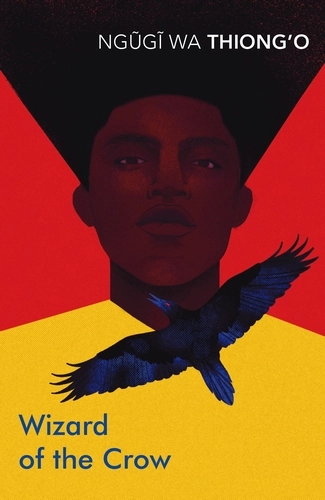
Wizard of the Crow
Wizard of the Crow
Set in the fictional African nation of Aburiria, Wizard of the Crow is a sprawling political satire about dictatorship, corruption, resistance, and the absurdities of absolute power. The country is ruled by a megalomaniacal leader known simply as the Ruler, whose grandiose ambitions and paranoia shape every aspect of public life. When the government announces plans to construct a monumental project called Marching to Heaven, it seeks financial support from international lenders, exposing the regime’s vanity and dependence on foreign approval. At the center of the story are Kamĩtĩ, an unemployed university graduate who becomes known as the Wizard of the Crow, and Nyawĩra, a courageous activist involved in the underground resistance. Their lives become entangled with the Ruler’s increasingly bizarre court, where ministers compete for influence and ordinary citizens struggle to survive the consequences of political repression. Combining magical realism, folklore, grotesque humor, and political allegory, Ngũgĩ examines how authoritarian regimes manipulate fear, language, religion, and superstition to maintain control. The novel also celebrates the resourcefulness of ordinary people and their capacity to challenge oppressive systems. Both a comic epic and a fierce critique of postcolonial power, it explores the struggle for dignity and freedom in a society ruled by absurdity and terror.
2006 Kenya