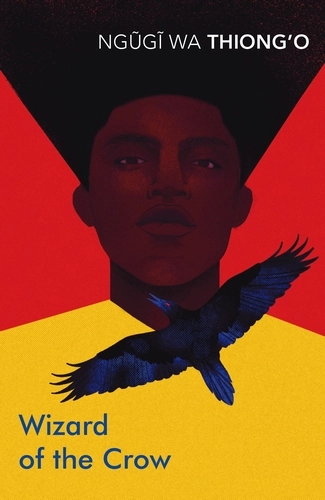
Wizard of the Crow
Summary
Set in the fictional African nation of Aburiria, Wizard of the Crow is a sprawling political satire about dictatorship, corruption, resistance, and the absurdities of absolute power. The country is ruled by a megalomaniacal leader known simply as the Ruler, whose grandiose ambitions and paranoia shape every aspect of public life. When the government announces plans to construct a monumental project called Marching to Heaven, it seeks financial support from international lenders, exposing the regime’s vanity and dependence on foreign approval.
At the center of the story are Kamĩtĩ, an unemployed university graduate who becomes known as the Wizard of the Crow, and Nyawĩra, a courageous activist involved in the underground resistance. Their lives become entangled with the Ruler’s increasingly bizarre court, where ministers compete for influence and ordinary citizens struggle to survive the consequences of political repression.
Combining magical realism, folklore, grotesque humor, and political allegory, Ngũgĩ examines how authoritarian regimes manipulate fear, language, religion, and superstition to maintain control. The novel also celebrates the resourcefulness of ordinary people and their capacity to challenge oppressive systems. Both a comic epic and a fierce critique of postcolonial power, it explores the struggle for dignity and freedom in a society ruled by absurdity and terror.
Reviews
Login to leave a review.
No reviews yet. Be the first!
You might also like

- Published
- 2006
- Author
- Ngugi wa Thiong'o