Kenya
Africa
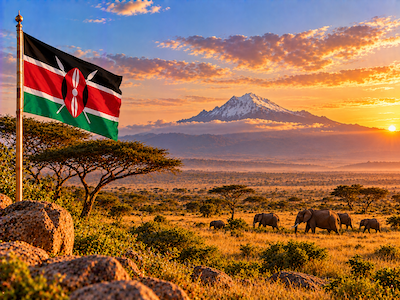
Kenya lies on the eastern coast of Africa, stretching from the Indian Ocean to the highlands of the Great Rift Valley. Its landscapes range from savannahs and forests to alpine mountains, lakes, fertile agricultural regions, and tropical coastline. Nairobi is a major cultural and literary center, while communities including the Kikuyu, Luo, Kalenjin, Luhya, Maasai, and many others contribute to the country’s diverse cultural identity.
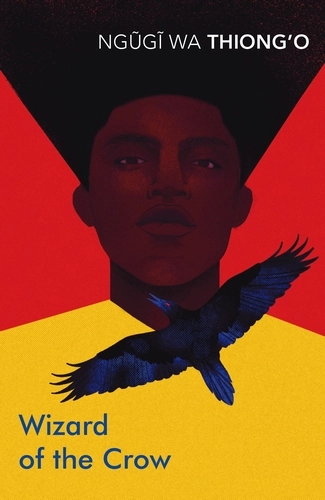
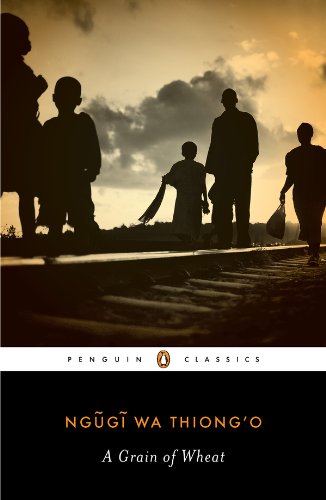
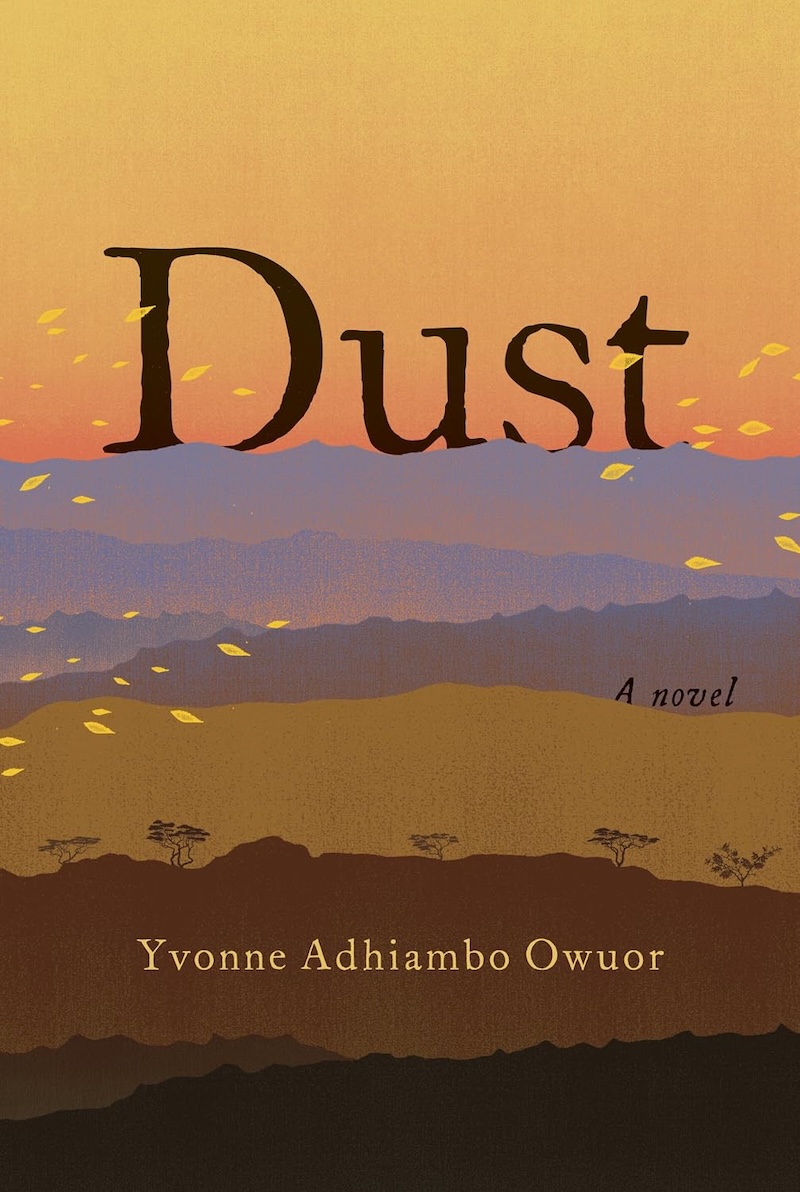
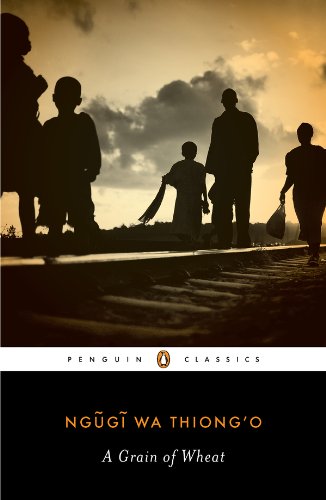
Kenyan literature has deep roots in oral storytelling, myths, legends, proverbs, songs, and praise poetry, with traditions passed down through generations in many African languages. These oral forms continue to influence modern Kenyan writing, which developed particularly strongly in the context of colonialism and the struggle for independence. Major writers include Ngũgĩ wa Thiong’o, one of Africa’s most influential writers, whose works such as A Grain of Wheat and Petals of Blood examine colonialism, independence, class, and cultural identity. Other important voices include Grace Ogot, Meja Mwangi, Binyavanga Wainaina, and Yvonne Adhiambo Owuor. Contemporary Kenyan literature explores migration, memory, gender, urban life, political change, inequality, Indigenous identity, and the relationship between African languages and English.