Society & Class
Examinations of class, power, and the structures we live within.
All countries
Austria
Bangladesh
Belarus
Benin
Bhutan
Bosnia and Herzegovina
Brazil
Bulgaria
Burundi
Cabo Verde
Cameroon
Chile
China
Congo, Democratic Republic
Costa Rica
Côte d’Ivoire (Ivory Coast)
Czech Republic
Denmark
Dominican Republic
Egypt
Fiji
France
Georgia
Germany
Ghana
Greece
India
Iraq
Ireland
Italy
Jamaica
Japan
Jordan
Kuwait
Lithuania
Mexico
Morocco
Nigeria
Pakistan
Palestine
Russia
Saudi Arabia
Senegal
South Africa
South Korea
Spain
Sudan
Sweden
Türkiye
Ukraine
United Kingdom
United States
Uzbekistan
Zambia
1
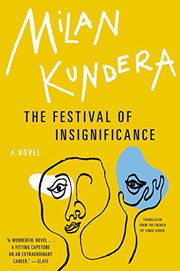
The Festival of Insignificance
The Festival of Insignificance is a playful, philosophical novel in which Milan Kundera explores the absurdity of human existence through the conversations and encounters of four friends in Paris. Alain, Ramón, Charles, and Caliban navigate everyday life while reflecting on vanity, ageing, politics, and the seemingly trivial details that shape human relationships. Their discussions range from the meaning of the human navel to Stalin’s peculiar anecdotes, blending absurd humour with reflections on history, mortality, and the performance of identity. Rather than following a conventional plot, the novel unfolds as a series of interconnected episodes that question humanity’s tendency to assign excessive importance to personal grievances, ambitions, and public events. Kundera suggests that recognising the insignificance underlying much of human life can become a source of freedom, allowing people to approach the world with greater lightness and less resentment. Through irony and philosophical wit, the novel offers a meditation on the fragile boundary between the meaningful and the trivial, inviting readers to reconsider what truly deserves their attention.
Czech Republic
2014
2
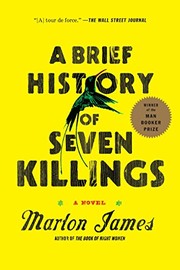
A Brief History of Seven Killings
Set primarily in Jamaica during the 1970s and extending into the 1990s, A Brief History of Seven Killings explores the political violence, gang warfare, and social upheaval surrounding the attempted assassination of reggae legend Bob Marley in 1976. Told through the perspectives of an expansive cast of characters, including gang members, journalists, politicians, and CIA operatives, the novel examines the complex relationships between crime, political power, and international interference. As the narrative moves from Kingston to the United States, it traces the long-term consequences of violence on individuals and communities. Through shifting voices, Jamaican patois, and an unflinching portrayal of historical events, Marlon James explores inequality, corruption, identity, and the lasting scars of political conflict. The novel offers a multifaceted portrait of Jamaica’s turbulent history and the human cost of violence.
Jamaica
2015
3
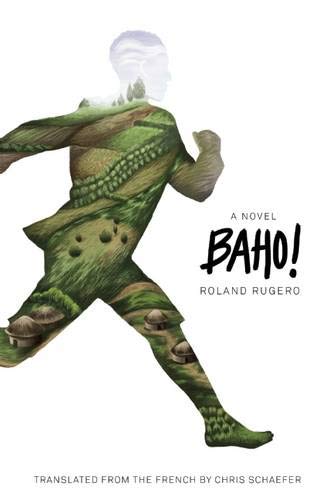
Baho!
Set in a fictional village in Burundi, Baho! follows Nyamuragi, a young boy who cannot speak. When he attempts to ask a young woman for directions to a suitable place to relieve himself, his gestures are misunderstood, and he is accused of intending to sexually assault her. Frightened, he runs away, but his flight is interpreted as proof of guilt. Soon, villagers join the pursuit, and a simple misunderstanding escalates into collective outrage and the threat of mob justice.
Through this tense and darkly satirical story, Roland Rugero examines the dangers of prejudice, social conformity, and the rush to judgment. The novel also explores the consequences of Burundi’s violent past and the challenges of rebuilding trust within a divided society. Incorporating Kirundi proverbs and elements of oral storytelling, Rugero creates a distinctive portrait of Burundian culture while questioning how fear and rumour can distort people’s understanding of truth and justice.
Burundi
2016
4
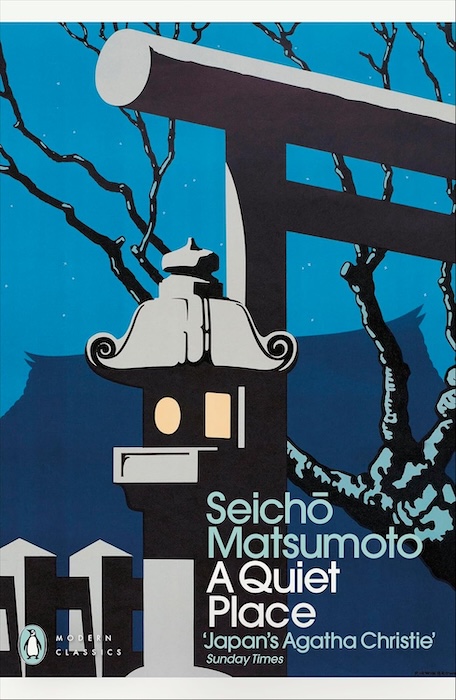
A Quiet Place
A Quiet Place follows Tsuneo Asai, a reserved government official whose life is disrupted when he learns that his wife, Eiko, has died suddenly while he is away on a business trip. Although she had a heart condition, the circumstances of her death trouble him: she collapsed in a small shop in a Tokyo neighbourhood she seemingly had no reason to visit.
Determined to understand what happened, Asai investigates the area and discovers clues suggesting that his seemingly quiet and devoted wife may have been hiding a secret life. His search gradually draws him into a world of clandestine relationships, suspicion, and uncomfortable revelations. As he uncovers details about Eiko’s movements, his grief gives way to jealousy and doubt, threatening the orderly existence he has carefully maintained.
Through this psychological mystery, Matsumoto examines the hidden tensions beneath respectable appearances, the constraints of marriage, and the effects of ambition and social expectations in postwar Japanese society. The novel reveals how little people may truly know about those closest to them.
Japan
2016
5
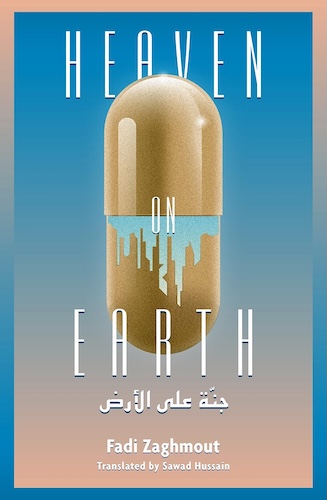
Heaven on Earth
What would happen if science made it possible to remain young forever? Set in Jordan in the 2090s, Heaven on Earth imagines a future transformed by advances in biotechnology and nanotechnology that allow people to reverse the aging process. Yet the promise of eternal youth brings unexpected moral, social, and emotional dilemmas.
At the heart of the novel is Janna Abdallah, a journalist navigating a world where humanity has gained unprecedented control over life and death. Her brother, Jamal, who contributed to the scientific breakthroughs behind this new reality, makes the controversial decision to reject age suppression and allow himself to die naturally. His choice unsettles the family and challenges the assumptions of a society that has come to regard aging as a problem to be solved. Meanwhile, strict reproductive regulations complicate the family’s hopes for the future.
Blending speculative fiction with social commentary, Zaghmout explores the ethical limits of scientific progress, individual autonomy, family relationships, and the meaning of a fulfilling life. By placing these questions within a distinctly Jordanian cultural setting, he invites readers to reconsider the boundaries between technological possibility and human freedom.
Jordan
2017
6
On Earth As It Is Beneath
On Earth as It Is Beneath takes place in a remote Brazilian penal colony that has been abandoned by the authorities, leaving prisoners and guards trapped in a brutal and isolated environment. As the prison deteriorates, the people within it become increasingly subject to violence, cruelty, and arbitrary power. The boundaries between those responsible for maintaining order and those imprisoned begin to blur, exposing the moral corruption of a system that has effectively abandoned its own rules. Maia writes in stark, uncompromising prose, creating an atmosphere of dread in which the surrounding landscape intensifies the characters’ sense of confinement. The novel examines punishment, institutional neglect, and the dehumanising effects of unchecked authority. It asks what happens when a society removes people from view and then abandons responsibility for their lives.
Brazil
2017
7
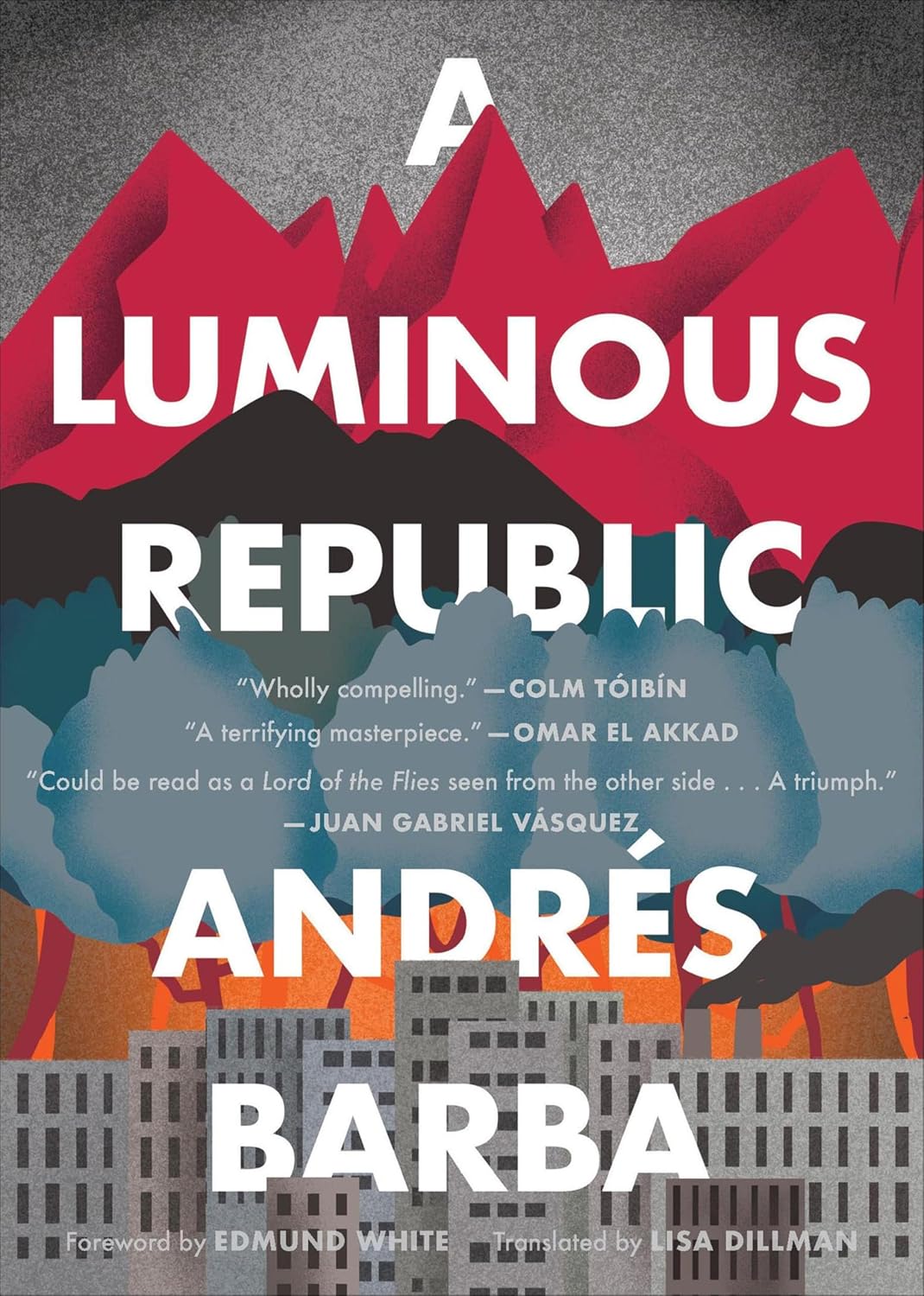
A Luminous Republic
In A Luminous Republic, a narrator looks back on a disturbing episode from his time working in the subtropical town of San Cristóbal. A mysterious group of children appears in the town, living on its margins and communicating in an unfamiliar language. When some of them begin committing acts of violence, the community struggles to understand their behaviour and decide how to respond. What initially seems like a social mystery gradually becomes a troubling examination of the boundaries between civilisation and savagery, childhood and adulthood, and order and chaos. Barba challenges the idealised image of childhood innocence, asking how societies define outsiders and how fear shapes collective behaviour. The novel reads like a modern fable about the fragility of social norms and the limits of human understanding.
Spain
2017
8
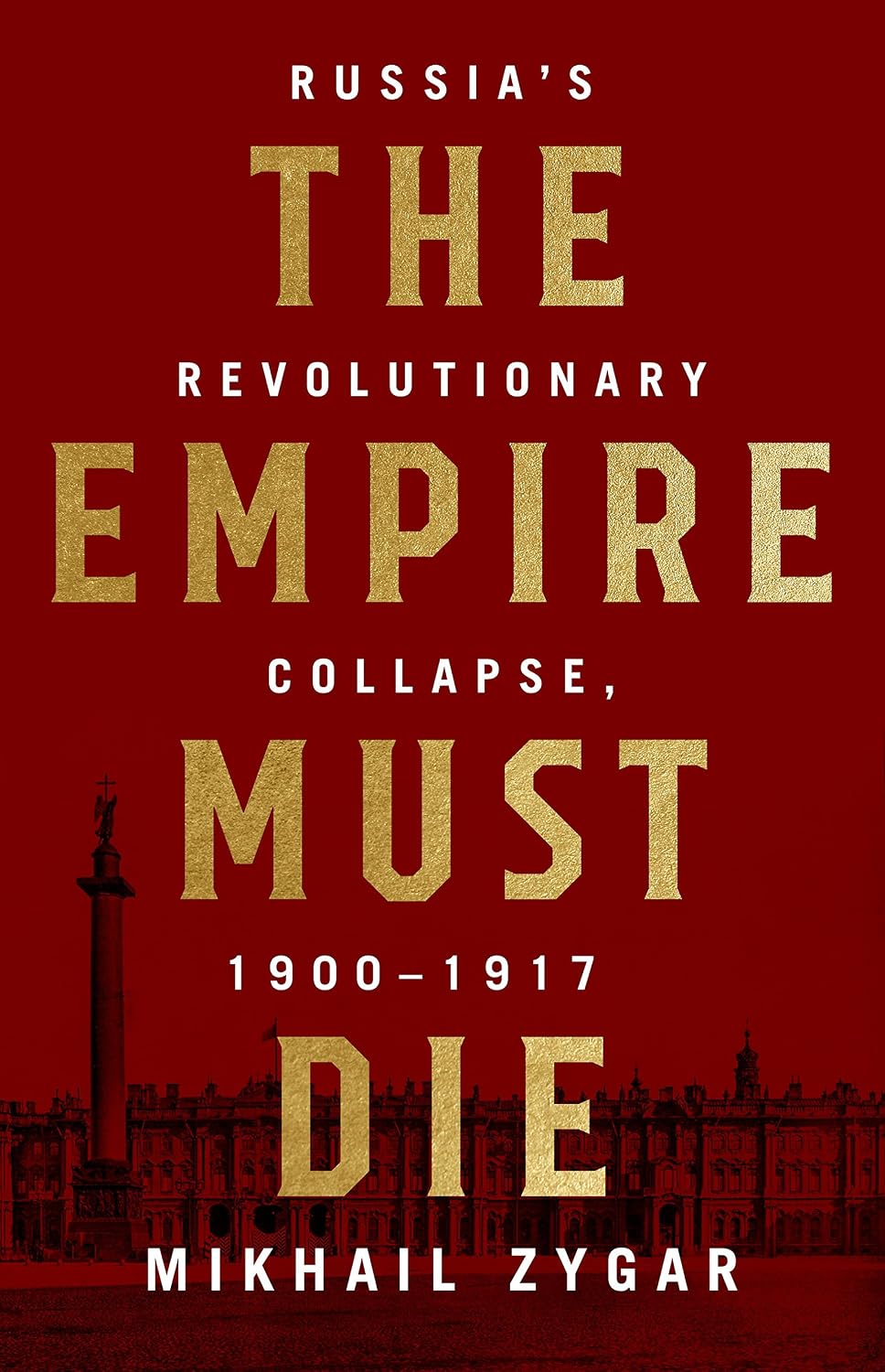
The Empire Must Die
The Empire Must Die: Russia’s Revolutionary Collapse, 1900–1917 reconstructs the political and cultural upheavals that preceded the fall of the Russian Empire. Through the lives of writers, artists, politicians, revolutionaries, and members of the imperial family, Mikhail Zygar traces a society caught between the possibility of reform and the persistence of authoritarian power. The book explores Russia’s brief flourishing of liberal ideas, the growing dissatisfaction with the monarchy, and the pressures of the First World War that helped bring the old order to collapse. Drawing on historical research and vivid character portraits, Zygar presents the revolution not as an inevitable event but as the outcome of decisions, rivalries, and missed opportunities that transformed the country’s future.
Russia
2017
9
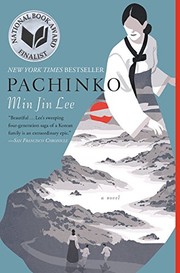
Pachinko
Pachinko follows four generations of a Korean family whose lives are transformed by migration, discrimination, and the search for belonging. The story begins in early twentieth-century Korea, where young Sunja becomes pregnant by a wealthy man who refuses to marry her. She accepts an offer of marriage from a kind-hearted minister and moves with him to Japan, hoping to build a better future. However, the family encounters widespread prejudice against Koreans living in Japan, limiting their opportunities and shaping their identities. As the story moves across generations, each family member struggles to balance personal ambition with cultural heritage and social expectations. Lee explores sacrifice, resilience, family loyalty, and the consequences of historical injustice, portraying how individuals attempt to create meaningful lives in a society that refuses to fully accept them.
South Korea
2017
10
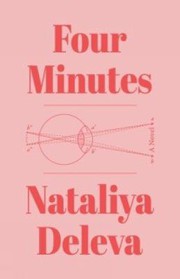
Four Minutes
Four Minutes explores the lives of people who exist on the margins of society in post-communist Bulgaria, focusing on loneliness, trauma, and the struggle to be seen and understood. At its centre is Leah, a woman who grew up in an orphanage marked by neglect and abuse. Now in her thirties, she continues to grapple with the wounds of her childhood while trying to build a meaningful life. When she volunteers at an orphanage, she forms a bond with Dara, a nine-year-old girl who has stopped speaking following her father’s murder. Leah hopes to adopt her, but prejudice and bureaucracy stand in her way.
Interwoven with Leah’s story are nine shorter portraits of other marginalised people, including Roma women and children, refugees, and survivors of abuse. Each section is designed to be read in approximately four minutes, reflecting the idea that a brief moment of genuine attention can foster empathy. Through these interconnected stories, Nataliya Deleva examines abandonment, exclusion, and the human need for connection, asking what it takes to truly see another person.
Bulgaria
2017
11
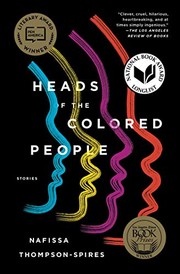
Heads of the Colored People
In Heads of the Colored People, Nafissa Thompson-Spires explores race, identity, and belonging in contemporary Black America. Through interconnected stories, she examines the complexities of social expectations, cultural stereotypes, and the pressures of navigating identity in a society shaped by racial inequality.
United States
2019
12
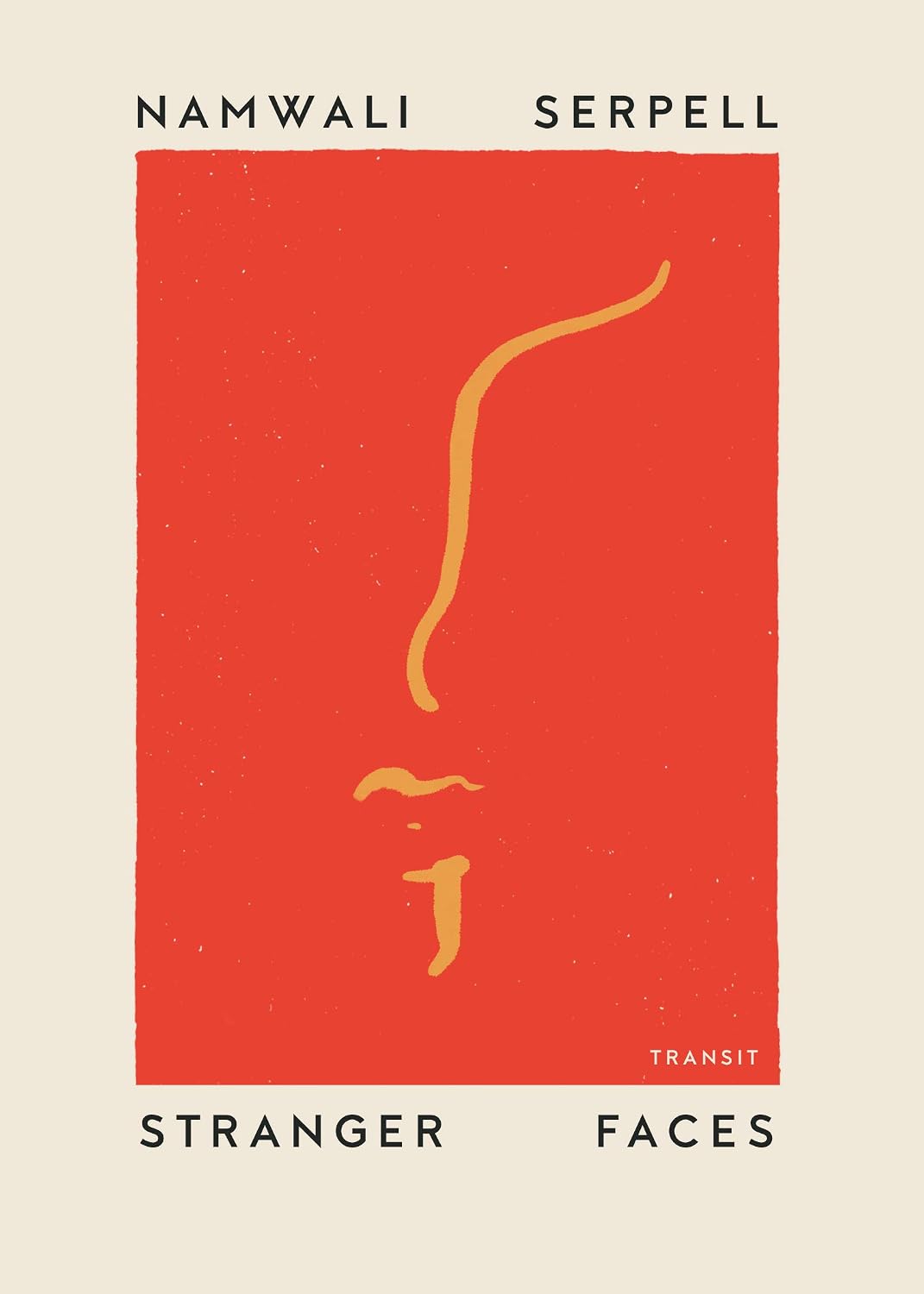
Stranger Faces
What can a face tell us about a person—and how often do we mistake what we see for the truth? In this thought-provoking collection of essays, Zambian writer and scholar Namwali Serpell examines the cultural assumptions we attach to human faces, questioning why we associate appearance with identity, beauty, authenticity, and moral worth. Moving between literature, cinema, philosophy, and digital culture, Serpell explores a fascinating range of faces: those marked by disability, those that challenge racial categorisation, the faces of the dead, and even the expressive faces we create through emojis. She considers figures such as Joseph Merrick, known as the Elephant Man, and examines how society turns unfamiliar appearances into objects of fascination, fear, or pity. With intellectual curiosity, wit, and a playful approach to serious questions, Serpell challenges readers to reconsider the instinct to interpret other people through their appearance. Stranger Faces ultimately invites us to embrace ambiguity and imagine a more compassionate way of seeing one another—one that does not demand that every face conform to our expectations.
Zambia
2020
About this theme
- Books
- 140
- Countries
- 54
Countries with this theme
Austria
Europe
Bangladesh
Asia
Belarus
Europe
Benin
Africa
Bhutan
Asia
Bosnia and Herzegovina
Europe
Brazil
South America
Bulgaria
Europe
Burundi
Africa
Cabo Verde
Africa
Cameroon
Africa
Chile
South America
China
Asia
Congo, Democratic Republic
Africa
Costa Rica
North America
Côte d’Ivoire (Ivory Coast)
Africa
Czech Republic
Europe
Denmark
Europe
Dominican Republic
North America
Egypt
Africa
Fiji
Oceania
France
Europe
Georgia
Asia
Germany
Europe
Ghana
Africa
Greece
Europe
India
Asia
Iraq
Asia
Ireland
Europe
Italy
Europe
Jamaica
North America
Japan
Asia
Jordan
Asia
Kuwait
Asia
Lithuania
Europe
Mexico
North America
Morocco
Africa
Nigeria
Africa
Pakistan
Asia
Palestine
Asia
Russia
Europe
Saudi Arabia
Asia
Senegal
Africa
South Africa
Africa
South Korea
Asia
Spain
Europe
Sudan
Africa
Sweden
Europe
Türkiye
Asia
Ukraine
Europe
United Kingdom
Europe
United States
North America
Uzbekistan
Asia
Zambia
Africa