Society & Class
Examinations of class, power, and the structures we live within.
All countries
Austria
Bangladesh
Belarus
Benin
Bhutan
Bosnia and Herzegovina
Brazil
Bulgaria
Burundi
Cabo Verde
Cameroon
Chile
China
Congo, Democratic Republic
Costa Rica
Côte d’Ivoire (Ivory Coast)
Czech Republic
Denmark
Dominican Republic
Egypt
Fiji
France
Georgia
Germany
Ghana
Greece
India
Iraq
Ireland
Italy
Jamaica
Japan
Jordan
Kuwait
Lithuania
Mexico
Morocco
Nigeria
Pakistan
Palestine
Russia
Saudi Arabia
Senegal
South Africa
South Korea
Spain
Sudan
Sweden
Türkiye
Ukraine
United Kingdom
United States
Uzbekistan
Zambia
1
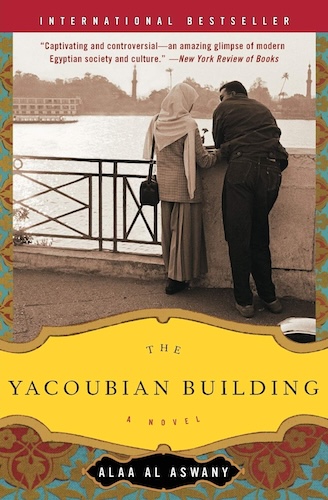
The Yacoubian Building
Behind the elegant façade of a once-grand Cairo apartment building lies a society fractured by corruption, poverty, and unfulfilled dreams. Its residents include a disillusioned journalist, a young man whose ambition to become a police officer is crushed by class prejudice, a wealthy businessman pursuing forbidden pleasures, and an ageing aristocrat haunted by a vanished past. As their lives intersect, the building becomes a microcosm of modern Egypt, exposing the hypocrisies of its ruling class and the quiet desperation of those struggling to escape their circumstances. Bold and provocative, The Yacoubian Building offers an unforgettable portrait of a nation caught between tradition, repression, and the desire for change.
Egypt
2006
2
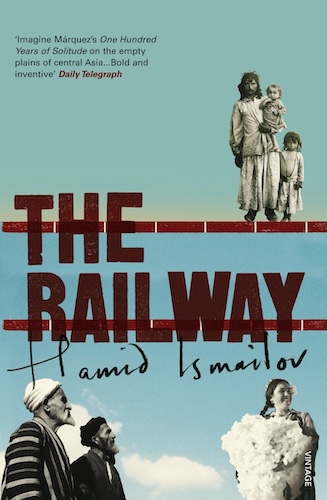
The Railway
In the fictional Uzbek town of Gilas, situated along the ancient Silk Road, a railway station becomes the centre of an extraordinary tapestry of human lives. Spanning much of the twentieth century, The Railway follows a diverse community of Uzbeks, Russians, Persians, Jews, Koreans, Tatars, and other ethnic groups whose lives intersect amid the upheavals of modern Central Asian history. Among its colourful inhabitants are an alcoholic intellectual, a Russian Orthodox priest, a formidable police chief, and an elderly moneylender. Through their stories, Hamid Ismailov captures a society caught between tradition and modernity, religious beliefs and revolutionary ideology, and local loyalties and outside influences. The arrival of the railway represents both opportunity and disruption, connecting this isolated community to a rapidly changing world while transforming its social structures. Blending humour, folklore, philosophical reflection, and historical observation, Ismailov creates a richly layered portrait of a multicultural society confronting the consequences of imperial expansion and Soviet rule. The novel offers a distinctive perspective on Central Asia’s complex cultural heritage and the profound changes that shaped the region during the twentieth century.
Uzbekistan
2006
3
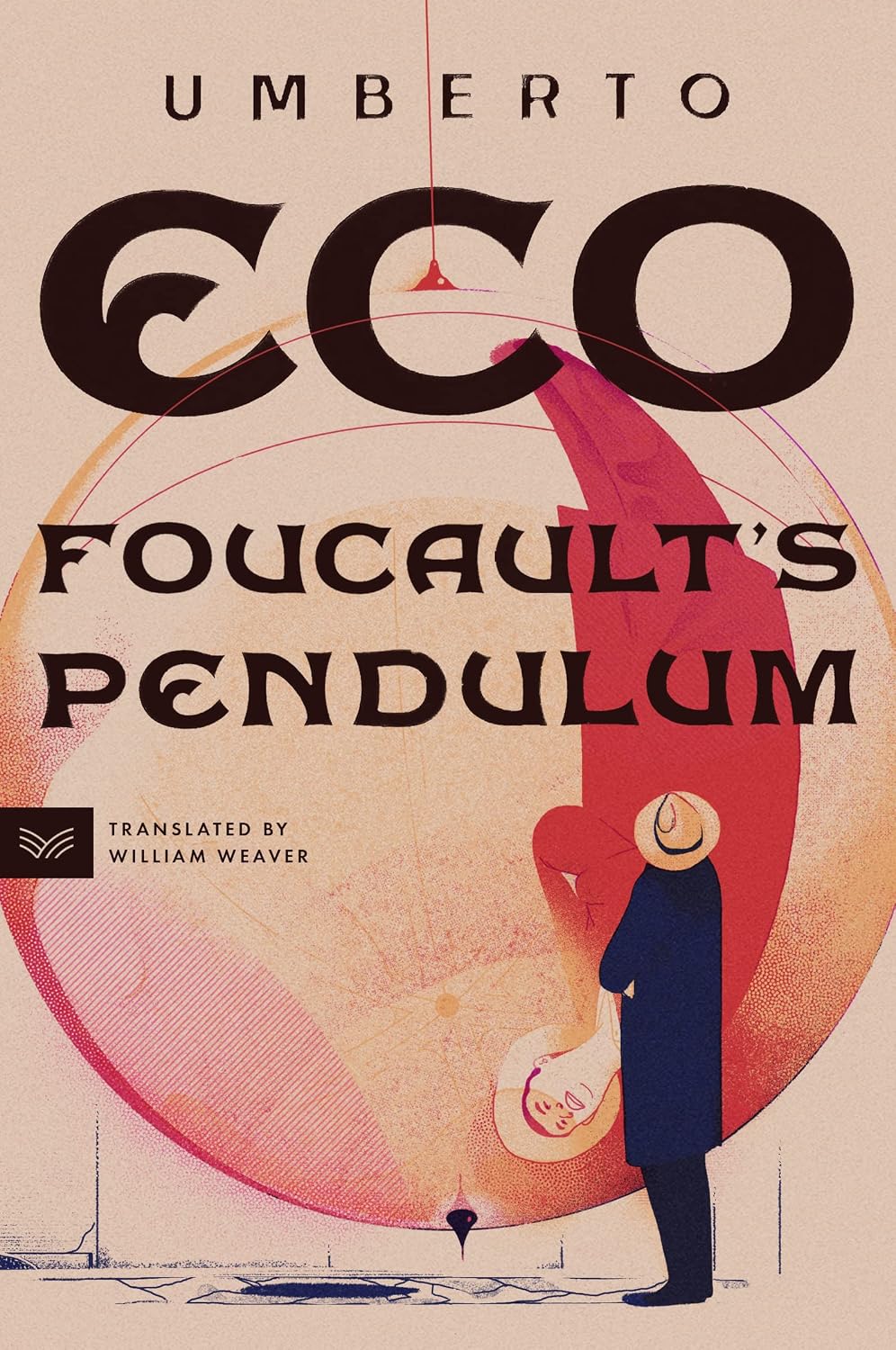
Foucault's Pendulum
Foucault’s Pendulum follows three Italian editors who work for a small publishing house specialising in obscure historical and occult manuscripts. As a private intellectual game, they begin inventing an elaborate conspiracy theory that connects secret societies, the Knights Templar, and centuries of hidden knowledge. Their fictional pattern gradually becomes more elaborate, drawing in real-world enthusiasts who believe the invented conspiracy reveals the truth about history. What begins as a playful exercise becomes increasingly dangerous as the editors lose control of the story they have created. Eco explores the human tendency to search for patterns and hidden meanings, showing how the desire to explain the world can lead people into irrational beliefs. Blending historical references, intellectual satire, and suspense, the novel examines conspiracy thinking, interpretation, and the dangers of confusing imaginative connections with evidence.
Italy
2007
4
The Palace of Illusions
The Palace of Illusions retells the ancient Indian epic Mahabharata from the perspective of Panchaali, also known as Draupadi, the princess who becomes the wife of the five Pandava brothers. Born from fire and raised amid royal expectations, Panchaali is intelligent, passionate, and determined to influence her own destiny in a world governed by men, duty, and political ambition. As her husbands fight to reclaim their kingdom, she becomes entangled in rivalries, betrayals, and the devastating conflict that eventually leads to war. The novel offers a fresh interpretation of familiar events by foregrounding Panchaali’s inner life, desires, and frustrations. Divakaruni explores gender, power, fate, and the consequences of pride, questioning how women experience and influence histories traditionally told through the deeds of male heroes
India
2008
5
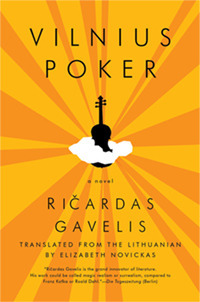
Vilnius Poker
Set in Soviet-occupied Vilnius during the 1970s, Vilnius Poker is a dark, surreal exploration of life under totalitarian rule. The novel follows Vytautas Vargalys, an intellectual working as a cataloguer in a public library, who becomes obsessed with uncovering a mysterious organisation known as “Them.” He believes this hidden force controls society, manipulating people’s thoughts, behaviour, and destinies. His growing paranoia intertwines with his relationship with Lolita, a mysterious woman whose fate becomes central to his increasingly fractured understanding of reality.
The story unfolds through four different narrators, each offering a conflicting account of events. As their perspectives overlap and contradict one another, the distinction between truth, memory, fantasy, and delusion begins to collapse. Vilnius itself emerges as a living presence: a labyrinthine city haunted by historical trauma, political oppression, and the psychological damage inflicted by Soviet rule.
Combining psychological horror, political satire, and postmodern experimentation, Gavelis challenges official historical narratives and exposes the ways authoritarian systems infiltrate people’s inner lives. The novel also questions whether individuals can ever fully escape the structures of power surrounding them. Published in 1989, as Lithuania approached independence, Vilnius Poker became a landmark of modern Lithuanian literature and a powerful literary reckoning with the Soviet experience.
Lithuania
2009
6
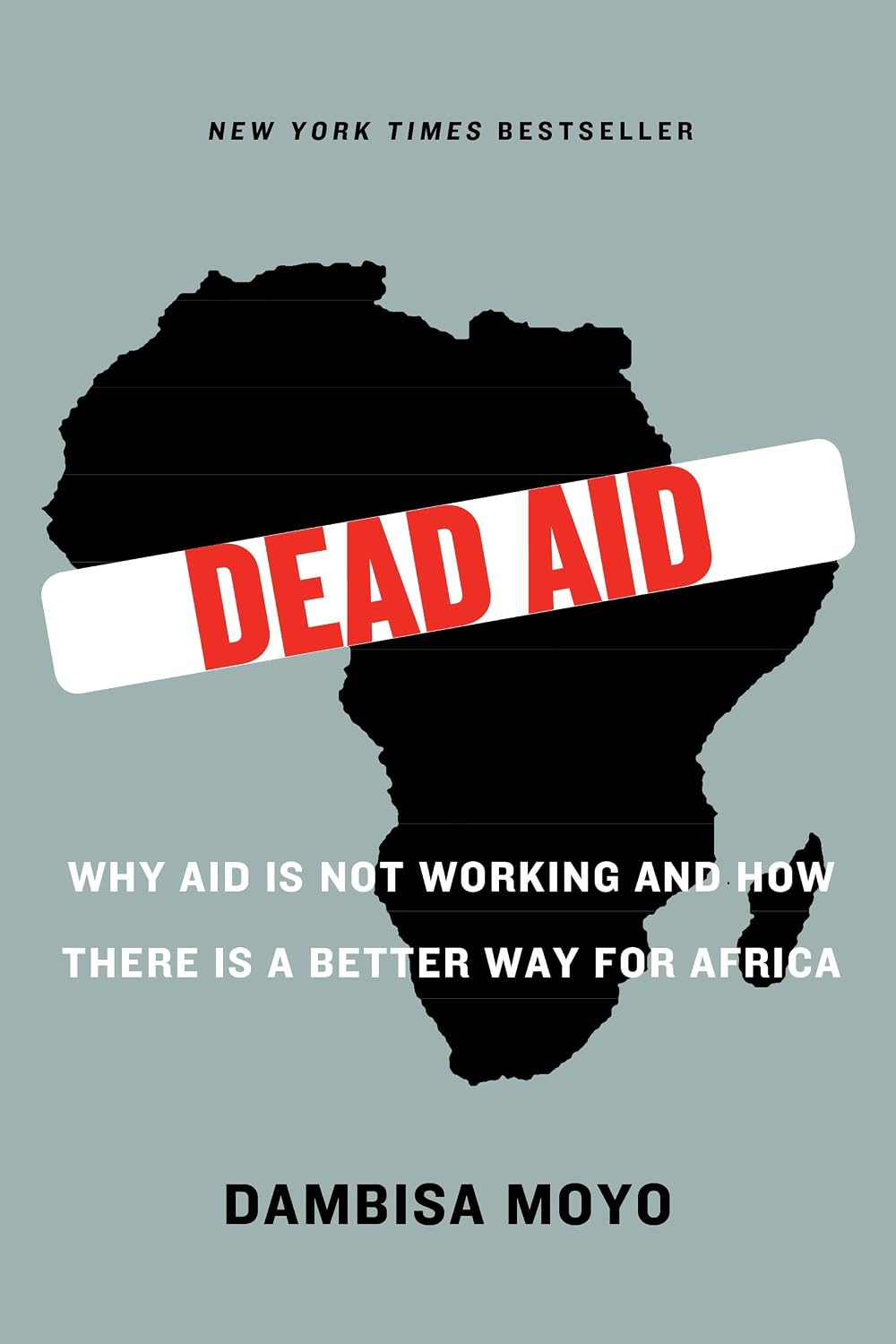
Dead Aid: Why Aid Is Not Working and How There Is Another Way for Africa
In Dead Aid, Zambian economist Dambisa Moyo challenges one of the most widely accepted assumptions about international development: that financial aid from wealthy countries is an effective way to combat poverty in Africa. Drawing on economic research and historical examples, she argues that decades of government-to-government assistance have often failed to deliver sustainable growth, while contributing to corruption, political dependency, and weakened local markets.
Rather than calling for an end to all forms of assistance, Moyo focuses on long-term development aid and proposes alternative ways for African countries to finance their economies. Her recommendations include attracting foreign investment, expanding trade, accessing international capital markets, and strengthening domestic financial systems.
Provocative and controversial, the book challenges readers to reconsider the relationship between wealthy nations and developing countries. Moyo calls for African governments to pursue greater economic independence and for policymakers to rethink the mechanisms through which development is financed. Whether readers agree with her conclusions or not, Dead Aid raises important questions about accountability, sovereignty, and the effectiveness of international development policy.
Zambia
2009
7
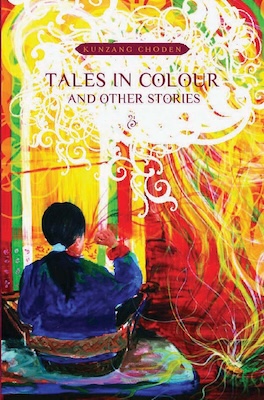
Tales in Colour and Other Stories
Tales in Colour and Other Stories is a collection of short stories exploring the lives, aspirations, and struggles of women in contemporary Bhutan. Set primarily in rural communities, the stories portray women navigating marriage, motherhood, family obligations, social expectations, and the gradual transformation of traditional ways of life.
With wit, subtle irony, and compassion, Kunzang Choden examines the tensions between tradition and modernity as urbanisation introduces new possibilities and changes how people understand themselves and their communities. In one story, a young woman discovers the confidence to make decisions independently of her mother; in another, a rural woman is drawn towards the glamour and opportunities associated with city life.
The collection gives voice to women whose experiences are often overlooked, revealing the complexity beneath seemingly ordinary lives. Through intimate portraits of everyday relationships and personal choices, Choden offers a nuanced perspective on Bhutanese society, particularly the changing roles and expectations of women.
Bhutan
2009
8
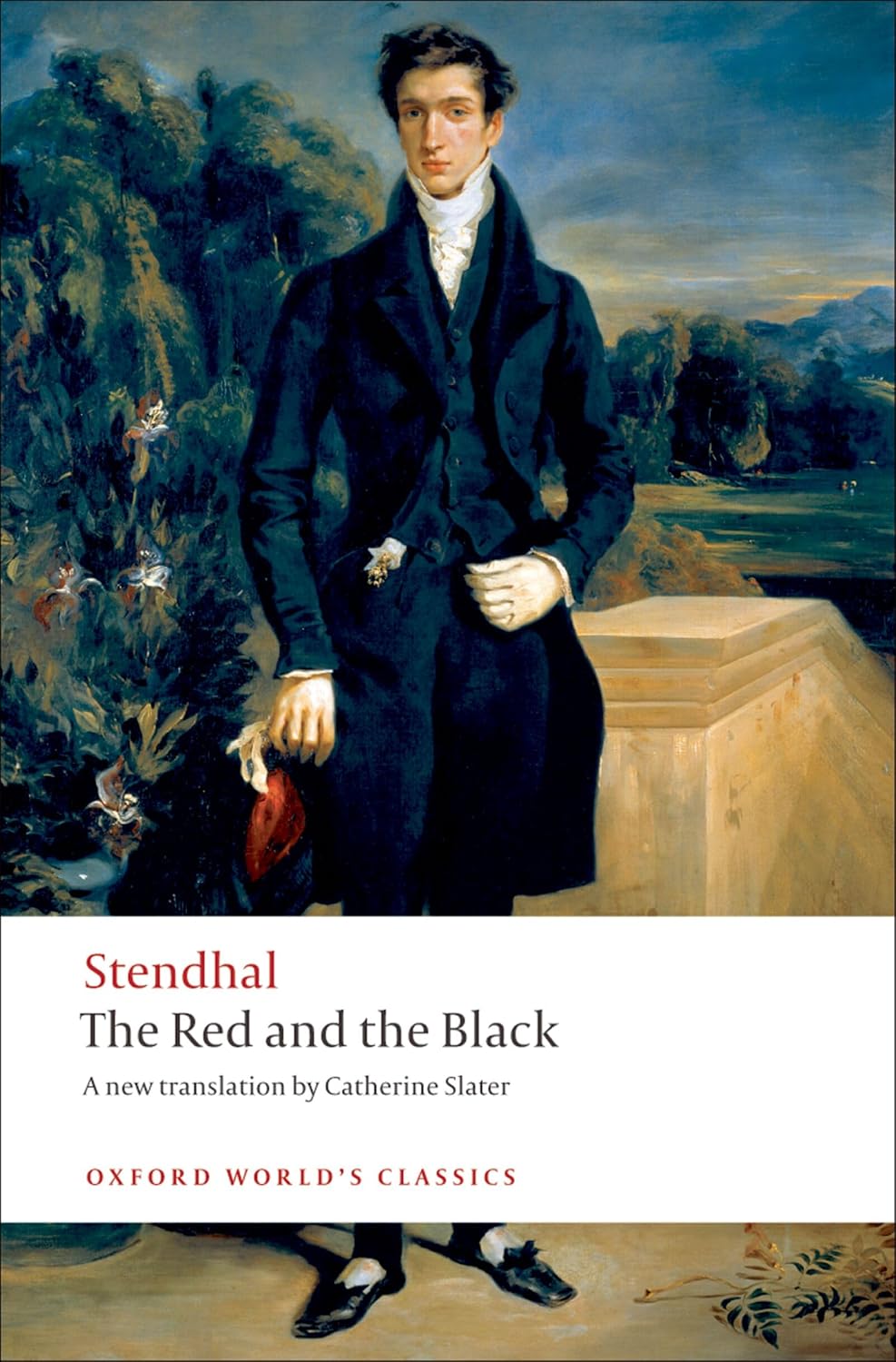
The Red and the Black
The Red and the Black follows Julien Sorel, an ambitious young man from a poor provincial family who dreams of rising through French society. Intelligent and determined, Julien sees the Church and the military as possible routes to power, studying religious doctrine while secretly admiring the military glory associated with Napoleon. His relationships with Madame de Rênal, the wife of his employer, and Mathilde de La Mole, the daughter of an aristocrat, become entangled with his social ambitions. As Julien moves between different social environments, he struggles to reconcile genuine feelings with his desire for status and recognition. Stendhal uses his story to examine class divisions, hypocrisy, and the limitations imposed by nineteenth-century French society. The novel portrays a talented individual attempting to overcome the circumstances of his birth, revealing how ambition can both challenge and reproduce the inequalities of the world he hopes to conquer.
France
2009
9
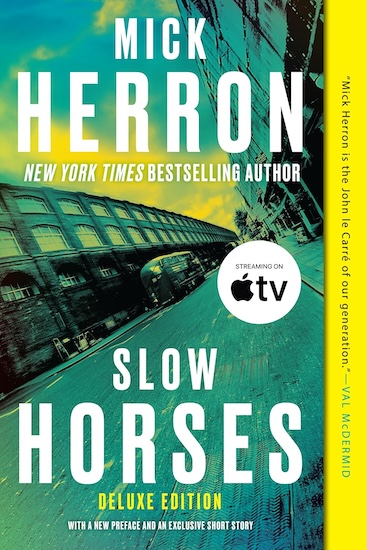
Slow Horses
At the edge of London’s intelligence world lies Slough House, a drab office where MI5 sends agents who have made career-ending mistakes. Known as the “slow horses,” these disgraced spies spend their days drowning in paperwork, enduring humiliating assignments, and dreaming of returning to serious intelligence work. Their miserable existence is overseen by Jackson Lamb, a brilliant but abrasive veteran whose apparent laziness conceals a formidable understanding of the spying business.
River Cartwright, a promising young agent whose career collapses after a disastrous training exercise, finds himself among them. When a young man is kidnapped and his captors threaten to broadcast his execution online, the slow horses see an opportunity to prove their worth. But as they investigate, they begin to suspect that the kidnapping may be part of a much larger game—and that powerful people within the intelligence establishment have their own reasons for wanting the truth to remain hidden.
Combining tense espionage with dark humour and political satire, Slow Horses offers a refreshingly unglamorous portrait of intelligence work. Mick Herron explores ambition, professional failure, and institutional corruption, revealing how the people dismissed as useless can sometimes see what the powerful refuse to acknowledge.
United Kingdom
2010
10
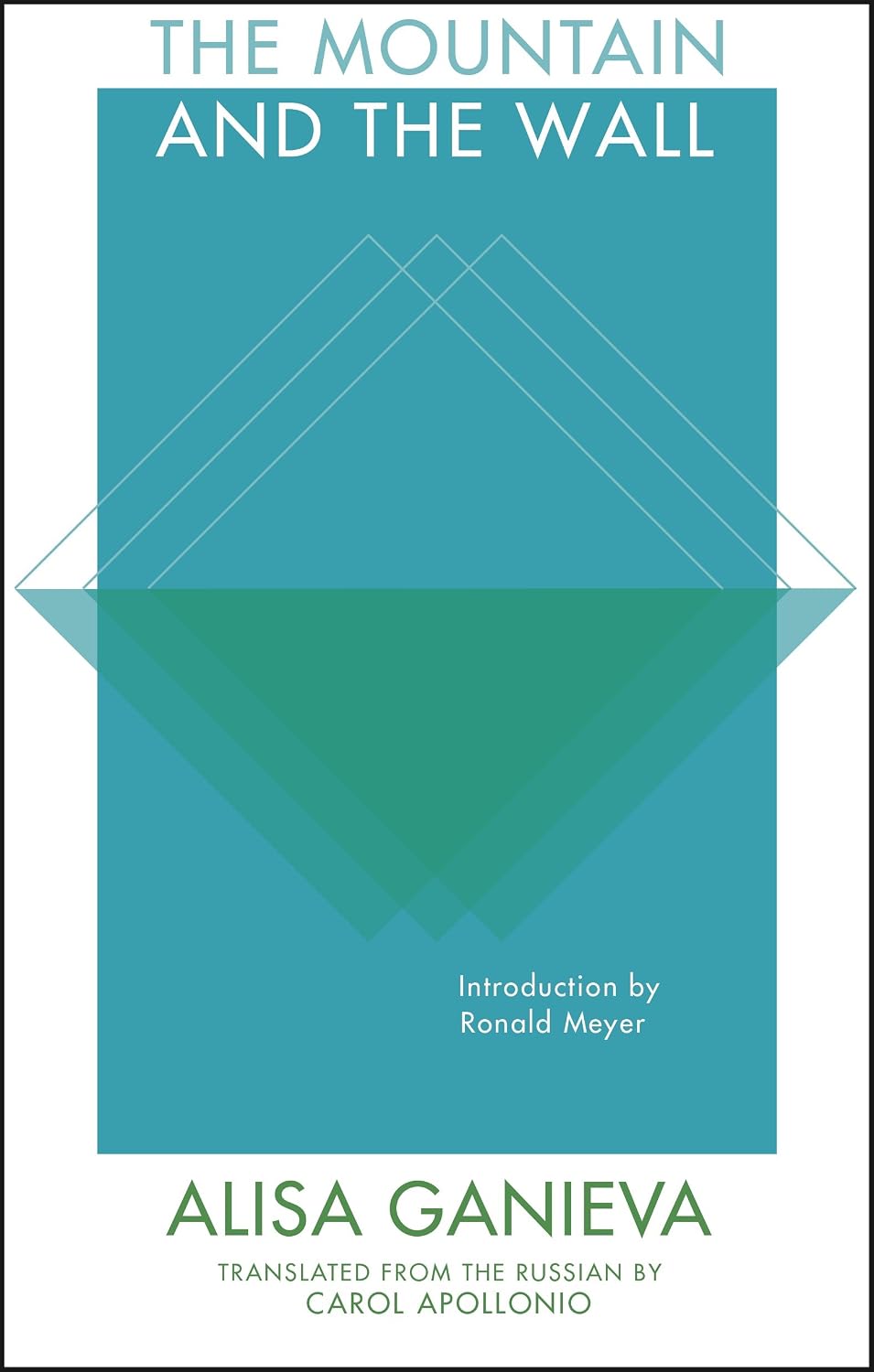
The Mountain and the Wall
In The Mountain and the Wall, Shamil, a young journalist in Dagestan’s capital, Makhachkala, hears rumours that the Russian government intends to build a wall separating the Muslim regions of the North Caucasus from the rest of the country. As anxiety and unrest spread, Shamil finds himself confronting the political and religious divisions shaping his community. What begins as distant speculation gradually becomes an urgent personal and social crisis, forcing him to reconsider his own passivity. Ganieva portrays a region caught between competing ideologies, traditional beliefs, and the pressures of modern political life. Through Shamil’s experiences, the novel explores how intolerance and extremism can fracture communities and how ordinary people respond when the society around them begins to unravel.
Russia
2012
11
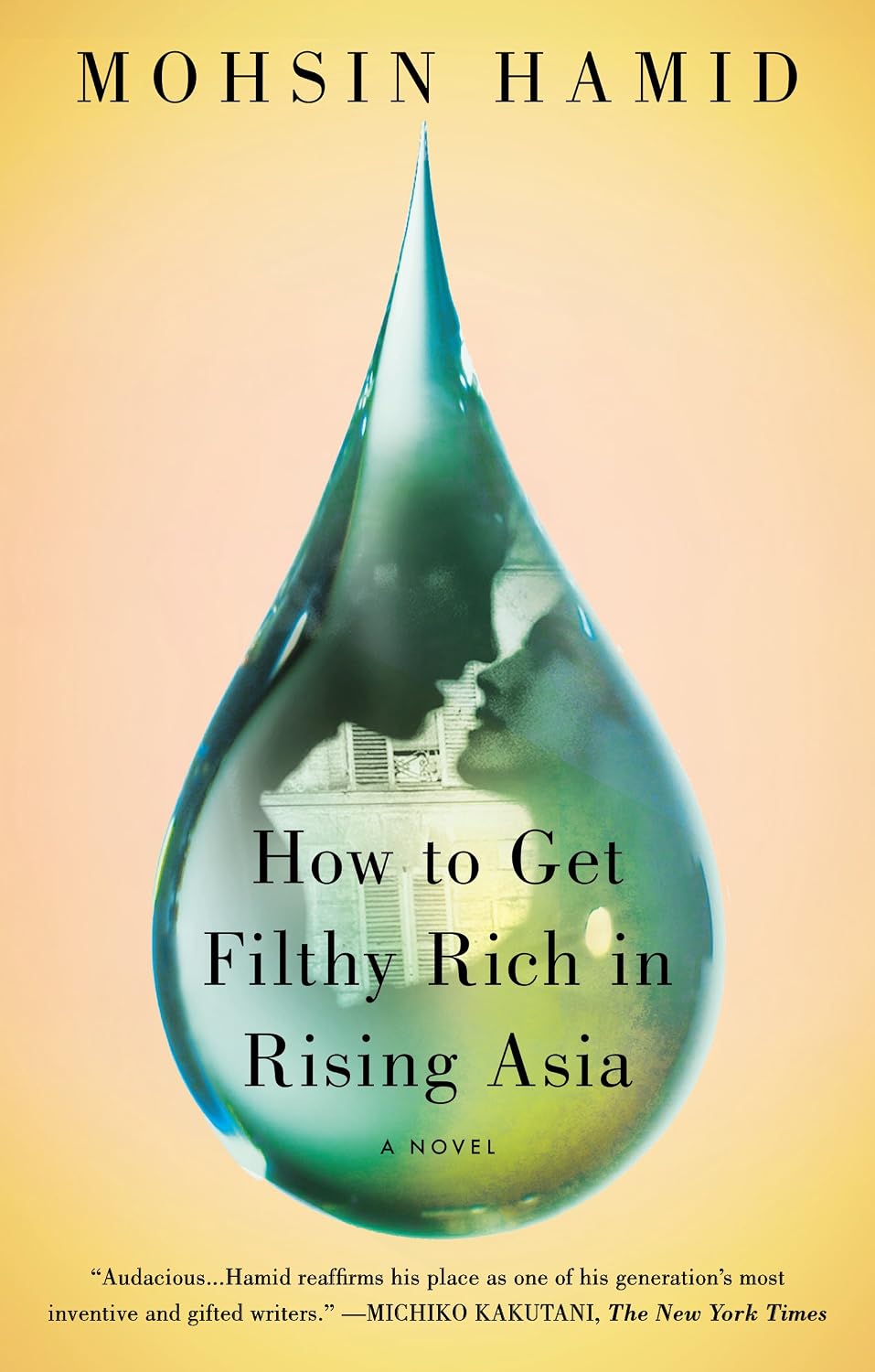
How to Get Filthy Rich in Rising Asia
Told in the second person, as though the reader is the protagonist, Mohsin Hamid’s inventive novel follows an unnamed boy’s extraordinary journey from rural poverty to immense wealth in a rapidly transforming South Asian city. Structured like a self-help manual, each chapter offers a rule for achieving financial success, from leaving the village to exploiting opportunities in the marketplace. As the protagonist moves into the city, he builds a business selling bottled water, turning a basic necessity into the foundation of his growing empire. Yet wealth brings neither complete security nor lasting fulfilment. Throughout his rise, he remains connected to a woman he first met as a teenager, whose own life follows a different but equally turbulent path. Against a backdrop of urbanisation, corruption, consumerism, and widening inequality, Hamid examines the costs of ambition in a society where almost everything has a price. Witty, romantic, and sharply observant, How to Get Filthy Rich in Rising Asia is both a satire of self-help culture and a moving reflection on love, mortality, and the elusive meaning of success.
Pakistan
2013
12
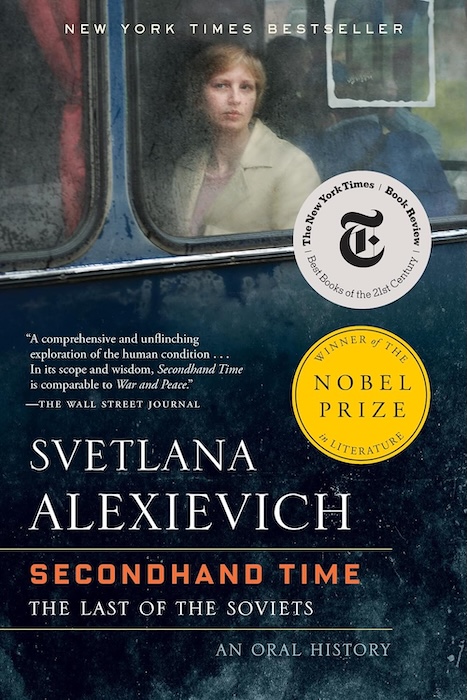
Secondhand Time
Secondhand Time is a documentary work by Nobel Prize-winning Belarusian writer Svetlana Alexievich that captures the emotional and psychological aftermath of the collapse of the Soviet Union. Through hundreds of interviews with ordinary people across the former Soviet republics, Alexievich assembles a collective portrait of a society struggling to understand the end of an entire political and cultural world. Her subjects include former Soviet idealists, disillusioned workers, survivors of political repression, and younger generations searching for meaning in a transformed society. Their testimonies reveal conflicting memories of communism, nostalgia for a lost sense of belonging, and the difficulties of adapting to new economic and social realities. Moving between intimate personal experiences and major historical events, the book explores how ideology shapes identity and how political change reverberates through private lives. Rather than presenting a single interpretation of the Soviet collapse, Alexievich allows contradictory voices to coexist, revealing the complexity of collective memory and the enduring human desire for dignity, security, and meaning.
Belarus
2013
About this theme
- Books
- 140
- Countries
- 54
Countries with this theme
Austria
Europe
Bangladesh
Asia
Belarus
Europe
Benin
Africa
Bhutan
Asia
Bosnia and Herzegovina
Europe
Brazil
South America
Bulgaria
Europe
Burundi
Africa
Cabo Verde
Africa
Cameroon
Africa
Chile
South America
China
Asia
Congo, Democratic Republic
Africa
Costa Rica
North America
Côte d’Ivoire (Ivory Coast)
Africa
Czech Republic
Europe
Denmark
Europe
Dominican Republic
North America
Egypt
Africa
Fiji
Oceania
France
Europe
Georgia
Asia
Germany
Europe
Ghana
Africa
Greece
Europe
India
Asia
Iraq
Asia
Ireland
Europe
Italy
Europe
Jamaica
North America
Japan
Asia
Jordan
Asia
Kuwait
Asia
Lithuania
Europe
Mexico
North America
Morocco
Africa
Nigeria
Africa
Pakistan
Asia
Palestine
Asia
Russia
Europe
Saudi Arabia
Asia
Senegal
Africa
South Africa
Africa
South Korea
Asia
Spain
Europe
Sudan
Africa
Sweden
Europe
Türkiye
Asia
Ukraine
Europe
United Kingdom
Europe
United States
North America
Uzbekistan
Asia
Zambia
Africa