Society & Class
Examinations of class, power, and the structures we live within.
All countries
Austria
Bangladesh
Belarus
Benin
Bhutan
Bosnia and Herzegovina
Brazil
Bulgaria
Burundi
Cabo Verde
Cameroon
Chile
China
Congo, Democratic Republic
Costa Rica
Côte d’Ivoire (Ivory Coast)
Czech Republic
Denmark
Dominican Republic
Egypt
Fiji
France
Georgia
Germany
Ghana
Greece
India
Iraq
Ireland
Italy
Jamaica
Japan
Jordan
Kuwait
Lithuania
Mexico
Morocco
Nigeria
Pakistan
Palestine
Russia
Saudi Arabia
Senegal
South Africa
South Korea
Spain
Sudan
Sweden
Türkiye
Ukraine
United Kingdom
United States
Uzbekistan
Zambia
1

The Fall
In a dim Amsterdam bar, Jean-Baptiste Clamence, a former Parisian lawyer, begins an extraordinary confession to a stranger. Once admired for his charm, generosity, and defence of the innocent, he enjoyed a life built on the conviction that he was a good man. But one night, while crossing a Parisian bridge, he hears a woman fall into the river—and does nothing to save her. The memory follows him, gradually dismantling his carefully constructed image of himself.
Now living in Amsterdam, Clamence calls himself a judge-penitent: a man who confesses his own sins while exposing the hypocrisy of others. Through his unsettling monologue, Camus examines guilt, moral responsibility, vanity, and humanity’s need to feel innocent. As Clamence reveals more about himself, readers are drawn into an uncomfortable question: are we truly capable of judging others without confronting our own failures?
Darkly ironic and psychologically penetrating, The Fall is a philosophical exploration of the distance between who we believe ourselves to be and who we really are. Camus transforms one man’s confession into a searching indictment of modern society, challenging readers to examine their own motives, silences, and moral compromises.
France
1956
2
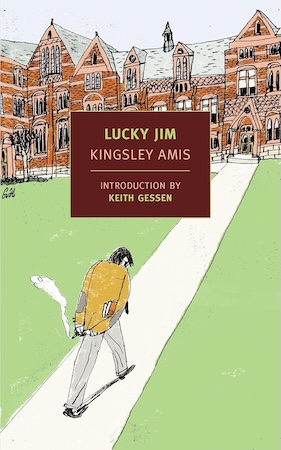
Lucky Jim
Jim Dixon is a young history lecturer at a provincial English university, and he is spectacularly ill-suited to the world of academic pretension surrounding him. Desperate to keep his job, he must endure pompous professors, tedious social gatherings, an exhausting relationship, and the looming disaster of a lecture he can barely bring himself to prepare. When he falls for Christine, the girlfriend of his employer’s son, his already chaotic life becomes even more complicated. Sharp, irreverent, and gloriously funny, Lucky Jim skewers class snobbery, intellectual pretension, and the absurd rituals of professional life. A landmark of postwar British literature, it remains a delightfully rebellious portrait of an ordinary man trying not to lose his mind in a world of fools.
United Kingdom
1954
3
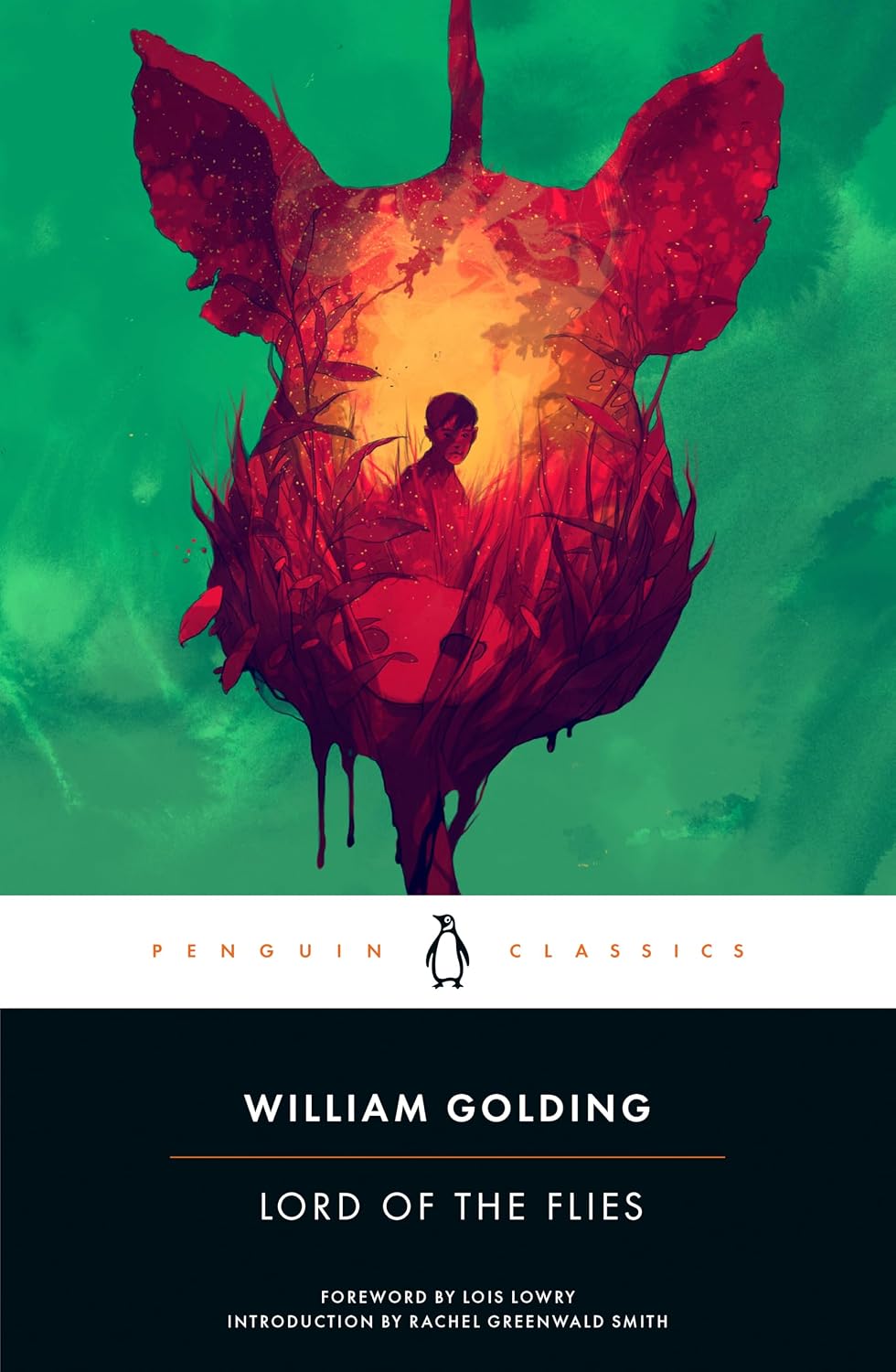
Lord of the Flies
Lord of the Flies follows a group of British schoolboys stranded on an uninhabited tropical island after a plane crash. Without adults to supervise them, the boys attempt to establish rules, distribute responsibilities, and organise their survival. Ralph advocates cooperation and order, while Jack becomes increasingly obsessed with hunting and personal power. As fear spreads and the boys become preoccupied with a mysterious beast they believe inhabits the island, their fragile society begins to collapse into violence. Golding uses their experience to examine the relationship between civilisation and human aggression, questioning whether social rules restrain darker impulses or merely conceal them. The novel explores leadership, fear, conformity, and the vulnerability of collective order, suggesting that the desire for power can destroy cooperation even among people who initially share the same goals.
United Kingdom
1954
4
The Time Regulation Institute
The Time Regulation Institute is a satirical novel about a fictional institution established to ensure that everyone in Turkey follows the correct time. Its narrator, Hayri İrdal, recounts his life and the circumstances that lead him to become involved with the institute under the leadership of the charismatic Halit Ayarcı. As the organisation grows, its elaborate procedures and absurd regulations expose the contradictions of a society attempting to modernise rapidly while remaining attached to older traditions. Through bureaucratic absurdities and eccentric characters, Tanpınar explores the tension between Westernisation and cultural heritage in twentieth-century Turkey. The novel questions whether progress can be achieved through administrative reforms alone and whether institutions sometimes create problems merely to justify their own existence. Blending humour with philosophical reflection, it offers a critique of social conformity, bureaucracy, and the human tendency to confuse outward appearances with meaningful change.
Türkiye
1954
5
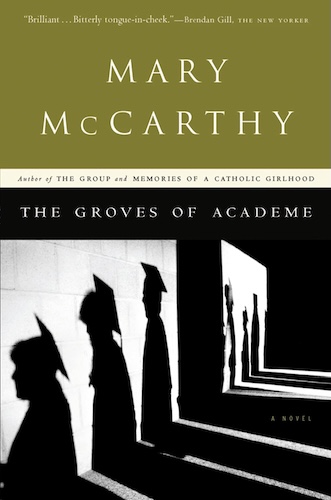
The Groves of Academe
At the progressive Jocelyn College, literature instructor Henry Mulcahy receives devastating news: his contract will not be renewed. Convinced that the college president is conspiring against him, Mulcahy launches a desperate campaign to save his career. As Cold War paranoia and anti-Communist suspicion sweep through America, he discovers that political loyalties and accusations can be powerful weapons in the battle for academic survival. But the more he fights for justice, the more his own dishonesty and ambition come to light. Sharp, witty, and mercilessly observant, The Groves of Academe exposes the rivalries, ideological hypocrisy, and petty power struggles lurking behind the respectable façade of university life.
United States
1952
6
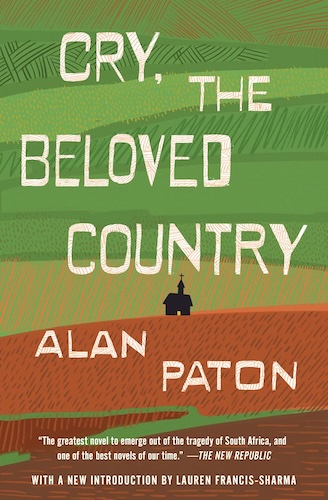
Cry, the Beloved Country
Set in South Africa during the 1940s, Cry, the Beloved Country follows Stephen Kumalo, a rural Zulu pastor who travels to Johannesburg in search of his missing son, Absalom. In the city, he encounters the devastating effects of poverty, racial discrimination, and the social upheaval caused by urbanization under apartheid’s emerging racial order. As he discovers the truth about his son’s involvement in a tragic crime, Kumalo must confront grief, guilt, and the fragility of family bonds. His journey intersects with that of James Jarvis, a white landowner whose son is connected to the tragedy, leading both men to reconsider their beliefs and responsibilities. Through their parallel experiences, Alan Paton explores racial injustice, moral responsibility, compassion, and the possibility of reconciliation in a deeply divided society. The novel is a moving portrait of a nation struggling with inequality and the human cost of prejudice.
South Africa
1948
7
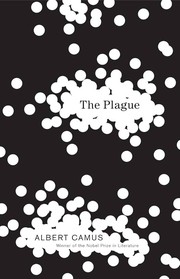
The Plague
The Plague takes place in the Algerian city of Oran, where an outbreak of bubonic plague gradually isolates the population from the outside world. Dr Bernard Rieux and other residents struggle to respond to the epidemic as deaths increase and everyday life becomes dominated by fear, separation, and uncertainty. As the city is placed under quarantine, its inhabitants react in different ways: some retreat into denial, others seek personal comfort, and many discover unexpected courage through acts of solidarity. Camus uses the epidemic to examine the human response to suffering and the moral responsibilities people have towards one another. Written in the aftermath of the Second World War, the novel is also widely read as an allegory of fascism and resistance. It explores collective responsibility, resilience, and the importance of fighting injustice even when victory remains uncertain.
France
1947
8
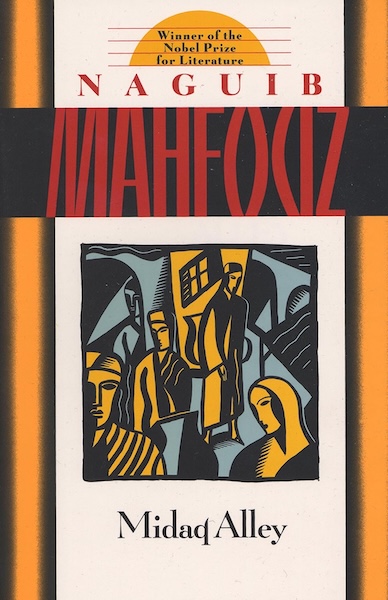
Midaq Alley
Midaq Alley portrays life in a small, crowded alley in Cairo during the Second World War, where shopkeepers, barbers, café owners, and residents struggle to survive amid poverty and social change. At the centre of the story is Hamida, a beautiful and ambitious young woman who dreams of escaping the limitations of her neighbourhood and achieving wealth and independence. Her desire for a different life brings her into conflict with Abbas, a humble barber who hopes to marry her and build a future together.
As Hamida becomes increasingly attracted to the promises of modernity and material success, her choices lead her toward a darker world shaped by exploitation and disillusionment. Meanwhile, the other residents pursue their own ambitions, revealing the contradictions, humour, and hardships of everyday life. Through this interconnected portrait of a Cairo community, Naguib Mahfouz explores class inequality, gender expectations, ambition, and the impact of historical change on ordinary people. The alley becomes a microcosm of Egyptian society, where dreams of escape coexist with the powerful forces that keep people trapped in familiar circumstances.
Egypt
1947
9
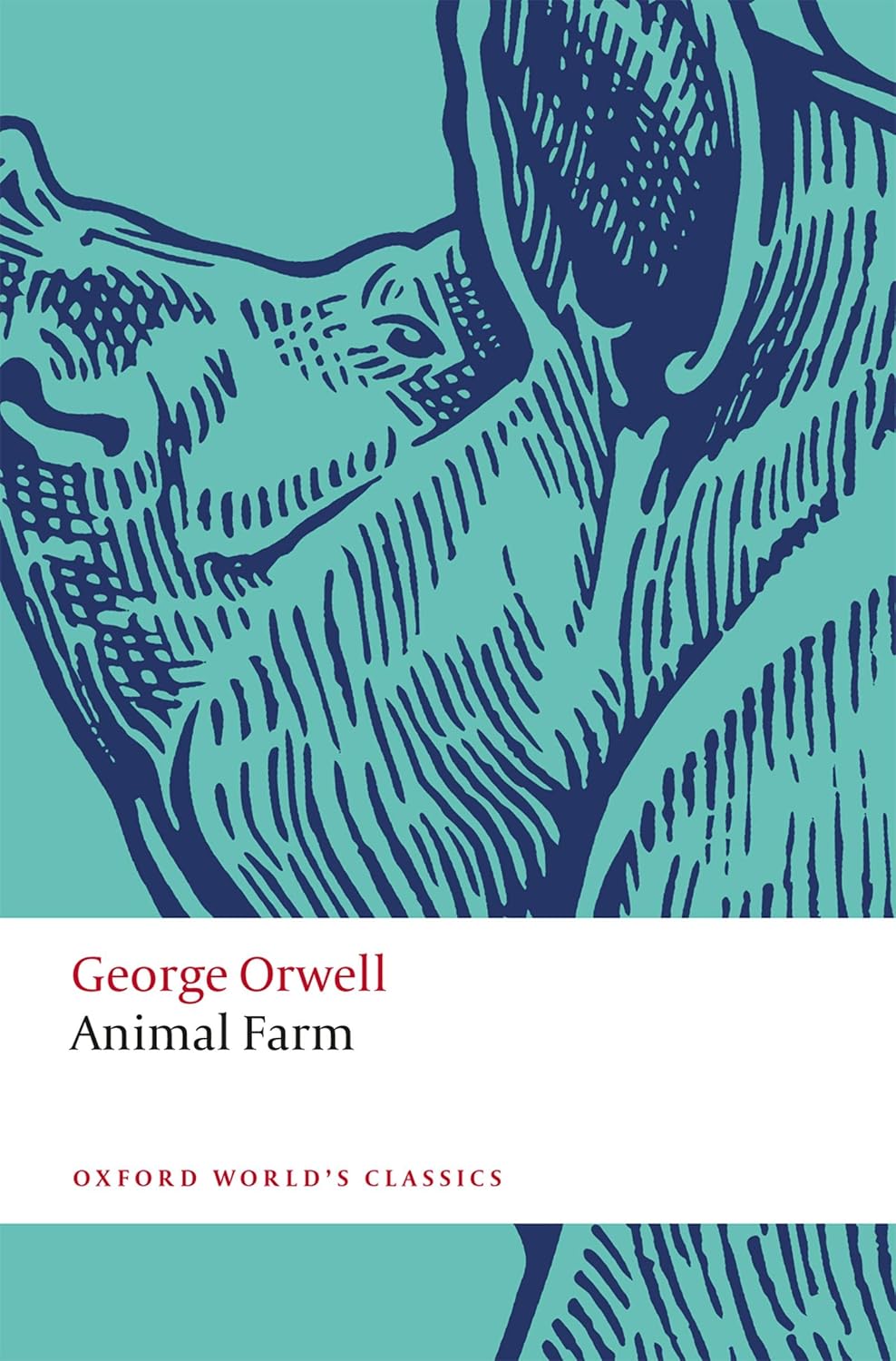
Animal Farm
Animal Farm is a political allegory about a group of farm animals who rebel against their human owner, hoping to establish a society based on equality and shared labour. Initially inspired by the promise of freedom, the animals create their own system of government under the leadership of the pigs. However, Napoleon gradually consolidates power, using propaganda, intimidation, and manipulated rules to suppress opposition. As the pigs adopt the privileges once enjoyed by humans, the original ideals of the revolution are abandoned. Through the animals’ experiences, Orwell examines how political movements can be corrupted by authoritarian ambition and how language can be used to justify inequality. The novella critiques the betrayal of revolutionary ideals, demonstrating how societies seeking liberation can reproduce the very systems of oppression they originally opposed.
United Kingdom
1945
10
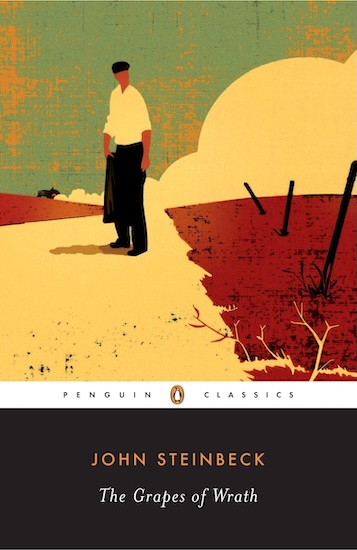
The Grapes of Wrath
The Grapes of Wrath follows the Joad family, tenant farmers driven from their Oklahoma home during the Great Depression and the Dust Bowl. Hoping to find work and a better future, they travel west to California, joining thousands of other migrants searching for survival. Instead of prosperity, they encounter exploitation, overcrowded camps, low wages, and hostility from landowners who fear the growing number of desperate workers. As the family’s circumstances deteriorate, Tom Joad and his mother struggle to preserve their dignity and solidarity in the face of injustice. Steinbeck portrays the human cost of economic collapse, revealing how powerful institutions can profit from the vulnerability of ordinary people. The novel explores poverty, migration, collective resistance, and the importance of community, arguing that human survival depends not only on individual determination but also on mutual responsibility and social justice.
United States
1939
11
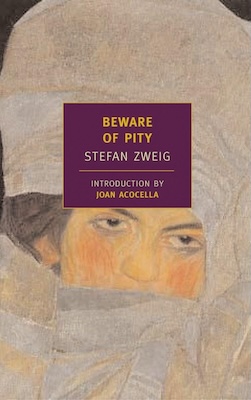
Beware of Pity
In Beware of Pity, Stefan Zweig explores the dangerous consequences of misplaced compassion through a young Austrian officer who becomes entangled in the life of a disabled woman. A profound psychological novel about guilt, duty, and the fine line between genuine empathy and self-serving pity.
Germany
1939
12
The Castle
The Castle follows a man known as K., who arrives in a remote village claiming to have been hired as a land surveyor by the authorities of a mysterious castle. However, the villagers question his appointment, and K. soon discovers that gaining access to the institution is far more difficult than he imagined. He attempts to establish his legitimacy through conversations with officials, messengers, and residents, but every encounter produces new obstacles and contradictory explanations. The castle remains physically visible yet effectively unreachable, representing an authority that governs people’s lives without making itself accountable. Kafka explores bureaucracy, exclusion, and the human desire for recognition and belonging. The unfinished novel portrays a world where rules seem endlessly complex and acceptance is perpetually deferred, capturing the frustration of individuals attempting to find meaning within systems that resist understanding.
Czech Republic
1926
About this theme
- Books
- 140
- Countries
- 54
Countries with this theme
Austria
Europe
Bangladesh
Asia
Belarus
Europe
Benin
Africa
Bhutan
Asia
Bosnia and Herzegovina
Europe
Brazil
South America
Bulgaria
Europe
Burundi
Africa
Cabo Verde
Africa
Cameroon
Africa
Chile
South America
China
Asia
Congo, Democratic Republic
Africa
Costa Rica
North America
Côte d’Ivoire (Ivory Coast)
Africa
Czech Republic
Europe
Denmark
Europe
Dominican Republic
North America
Egypt
Africa
Fiji
Oceania
France
Europe
Georgia
Asia
Germany
Europe
Ghana
Africa
Greece
Europe
India
Asia
Iraq
Asia
Ireland
Europe
Italy
Europe
Jamaica
North America
Japan
Asia
Jordan
Asia
Kuwait
Asia
Lithuania
Europe
Mexico
North America
Morocco
Africa
Nigeria
Africa
Pakistan
Asia
Palestine
Asia
Russia
Europe
Saudi Arabia
Asia
Senegal
Africa
South Africa
Africa
South Korea
Asia
Spain
Europe
Sudan
Africa
Sweden
Europe
Türkiye
Asia
Ukraine
Europe
United Kingdom
Europe
United States
North America
Uzbekistan
Asia
Zambia
Africa