Society & Class
Examinations of class, power, and the structures we live within.
All countries
Austria
Bangladesh
Belarus
Benin
Bhutan
Bosnia and Herzegovina
Brazil
Bulgaria
Burundi
Cabo Verde
Cameroon
Chile
China
Congo, Democratic Republic
Costa Rica
Côte d’Ivoire (Ivory Coast)
Czech Republic
Denmark
Dominican Republic
Egypt
Fiji
France
Georgia
Germany
Ghana
Greece
India
Iraq
Ireland
Italy
Jamaica
Japan
Jordan
Kuwait
Lithuania
Mexico
Morocco
Nigeria
Pakistan
Palestine
Russia
Saudi Arabia
Senegal
South Africa
South Korea
Spain
Sudan
Sweden
Türkiye
Ukraine
United Kingdom
United States
Uzbekistan
Zambia
1

So We Look to the Sky
In contemporary Japan, one scandal connects the lives of five people struggling with desire, shame, loneliness, and the expectations placed upon them. When a young man’s affair with an older woman is exposed online, the fallout ripples through the lives of teenagers navigating first love, a married couple facing infertility, a young man caring for his grandmother with dementia, and a single mother working as a midwife. Through these interconnected stories, Misumi Kubo explores the intimate realities often hidden behind the surface of everyday life: the pressures on women’s bodies, the stigma surrounding sexuality, poverty, family obligations, and the desperate need for human connection. Unflinching yet deeply compassionate, this award-winning Japanese novel finds hope in the fragile, stubborn force of life itself.
Japan
2027
2

Twilight in Musashino
Set in postwar Japan in 1959, Twilight in Musashino begins with the discovery of a young Japanese flight attendant strangled on the icy banks of a river. As Detective Fujisawa investigates the murder, his attention turns to a foreign priest and the Guglielmo Church, a charitable Christian mission with an unsettling connection to the victim. What initially appears to be a straightforward criminal investigation gradually reveals a tangled web involving narcotics, postwar relief operations, and international diplomacy. The deeper Fujisawa digs, the more he encounters powerful institutions determined to protect their reputations and conceal uncomfortable truths. Blending meticulous police work with an incisive examination of social power, Seicho Matsumoto constructs a slow-burning mystery in which the pursuit of justice collides with political influence and institutional silence. The novel offers a compelling portrait of a society negotiating its identity in the aftermath of war, exposing the tensions between public morality and private corruption.
Japan
2026
3
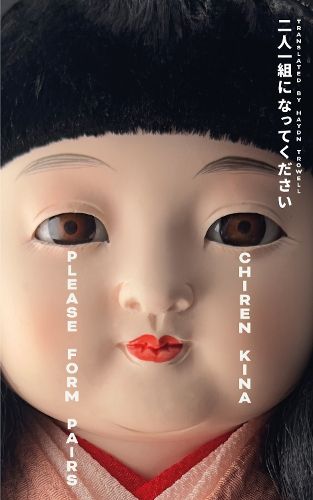
Please Form Pairs
In a world where popularity determines survival, Mishin Mizushima is a teenage girl who struggles to meet Japan’s unforgiving standards of beauty and social status. Unpopular at school and abandoned emotionally by her mother, she occupies the lowest rung of a ruthless social hierarchy dominated by glamorous, powerful girls. But when a new teacher introduces a seemingly simple instruction—students must form pairs, and no two people can pair together twice—the established order begins to collapse. Those left without partners face a terrifying consequence: execution. Blending the vicious social politics of Mean Girls with the deadly competition of Squid Game, Chiren Kina’s dark, candy-coloured thriller explores bullying, conformity, beauty standards, and the desperate human need to belong. Beneath its exaggerated, unsettling premise lies a sharp examination of how easily social exclusion can become a matter of life and death.
Japan
2026
4
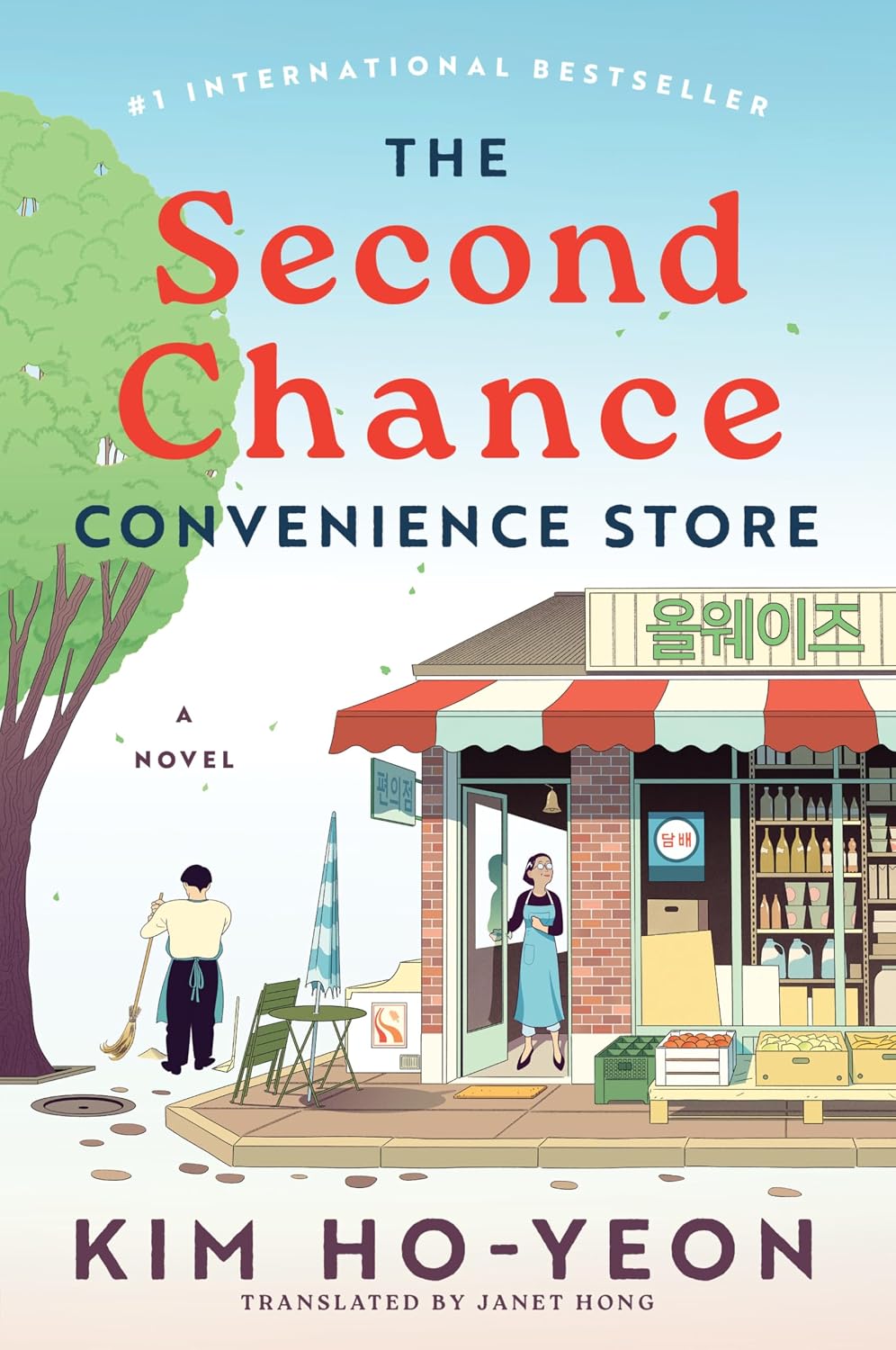
Second Chance Convenience Store
The Second Chance Convenience Store follows Dokgo, a homeless man living near Seoul Station who has lost his memory and struggles to make sense of his past. His life begins to change after he finds and returns a wallet belonging to Mrs Yeom, a retired teacher who owns a small convenience store. Grateful for his honesty, she offers him food and eventually gives him a job at her shop. As Dokgo becomes part of the neighbourhood, his quiet kindness begins to transform the lives of customers and colleagues dealing with loneliness, family conflict, and personal disappointment. Yet his mysterious past continues to cast a shadow over his new beginning. Through the everyday encounters taking place inside the store, Kim explores social isolation, economic insecurity, and the importance of community. The novel celebrates compassion and suggests that small acts of kindness can help people recover their dignity and rebuild their lives.
Japan
2025
5
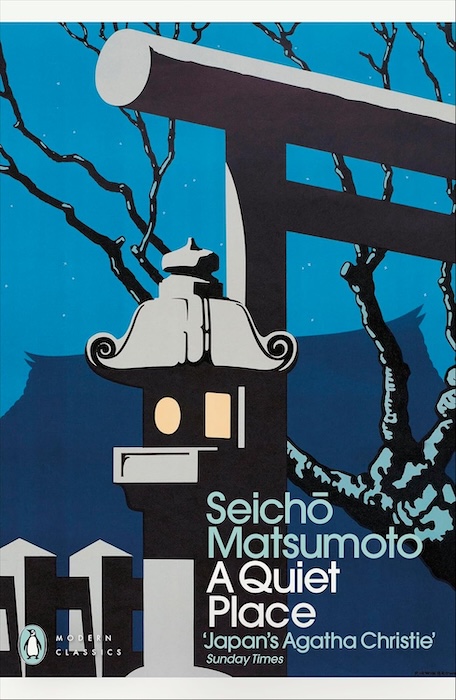
A Quiet Place
A Quiet Place follows Tsuneo Asai, a reserved government official whose life is disrupted when he learns that his wife, Eiko, has died suddenly while he is away on a business trip. Although she had a heart condition, the circumstances of her death trouble him: she collapsed in a small shop in a Tokyo neighbourhood she seemingly had no reason to visit.
Determined to understand what happened, Asai investigates the area and discovers clues suggesting that his seemingly quiet and devoted wife may have been hiding a secret life. His search gradually draws him into a world of clandestine relationships, suspicion, and uncomfortable revelations. As he uncovers details about Eiko’s movements, his grief gives way to jealousy and doubt, threatening the orderly existence he has carefully maintained.
Through this psychological mystery, Matsumoto examines the hidden tensions beneath respectable appearances, the constraints of marriage, and the effects of ambition and social expectations in postwar Japanese society. The novel reveals how little people may truly know about those closest to them.
Japan
2016
6

Troubled Waters
Set in the pleasure district of Meiji-era Japan, Troubled Waters (Nigorie) portrays the troubled life of Oriki, a popular courtesan at the Kikunoi establishment. Beautiful and admired by her customers, Oriki conceals a deep unhappiness rooted in poverty, social exclusion, and the limited choices available to women in her position. Her past is intertwined with Genshichi, a former customer whose obsessive devotion to her has cost him his business and left his wife and child in desperate circumstances. Although Oriki has begun seeing another wealthy patron, she remains haunted by the consequences of her earlier relationship.
Through fragmented conversations and shifting perspectives, Higuchi gradually reveals the emotional burdens carried by Oriki and those around her. The story examines the destructive effects of poverty, the unequal power dynamics between men and women, and the social structures that trap individuals in seemingly inescapable circumstances. With psychological subtlety and compassion, Higuchi gives voice to people marginalized by respectable society. Troubled Waters remains a powerful portrait of female vulnerability and the human cost of a world in which economic hardship and social expectations constrain personal freedom.
Publication note: The original Japanese story, Nigorie, appeared in 1895. English translations have been published under several titles, including Muddy Bay (1958) and Troubled Waters (1981). A new translation by Bryan Karetnyk is included in a 2026 collection of Higuchi’s stories published by Pushkin Press.
Japan
1981
7
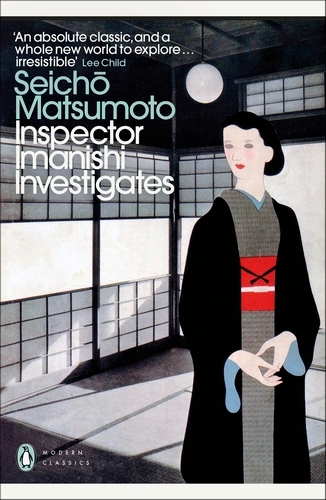
Inspector Imanishi Investigates
First published in 1961, Inspector Imanishi Investigates is a classic Japanese crime novel that follows Inspector Eitaro Imanishi as he investigates the mysterious murder of a man found dead beneath a train in Tokyo. What initially appears to be a straightforward case gradually unfolds into a complex investigation involving false identities, concealed pasts, and the social prejudices of postwar Japan. As Imanishi follows a trail of clues across the country, he encounters people whose lives have been shaped by ambition, discrimination, and the desire to escape their origins. Seichō Matsumoto combines the careful logic of a police procedural with a thoughtful examination of Japanese society, creating a mystery in which understanding human motivations is just as important as uncovering physical evidence.
Japan
1961
About this theme
- Books
- 7
- Countries
- 54
Countries with this theme
Austria
Europe
Bangladesh
Asia
Belarus
Europe
Benin
Africa
Bhutan
Asia
Bosnia and Herzegovina
Europe
Brazil
South America
Bulgaria
Europe
Burundi
Africa
Cabo Verde
Africa
Cameroon
Africa
Chile
South America
China
Asia
Congo, Democratic Republic
Africa
Costa Rica
North America
Côte d’Ivoire (Ivory Coast)
Africa
Czech Republic
Europe
Denmark
Europe
Dominican Republic
North America
Egypt
Africa
Fiji
Oceania
France
Europe
Georgia
Asia
Germany
Europe
Ghana
Africa
Greece
Europe
India
Asia
Iraq
Asia
Ireland
Europe
Italy
Europe
Jamaica
North America
Japan
Asia
Jordan
Asia
Kuwait
Asia
Lithuania
Europe
Mexico
North America
Morocco
Africa
Nigeria
Africa
Pakistan
Asia
Palestine
Asia
Russia
Europe
Saudi Arabia
Asia
Senegal
Africa
South Africa
Africa
South Korea
Asia
Spain
Europe
Sudan
Africa
Sweden
Europe
Türkiye
Asia
Ukraine
Europe
United Kingdom
Europe
United States
North America
Uzbekistan
Asia
Zambia
Africa