Identity & Belonging
Explorations of self, belonging, and what it means to find your place.
All countries
Afghanistan
Albania
Algeria
Argentina
Azerbaijan
Barbados
Belgium
Bosnia and Herzegovina
Botswana
Brazil
Brunei
Bulgaria
Canada
Chile
China
Congo, Democratic Republic
Croatia
Cuba
Cyprus
Czech Republic
Denmark
Djibouti
Dominica
Dominican Republic
Ecuador
Egypt
France
Germany
Ghana
Greece
Guatemala
Iceland
India
Indonesia
Iran
Ireland
Italy
Jamaica
Japan
Kazakhstan
Kenya
Kuwait
Kyrgyzstan
Lebanon
Libya
Luxembourg
Mexico
Morocco
Netherlands
New Zealand
Nigeria
North Macedonia
Norway
Pakistan
Palestine
Panama
Russia
Rwanda
Singapore
Slovenia
Somalia
South Korea
Sudan
Sweden
Taiwan
Tanzania
Türkiye
Ukraine
United Kingdom
United States
Uzbekistan
Zimbabwe
1
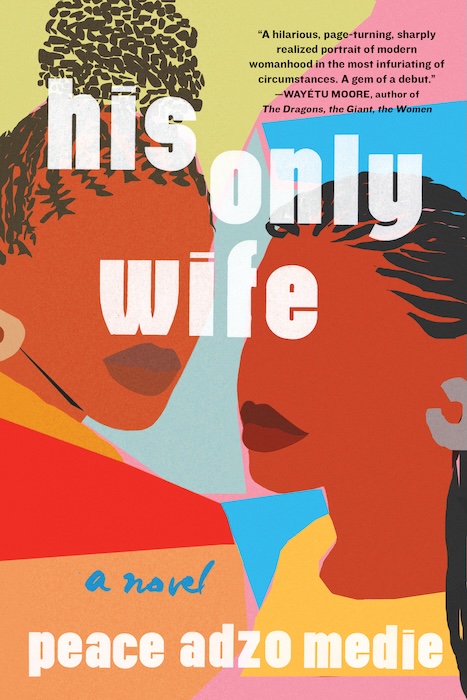
His Only Wife
Set in contemporary Ghana, His Only Wife follows Afi Tekple, a young seamstress from a small town whose life changes when she agrees to marry Elikem Ganyo, a wealthy businessman she barely knows. Encouraged by her mother and Elikem’s influential family, Afi accepts the marriage partly to secure financial stability for her family. However, she soon discovers that her husband is emotionally involved with another woman, and that she has been chosen in the hope that she will change his affections.
After moving to Accra, Ghana’s bustling capital, Afi begins to discover a world of new opportunities, fashion, and independence. As she navigates the expectations placed on her as a wife and daughter, she gradually questions the compromises she has made for others.
With warmth, humour, and social insight, Peace Adzo Medie explores marriage, class, family obligations, and the pressures placed on women. Afi’s journey becomes a story of self-discovery and the courage to define her own future.
Ghana
2020
2
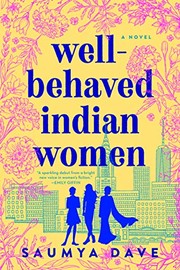
Well-Behaved Indian Women
Well-Behaved Indian Women follows three generations of Indian women as they navigate the expectations of family, culture, and personal ambition. Simran Mehta, a young Indian American woman living in New York, dreams of becoming a writer, but her aspirations conflict with her family’s hopes that she will pursue a more conventional future. Her mother, Nandini, has spent much of her life meeting the expectations placed upon her as a wife and mother, while her grandmother, Bindu, carries memories of a different India and the sacrifices required of women in her generation. As their stories intersect, long-standing tensions emerge around marriage, independence, and what it means to be a good daughter. Dave explores the complexities of cultural identity and intergenerational relationships, showing how women can honour their heritage while questioning traditions that no longer reflect who they want to become.
India
2020
3
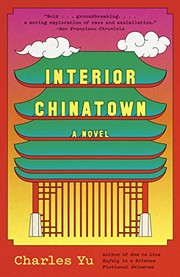
Interior Chinatown
Interior Chinatown follows Willis Wu, a Taiwanese American man living in Los Angeles who dreams of becoming the protagonist of his own story. Instead, he finds himself trapped in stereotypical supporting roles on a television police drama, where Asian American actors are routinely cast as background characters, sidekicks, and criminals. Willis hopes to move beyond his recurring role as Generic Asian Man and eventually achieve the status of Kung Fu Guy, the highest position he believes someone like him can reach.
Presented in the format of a screenplay, complete with stage directions and scenes, the novel blends satire, drama, and social commentary. As Willis pursues his ambitions, he confronts the limitations imposed by racial stereotypes and the expectations of his family and community. His personal journey becomes an exploration of what it means to be seen, to belong, and to define oneself beyond the roles assigned by others.
Through its inventive structure and sharp humour, Yu examines representation, assimilation, generational conflict, and the struggle to claim an authentic identity in a society that often reduces people to familiar caricatures.
United States
2020
4
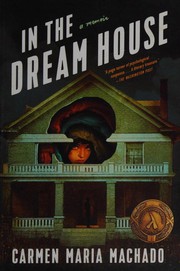
In the Dream House
In In the Dream House, Carmen Maria Machado explores an abusive same-sex relationship through a blend of memoir, cultural criticism, and experimental storytelling. She examines the complexities of love, trauma, and memory while challenging the silence surrounding abuse in LGBTQ+ relationships.
United States
2020
5
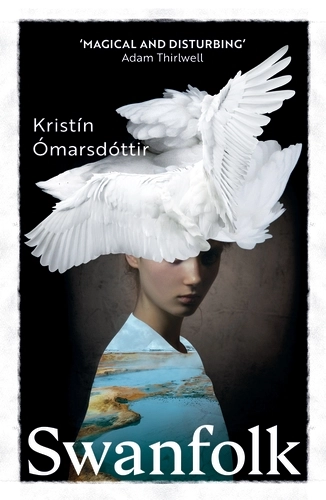
Swanfolk
Set in a strange, unsettling future, Swanfolk follows Elísabet Eva, a young intelligence agent whose life begins to unravel after a traumatic assignment in Paris. Seeking solitude, she takes long walks beside a lake, where she encounters mysterious creatures that are half-woman and half-swan. Fascinated by these beings, she gradually enters their hidden world and becomes entangled in their obsessive, sometimes violent struggle to exist alongside humans. As her involvement deepens, Elísabet begins to question her own perceptions and the reliability of her memories. Blending surrealism, dark fantasy, and psychological fiction, Kristín Ómarsdóttir’s novel explores the fragile boundaries between reality and imagination, belonging and alienation, and the human desire to escape one’s past. Strange, lyrical, and unsettling, Swanfolk uses its mythical creatures to examine the complexities of identity and the difficulty of understanding oneself.
Iceland
2019
6
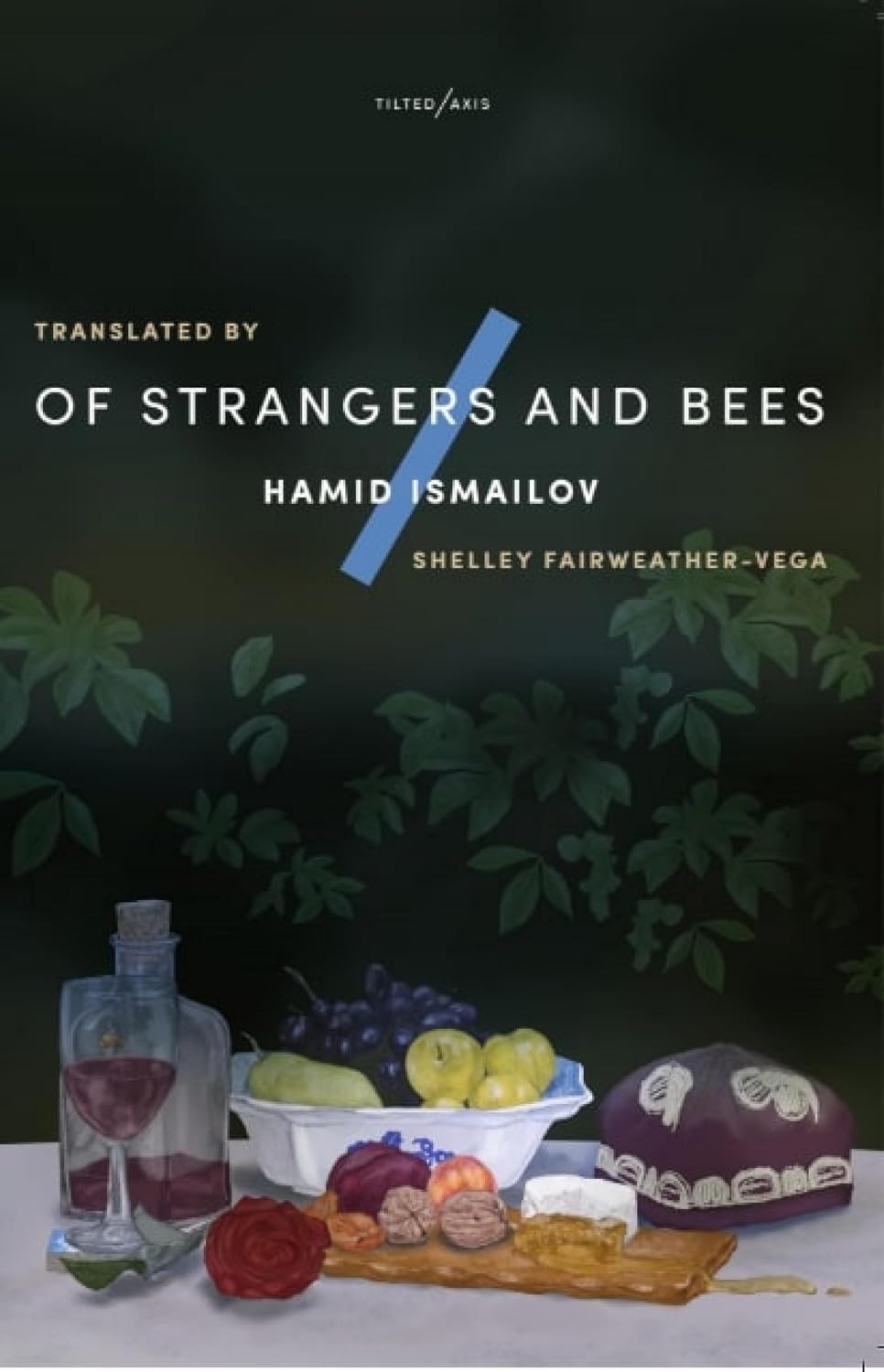
Of Strangers and Bees
In Of Strangers and Bees, Uzbek writer Hamid Ismailov weaves together the experiences of a contemporary exile and the extraordinary life of Avicenna, the celebrated medieval philosopher, physician, and polymath. The novel follows Sheikhov, an Uzbek writer living far from his homeland, who awakens from a troubling dream convinced that Avicenna continues to wander the world in different incarnations. Their journeys echo one another across centuries and cultures, moving through Ottoman Turkey, medieval Germany, and Renaissance Italy.
Blending historical fiction, philosophical reflection, traditional storytelling, and Sufi mysticism, Ismailov explores the meaning of belonging and the loneliness of life in exile. The novel also draws on Hayy ibn Yaqzan, a landmark work of medieval Islamic philosophy concerned with knowledge, reason, and spiritual awakening. Through layered narratives and allegorical episodes, Ismailov considers how people search for truth and wisdom while negotiating the boundaries between cultures, histories, and identities. The result is an imaginative meditation on displacement, intellectual freedom, and the enduring human quest for understanding.
Uzbekistan
2019
7
Three Daughters of Eve
Three Daughters of Eve follows Peri, a wealthy Turkish woman whose apparently comfortable life in Istanbul conceals unresolved questions about faith, identity, and personal responsibility. During a dinner party years after her university studies at Oxford, a photograph unexpectedly brings back memories of her time there in the 1990s. As a student, Peri became involved with a charismatic professor who encouraged his pupils to debate religion and belief. Her friendships with two fellow students—one deeply religious and the other firmly atheist—exposed her to conflicting ideas about spirituality, feminism, and freedom. Their relationships eventually culminated in an incident that Peri has struggled to understand ever since. Shafak explores the tension between faith and doubt, the influence of family and culture, and the difficulty of forming an independent worldview in a politically divided society.
Türkiye
2019
8
The Namesake
The Namesake follows the Ganguli family as they move from Calcutta to the United States in search of a new life. Their son, Gogol, grows up caught between his Bengali heritage and the American culture in which he was raised. Named after the Russian writer Nikolai Gogol for personal reasons connected to his father’s past, he comes to resent the unusual name that distinguishes him from his peers. As he grows older, Gogol struggles with romantic relationships, family expectations, and the challenge of defining himself independently of his parents’ experiences. Following the family’s journey across several decades, Lahiri explores migration, cultural adaptation, and the complicated relationship between parents and children. The novel examines how names, memories, and inherited traditions shape identity, revealing that belonging is rarely a simple choice between two cultures.
India
2019
9
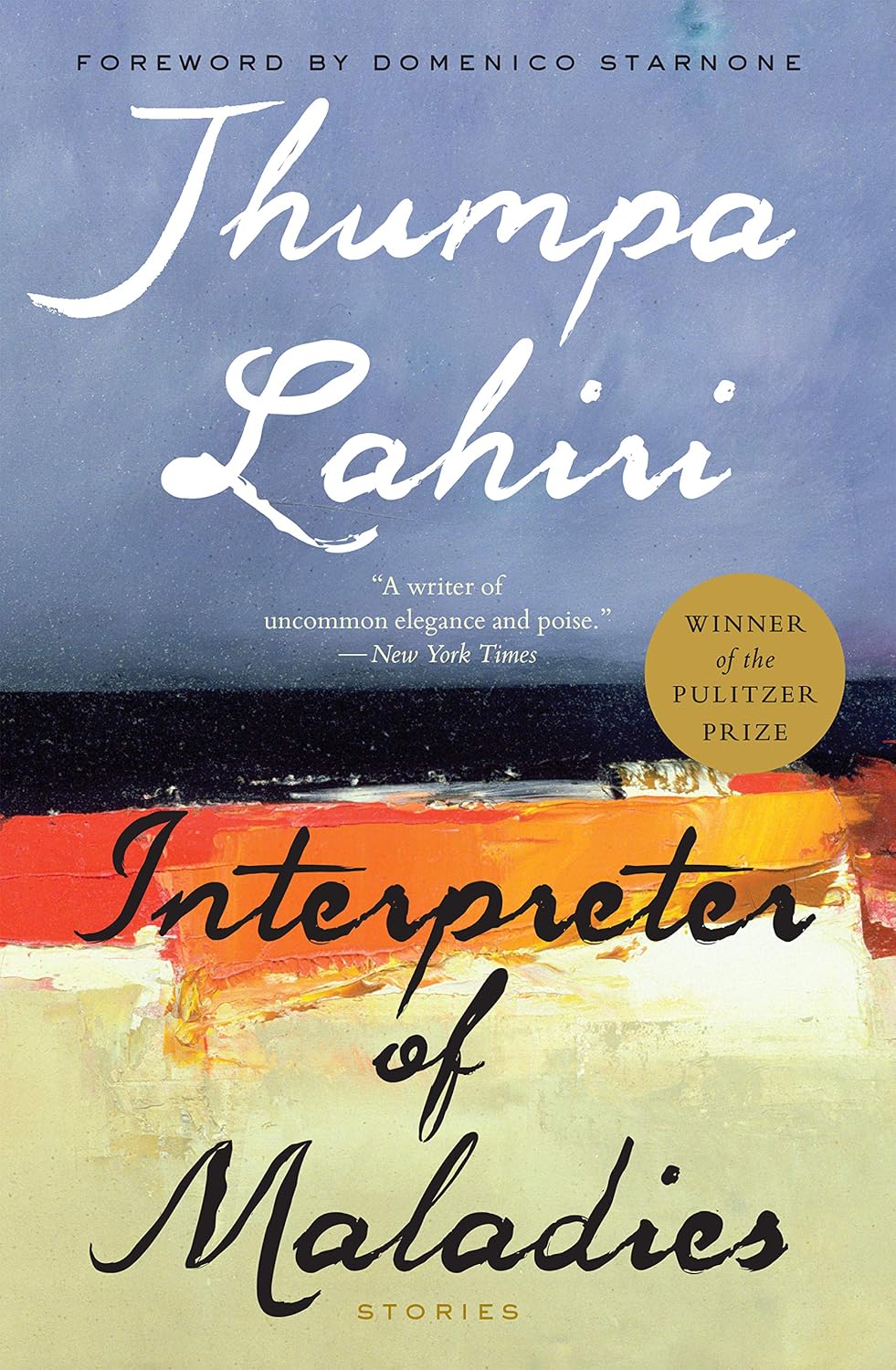
Interpreter of Maladies
Interpreter of Maladies is a collection of nine short stories exploring the lives of Indian and Indian American characters navigating love, cultural displacement, family obligations, and loneliness. In the title story, an Indian tour guide who works as an interpreter for a doctor becomes the confidant of an American woman of Indian origin, whose personal revelations challenge his understanding of intimacy and connection. Other stories portray arranged marriages, strained relationships between parents and children, and the emotional difficulties of living between cultures. Lahiri pays close attention to ordinary moments when misunderstandings, unspoken desires, and private disappointments reveal deeper struggles. Her characters often appear caught between the expectations of their heritage and the realities of their present lives. The collection explores belonging, communication, and the quiet emotional distances that can separate people who seem intimately connected.
India
2019
10
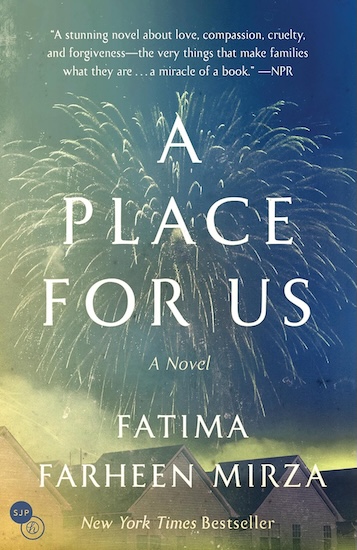
A Place for Us
A Place for Us explores the complicated bonds of an Indian-American Muslim family as its members navigate the tensions between cultural heritage, religious expectations, and personal freedom. The story begins at the wedding of Hadia, the eldest daughter of Rafiq and Layla, whose decision to marry for love rather than tradition reflects her determination to live on her own terms. The occasion also brings home her estranged younger brother, Amar, who returns to the family after three years of separation.
Through shifting perspectives and memories, Mirza gradually reveals the events that fractured the family. Rafiq and Layla emigrated from India to the United States hoping to give their children better opportunities while preserving their cultural and religious traditions. Yet their children’s experiences of growing up between two cultures create tensions that neither generation knows how to resolve. Hadia seeks independence, Huda follows her sister’s example, and Amar struggles with questions of faith, belonging, and his father’s expectations.
With tenderness and psychological insight, Mirza examines how love can coexist with disappointment, how silence can deepen family wounds, and how difficult it can be to understand those closest to us. The novel offers a nuanced portrait of the immigrant experience, exploring the challenge of building an identity that honours one’s heritage without sacrificing individuality. Ultimately, it asks whether a family can find its way back to one another after years of hurt and misunderstanding.
United States
2018
11
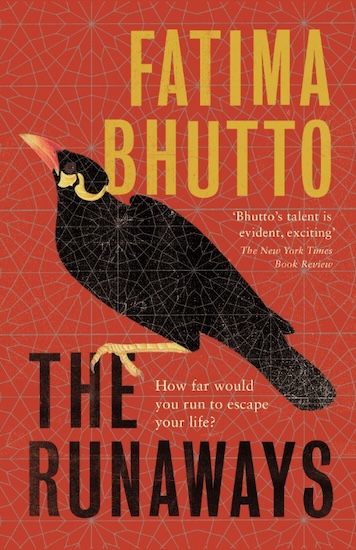
The Runaways
Three young people from vastly different backgrounds find themselves drawn toward radicalism in a world where the promise of belonging can become a dangerous obsession.
Anita Rose grows up in one of Karachi’s poorest neighbourhoods, dreaming of escaping poverty and discovering a world beyond the limits of her circumstances. When an elderly neighbour introduces her to literature and political ideas, she begins imagining a different future for herself. Monty Ahmed, the privileged son of a wealthy Pakistani businessman, has everything money can buy but struggles to find meaning in his comfortable existence. Meanwhile, Sunny Jamil grows up in Portsmouth, England, feeling alienated from both British society and his family’s expectations. When his charismatic cousin Oz returns from Syria, Sunny discovers a sense of purpose that he has long been missing.
As their lives converge, each protagonist is drawn into the orbit of an extremist movement operating across national borders. Their individual searches for identity, love, and belonging lead them toward choices with devastating consequences. Moving between Karachi, London, Portsmouth, and the deserts of Iraq, The Runaways explores youth radicalization, social inequality, cultural alienation, and the powerful human desire to feel part of something larger than oneself.
Pakistan
2018
12
Ædnan: An Epic
Spanning a century of Sámi history, Ædnan tells the story of two Indigenous families whose lives are transformed by colonialism, forced assimilation, and the struggle to preserve their cultural identity. In the early twentieth century, new national borders disrupt traditional reindeer-herding routes, tearing families away from the land and ways of life that have sustained them for generations. Decades later, their descendants confront the consequences of discrimination and cultural erasure, searching for ways to reclaim their language, heritage, and belonging. Written in haunting, lyrical verse, Axelsson’s epic weaves together intimate family memories and the broader history of a people whose existence has been threatened but never extinguished. The title, Ædnan, means land or earth in Northern Sámi, reflecting the profound connection between territory, ancestry, and identity. This is a powerful story of dispossession, resistance, and the enduring bond between a people and their homeland.
Sweden
2018
About this theme
- Books
- 196
- Countries
- 72
Countries with this theme
Afghanistan
Asia
Albania
Europe
Algeria
Africa
Argentina
South America
Azerbaijan
Asia
Barbados
North America
Belgium
Europe
Bosnia and Herzegovina
Europe
Botswana
Africa
Brazil
South America
Brunei
Asia
Bulgaria
Europe
Canada
North America
Chile
South America
China
Asia
Congo, Democratic Republic
Africa
Croatia
Europe
Cuba
North America
Cyprus
Asia
Czech Republic
Europe
Denmark
Europe
Djibouti
Africa
Dominica
North America
Dominican Republic
North America
Ecuador
South America
Egypt
Africa
France
Europe
Germany
Europe
Ghana
Africa
Greece
Europe
Guatemala
North America
Iceland
Europe
India
Asia
Indonesia
Asia
Iran
Asia
Ireland
Europe
Italy
Europe
Jamaica
North America
Japan
Asia
Kazakhstan
Asia
Kenya
Africa
Kuwait
Asia
Kyrgyzstan
Asia
Lebanon
Asia
Libya
Africa
Luxembourg
Europe
Mexico
North America
Morocco
Africa
Netherlands
Europe
New Zealand
Oceania
Nigeria
Africa
North Macedonia
Europe
Norway
Europe
Pakistan
Asia
Palestine
Asia
Panama
North America
Russia
Europe
Rwanda
Africa
Singapore
Asia
Slovenia
Europe
Somalia
Africa
South Korea
Asia
Sudan
Africa
Sweden
Europe
Taiwan
Asia
Tanzania
Africa
Türkiye
Asia
Ukraine
Europe
United Kingdom
Europe
United States
North America
Uzbekistan
Asia
Zimbabwe
Africa