Identity & Belonging
Explorations of self, belonging, and what it means to find your place.
All countries
Afghanistan
Albania
Algeria
Argentina
Azerbaijan
Barbados
Belgium
Bosnia and Herzegovina
Botswana
Brazil
Brunei
Bulgaria
Canada
Chile
China
Congo, Democratic Republic
Croatia
Cuba
Cyprus
Czech Republic
Denmark
Djibouti
Dominica
Dominican Republic
Ecuador
Egypt
France
Germany
Ghana
Greece
Guatemala
Iceland
India
Indonesia
Iran
Ireland
Italy
Jamaica
Japan
Kazakhstan
Kenya
Kuwait
Kyrgyzstan
Lebanon
Libya
Luxembourg
Mexico
Morocco
Netherlands
New Zealand
Nigeria
North Macedonia
Norway
Pakistan
Palestine
Panama
Russia
Rwanda
Singapore
Slovenia
Somalia
South Korea
Sudan
Sweden
Taiwan
Tanzania
Türkiye
Ukraine
United Kingdom
United States
Uzbekistan
Zimbabwe
1

Near to the Wild Heart
Near to the Wild Heart follows Joana, a young woman whose intense inner life sets her apart from the people around her. From childhood into adulthood, Joana struggles to understand herself and her place in a world shaped by social conventions, marriage, and expectations of femininity. Observant, independent, and often restless, she questions the rules that govern relationships and the assumptions society makes about how women should live.
Rather than following a conventional plot, Clarice Lispector explores Joana’s consciousness through shifting memories, introspection, and poetic reflections. Her thoughts move between childhood experiences, her complicated marriage, and her desire for a freedom that cannot easily be defined. The novel examines the tension between individuality and conformity, exploring how identity emerges through solitude, desire, and self-examination. Celebrated for its experimental style and psychological depth, Lispector’s debut novel marked the arrival of a distinctive voice in Brazilian literature, one deeply concerned with the mysteries and contradictions of human existence.
Brazil
1943
2
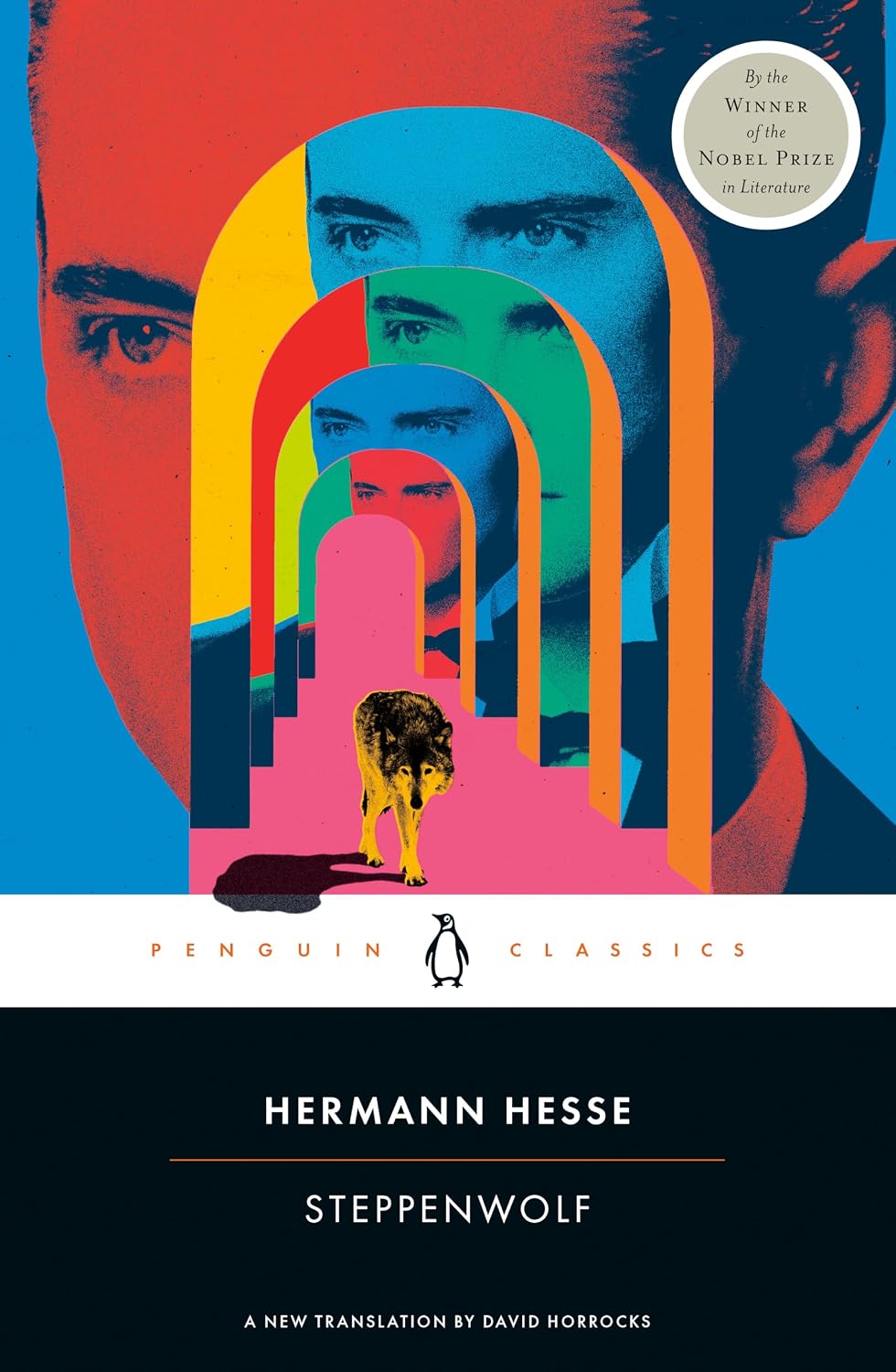
Steppenwolf
Steppenwolf follows Harry Haller, a middle-aged intellectual who feels profoundly alienated from bourgeois society and believes himself divided between two opposing natures: the civilised human being and the solitary wolf. Disillusioned with conventional life, Harry becomes increasingly withdrawn and struggles with thoughts of despair. His encounter with Hermine, a lively and unconventional woman, introduces him to new experiences, including music, dancing, and forms of pleasure he has long rejected. Through these encounters, he begins to question his rigid understanding of identity and the assumption that human beings can be divided into simple opposing parts. Hesse blends psychological exploration with surreal and philosophical episodes to examine loneliness, social conformity, and the possibility of personal transformation. The novel asks whether people can learn to embrace the contradictions within themselves rather than remain imprisoned by a fixed image of who they are.
Germany
1927
3

The Metamorphosis
The Metamorphosis follows Gregor Samsa, a travelling salesman who wakes one morning to discover that he has transformed into a gigantic insect. Unable to continue working or communicate normally with his family, Gregor becomes increasingly isolated inside his bedroom. Initially, his family attempts to accommodate his strange condition, but their sympathy gradually gives way to fear, resentment, and exhaustion. As Gregor loses his ability to participate in ordinary life, the family must confront the financial and emotional consequences of his transformation. Kafka combines the fantastic with the mundane to examine alienation, family obligation, and the relationship between personal worth and economic productivity. Gregor’s physical transformation exposes the conditional nature of familial affection and the cruelty of a society that values people primarily for their usefulness. The novella explores the fragility of identity and the devastating consequences of being treated as an outsider.
Czech Republic
1915
4
Crime and Punishment
Set in the impoverished streets of nineteenth-century St. Petersburg, Crime and Punishment follows Rodion Raskolnikov, a former student who develops a theory that extraordinary individuals may be entitled to transgress moral laws for a greater purpose. Driven by poverty, pride, and his desire to prove his own superiority, he commits a brutal double murder. However, rather than achieving the freedom he imagined, Raskolnikov becomes consumed by guilt, paranoia, and psychological torment. As he struggles to conceal his crime, he encounters people who challenge his worldview, particularly Sonya Marmeladova, a young woman whose faith and compassion offer him a possible path toward redemption. Through intense psychological exploration, Dostoevsky examines morality, free will, suffering, and the conflict between intellectual justification and human conscience. The novel asks whether anyone can rise above ordinary moral obligations and explores how confronting one’s own humanity may be the first step toward transformation.
Russia
1866
About this theme
- Books
- 196
- Countries
- 72
Countries with this theme
Afghanistan
Asia
Albania
Europe
Algeria
Africa
Argentina
South America
Azerbaijan
Asia
Barbados
North America
Belgium
Europe
Bosnia and Herzegovina
Europe
Botswana
Africa
Brazil
South America
Brunei
Asia
Bulgaria
Europe
Canada
North America
Chile
South America
China
Asia
Congo, Democratic Republic
Africa
Croatia
Europe
Cuba
North America
Cyprus
Asia
Czech Republic
Europe
Denmark
Europe
Djibouti
Africa
Dominica
North America
Dominican Republic
North America
Ecuador
South America
Egypt
Africa
France
Europe
Germany
Europe
Ghana
Africa
Greece
Europe
Guatemala
North America
Iceland
Europe
India
Asia
Indonesia
Asia
Iran
Asia
Ireland
Europe
Italy
Europe
Jamaica
North America
Japan
Asia
Kazakhstan
Asia
Kenya
Africa
Kuwait
Asia
Kyrgyzstan
Asia
Lebanon
Asia
Libya
Africa
Luxembourg
Europe
Mexico
North America
Morocco
Africa
Netherlands
Europe
New Zealand
Oceania
Nigeria
Africa
North Macedonia
Europe
Norway
Europe
Pakistan
Asia
Palestine
Asia
Panama
North America
Russia
Europe
Rwanda
Africa
Singapore
Asia
Slovenia
Europe
Somalia
Africa
South Korea
Asia
Sudan
Africa
Sweden
Europe
Taiwan
Asia
Tanzania
Africa
Türkiye
Asia
Ukraine
Europe
United Kingdom
Europe
United States
North America
Uzbekistan
Asia
Zimbabwe
Africa