Identity & Belonging
Explorations of self, belonging, and what it means to find your place.
All countries
Afghanistan
Albania
Algeria
Argentina
Azerbaijan
Barbados
Belgium
Bosnia and Herzegovina
Botswana
Brazil
Brunei
Bulgaria
Canada
Chile
China
Congo, Democratic Republic
Croatia
Cuba
Cyprus
Czech Republic
Denmark
Djibouti
Dominica
Dominican Republic
Ecuador
Egypt
France
Germany
Ghana
Greece
Guatemala
Iceland
India
Indonesia
Iran
Ireland
Italy
Jamaica
Japan
Kazakhstan
Kenya
Kuwait
Kyrgyzstan
Lebanon
Libya
Luxembourg
Mexico
Morocco
Netherlands
New Zealand
Nigeria
North Macedonia
Norway
Pakistan
Palestine
Panama
Russia
Rwanda
Singapore
Slovenia
Somalia
South Korea
Sudan
Sweden
Taiwan
Tanzania
Türkiye
Ukraine
United Kingdom
United States
Uzbekistan
Zimbabwe
1
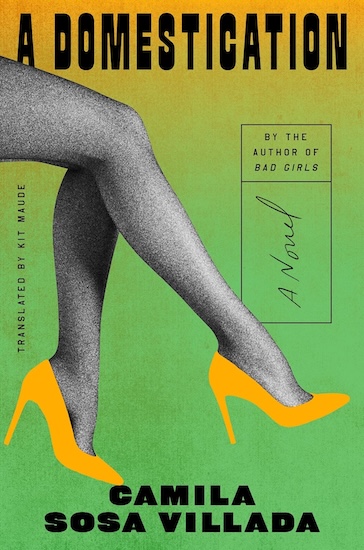
A Domestication
A celebrated trans actress has everything she once dreamed of: a successful career, a wealthy lawyer husband, a beautiful home, and an adopted son she fiercely loves. Yet beneath the polished surface of domestic happiness, she feels trapped between the freedom she has fought for and the expectations of conventional family life. When a visit to her rural hometown forces her to confront the prejudice and pain of her past, the life she has carefully constructed begins to fracture. Provocative, darkly funny, and emotionally raw, A Domestication explores desire, gender, class, and the uneasy price of belonging.
Argentina
2027
2
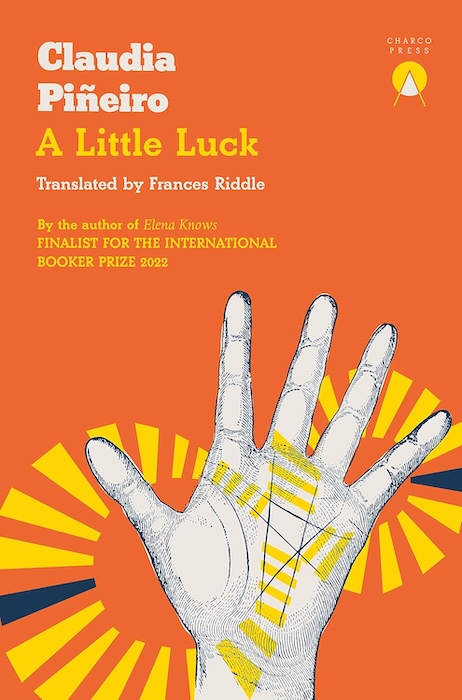
A Little Luck
A Little Luck follows Mary Lohan, a woman who returns to the Buenos Aires suburb she left twenty years earlier after a traumatic accident transformed her life. She has built a new identity far from the place where the tragedy occurred, changing not only her name but also her appearance and the way she relates to the world. Returning home forces her to confront memories she has tried to suppress and people whose lives remain connected to her past. As old secrets begin to surface, Mary must reconsider the choices that shaped her life and the guilt she has carried for decades. Piñeiro explores the fragile boundary between reinvention and denial, asking whether it is possible to escape the past or whether genuine freedom requires facing the truth about oneself.
Argentina
2015
3
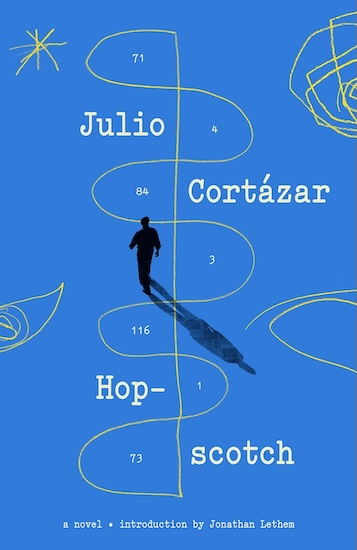
Hopscotch
Hopscotch follows Horacio Oliveira, an Argentine intellectual living in Paris who struggles to find meaning in relationships, art, and everyday existence. His complicated relationship with La Maga, a young Uruguayan woman, forms the emotional centre of a novel that resists conventional storytelling. Cortázar offers readers different ways to navigate the chapters, allowing the narrative to unfold in alternative sequences and challenging the traditional relationship between author and audience. As Oliveira returns to Argentina, his search for understanding becomes increasingly entangled with alienation and uncertainty. The novel explores the limitations of rational thought, the instability of identity, and the desire to discover a deeper reality beneath ordinary experience. Its experimental structure reflects a central question: whether a different way of reading might lead to a different way of living.
Argentina
1963
4
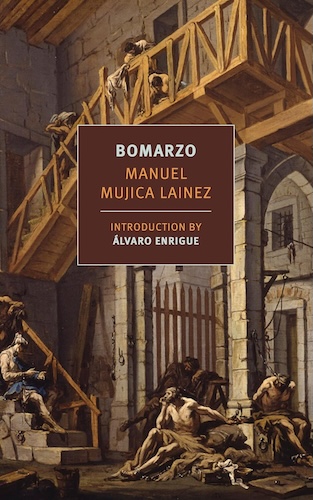
Bomarzo
Set in Renaissance Italy, Bomarzo tells the story of Pier Francesco Orsini, a physically deformed nobleman who becomes the Duke of Bomarzo. Intelligent, sensitive, and deeply conscious of his appearance, he grows up surrounded by cruelty, political intrigue, and family rivalries. Determined to overcome his vulnerabilities and secure his place in a world obsessed with power and beauty, he navigates the dangerous world of Renaissance aristocracy. Narrated from beyond the grave, his story blends historical events with fantasy, philosophical reflection, and dark humor. Through Orsini’s life and his creation of the extraordinary Garden of Monsters, Manuel Mujica Lainez explores mortality, ambition, identity, and humanity’s enduring desire to defy death.
Argentina
1962
5
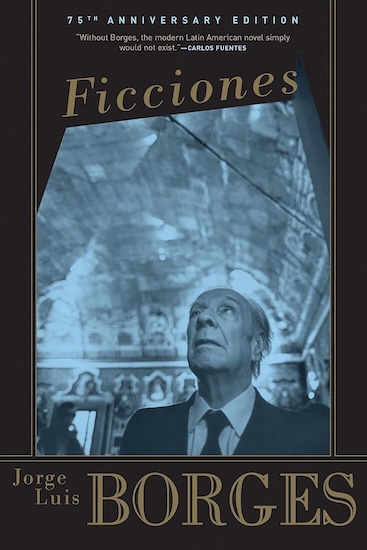
Ficciones
Ficciones is a collection of short stories that transforms philosophical questions into intricate literary puzzles. Across its imagined libraries, fictional encyclopedias, labyrinths, and mysterious texts, Borges explores the nature of reality, time, memory, and human knowledge. In stories such as “The Garden of Forking Paths” and “The Library of Babel,” ordinary concepts become extraordinary intellectual landscapes in which infinite possibilities and impossible structures challenge the reader’s understanding of the universe. Blending detective fiction, fantasy, philosophy, and literary criticism, Borges repeatedly blurs the boundaries between reality and invention. The collection invites readers to question whether the world can ever be fully understood or whether every explanation simply opens the door to another mystery.
Argentina
1944
About this theme
- Books
- 5
- Countries
- 72
Countries with this theme
Afghanistan
Asia
Albania
Europe
Algeria
Africa
Argentina
South America
Azerbaijan
Asia
Barbados
North America
Belgium
Europe
Bosnia and Herzegovina
Europe
Botswana
Africa
Brazil
South America
Brunei
Asia
Bulgaria
Europe
Canada
North America
Chile
South America
China
Asia
Congo, Democratic Republic
Africa
Croatia
Europe
Cuba
North America
Cyprus
Asia
Czech Republic
Europe
Denmark
Europe
Djibouti
Africa
Dominica
North America
Dominican Republic
North America
Ecuador
South America
Egypt
Africa
France
Europe
Germany
Europe
Ghana
Africa
Greece
Europe
Guatemala
North America
Iceland
Europe
India
Asia
Indonesia
Asia
Iran
Asia
Ireland
Europe
Italy
Europe
Jamaica
North America
Japan
Asia
Kazakhstan
Asia
Kenya
Africa
Kuwait
Asia
Kyrgyzstan
Asia
Lebanon
Asia
Libya
Africa
Luxembourg
Europe
Mexico
North America
Morocco
Africa
Netherlands
Europe
New Zealand
Oceania
Nigeria
Africa
North Macedonia
Europe
Norway
Europe
Pakistan
Asia
Palestine
Asia
Panama
North America
Russia
Europe
Rwanda
Africa
Singapore
Asia
Slovenia
Europe
Somalia
Africa
South Korea
Asia
Sudan
Africa
Sweden
Europe
Taiwan
Asia
Tanzania
Africa
Türkiye
Asia
Ukraine
Europe
United Kingdom
Europe
United States
North America
Uzbekistan
Asia
Zimbabwe
Africa