Identity & Belonging
Explorations of self, belonging, and what it means to find your place.
All countries
Afghanistan
Albania
Algeria
Argentina
Azerbaijan
Barbados
Belgium
Bosnia and Herzegovina
Botswana
Brazil
Brunei
Bulgaria
Canada
Chile
China
Congo, Democratic Republic
Croatia
Cuba
Cyprus
Czech Republic
Denmark
Djibouti
Dominica
Dominican Republic
Ecuador
Egypt
France
Germany
Ghana
Greece
Guatemala
Iceland
India
Indonesia
Iran
Ireland
Italy
Jamaica
Japan
Kazakhstan
Kenya
Kuwait
Kyrgyzstan
Lebanon
Libya
Luxembourg
Mexico
Morocco
Netherlands
New Zealand
Nigeria
North Macedonia
Norway
Pakistan
Palestine
Panama
Russia
Rwanda
Singapore
Slovenia
Somalia
South Korea
Sudan
Sweden
Taiwan
Tanzania
Türkiye
Ukraine
United Kingdom
United States
Uzbekistan
Zimbabwe
1
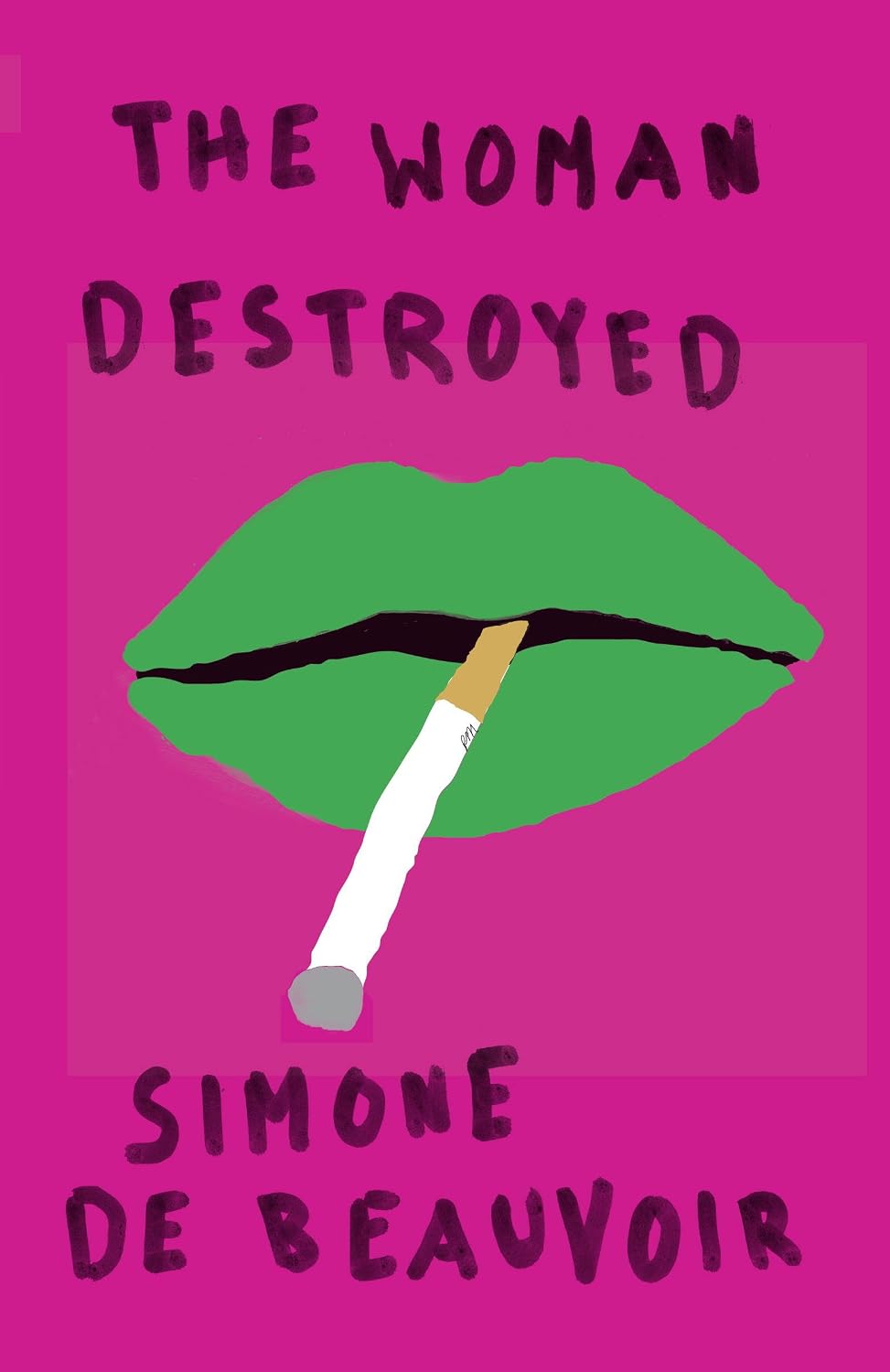
The Woman Destroyed
The Woman Destroyed is a collection of three novellas exploring the emotional crises of women confronting ageing, betrayal, and the collapse of the lives they have built around others. In the title story, Monique, a middle-aged wife and mother, struggles to cope when her husband reveals his infidelity, forcing her to question her marriage and her own sense of self. The other stories portray women facing disillusionment, professional frustration, and the painful realization that their expectations have not matched reality. Through intimate diaries and first-person narratives, Simone de Beauvoir examines the ways women can lose their identities by defining themselves through their relationships, families, and social roles. The collection offers a powerful reflection on independence, self-deception, and the difficult process of rebuilding a life when familiar certainties disappear.
France
1967
2
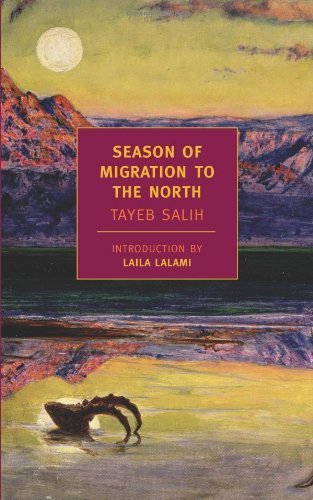
Season of Migration to the North
Season of Migration to the North follows an unnamed Sudanese narrator who returns to his village beside the Nile after studying in England. Hoping to resume a familiar life, he becomes intrigued by Mustafa Sa’eed, a mysterious newcomer whose intelligence and European education conceal a disturbing past. As the narrator gradually uncovers Mustafa’s history, he learns about the man’s experiences in colonial London, where his relationships with European women became entangled with questions of power, desire, and cultural identity.
Through the parallel lives of these two men, Tayeb Salih examines the psychological consequences of colonialism and the complicated relationship between Africa and Europe. The novel challenges simplistic divisions between coloniser and colonised, revealing how both cultures can shape and unsettle individual identities. Set against the traditions of a Sudanese village undergoing social change, the story also explores masculinity, gender, and the tension between inherited values and modern influences. Provocative and psychologically complex, the novel asks whether returning home can ever resolve the conflicts created by migration and cultural displacement.
Sudan
1966
3
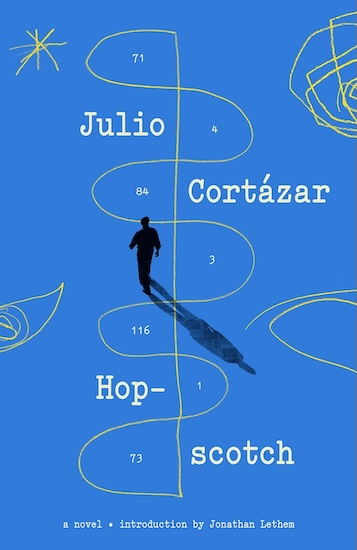
Hopscotch
Hopscotch follows Horacio Oliveira, an Argentine intellectual living in Paris who struggles to find meaning in relationships, art, and everyday existence. His complicated relationship with La Maga, a young Uruguayan woman, forms the emotional centre of a novel that resists conventional storytelling. Cortázar offers readers different ways to navigate the chapters, allowing the narrative to unfold in alternative sequences and challenging the traditional relationship between author and audience. As Oliveira returns to Argentina, his search for understanding becomes increasingly entangled with alienation and uncertainty. The novel explores the limitations of rational thought, the instability of identity, and the desire to discover a deeper reality beneath ordinary experience. Its experimental structure reflects a central question: whether a different way of reading might lead to a different way of living.
Argentina
1963
4
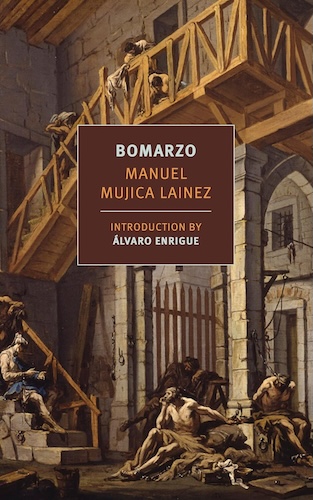
Bomarzo
Set in Renaissance Italy, Bomarzo tells the story of Pier Francesco Orsini, a physically deformed nobleman who becomes the Duke of Bomarzo. Intelligent, sensitive, and deeply conscious of his appearance, he grows up surrounded by cruelty, political intrigue, and family rivalries. Determined to overcome his vulnerabilities and secure his place in a world obsessed with power and beauty, he navigates the dangerous world of Renaissance aristocracy. Narrated from beyond the grave, his story blends historical events with fantasy, philosophical reflection, and dark humor. Through Orsini’s life and his creation of the extraordinary Garden of Monsters, Manuel Mujica Lainez explores mortality, ambition, identity, and humanity’s enduring desire to defy death.
Argentina
1962
5
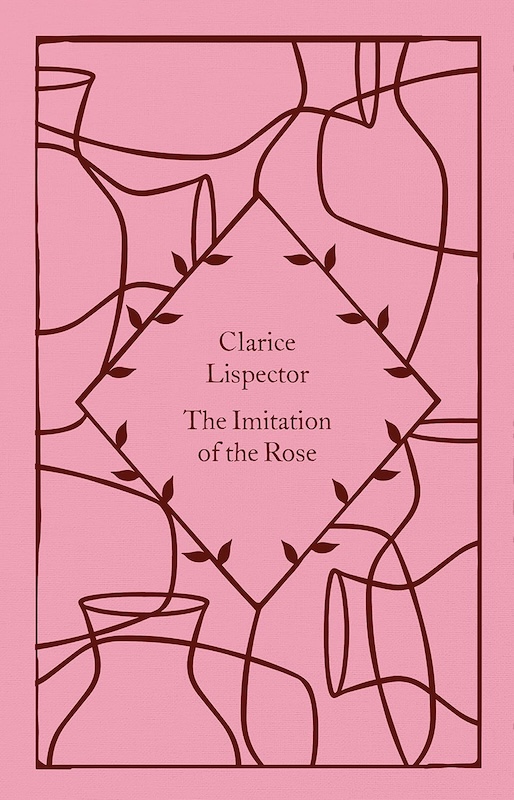
Imitation of the Rose
The Imitation of the Rose is a short story about Laura, a woman recently recovered from a period of mental illness who is preparing for an ordinary evening out with her husband. Determined to return to a stable, socially acceptable life, she carefully follows her daily routines and tries to keep her thoughts under control. When she encounters a bouquet of beautiful roses, however, their perfection unsettles her. Unable to resist their beauty, she decides to send the flowers to a friend, setting in motion an intense internal struggle between her desire for order and the emotions she has tried to suppress.
Through Laura’s seemingly insignificant decision, Clarice Lispector examines the fragility of mental stability and the pressures placed on women to conform to domestic expectations. The roses become a symbol of beauty, desire, and the unsettling possibility of losing control. With its close attention to the protagonist’s inner world, the story reveals how an apparently ordinary moment can expose the tensions beneath a carefully constructed life.
Brazil
1960
6
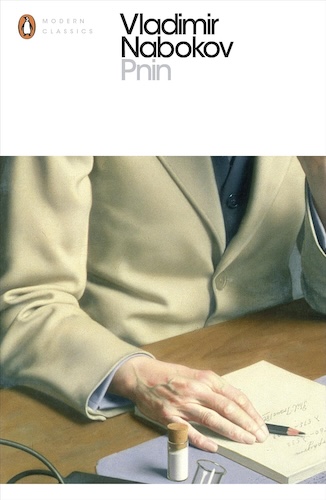
Pnin
Timofey Pnin, a Russian émigré teaching at an American college, struggles with an unfamiliar language, bewildering social customs, and the small humiliations of everyday life. Beneath his comic misadventures lies a tender portrait of exile, loneliness, and the fragile dignity of an outsider trying to find a place to belong. Both funny and quietly heartbreaking, Pnin reveals the melancholy behind the absurdities of a life lived between worlds.
United States
1957
7
Wide Sargasso Sea
Wide Sargasso Sea reimagines the life of Bertha Mason, the mysterious first wife of Mr Rochester in Charlotte Brontë’s Jane Eyre. Growing up in post-emancipation Jamaica, Antoinette Cosway belongs to a formerly wealthy white Creole family whose social position has become increasingly precarious. Her marriage to an Englishman initially promises security, but cultural misunderstanding, financial interests, and emotional manipulation gradually destroy their relationship. As Antoinette’s husband renames her and questions her sanity, she becomes increasingly alienated from herself and the world around her. Rhys explores colonialism, racial tensions, gender inequality, and the power of men to define women’s identities. By giving a voice to a character marginalised in a canonical English novel, she challenges established literary narratives and examines the devastating consequences of isolation and domination.
Dominica
1956
8
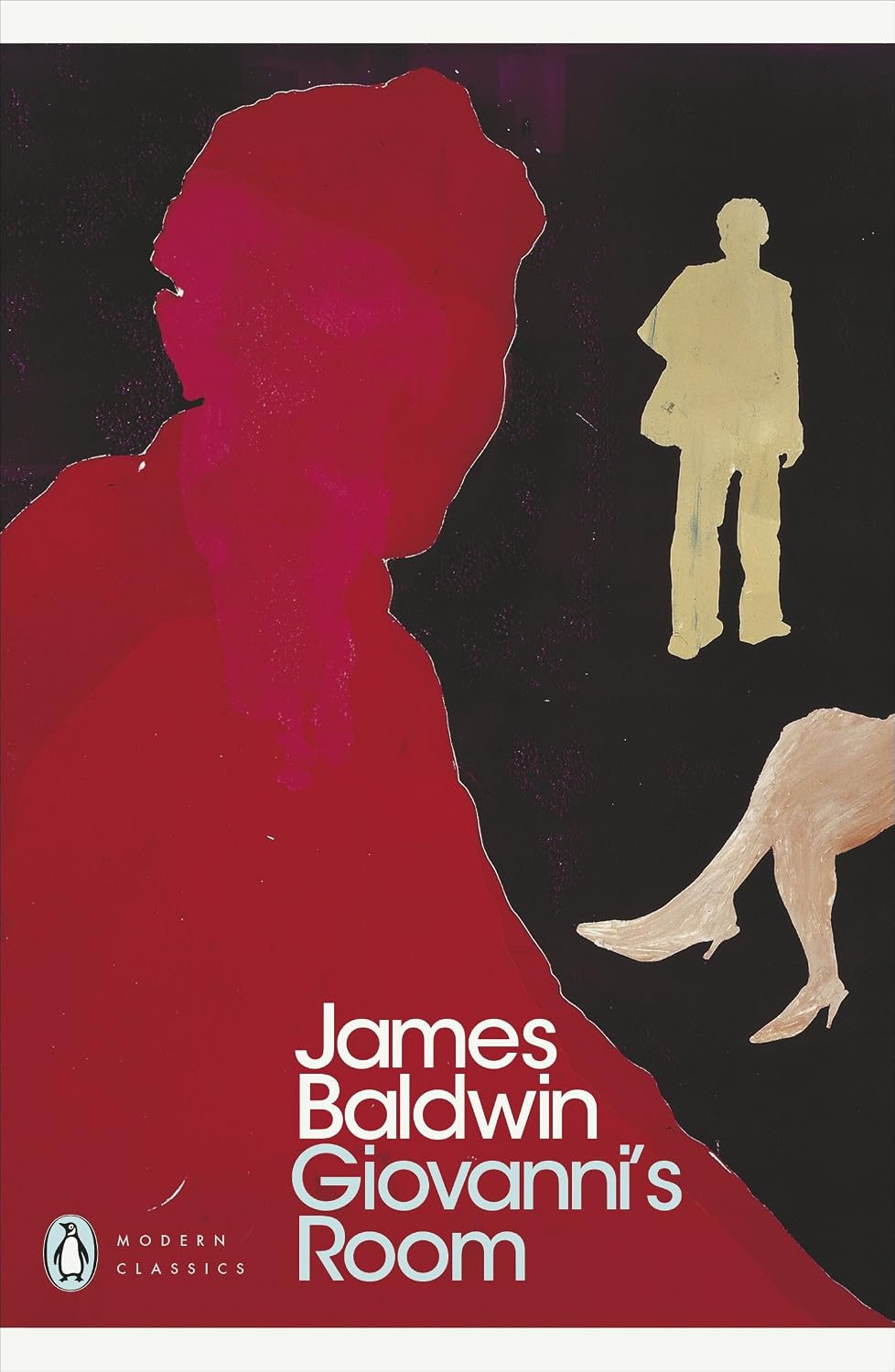
Giovanni's Room
Set primarily in Paris, Giovanni’s Room follows David, an American man struggling with his sexuality, his sense of masculinity, and his expectations for the future. While his fiancée is away, David begins a passionate relationship with Giovanni, an Italian bartender living in a small Parisian room. Unable to reconcile his feelings with the identity he believes society expects him to maintain, David becomes increasingly divided between desire and denial. Their relationship unfolds against a backdrop of isolation, shame, and emotional dependency. Baldwin explores the destructive consequences of refusing to acknowledge one’s own truth, examining how social expectations can shape intimate relationships. The novel is a powerful meditation on love, self-deception, and the courage required to accept oneself.
United States
1956
9
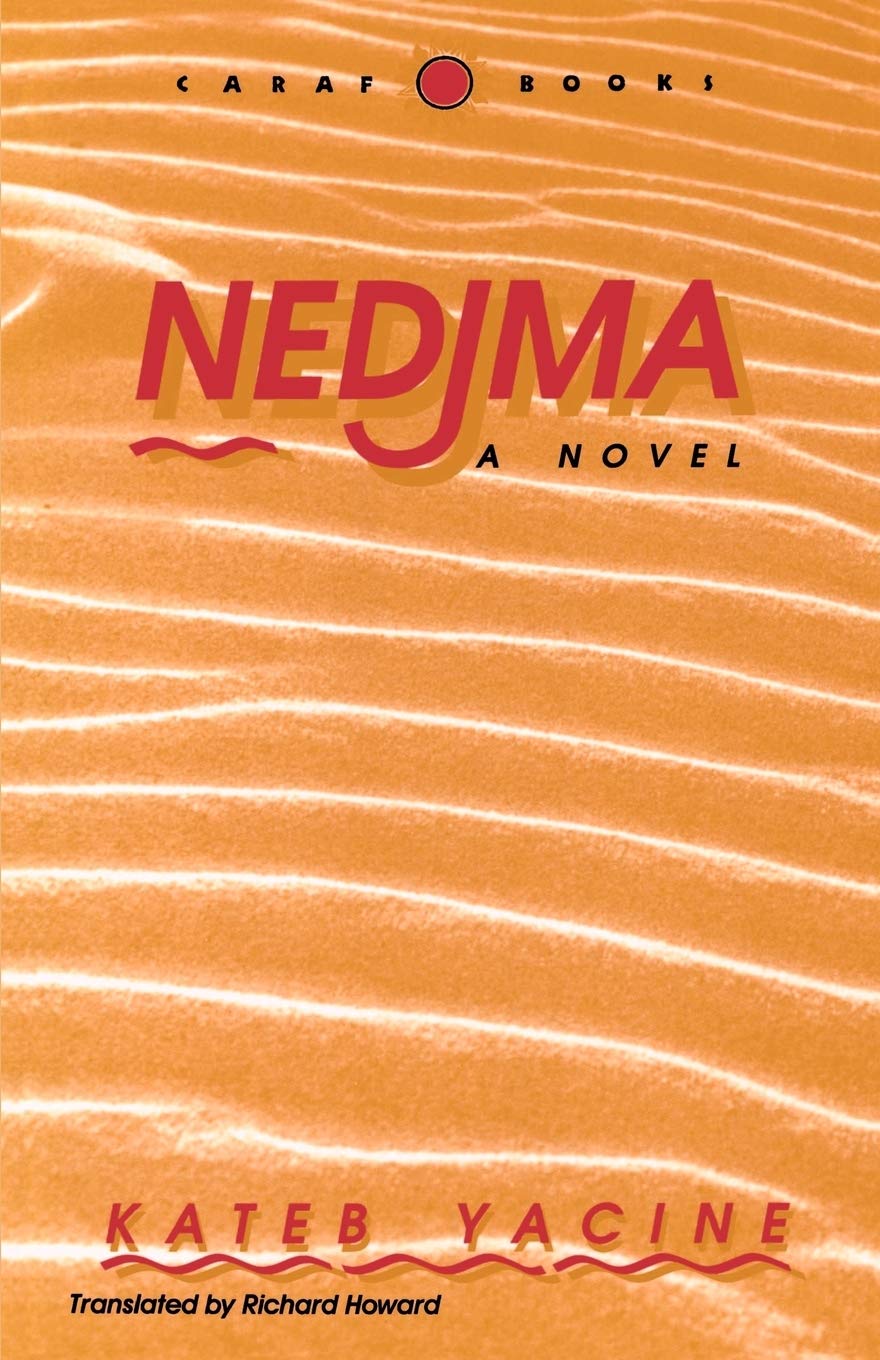
Nedjma
Nedjma follows four young Algerian men—Lakhdar, Mustapha, Mourad, and Rachid—whose lives become intertwined through friendship, desire, and their shared experience of growing up under French colonial rule. At the centre of their stories is Nedjma, a mysterious and captivating woman whose identity and origins reflect the complex history of Algeria itself. Each man is drawn to her, but she remains elusive, embodying both personal longing and a deeper attachment to a homeland whose past has been shaped by conquest and cultural displacement.
Rather than following a linear narrative, Kateb Yacine moves between memories, shifting perspectives, and fragmented episodes, mirroring the instability of a society struggling to define itself. Family histories, colonial violence, and personal relationships intertwine as the characters search for meaning and belonging. Through this experimental structure, the novel explores national identity, memory, resistance, and the psychological consequences of colonialism. Widely regarded as a landmark of modern Algerian literature, Nedjma captures the uncertainty and urgency of a generation searching for its place in a changing world.
Algeria
1956
10
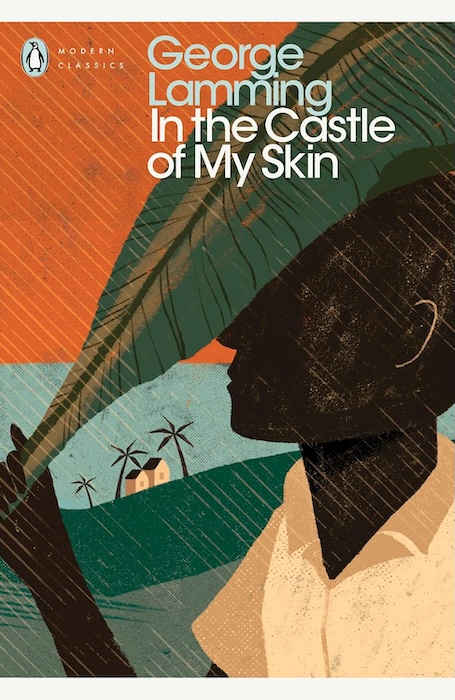
In the Castle of My Skin
In the Castle of My Skin follows G., a boy growing up in a Barbadian village during the final years of British colonial rule. Through his experiences at home, at school, and within his community, the novel explores how colonialism shapes the identities and aspirations of ordinary people. As G. approaches adulthood, he witnesses changes in the village’s social structure, including the decline of traditional authority and the growing desire for political independence. Lamming combines autobiographical elements with lyrical storytelling to examine the relationship between personal development and national transformation. The village becomes a miniature representation of a society struggling to understand its past and imagine its future. The novel reflects on education, class, belonging, and the psychological consequences of colonial domination.
Barbados
1953
11
Moon and the Bonfires
The Moon and the Bonfires follows Anguilla, a man who returns to the rural village in northern Italy where he grew up after spending years abroad, including a period in America. Born into poverty and raised by foster parents, he left his homeland in search of a better life. Now successful but unsettled, he hopes to reconnect with his past and understand the forces that shaped his identity.
As Anguilla revisits familiar landscapes and reconnects with his childhood friend Nuto, memories of his youth mingle with the painful realities of wartime Italy. The countryside he remembers has been transformed by poverty, political violence, and the consequences of the Resistance. Through these encounters, Cesare Pavese explores belonging, exile, memory, and the impossibility of truly returning home. The title refers to rural rituals associated with the changing seasons, evoking a world where ancient traditions coexist with modern upheaval. Both a personal quest and a reflection on Italy’s troubled history, the novel asks whether a person can ever recover the place they once called home.
Italy
1950
12
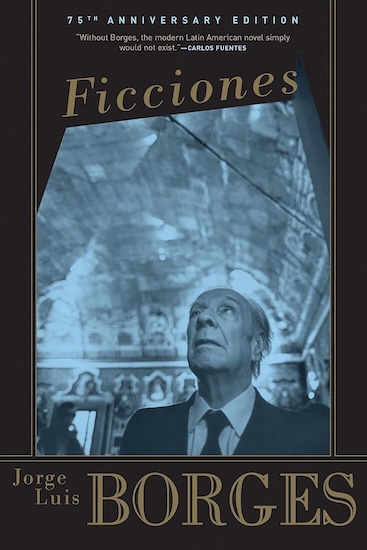
Ficciones
Ficciones is a collection of short stories that transforms philosophical questions into intricate literary puzzles. Across its imagined libraries, fictional encyclopedias, labyrinths, and mysterious texts, Borges explores the nature of reality, time, memory, and human knowledge. In stories such as “The Garden of Forking Paths” and “The Library of Babel,” ordinary concepts become extraordinary intellectual landscapes in which infinite possibilities and impossible structures challenge the reader’s understanding of the universe. Blending detective fiction, fantasy, philosophy, and literary criticism, Borges repeatedly blurs the boundaries between reality and invention. The collection invites readers to question whether the world can ever be fully understood or whether every explanation simply opens the door to another mystery.
Argentina
1944
About this theme
- Books
- 196
- Countries
- 72
Countries with this theme
Afghanistan
Asia
Albania
Europe
Algeria
Africa
Argentina
South America
Azerbaijan
Asia
Barbados
North America
Belgium
Europe
Bosnia and Herzegovina
Europe
Botswana
Africa
Brazil
South America
Brunei
Asia
Bulgaria
Europe
Canada
North America
Chile
South America
China
Asia
Congo, Democratic Republic
Africa
Croatia
Europe
Cuba
North America
Cyprus
Asia
Czech Republic
Europe
Denmark
Europe
Djibouti
Africa
Dominica
North America
Dominican Republic
North America
Ecuador
South America
Egypt
Africa
France
Europe
Germany
Europe
Ghana
Africa
Greece
Europe
Guatemala
North America
Iceland
Europe
India
Asia
Indonesia
Asia
Iran
Asia
Ireland
Europe
Italy
Europe
Jamaica
North America
Japan
Asia
Kazakhstan
Asia
Kenya
Africa
Kuwait
Asia
Kyrgyzstan
Asia
Lebanon
Asia
Libya
Africa
Luxembourg
Europe
Mexico
North America
Morocco
Africa
Netherlands
Europe
New Zealand
Oceania
Nigeria
Africa
North Macedonia
Europe
Norway
Europe
Pakistan
Asia
Palestine
Asia
Panama
North America
Russia
Europe
Rwanda
Africa
Singapore
Asia
Slovenia
Europe
Somalia
Africa
South Korea
Asia
Sudan
Africa
Sweden
Europe
Taiwan
Asia
Tanzania
Africa
Türkiye
Asia
Ukraine
Europe
United Kingdom
Europe
United States
North America
Uzbekistan
Asia
Zimbabwe
Africa