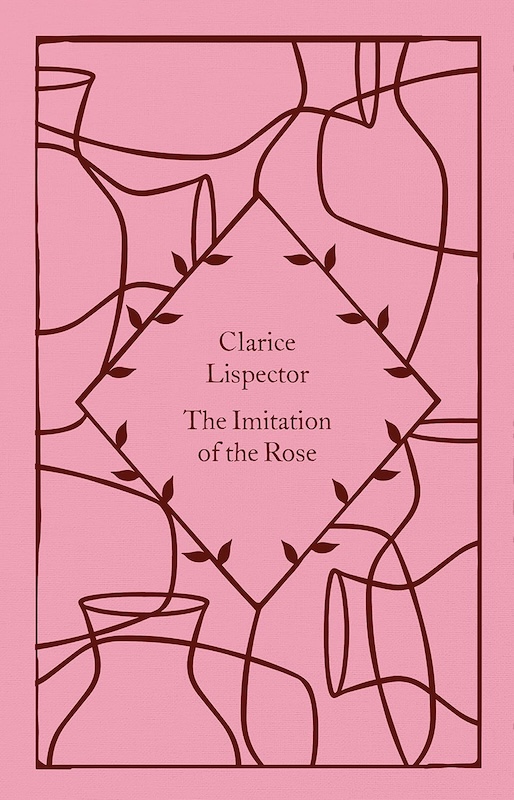
Imitation of the Rose
Summary
The Imitation of the Rose is a short story about Laura, a woman recently recovered from a period of mental illness who is preparing for an ordinary evening out with her husband. Determined to return to a stable, socially acceptable life, she carefully follows her daily routines and tries to keep her thoughts under control. When she encounters a bouquet of beautiful roses, however, their perfection unsettles her. Unable to resist their beauty, she decides to send the flowers to a friend, setting in motion an intense internal struggle between her desire for order and the emotions she has tried to suppress.
Through Laura’s seemingly insignificant decision, Clarice Lispector examines the fragility of mental stability and the pressures placed on women to conform to domestic expectations. The roses become a symbol of beauty, desire, and the unsettling possibility of losing control. With its close attention to the protagonist’s inner world, the story reveals how an apparently ordinary moment can expose the tensions beneath a carefully constructed life.
Reviews
Login to leave a review.
No reviews yet. Be the first!
You might also like




- Published
- 1960
- Author
- Clarice Lispector