Identity & Belonging
Explorations of self, belonging, and what it means to find your place.
All countries
Afghanistan
Albania
Algeria
Argentina
Azerbaijan
Barbados
Belgium
Bosnia and Herzegovina
Botswana
Brazil
Brunei
Bulgaria
Canada
Chile
China
Congo, Democratic Republic
Croatia
Cuba
Cyprus
Czech Republic
Denmark
Djibouti
Dominica
Dominican Republic
Ecuador
Egypt
France
Germany
Ghana
Greece
Guatemala
Iceland
India
Indonesia
Iran
Ireland
Italy
Jamaica
Japan
Kazakhstan
Kenya
Kuwait
Kyrgyzstan
Lebanon
Libya
Luxembourg
Mexico
Morocco
Netherlands
New Zealand
Nigeria
North Macedonia
Norway
Pakistan
Palestine
Panama
Russia
Rwanda
Singapore
Slovenia
Somalia
South Korea
Sudan
Sweden
Taiwan
Tanzania
Türkiye
Ukraine
United Kingdom
United States
Uzbekistan
Zimbabwe
1
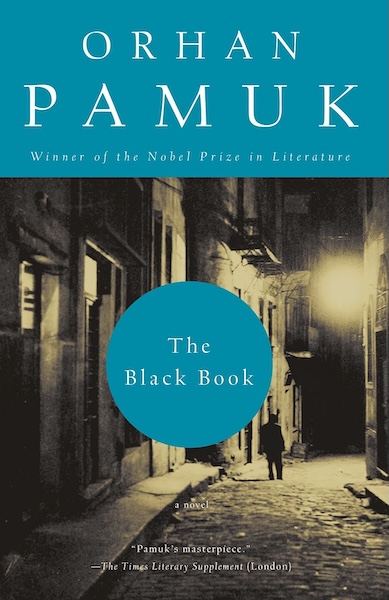
The Black Book
On a snowy day in Istanbul, lawyer Galip discovers that his wife, Rüya, has disappeared. Unable to understand why she has left, he begins searching the city’s crowded streets, old neighbourhoods, and hidden corners for clues. His investigation becomes even more mysterious when he discovers that Rüya’s half-brother, Celâl, a famous newspaper columnist, has vanished too.
As Galip follows the traces they have left behind, he becomes immersed in Celâl’s newspaper columns, which explore Istanbul’s history, its forgotten stories, and the secrets concealed beneath everyday life. The search gradually transforms into something more profound: a journey through the city’s collective memory and Galip’s own uncertain identity.
Blending mystery, philosophical reflection, and a vivid portrait of Istanbul, The Black Book explores the desire to become someone else and the difficulty of knowing who we really are. Pamuk transforms the city into a labyrinth of stories in which the search for a missing person becomes a search for the self.
Türkiye
1990
2
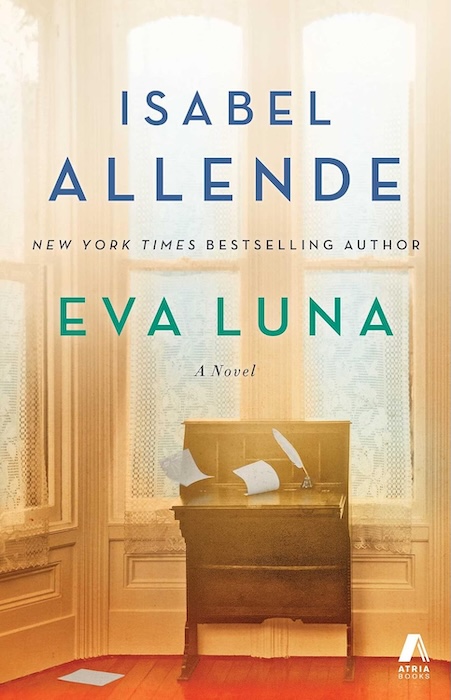
Eva Luna
Eva Luna follows the life of Eva, an imaginative young woman who discovers early on that storytelling can become both a refuge and a means of survival. Orphaned as a child, she grows up among people from different social backgrounds in an unnamed Latin American country marked by political unrest and inequality. Through her relationships, adventures, and encounters with revolutionaries, artists, and ordinary people, Eva gradually shapes her own destiny. Her ability to invent stories becomes a source of power, allowing her to reinterpret painful experiences and challenge the limitations imposed on her. Blending magical realism, romance, and political history, Allende explores the relationship between imagination and freedom. Eva’s journey celebrates resilience, female independence, and the transformative power of storytelling.
Chile
1987
3
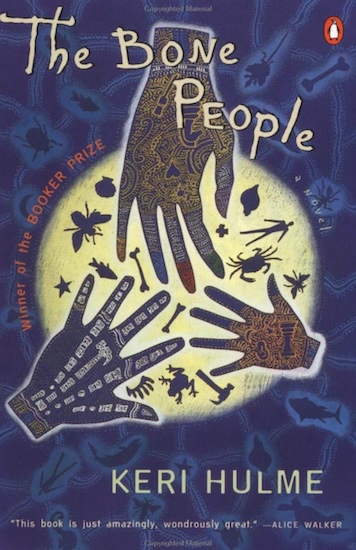
The Bone People
The Bone People is a powerful, unconventional novel set on the rugged coast of New Zealand, exploring the complicated relationships between three isolated individuals: Kerewin Holmes, a reclusive artist; Simon, a mysterious mute child; and Joe, his Māori foster father. When their lives become intertwined, they form an unconventional family shaped by loneliness, affection, violence, and the desire for connection. Through experimental storytelling and elements of Māori mythology, Keri Hulme examines the tensions between Māori and Pākehā identities, the legacy of colonialism, and the possibility of healing after trauma. The novel challenges traditional ideas of family and belonging, portraying human relationships as both deeply destructive and potentially transformative. It won the Booker Prize in 1985.
New Zealand
1986
4
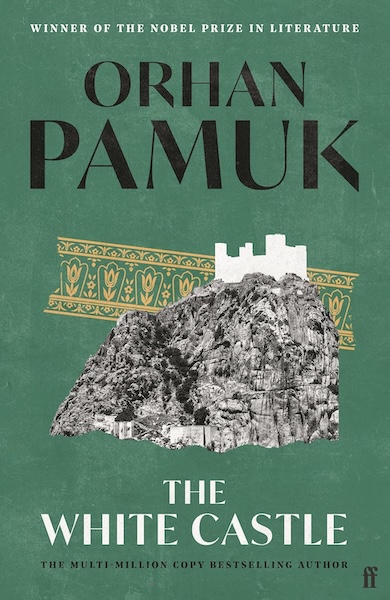
The White Castle
In the seventeenth century, a young Italian scholar travelling from Venice is captured by pirates and taken to Constantinople, where he becomes a slave. His new master, Hoja, is an Ottoman scholar fascinated by Western science and technology. But their relationship becomes increasingly strange when they discover that they look almost exactly alike.
As the Italian teaches Hoja everything he knows about astronomy, medicine, and engineering, their intellectual partnership develops into a psychological struggle. Each man becomes obsessed with understanding the other, probing his memories, fears, and deepest secrets. Gradually, the boundaries between master and slave begin to blur, raising an unsettling question: if two people know everything about each other, can they exchange identities?
Set against the grandeur and brutality of the Ottoman Empire, The White Castle is a philosophical tale about selfhood, cultural differences, and the fragile boundaries separating East from West.
Türkiye
1985
5
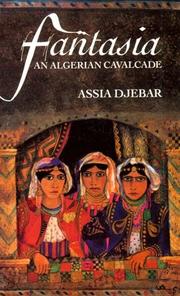
Fantasia, an Algerian cavalcade
Fantasia: An Algerian Cavalcade blends autobiography, historical research, and fiction to explore Algeria’s colonial past and the experiences of women caught between cultural traditions and political upheaval. Assia Djebar begins with memories of her childhood, growing up in a French-language school system while living within the traditions of an Algerian Muslim family. Her education gives her access to opportunities unavailable to many women of her generation, yet it also creates a distance between her and the language and experiences of her ancestors.
Interwoven with her personal story are accounts of the French invasion of Algeria in 1830, drawn from historical documents, military reports, and testimonies that reveal the violence of colonial conquest. Djebar also reconstructs the lives and voices of Algerian women whose experiences were often excluded from official histories. Moving between past and present, French and Arabic, personal memory and collective trauma, the novel examines language, gender, colonialism, and cultural identity. It becomes an attempt to recover silenced histories and understand what it means to write from within the complicated legacy of colonisation.
Algeria
1985
6
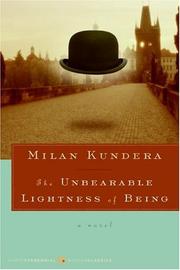
The Unbearable Lightness of Being
Set in Prague during the 1960s and the Soviet-led invasion of Czechoslovakia in 1968, The Unbearable Lightness of Being explores the intertwined lives of four characters struggling with love, freedom, and the meaning of existence. Tomas, a surgeon and womaniser, finds himself torn between his desire for independence and his deep attachment to Tereza, a sensitive photographer who longs for emotional security. Their relationship unfolds alongside the passionate affair between Sabina, an artist who rejects convention, and Franz, a married academic drawn to ideals of political commitment. Against the backdrop of historical upheaval, Milan Kundera examines the tension between personal freedom and responsibility, questioning whether life’s fleeting nature makes our choices meaningless or profoundly significant. Through philosophical reflections, irony, and intimate storytelling, the novel explores betrayal, memory, political oppression, and the contradictions of human desire. It invites readers to consider how the decisions we make shape our identities in a world where nothing can ever be repeated exactly.
Czech Republic
1984
7
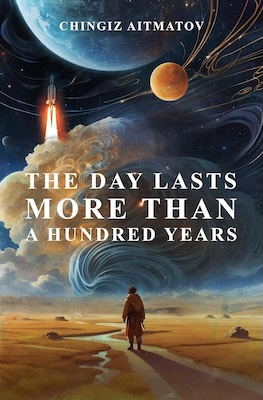
The Day Lasts More than a Hundred Years
Set in the vast Central Asian steppe, The Day Lasts More Than a Hundred Years begins with the death of Kazangap, a railway worker whose longtime friend, Edigei, undertakes to carry him to his ancestral burial ground. During the journey, Edigei remembers their lives together and the transformations that have reshaped their community under Soviet rule. Their destination, however, is blocked by a restricted military zone, turning a simple act of mourning into a confrontation with a world increasingly governed by impersonal authority.
As the narrative unfolds, Aitmatov interweaves the characters’ memories with Kazakh legends, reflections on cultural heritage, and a science-fiction storyline involving contact with an extraterrestrial civilization. These seemingly distant narratives converge around questions of memory, humanity, and the dangers of forgetting one’s past.
The novel examines how political power, technological ambition, and ideological conformity can erode cultural identity and human dignity. Drawing on the oral traditions of the steppe while imagining humanity’s future among the stars, Aitmatov creates an ambitious meditation on what it means to remain human in a rapidly changing world.
Kyrgyzstan
1983
8
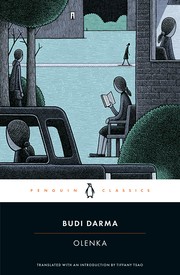
Olenka
Olenka is a modern Indonesian novel by Budi Darma that explores obsession, loneliness, and the elusive nature of human relationships. The story follows Fanton Drummond, an Indonesian man living in an American city, who becomes fascinated by a mysterious woman named Olenka. His attraction develops into an increasingly complicated psychological pursuit as he attempts to understand her personality, her past, and her motivations. However, Olenka remains difficult to comprehend, resisting the idealised image Fanton constructs of her. Through fragmented encounters, introspection, and philosophical reflections, Darma examines the distance between reality and imagination, questioning whether we can ever truly understand another person. Blending psychological fiction with existential themes, the novel explores alienation, desire, and the instability of personal identity, while reflecting on the absurdities and uncertainties of modern life.
Indonesia
1983
9
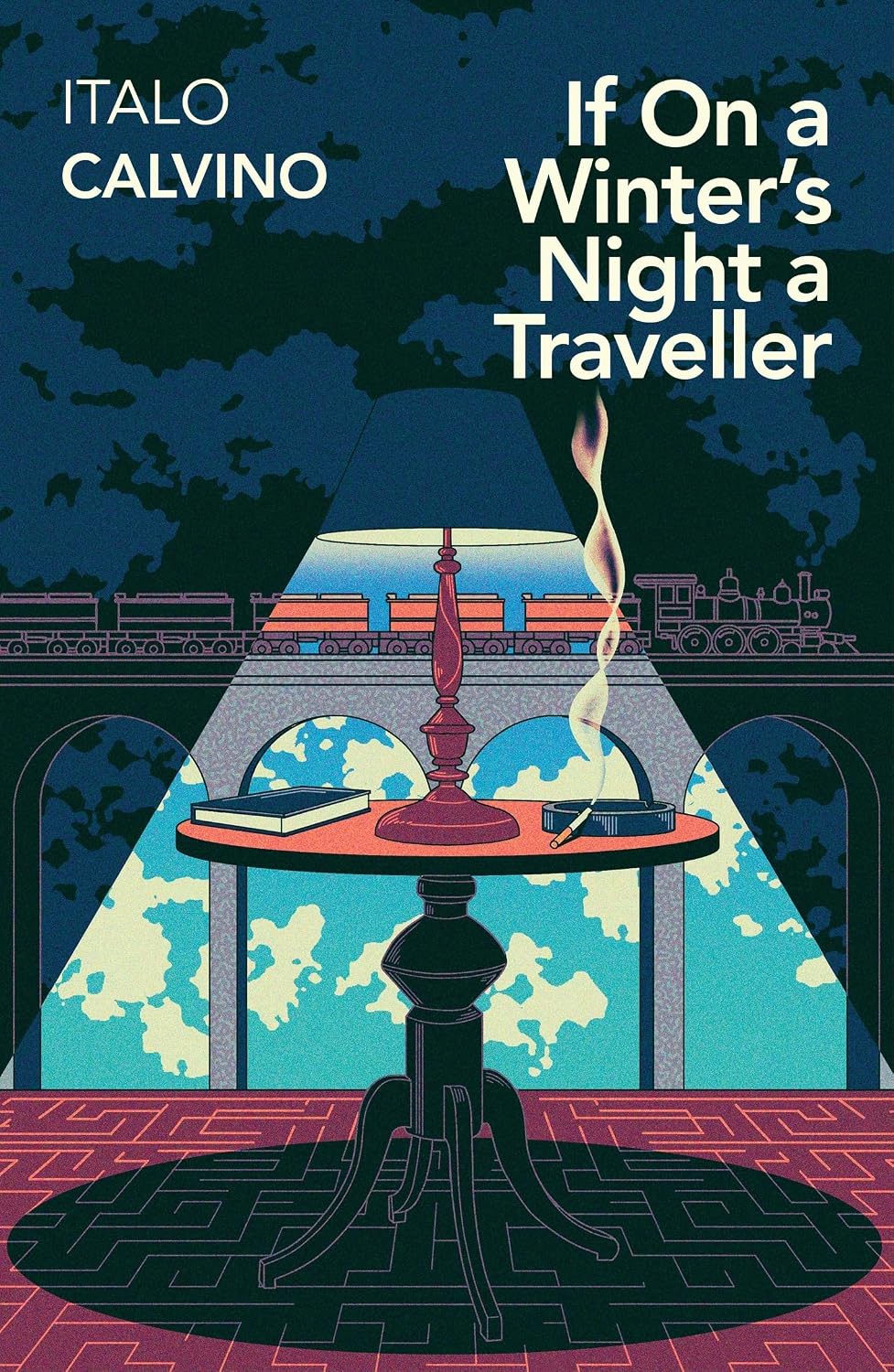
If on a Winter's Night a Traveler
If on a winter’s night a traveler is an experimental novel that places the reader at the centre of the story. It begins with a reader attempting to enjoy a new book by Italo Calvino, only to discover that the text is incomplete. As the reader searches for the missing continuation, they encounter a series of other novels, each beginning in a different literary style but ending abruptly. Along the way, the reader becomes involved with Ludmilla, another reader who shares the desire to discover how the stories conclude. Calvino turns the act of reading into an adventure, examining the relationship between authors, readers, and the books they create together. The novel explores curiosity, interpretation, and the human desire for narrative closure, playfully questioning whether a story’s meaning lies in its ending, its beginning, or the experience of reading itself.
Italy
1982
10
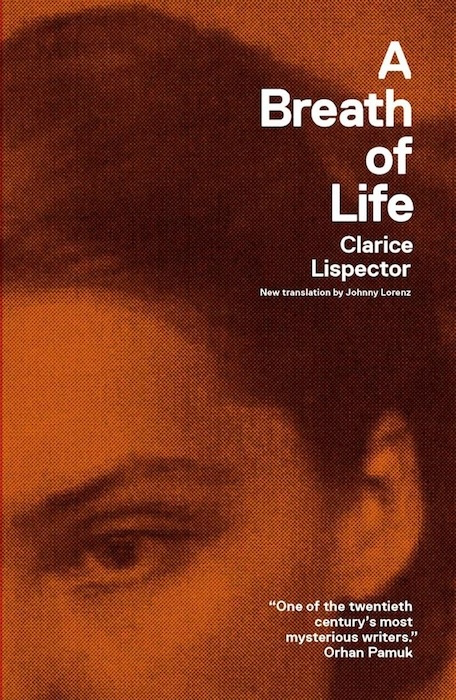
A Breath of Life: Pulsations
A Breath of Life: Pulsations is an experimental, posthumously published novel in which Clarice Lispector explores the mysterious relationship between a creator and the character he brings into existence. The book unfolds as a dialogue between an unnamed male author and Angela Pralini, the fictional woman whose thoughts, desires, and contradictions gradually take shape through his writing. As the two voices interact, the boundaries between author and creation become increasingly uncertain, raising questions about who controls a story and whether a fictional character can exist independently of the person who imagines her.
Moving between philosophical reflections, fragments of narrative, and intimate meditations on existence, the novel examines creativity, consciousness, mortality, and the limitations of language. The author struggles to understand Angela, while she resists being reduced to his interpretation of her. Through this unusual structure, Lispector investigates the tension between identity and invention, revealing the restless search for meaning that lies at the heart of both artistic creation and human life.
Brazil
1978
11
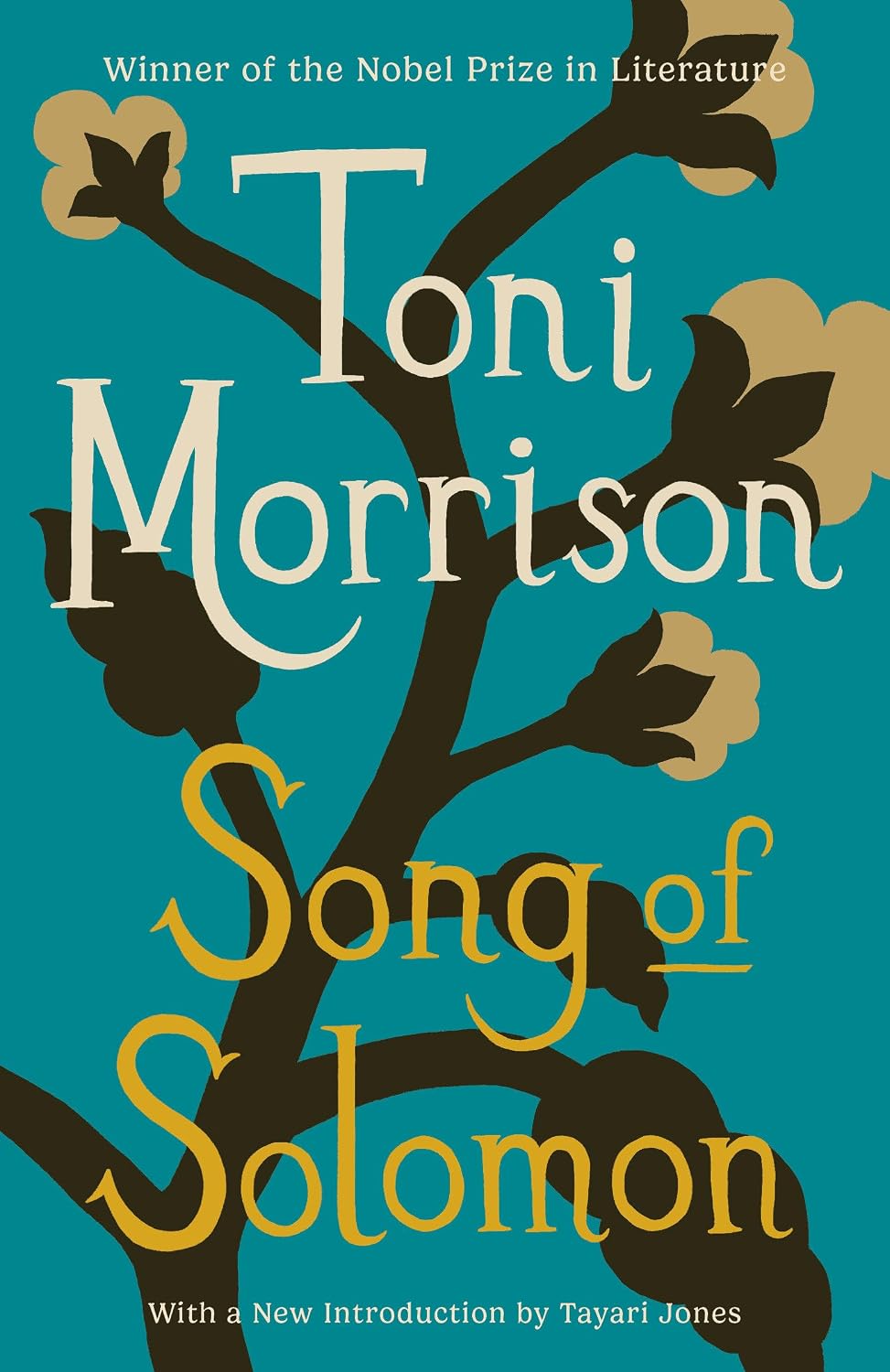
Song of Solomon
Song of Solomon follows Macon “Milkman” Dead III, a young Black man growing up in Michigan in a financially comfortable but emotionally troubled family. Feeling disconnected from his relatives and his own history, Milkman gradually embarks on a journey to discover his family’s origins. His search takes him into the history, folklore, and traditions of Black communities in the American South, revealing stories of love, violence, survival, and freedom. As he uncovers the lives of those who came before him, he begins to understand how personal identity is shaped by inherited memories and forgotten histories. Morrison combines realism, myth, and magical elements in a novel about ancestry, belonging, and self-discovery.
United States
1977
12
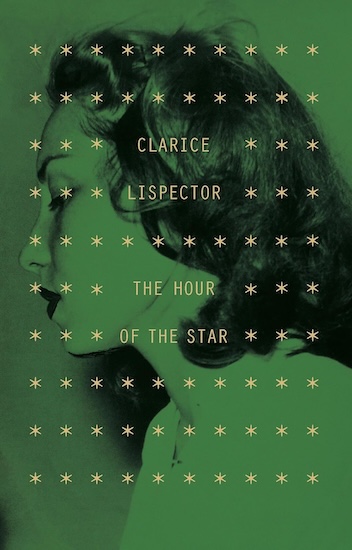
The Hour of the Star
The Hour of the Star follows Macabéa, a poor young woman from northeastern Brazil who moves to Rio de Janeiro in search of a better life. Working as a typist and living in poverty, she leads an almost invisible existence, lacking the education, confidence, and social awareness to understand the world around her. Despite her difficult circumstances, Macabéa possesses a quiet innocence and an unexpected capacity for happiness, finding small pleasures in everyday life.
Her story is narrated by Rodrigo S.M., a writer who struggles to represent her life honestly while confronting his own privilege and the limitations of storytelling. Through this unusual narrative perspective, Clarice Lispector explores poverty, gender, social exclusion, and the difficulty of giving voice to those society overlooks. Both intimate and unsettling, the novel asks profound questions about human dignity, identity, and whether an insignificant life can ever receive its moment of recognition.
Brazil
1977
About this theme
- Books
- 196
- Countries
- 72
Countries with this theme
Afghanistan
Asia
Albania
Europe
Algeria
Africa
Argentina
South America
Azerbaijan
Asia
Barbados
North America
Belgium
Europe
Bosnia and Herzegovina
Europe
Botswana
Africa
Brazil
South America
Brunei
Asia
Bulgaria
Europe
Canada
North America
Chile
South America
China
Asia
Congo, Democratic Republic
Africa
Croatia
Europe
Cuba
North America
Cyprus
Asia
Czech Republic
Europe
Denmark
Europe
Djibouti
Africa
Dominica
North America
Dominican Republic
North America
Ecuador
South America
Egypt
Africa
France
Europe
Germany
Europe
Ghana
Africa
Greece
Europe
Guatemala
North America
Iceland
Europe
India
Asia
Indonesia
Asia
Iran
Asia
Ireland
Europe
Italy
Europe
Jamaica
North America
Japan
Asia
Kazakhstan
Asia
Kenya
Africa
Kuwait
Asia
Kyrgyzstan
Asia
Lebanon
Asia
Libya
Africa
Luxembourg
Europe
Mexico
North America
Morocco
Africa
Netherlands
Europe
New Zealand
Oceania
Nigeria
Africa
North Macedonia
Europe
Norway
Europe
Pakistan
Asia
Palestine
Asia
Panama
North America
Russia
Europe
Rwanda
Africa
Singapore
Asia
Slovenia
Europe
Somalia
Africa
South Korea
Asia
Sudan
Africa
Sweden
Europe
Taiwan
Asia
Tanzania
Africa
Türkiye
Asia
Ukraine
Europe
United Kingdom
Europe
United States
North America
Uzbekistan
Asia
Zimbabwe
Africa