Identity & Belonging
Explorations of self, belonging, and what it means to find your place.
All countries
Afghanistan
Albania
Algeria
Argentina
Azerbaijan
Barbados
Belgium
Bosnia and Herzegovina
Botswana
Brazil
Brunei
Bulgaria
Canada
Chile
China
Congo, Democratic Republic
Croatia
Cuba
Cyprus
Czech Republic
Denmark
Djibouti
Dominica
Dominican Republic
Ecuador
Egypt
France
Germany
Ghana
Greece
Guatemala
Iceland
India
Indonesia
Iran
Ireland
Italy
Jamaica
Japan
Kazakhstan
Kenya
Kuwait
Kyrgyzstan
Lebanon
Libya
Luxembourg
Mexico
Morocco
Netherlands
New Zealand
Nigeria
North Macedonia
Norway
Pakistan
Palestine
Panama
Russia
Rwanda
Singapore
Slovenia
Somalia
South Korea
Sudan
Sweden
Taiwan
Tanzania
Türkiye
Ukraine
United Kingdom
United States
Uzbekistan
Zimbabwe
1
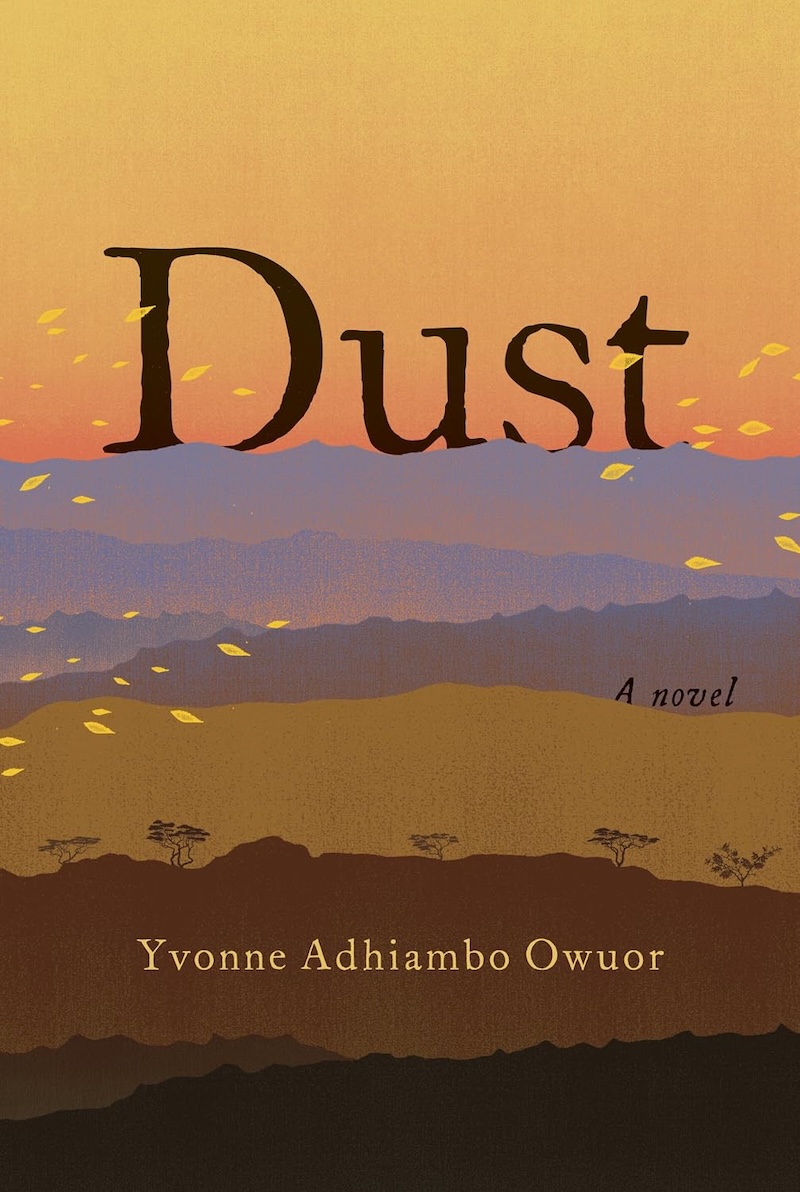
Dust
Set in Kenya against the backdrop of political violence and the country’s turbulent postcolonial history, Dust follows Ajany, an artist who returns home after her brother Odidi is killed in Nairobi. Seeking answers about his death, she travels to the remote family homestead in northern Kenya, where long-buried secrets and painful memories begin to surface. Through the intertwined histories of Ajany, her family, and those connected to Odidi, the novel explores the lasting consequences of colonialism, political repression, and collective trauma. Moving between different periods and perspectives, Yvonne Adhiambo Owuor examines how personal grief becomes entangled with national history, revealing the silences and unresolved wounds that shape individual and collective identities. Rich in imagery and lyrical prose, Dust is a meditation on memory, belonging, and the difficult process of confronting a past that continues to haunt the present.
Kenya
2014
2
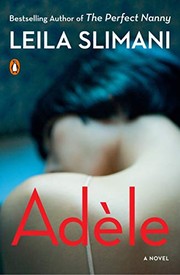
Adèle
Adèle follows Adèle Robinson, a married woman living in Paris with her husband and young son. Despite her comfortable middle-class life and successful career as a journalist, she is consumed by compulsive sexual behavior that threatens to destroy her family and sense of self. As she becomes increasingly unable to control her impulses, her carefully maintained public image begins to unravel, exposing the emptiness and dissatisfaction beneath her seemingly ordinary existence. Through Adèle’s struggles, Leïla Slimani examines desire, addiction, repression, and the pressures of conventional domestic life. Written in a stark, unsentimental style, the novel explores the tension between social respectability and private compulsions, questioning how well people can truly understand themselves and the hidden forces that shape their behavior.
France
2014
3

The Expats
Kate Moore appears to have built a comfortable new life in Luxembourg. After her husband accepts a lucrative job abroad, she leaves Washington, D.C., behind and settles into the routines of expatriate life: school drop-offs, coffee mornings, and weekend trips around Europe. But Kate is hiding a dangerous secret about her past, and the ordinary life she has constructed is becoming increasingly difficult to maintain.
When Kate begins to suspect that another American couple in Luxembourg are not who they claim to be, her suspicions grow. Her husband is also behaving strangely, and his work for an undisclosed banking client raises questions she cannot ignore. As she investigates the people around her, Kate discovers that the lives of the expatriates in her seemingly peaceful community are far more complicated than they appear.
Moving between the polished world of international professionals and the shadowy realm of espionage, Pavone builds a suspenseful story of deception, double-crossing, and hidden identities. The novel explores how people reinvent themselves when they move abroad, whether it is possible to escape one’s past, and how secrets can undermine even the closest relationships. The Expats won both the Edgar Award and the Anthony Award for Best First Novel in 2013.
Luxembourg
United States
2013
4
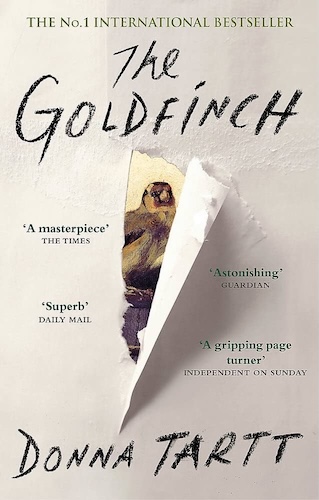
The Goldfinch
After a devastating accident kills his mother, thirteen-year-old Theo Decker finds himself clinging to a small, captivating painting that connects him to her. As he grows older, the artwork draws him into a world of wealth, deception, and the criminal art trade. Winner of the 2014 Pulitzer Prize for Fiction, this sweeping novel explores grief, obsession, and the mysterious ways beauty can shape a life.
United States
2013
5
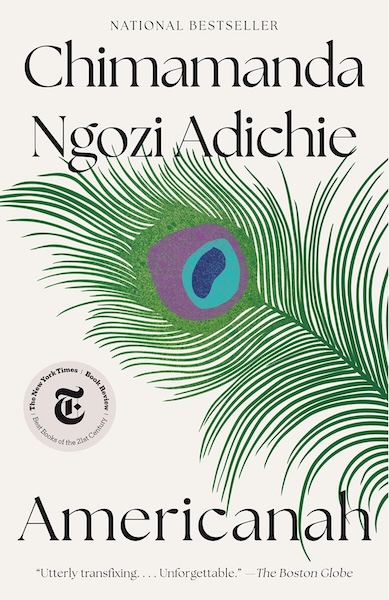
Americanah
Americanah follows Ifemelu and Obinze, two young Nigerians whose love story unfolds across continents as they navigate migration, race, and the search for belonging. As a university student, Ifemelu moves to the United States, where she confronts the realities of being Black in a society that forces her to reconsider her identity. Through her experiences with relationships, work, and cultural differences, she develops a popular blog examining race and everyday life in America. Meanwhile, Obinze hopes to build a future in Britain but encounters a very different set of obstacles as an undocumented immigrant.
Years later, Ifemelu returns to Nigeria, bringing with her a transformed understanding of home and the person she has become. As the two reconnect, they must confront the ways their experiences have changed them and consider whether their relationship can survive the passage of time. Blending romance with sharp social commentary, Chimamanda Ngozi Adichie explores race, immigration, class, cultural identity, and the complex meaning of home in an interconnected world.
Nigeria
2013
6
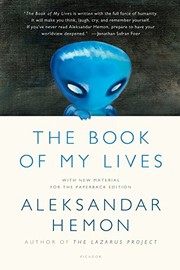
Book of My Lives
The Book of My Lives is a collection of autobiographical essays in which Aleksandar Hemon reflects on his childhood in Sarajevo, his experiences as an immigrant in the United States, and the events that transformed his understanding of home and belonging. Moving between memories of growing up in socialist Yugoslavia and his later life in Chicago, Hemon explores how personal identity is shaped by language, geography, family, and historical circumstances.
The collection takes a deeply personal turn when the Bosnian War begins while Hemon is visiting the United States, leaving him unable to return to Sarajevo as planned. Through sharp observations, dark humour, and emotional honesty, he examines the experience of exile and the complicated relationship between an adopted home and a homeland altered by violence. He also reflects on family life, fatherhood, football, and the unexpected details that give meaning to ordinary existence. Blending intimate memoir with broader historical reflection, the book explores how people rebuild their lives when the places they belong to become distant or irretrievably changed.
Bosnia and Herzegovina
2013
7
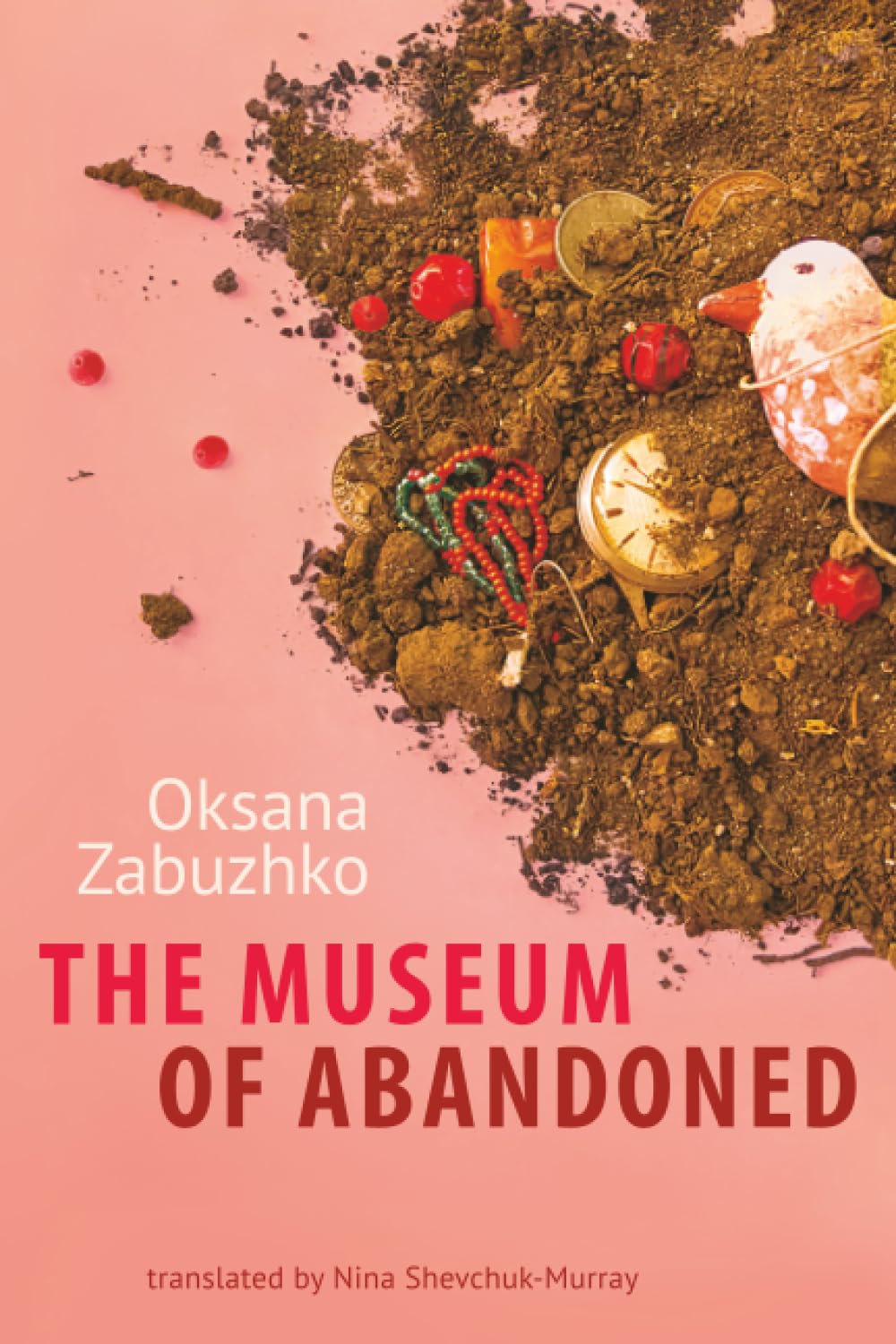
The Museum of Abandoned Secrets
Spanning more than six decades of Ukrainian history, from the Second World War to the early 2000s, The Museum of Abandoned Secrets is an ambitious, multigenerational novel about memory, resistance, and the hidden forces shaping national identity.
In contemporary Kyiv, journalist Daryna Hoshchynska discovers an old photograph of Olena Dovhan, a young Ukrainian partisan who was killed by Soviet secret police in 1947 after being betrayed by her lover. Fascinated by Olena’s story, Daryna begins investigating her life, uncovering secrets that connect the wartime resistance to the political realities of modern Ukraine. As her research deepens, personal relationships, family histories, and forgotten traumas become entangled with the country’s turbulent past.
Moving between generations and historical periods, Zabuzhko explores Soviet repression, political violence, cultural memory, and the enduring consequences of historical silence. Combining historical fiction, psychological drama, and elements of the supernatural, the novel asks how the past survives within the present—and how recovering buried stories can reshape a nation’s understanding of itself.
Ukraine
2012
8
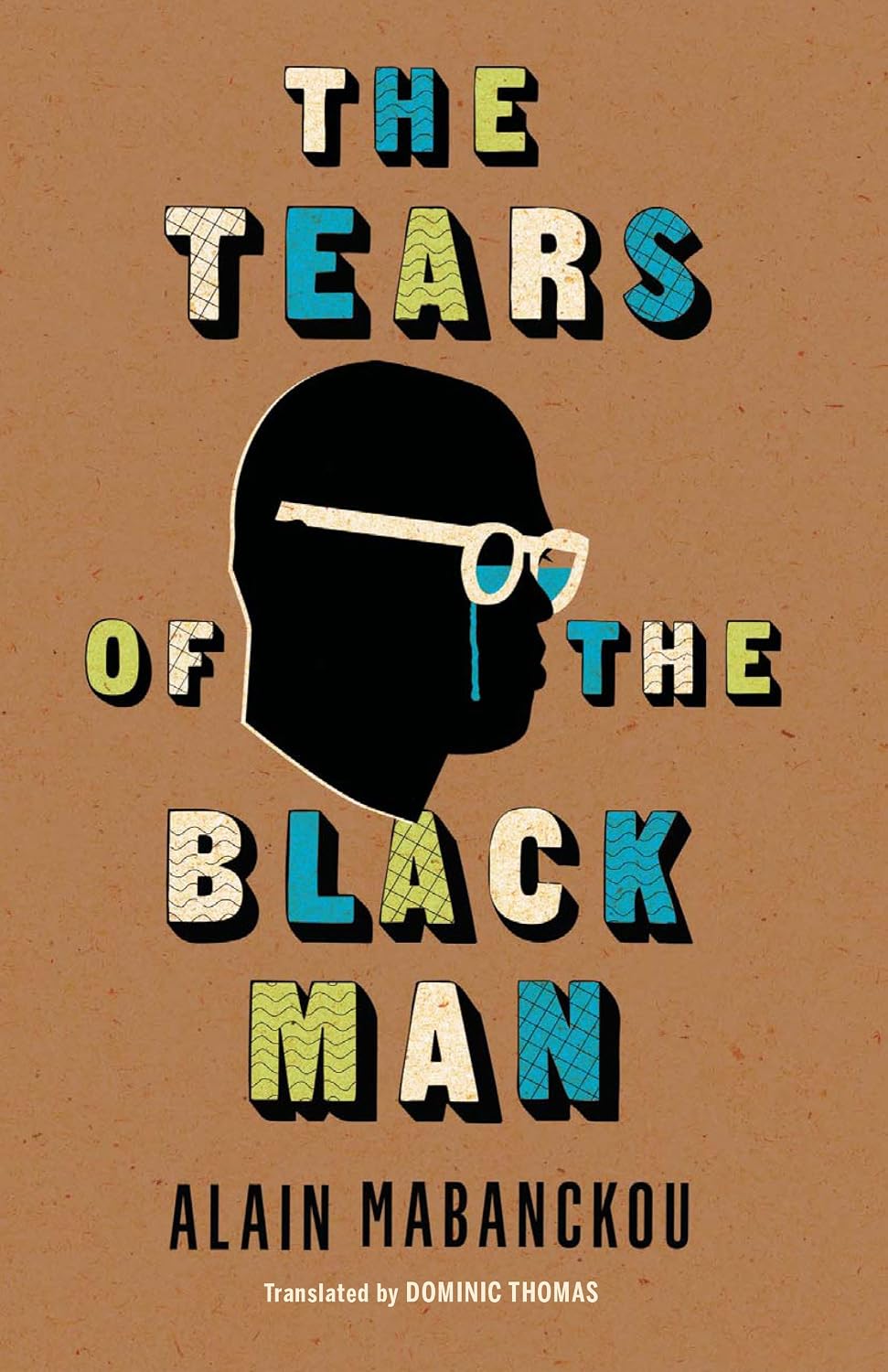
Tears of the Black Man
In Tears of the Black Man, Congolese writer Alain Mabanckou examines the complex relationship between Africa and the West, exploring how colonial history, migration, and racial stereotypes continue to shape perceptions of Black identity. Drawing on personal experiences, literature, and cultural observations, Mabanckou challenges simplified narratives that portray Africans solely as victims of colonialism or racism.
The book reflects on the expectations placed on Black people in Europe, the contradictions within contemporary African societies, and the ways historical grievances can influence individual and collective identities. Mabanckou also questions the tendency to explain present-day difficulties exclusively through the legacy of slavery and colonial rule, encouraging readers to consider the role of personal agency and contemporary political realities.
Blending memoir, cultural criticism, and social commentary, the work offers a provocative reflection on race, belonging, and the ongoing dialogue between Africa and the wider world.
Congo, Democratic Republic
2012
9
The Last Gift
The Last Gift explores migration, family secrets, and the complicated relationship between personal identity and cultural heritage. Abbas, a Tanzanian man living in England, suffers a stroke that leaves him unable to speak. As his health deteriorates, memories of his earlier life begin to emerge, revealing experiences he has kept hidden from his wife, Maryam, and their children, Jamal and Hanna. His silence forces the family to confront questions about their past, their origins, and the emotional distance that has developed between them. Through shifting perspectives and carefully uncovered memories, Gurnah examines the difficulties of belonging between cultures and generations, showing how unspoken histories can influence family relationships long after people have tried to leave their past behind.
Tanzania
2011
10
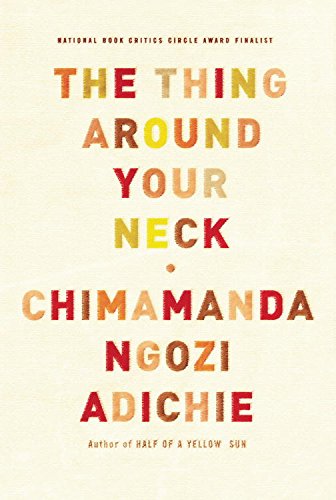
The Thing Around Your Neck
The Thing Around Your Neck is a collection of twelve short stories exploring the experiences of Nigerians living both at home and abroad, particularly in the United States. Adichie portrays characters negotiating cultural expectations, family obligations, gender inequality, political instability, and the complicated realities of immigration. In the title story, a young Nigerian woman moves to America, where her hopes for a better life are challenged by loneliness, financial insecurity, and the feeling of being misunderstood. Other stories examine strained marriages, religious divisions, family secrets, and the gap between how people perceive Nigeria and how Nigerians experience their own country. With emotional precision and understated humour, Adichie explores the tension between tradition and modernity, revealing how migration and cultural encounters can transform people’s understanding of themselves and their relationships.
Nigeria
2010
11
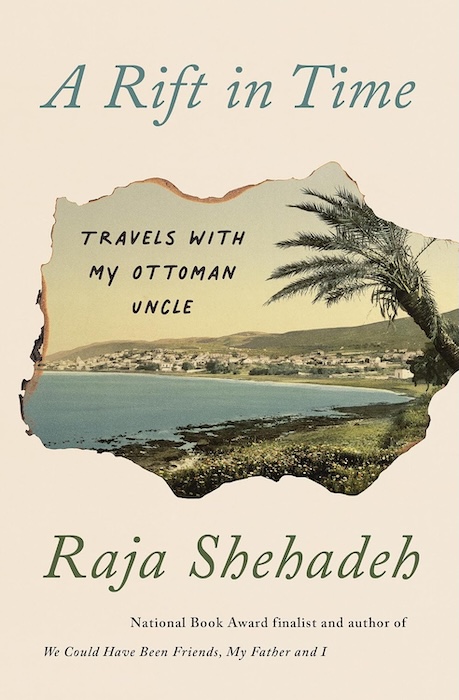
A Rift in Time: Travels with My Ottoman Uncle
In A Rift in Time: Travels with My Ottoman Uncle, Palestinian writer and human rights lawyer Raja Shehadeh explores the connections between family history, national identity, and the changing political landscape of the Middle East. Inspired by the life of his great-uncle Najib Nassar, a Palestinian journalist who lived during the final decades of the Ottoman Empire, Shehadeh traces the journey of a man who witnessed the collapse of an empire and the emergence of a new political order. Moving between historical research, personal reflection, and travel writing, the author examines how the experiences of earlier generations continue to shape contemporary Palestinian life. Through his uncle’s story, Shehadeh reflects on the meaning of belonging, the fragility of historical memory, and the ways political borders transform people’s relationships with their homeland. The book offers an intimate exploration of the past, revealing how an individual’s life can illuminate the wider forces that shape a nation’s history and collective identity.
Palestine
2010
12
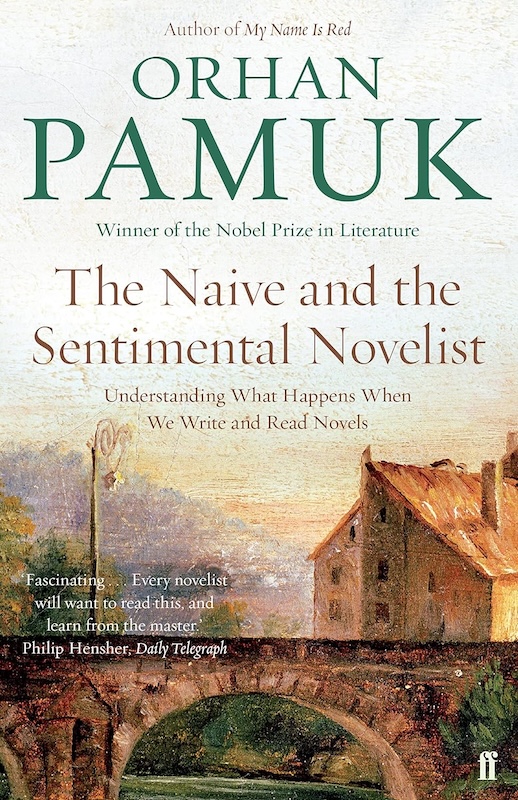
The Naive and the Sentimental Novelist
The Naive and the Sentimental Novelist explores how novels work and why reading fiction can transform our understanding of ourselves and the world. Drawing on his experience as a novelist and his lifelong engagement with literature, Orhan Pamuk examines the relationship between writers, readers, and the fictional worlds they create. Inspired by Friedrich Schiller’s distinction between naive and sentimental poetry, Pamuk considers two approaches to storytelling: one that emerges naturally from experience and another that consciously reflects on its own methods and meanings.
Through examples from writers such as Tolstoy, Dostoevsky, and Thomas Mann, Pamuk discusses character, plot, setting, symbolism, and the delicate balance between imagination and observation. He also explores the pleasure readers find in entering a novel’s world, visualising its landscapes, and identifying with its characters. Blending literary criticism with personal reflection, the book offers an intimate account of the novelist’s craft and the reader’s experience. Ultimately, Pamuk suggests that the power of fiction lies in its ability to make imagined worlds feel as vivid and meaningful as reality itself.
Türkiye
2010
About this theme
- Books
- 196
- Countries
- 72
Countries with this theme
Afghanistan
Asia
Albania
Europe
Algeria
Africa
Argentina
South America
Azerbaijan
Asia
Barbados
North America
Belgium
Europe
Bosnia and Herzegovina
Europe
Botswana
Africa
Brazil
South America
Brunei
Asia
Bulgaria
Europe
Canada
North America
Chile
South America
China
Asia
Congo, Democratic Republic
Africa
Croatia
Europe
Cuba
North America
Cyprus
Asia
Czech Republic
Europe
Denmark
Europe
Djibouti
Africa
Dominica
North America
Dominican Republic
North America
Ecuador
South America
Egypt
Africa
France
Europe
Germany
Europe
Ghana
Africa
Greece
Europe
Guatemala
North America
Iceland
Europe
India
Asia
Indonesia
Asia
Iran
Asia
Ireland
Europe
Italy
Europe
Jamaica
North America
Japan
Asia
Kazakhstan
Asia
Kenya
Africa
Kuwait
Asia
Kyrgyzstan
Asia
Lebanon
Asia
Libya
Africa
Luxembourg
Europe
Mexico
North America
Morocco
Africa
Netherlands
Europe
New Zealand
Oceania
Nigeria
Africa
North Macedonia
Europe
Norway
Europe
Pakistan
Asia
Palestine
Asia
Panama
North America
Russia
Europe
Rwanda
Africa
Singapore
Asia
Slovenia
Europe
Somalia
Africa
South Korea
Asia
Sudan
Africa
Sweden
Europe
Taiwan
Asia
Tanzania
Africa
Türkiye
Asia
Ukraine
Europe
United Kingdom
Europe
United States
North America
Uzbekistan
Asia
Zimbabwe
Africa