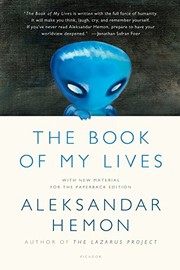
Book of My Lives
Summary
The Book of My Lives is a collection of autobiographical essays in which Aleksandar Hemon reflects on his childhood in Sarajevo, his experiences as an immigrant in the United States, and the events that transformed his understanding of home and belonging. Moving between memories of growing up in socialist Yugoslavia and his later life in Chicago, Hemon explores how personal identity is shaped by language, geography, family, and historical circumstances.
The collection takes a deeply personal turn when the Bosnian War begins while Hemon is visiting the United States, leaving him unable to return to Sarajevo as planned. Through sharp observations, dark humour, and emotional honesty, he examines the experience of exile and the complicated relationship between an adopted home and a homeland altered by violence. He also reflects on family life, fatherhood, football, and the unexpected details that give meaning to ordinary existence. Blending intimate memoir with broader historical reflection, the book explores how people rebuild their lives when the places they belong to become distant or irretrievably changed.
Reviews
Login to leave a review.
No reviews yet. Be the first!
You might also like


- Published
- 2013
- Author
- Aleksandar Hemon