Freedom & Resistance
Voices of resistance, liberation, and the fight for justice.
All countries
Afghanistan
Albania
Algeria
Argentina
Australia
Belgium
Brazil
Burkina Faso
Central African Republic
Czech Republic
Dominican Republic
Egypt
France
Greece
Hungary
Iceland
India
Iran
Ireland
Italy
Japan
Jordan
Kenya
Kuwait
Malta
Morocco
Oman
Pakistan
Palestine
Philippines
Puerto Rico
Romania
Russia
Rwanda
South Africa
South Korea
Spain
Türkiye
Turkmenistan
United Kingdom
United States
Uruguay
Uzbekistan
Yemen
Zambia
1
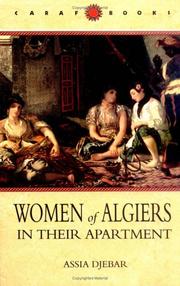
Women of Algiers in Their Apartment
Women of Algiers in Their Apartment is a collection of short stories by Algerian writer Assia Djebar that explores the lives of women navigating the aftermath of colonialism and the Algerian War of Independence. Through interwoven narratives, Djebar portrays women from different generations as they confront the restrictions imposed by patriarchal traditions, the trauma of violence, and the challenges of claiming independence in a changing society. Drawing inspiration from Eugène Delacroix’s painting of the same name, the collection reimagines women traditionally depicted as silent and secluded, giving them voices through which to express their desires, memories, and struggles. Djebar combines personal testimonies, historical reflection, and lyrical prose to examine how women’s experiences have been marginalised in official accounts of national history. Her characters negotiate the tension between tradition and modernity while seeking autonomy and meaningful connection. The collection becomes both an act of remembrance and a literary form of resistance, revealing the complex relationship between women’s liberation, cultural identity, and the unfinished struggle for freedom in postcolonial Algeria.
Algeria
1980
2
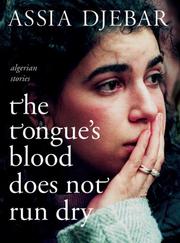
Tongue's Blood Does Not Run Dry
Tongue’s Blood Does Not Run Dry is a novel by Algerian writer Assia Djebar that explores women’s lives, resistance, and the struggle for freedom in a society shaped by colonial history and patriarchal traditions. Through interwoven voices and personal testimonies, Djebar portrays women confronting restrictions on their independence, struggling to express their experiences, and seeking to reclaim control over their own stories. The novel reflects the lasting consequences of Algeria’s colonial past and the ways political oppression intersects with the silencing of women. Language becomes a central concern: speaking, remembering, and bearing witness are acts of defiance against forces that seek to erase individual experiences. Combining lyrical writing with a collective perspective, Djebar challenges conventional historical narratives that marginalise women’s contributions and suffering. The work highlights the connection between personal freedom and collective liberation, showing how women’s voices preserve memories that might otherwise disappear from history.
Algeria
1984
3
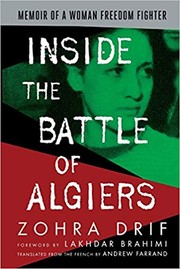
Inside the Battle of Algiers
In this memoir, Algerian revolutionary Zohra Drif recounts her experiences during Algeria’s struggle for independence from French colonial rule in the 1950s and early 1960s. A young woman studying law in Algiers, Drif joins the National Liberation Front (FLN) and becomes involved in its armed resistance alongside other women who challenge both colonial authority and traditional expectations of women’s roles in society.
Through personal recollections, she describes the political tensions, underground operations, arrests, and difficult choices that shaped the independence movement. Her account also explores the place of women in revolutionary struggle and the moral complexities of political violence. Offering a firsthand perspective on one of the defining conflicts of modern Algerian history, the memoir examines the sacrifices, convictions, and contradictions involved in fighting for national liberation.
Algeria
2017
About this theme
- Books
- 3
- Countries
- 45
Countries with this theme
Afghanistan
Asia
Albania
Europe
Algeria
Africa
Argentina
South America
Australia
Oceania
Belgium
Europe
Brazil
South America
Burkina Faso
Africa
Central African Republic
Africa
Czech Republic
Europe
Dominican Republic
North America
Egypt
Africa
France
Europe
Greece
Europe
Hungary
Europe
Iceland
Europe
India
Asia
Iran
Asia
Ireland
Europe
Italy
Europe
Japan
Asia
Jordan
Asia
Kenya
Africa
Kuwait
Asia
Malta
Europe
Morocco
Africa
Oman
Asia
Pakistan
Asia
Palestine
Asia
Philippines
Asia
Puerto Rico
South America
Romania
Europe
Russia
Europe
Rwanda
Africa
South Africa
Africa
South Korea
Asia
Spain
Europe
Türkiye
Asia
Turkmenistan
Asia
United Kingdom
Europe
United States
North America
Uruguay
South America
Uzbekistan
Asia
Yemen
Asia
Zambia
Africa