Family & Heritage
Sagas of lineage, tradition, and the ties that bind generations.
All countries
Afghanistan
Argentina
Armenia
Australia
Bosnia and Herzegovina
Botswana
Brazil
Canada
Central African Republic
Chile
China
Colombia
Croatia
Cuba
Djibouti
Dominican Republic
Egypt
Ethiopia
France
Georgia
Germany
Hungary
India
Iran
Iraq
Ireland
Italy
Japan
Lebanon
Libya
Mexico
Netherlands
Nigeria
Norway
Oman
Pakistan
Palestine
Poland
Russia
Singapore
South Africa
South Korea
Sweden
Switzerland
Taiwan
Türkiye
United Kingdom
United States
Zambia
1
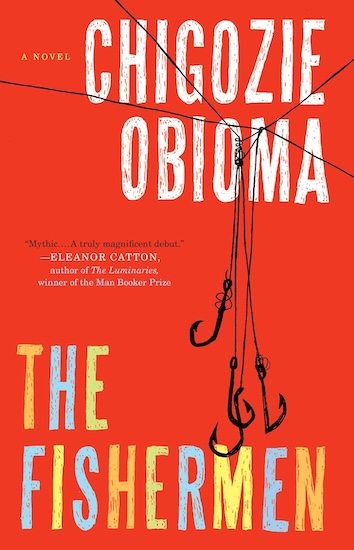
The Fishermen
In 1990s Nigeria, four brothers— Ikenna, Boja, Obembe, and Benjamin—enjoy a close bond until their father leaves their hometown of Akure for work. Taking advantage of his absence, the boys skip school to fish at a forbidden river. There, they encounter Abulu, a local man believed to be mad, who delivers a terrifying prophecy: the eldest brother, Ikenna, will be killed by one of his own siblings.
The prediction plants a seed of suspicion that gradually poisons the brothers’ relationship. As Ikenna becomes increasingly consumed by fear and paranoia, the family struggles to understand the forces tearing them apart. Narrated by nine-year-old Benjamin, the novel follows the devastating consequences of a single prophecy, exploring how belief, fear, and resentment can transform love into violence.
Blending Nigerian folklore, biblical allusions, and the structure of Greek tragedy, The Fishermen is both an intimate portrait of a family in crisis and a broader meditation on fate, brotherhood, and the fragility of human relationships.
Nigeria
2015
2

Bride and Groom
Set in contemporary Dagestan, Bride and Groom follows two young people whose prospects for marriage become entangled with the expectations of their families and community. Against a backdrop of religious conservatism, social pressure, and political uncertainty, the characters struggle to reconcile their personal desires with the traditions that govern their lives. Marriage becomes more than a private romantic decision: it is also a negotiation involving family honour, social status, and competing ideas about modernity and cultural identity. Ganieva offers an intimate portrait of a society undergoing profound change, where old customs and new aspirations coexist uneasily. With humour and sharp observation, the novel reveals how difficult it can be to make independent choices when the community claims a powerful stake in individual lives.
Russia
2015
3
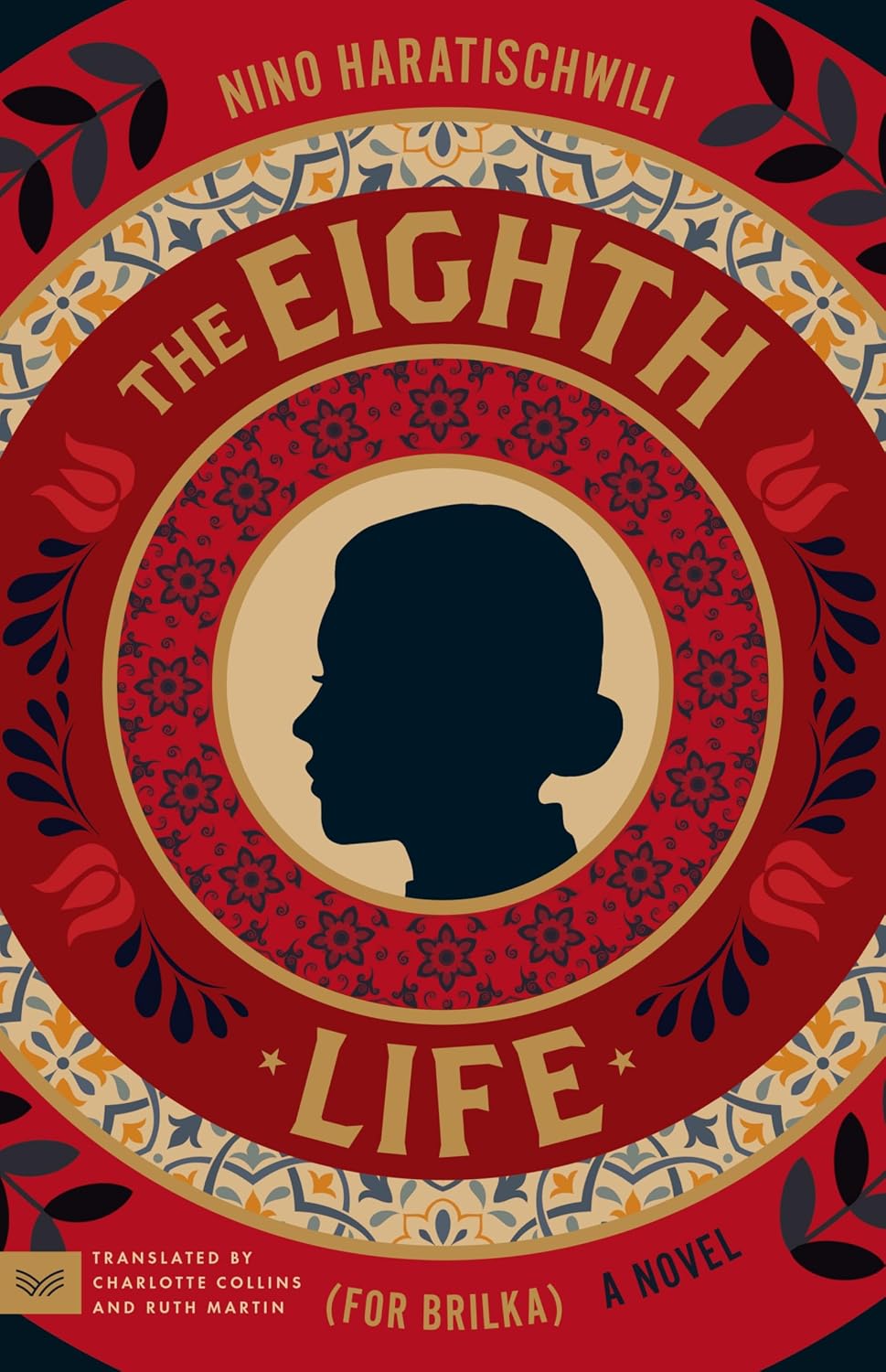
The Eighth Life (for Brilka)
The Eighth Life (for Brilka) follows seven generations of a Georgian family across the twentieth century, beginning in the early 1900s and continuing through the collapse of the Soviet Union. At the centre of the story is a family secret connected to a remarkable recipe for hot chocolate, which brings both extraordinary pleasure and devastating consequences. Through the lives of Stasia, Christine, Kostya, Kitty, and their descendants, the novel explores love, ambition, political repression, and the sacrifices people make to survive turbulent times. The family’s history unfolds against the backdrop of revolutions, Stalinism, world wars, and the struggle for Georgian independence. Narrated by Niza, who recounts the family’s past to her young niece Brilka, the novel examines how historical trauma is passed from one generation to another and whether understanding the past can offer a chance to break its cycle.
Georgia
2014
4
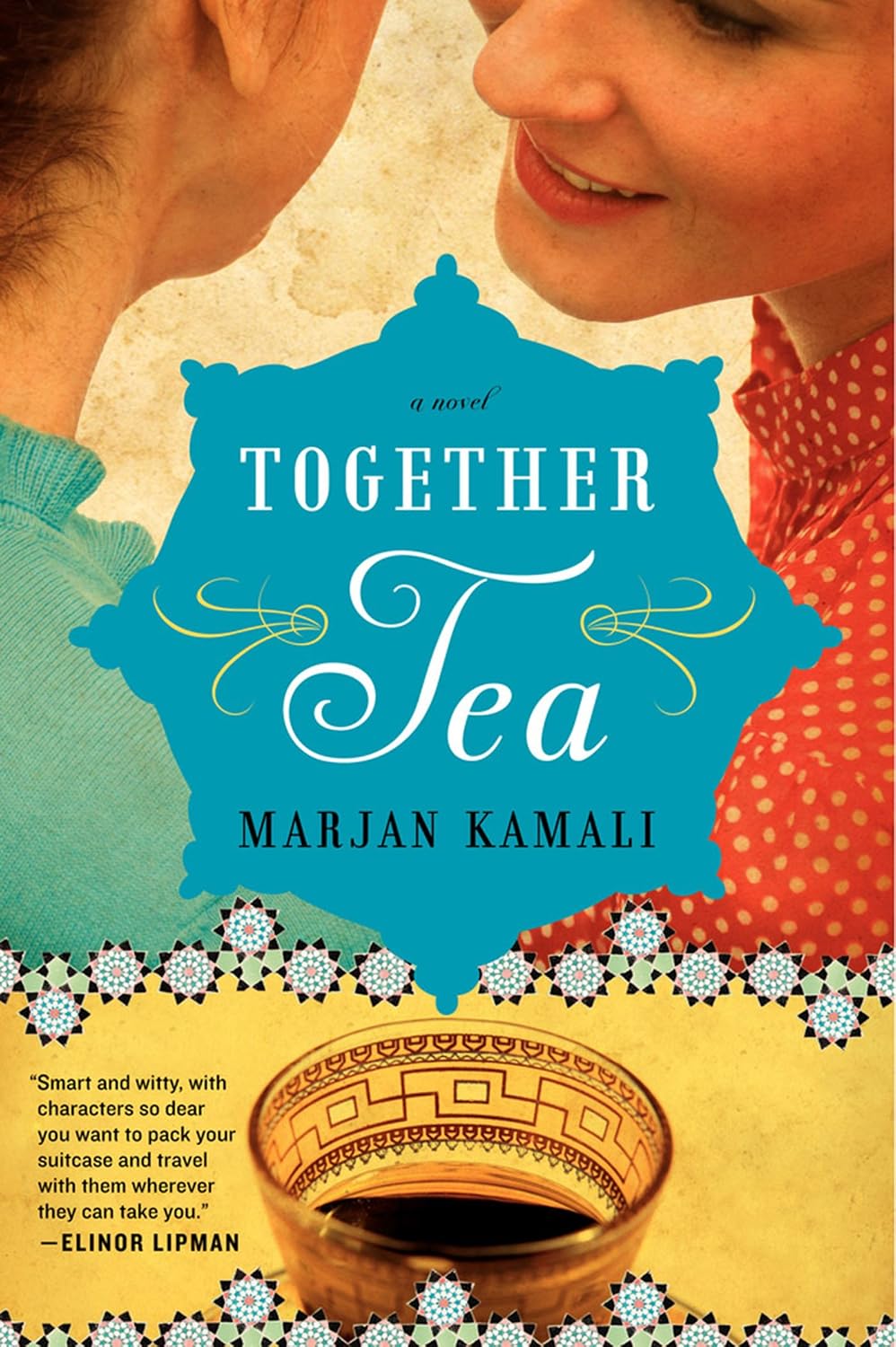
Together Tea
Together Tea follows Mina Rezayi, an Iranian American woman living in New York who dreams of becoming an artist but feels pressured to complete her business studies and settle down. Her mother, Darya, is determined to find her the right husband and repeatedly arranges introductions to suitable Iranian American men. Frustrated by the constant matchmaking, Mina struggles to reconcile her own ambitions with her family’s expectations. When mother and daughter travel to Iran, the journey brings them closer to the culture Darya left behind and encourages them to reconsider their relationship. As Mina encounters unexpected romantic possibilities, both women must confront the differences between their hopes and the lives they have built. Kamali explores the complexities of immigrant identity, the changing roles of women, and the tensions between generations. The novel celebrates the possibility of understanding one another without abandoning personal dreams or cultural heritage.
Iran
2013
5
The Lowland
The Lowland tells the story of two brothers, Subhash and Udayan, who grow up together in Calcutta but choose dramatically different paths as adults. During the 1960s, Udayan becomes involved in the Naxalite movement, a radical communist uprising that challenges India’s political and social order. Subhash, by contrast, leaves for the United States to pursue an academic career. When political violence destroys Udayan’s future, Subhash returns to India and makes a decision that binds him to his brother’s family for decades. The consequences of this choice unfold across generations, affecting relationships, marriages, and the identity of Udayan’s daughter, Bela. Lahiri explores guilt, loyalty, political conviction, and the lasting consequences of family secrets, showing how a single act can shape the lives of people who were never responsible for it.
India
2013
6
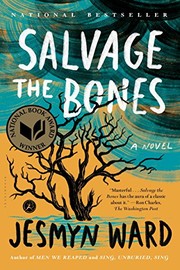
Salvage the Bones
Set in rural Mississippi in the days leading up to Hurricane Katrina, Salvage the Bones follows fifteen-year-old Esch Batiste and her three brothers as they navigate poverty, family tensions, and the looming threat of a devastating storm. Living with their father in a neglected community, the siblings struggle to prepare for the hurricane while confronting their own emotional and personal challenges. Esch, who is pregnant and quietly in love with her brother’s friend, finds parallels between her experiences and the mythological story of Medea. As the storm approaches, the family must rely on one another to survive. Through vivid storytelling and lyrical prose, Jesmyn Ward explores the bonds of family, the resilience of marginalized communities, and the enduring power of love amid hardship. The novel portrays the devastating intersection of poverty, race, and environmental disaster while celebrating the strength of those who endure.
United States
2012
7
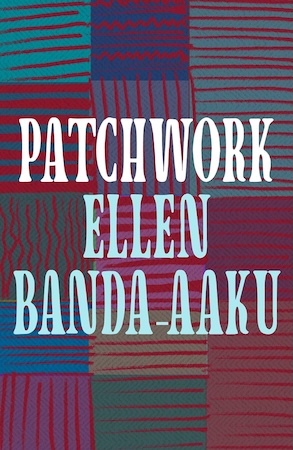
Patchwork
Set in Lusaka, Zambia, in the late 1970s, Patchwork follows Pumpkin, a nine-year-old girl growing up between two contrasting worlds: the relative comfort provided by her wealthy father, Joseph Sakavungo, and the instability of life with her mother, Totela Ponga, whose struggle with alcoholism threatens their fragile family life.
Born outside marriage, Pumpkin carries the stigma of her origins in a society where family reputation, social status, and traditional expectations shape people’s lives. Her father is a powerful businessman with political ambitions, and his involvement with multiple women creates a complicated web of jealousy, rivalry, and emotional dependence. As Pumpkin witnesses the consequences of adult choices, she begins to understand the contradictions underlying the respectable appearances of the people around her.
Spanning three generations of women, the novel explores the ways love, betrayal, addiction, and gender expectations shape family relationships. Against the backdrop of a young nation navigating political ambition and social change, Pumpkin must gradually piece together her identity from the fragments of her family’s troubled history. Tender, bittersweet, and perceptive, Patchwork examines how childhood experiences influence the adults we become.
Zambia
2011
8
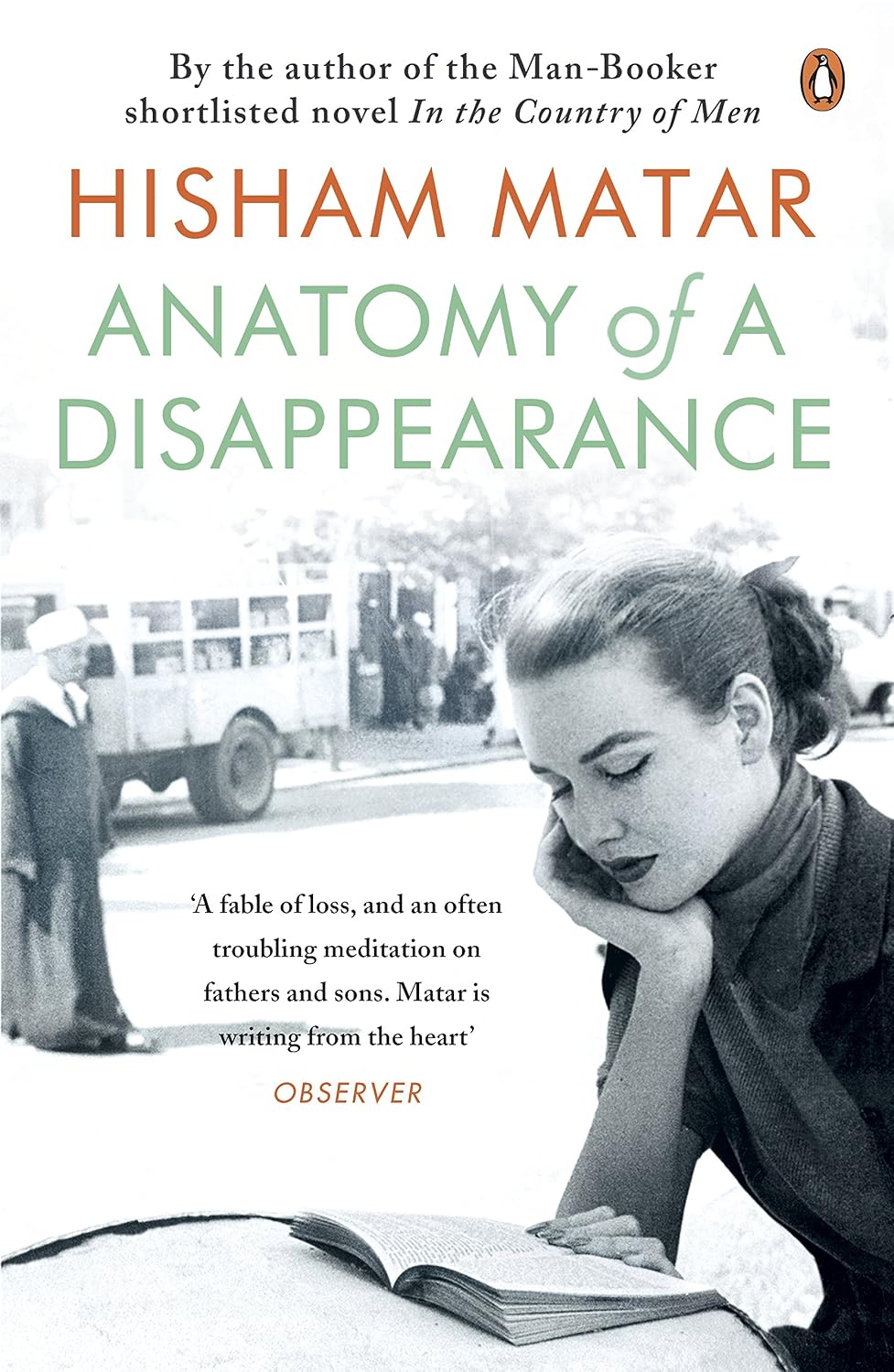
Anatomy of a Disappearance
Anatomy of a Disappearance follows Nuri el-Alfi, a young boy whose life is shaped by the mysterious disappearance of his father, Kamal, a wealthy Libyan exile and political dissident. After his mother’s death, Nuri becomes increasingly attached to Mona, his father’s second wife, whom he first encounters as a teenager while travelling with his father in England. When Kamal vanishes without explanation, Nuri is left struggling to understand the man he loved but never fully knew. As he grows older, he searches for clues about his father’s fate, confronting the silences, secrets, and uncertainties that surround his family’s past. Set against the backdrop of political repression and exile, the novel explores the fragile bonds between fathers and sons, the complexities of memory, and the ways absence can shape a person’s identity. Through restrained, lyrical prose, Hisham Matar examines how grief and longing transform our understanding of those we love, revealing how the search for a missing person can also become a search for oneself.
Libya
2011
9
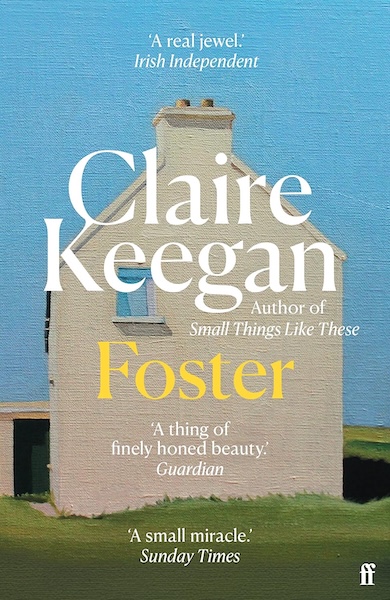
Foster
During the summer of 1981, an unnamed young girl is sent from her crowded family home to live with relatives in rural County Wexford while her mother prepares to give birth. Quiet and observant, she arrives at the Kinsellas’ farm uncertain of what awaits her. But unlike the home she has left behind, this household offers her tenderness, attention, and a sense of belonging she has never experienced before.
As the summer unfolds, the girl discovers the transformative power of being cared for. Yet beneath the peaceful routines of farm life lies a grief the Kinsellas rarely discuss. Through small gestures, unspoken truths, and the child’s growing awareness of the adult world, Claire Keegan creates a moving portrait of childhood and the complicated bonds between parents and children. Foster is a beautifully restrained novella about the families we are born into, the love we find unexpectedly, and the lasting impact of being seen and valued.
Ireland
2010
10
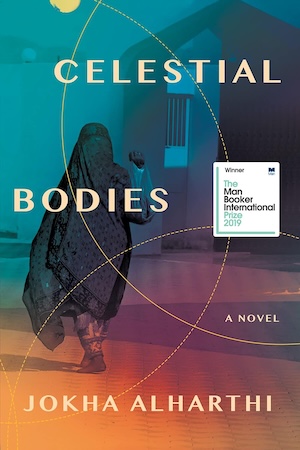
Celestial Bodies
In the Omani village of al-Awafi, three sisters navigate love, marriage, family expectations, and the changing world around them. Mayya marries Abdallah, the son of a wealthy merchant, after experiencing heartbreak. Asma enters marriage out of a sense of duty, while Khawla refuses every suitor, remaining devoted to the man she loves, who has emigrated to Canada.
Through the intertwined lives of these women and their extended family, Jokha Alharthi paints a richly layered portrait of Oman across generations. The novel moves between memories, personal histories, and shifting perspectives, gradually revealing how individual lives are shaped by social class, gender roles, and the legacy of slavery. As Oman transitions from a traditional society to a modern nation, its people struggle to reconcile inherited customs with new possibilities.
Poetic and intricately structured, Celestial Bodies explores the tension between personal desire and social obligation, showing how love, loss, and family secrets echo across generations. The novel won the 2019 Man Booker International Prize, shared by Alharthi and her translator, Marilyn Booth.
Oman
2010
11
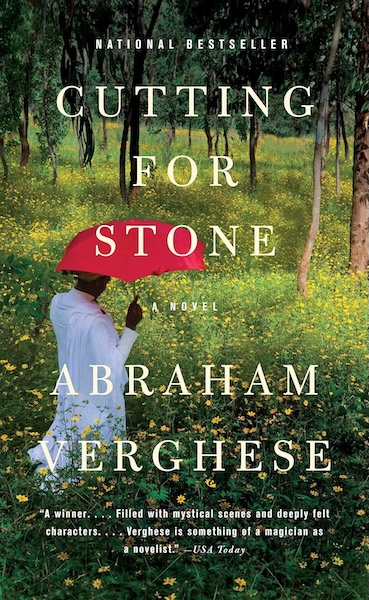
Cutting for Stone
In 1950s Addis Ababa, Ethiopia, twin brothers Marion and Shiva Stone are born from a secret relationship between an Indian nun and a British surgeon at a mission hospital. Their mother dies during childbirth, and their father disappears, leaving the twins to be raised by two devoted doctors who become their adoptive parents. Growing up surrounded by the world of medicine, the brothers develop an extraordinary bond and a shared fascination with surgery.
But as Ethiopia approaches revolution, their lives become entangled in forbidden love, jealousy, and betrayal. A devastating rupture drives Marion into exile in the United States, where he must confront the past he has tried to escape. When circumstances eventually bring him back to the world of his childhood, he faces the people and choices that shaped his life—and discovers that healing some wounds requires more than surgical skill.
Spanning continents and decades, Cutting for Stone is an epic story of brotherhood, sacrifice, and the complicated ties between parents and children. Abraham Verghese combines the intimate drama of a family saga with the intricate world of medicine, exploring how love, loss, and the accidents of birth can shape a person’s destiny.
Ethiopia
United States
2009
12
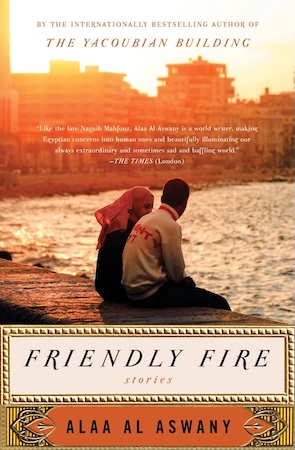
Friendly Fire
An Israeli family gathers for the holidays, but beneath the familiar rituals lie old resentments, unspoken fears, and questions about the meaning of home. Amotz Yaari, a successful engineer, and his wife, Daniela, find their carefully ordered lives disrupted by a family crisis that sends Daniela travelling to Africa to visit her widowed brother-in-law. Meanwhile, their son is serving in the Israeli army, and the family struggles to reconcile its private concerns with the realities of military service and political conflict. Moving between domestic life and distant landscapes, Friendly Fire examines the fragile bonds that hold families together and the ways war infiltrates even the most intimate relationships.
Egypt
2009
About this theme
- Books
- 105
- Countries
- 49
Countries with this theme
Afghanistan
Asia
Argentina
South America
Armenia
Asia
Australia
Oceania
Bosnia and Herzegovina
Europe
Botswana
Africa
Brazil
South America
Canada
North America
Central African Republic
Africa
Chile
South America
China
Asia
Colombia
South America
Croatia
Europe
Cuba
North America
Djibouti
Africa
Dominican Republic
North America
Egypt
Africa
Ethiopia
Africa
France
Europe
Georgia
Asia
Germany
Europe
Hungary
Europe
India
Asia
Iran
Asia
Iraq
Asia
Ireland
Europe
Italy
Europe
Japan
Asia
Lebanon
Asia
Libya
Africa
Mexico
North America
Netherlands
Europe
Nigeria
Africa
Norway
Europe
Oman
Asia
Pakistan
Asia
Palestine
Asia
Poland
Europe
Russia
Europe
Singapore
Asia
South Africa
Africa
South Korea
Asia
Sweden
Europe
Switzerland
Europe
Taiwan
Asia
Türkiye
Asia
United Kingdom
Europe
United States
North America
Zambia
Africa