Family & Heritage
Sagas of lineage, tradition, and the ties that bind generations.
All countries
Afghanistan
Argentina
Armenia
Australia
Bosnia and Herzegovina
Botswana
Brazil
Canada
Central African Republic
Chile
China
Colombia
Croatia
Cuba
Djibouti
Dominican Republic
Egypt
Ethiopia
France
Georgia
Germany
Hungary
India
Iran
Iraq
Ireland
Italy
Japan
Lebanon
Libya
Mexico
Netherlands
Nigeria
Norway
Oman
Pakistan
Palestine
Poland
Russia
Singapore
South Africa
South Korea
Sweden
Switzerland
Taiwan
Türkiye
United Kingdom
United States
Zambia
1
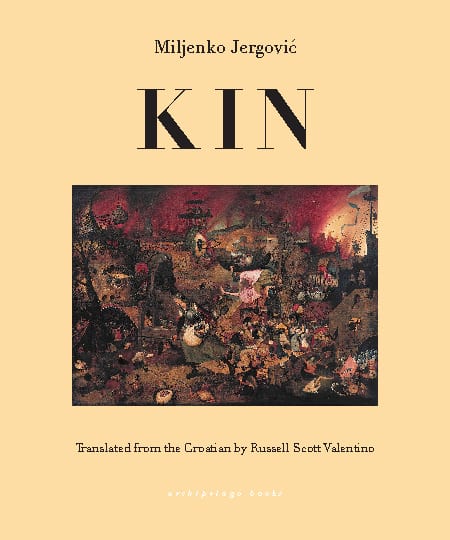
Kin
Spanning the twentieth century, Kin is an expansive family saga that traces generations of one family through the turbulent history of the Balkans. Beginning with forgotten relatives and seemingly insignificant objects—a grandfather’s beekeeping journals, a rusty lighter, an old military raincoat—Miljenko Jergović reconstructs a world shaped by personal memories, family secrets, and historical upheaval. From the assassination of Archduke Franz Ferdinand and the two World Wars to the Cold War and the Bosnian War of the 1990s, the novel follows the transformations of Sarajevo and the changing identities of the people who call it home. Blending memoir, fiction, and historical reflection, Jergović explores how political violence and shifting borders reverberate through ordinary lives. At its heart, Kin is a meditation on belonging, memory, and the fragile connections between generations—a tribute to a multicultural world threatened by nationalism, intolerance, and forgetting.
Bosnia and Herzegovina
2021
2
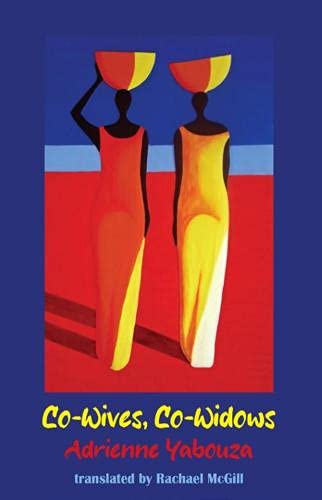
Co-Wives, Co-Widows
Set in Bangui, the capital of the Central African Republic, Co-Wives, Co-Widows tells the story of Ndongo Passy and Grekpoubou, two women who share a husband and have developed a close relationship despite the complexities of their family arrangement. When their husband, Lidou, a successful building contractor, suddenly dies, his opportunistic relatives accuse the women of poisoning him in an attempt to seize his property and inheritance.
Expelled from their home and deprived of their security, the two widows must find a way to protect themselves and their children. As they confront corruption, patriarchal traditions, and a justice system that offers them little protection, they discover that their greatest strength lies in their solidarity with one another and with other women in their community.
Combining humour, social satire, and vivid portrayals of everyday life, Yabouza explores women’s rights, economic vulnerability, and the unequal treatment of widows. Against a backdrop of political instability and social change, the novel celebrates female friendship and collective resistance, showing how women can challenge injustice by standing together.
Central African Republic
2021
3
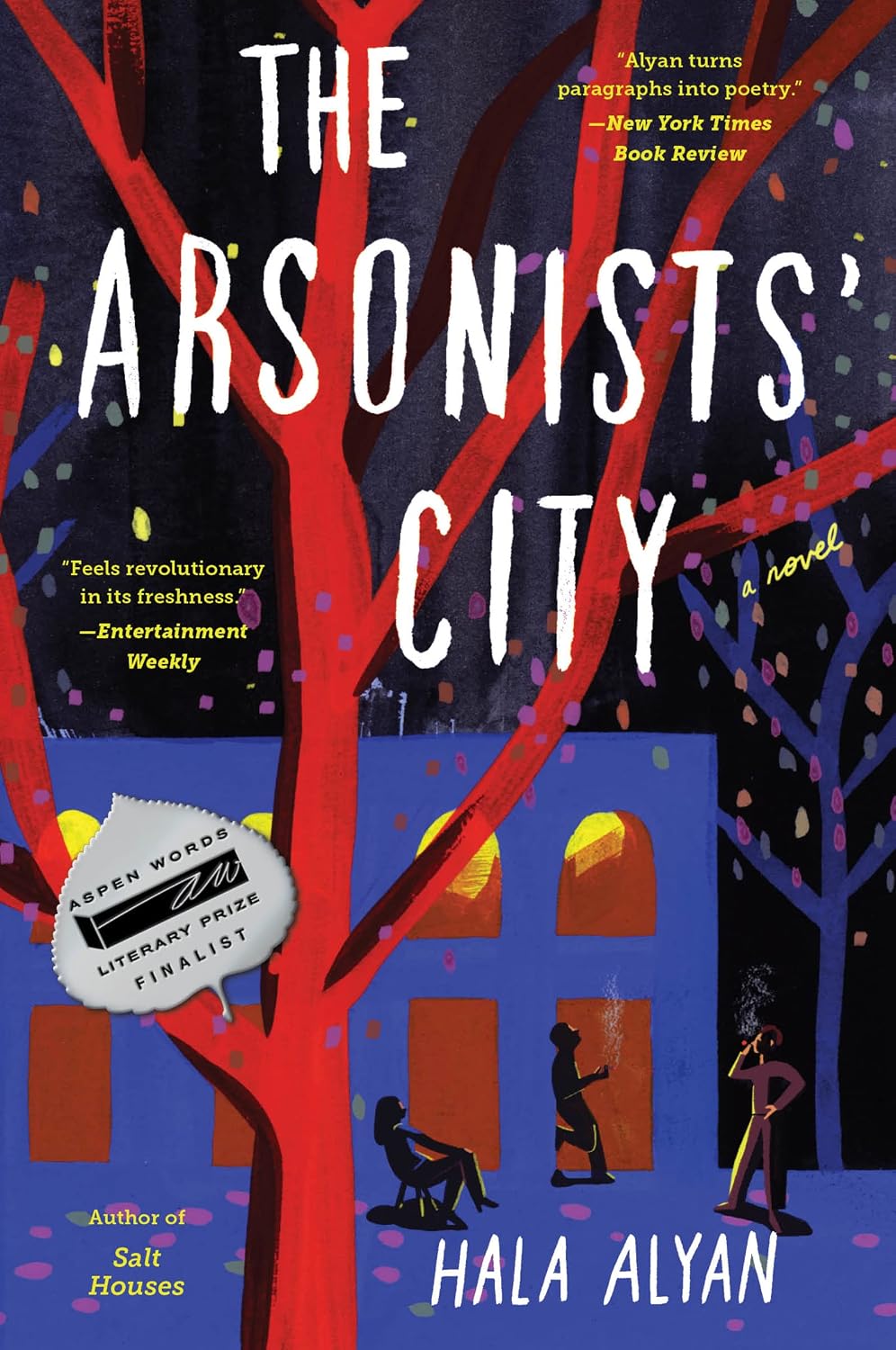
The Arsonists' City
The Arsonists’ City follows the Nasr family, whose members are scattered across Beirut and the United States but remain connected by their shared history and their ancestral home in Lebanon. When Idris decides to sell the Beirut house following his father’s death, his wife, Mazna, and their three adult children return to prevent the sale. Their reunion brings buried secrets, old romantic entanglements, and unresolved resentments to the surface. Through shifting timelines, Alyan reveals how the family came together and how migration, political conflict, and personal choices gradually shaped their relationships. Each family member has developed a different understanding of home, belonging, and responsibility, creating tensions that threaten to pull them apart. Against the backdrop of Lebanon’s turbulent history, the novel explores intergenerational trauma, cultural identity, and the complicated bonds that connect people to their families and places of origin.
Lebanon
2021
4
Three Apples Fell from the Sky
Set in the remote Armenian mountain village of Maran, Three Apples Fell from the Sky follows a close-knit community whose inhabitants live according to longstanding traditions, local legends, and a shared understanding of the world. When Anatolia, an elderly woman who has spent her life in the village, becomes convinced that she is about to die, an unexpected visit brings the possibility of a new beginning. Her story unfolds alongside those of other villagers, revealing old rivalries, unexpected affection, and the quiet resilience that sustains their community. Blending humour, folklore, and magical realism, Abgaryan portrays a place where hardship exists alongside everyday tenderness. The novel celebrates the strength of human connection, the importance of preserving cultural traditions, and the small miracles that can transform lives even in a community seemingly forgotten by the outside world.
Armenia
2021
5
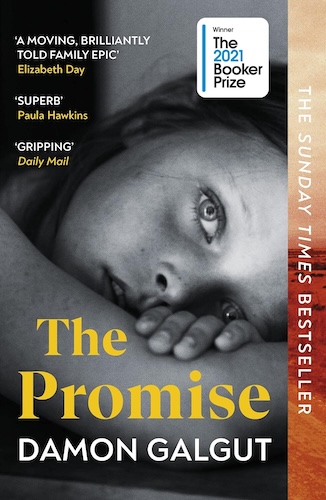
The Promise
The Promise follows the Swart family, white South Africans living on a farm outside Pretoria, across several decades of political and social transformation. The story begins with the death of Rachel, the family matriarch, who extracts a promise from her husband: that their Black domestic worker, Salome, will receive ownership of the small house where she has lived for years. However, the promise is repeatedly postponed and ultimately neglected, becoming a symbol of the family’s moral failures and the enduring inequalities of South African society. Through the lives of the Swart siblings—Anton, Astrid, and Amor—Damon Galgut examines how resentment, guilt, privilege, and personal disillusionment shape relationships across generations. The novel’s shifting narrative perspective and distinctive structure mirror the family’s fragmentation and the country’s unfinished reckoning with its past. Spanning the final years of apartheid and the decades that follow, The Promise explores the gap between words and actions, revealing how unfulfilled obligations can expose the deepest contradictions within a family and a nation.
South Africa
2021
6
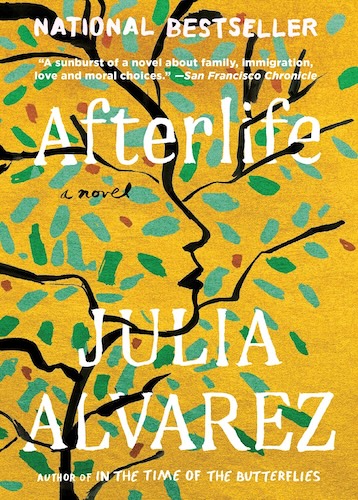
Afterlive
What do we owe the people who need us when we are barely holding ourselves together? Antonia Vega, a recently retired literature professor, is still reeling from the sudden death of her beloved husband when her life begins to unravel further: her unpredictable sister disappears, and a pregnant, undocumented teenager turns up seeking shelter. Accustomed to finding answers in books, Antonia discovers that grief and compassion demand more than words. Set in rural Vermont, this intimate, quietly powerful novel explores sisterhood, immigration, moral responsibility, and the courage it takes to begin again. As Antonia navigates a world fractured by fear and distrust, she must decide how to honour her own needs without turning away from the suffering of others.
Dominican Republic
2020
7
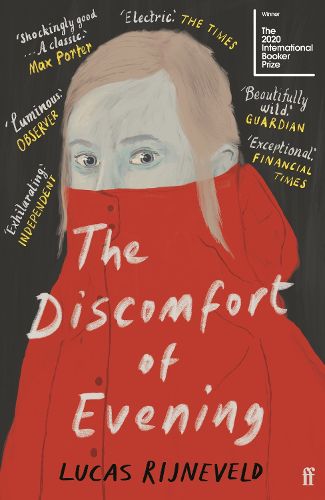
The Discomfort of Evening
Ten-year-old Jas lives with her deeply religious family on a dairy farm in the rural Netherlands. Her world is shaped by strict religious beliefs, the rhythms of farm life and the unspoken rules governing her family. When her older brother Matthies dies in an accident, Jas struggles to understand the loss and begins to believe that her childhood prayer may somehow have caused his death. As grief settles over the household, her parents withdraw into their own suffering, leaving Jas and her siblings increasingly isolated. Unable to express her fear and confusion directly, Jas retreats into a disturbing inner world filled with strange fantasies, bodily anxieties and dark imaginings. Through the child’s unsettling perspective, Rijneveld portrays a family gradually disintegrating under the weight of unprocessed grief and religious guilt. The novel’s vivid, often shocking imagery captures the vulnerability of childhood and the desperate search for meaning when familiar structures of belief and family life begin to collapse. Winner of the 2020 International Booker Prize, the novel is a haunting exploration of loss, repression and the limits of understanding.
Netherlands
2020
8
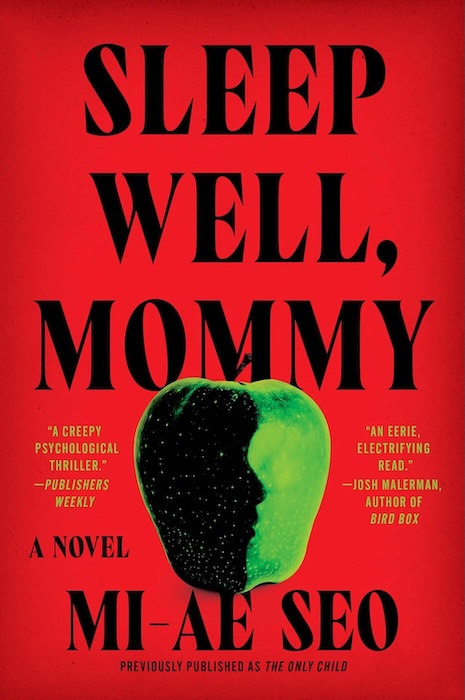
Sleep Well, Mommy
Sleep Well, Mommy, also published in English as The Only Child, is a psychological thriller that explores the disturbing connections between childhood, violence, and the origins of evil.
Seonkyeong, a criminal psychologist, receives an unexpected opportunity when Yi Byeongdo, a notorious serial killer who has refused to speak publicly, agrees to be interviewed by her. At the same time, her husband brings his eleven-year-old daughter, Hayeong, to live with them following the mysterious deaths of the grandparents who had been raising her. Seonkyeong initially tries to welcome the girl into their home, but Hayeong’s unsettling behaviour soon begins to trouble her.
As Seonkyeong investigates the pasts of both the killer and her stepdaughter, she discovers disturbing similarities between them. The more she learns, the more she questions what she thought she understood about Hayeong and the circumstances surrounding her family’s deaths.
Blending domestic suspense with criminal psychology, Seo’s novel examines the relationship between childhood trauma, family secrets, and the nature of evil.
South Korea
2020
9
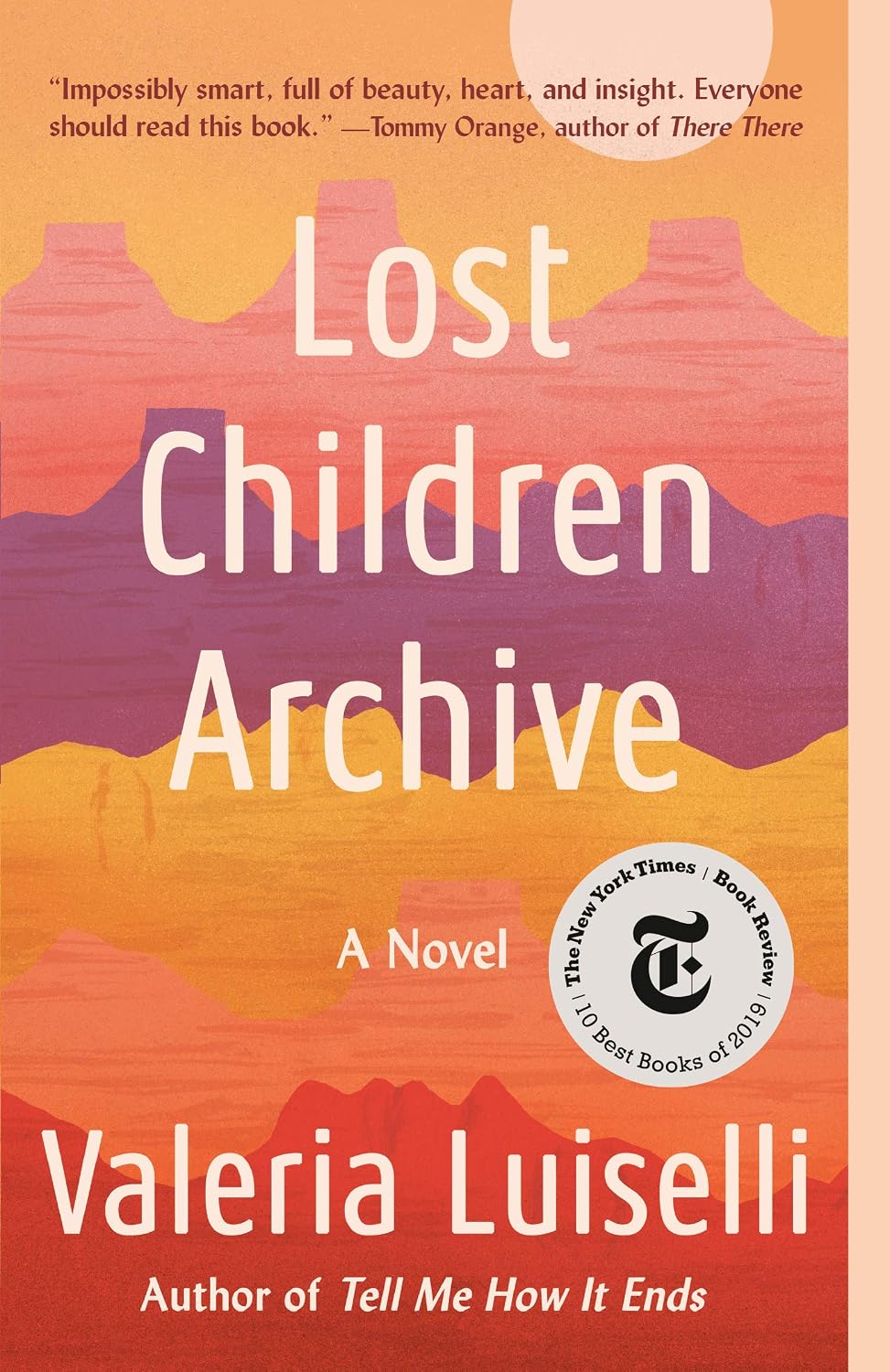
Lost Children Archive
Lost Children Archive follows a family of four on a road trip from New York to the American Southwest. The parents, both documentarians, are working on separate projects: the father is recording the sounds of disappearing Apache communities, while the mother is researching the stories of migrant children who have crossed the US–Mexico border alone. As they travel through the vast American landscape, their professional interests begin to shape the family’s conversations and expose growing tensions in their marriage.
Through the perspectives of the mother and, later, her young son, the novel explores the distance between adults and children, the limits of storytelling, and the moral responsibility of witnessing other people’s suffering. The family’s journey becomes intertwined with the experiences of two migrant children whose fate remains uncertain. Blending documentary fragments, photographs, maps, and literary references, Valeria Luiselli examines migration, displacement, and the ways families preserve or lose their histories. The novel asks how we can listen to stories of suffering without reducing them to distant headlines.
Mexico
2020
10
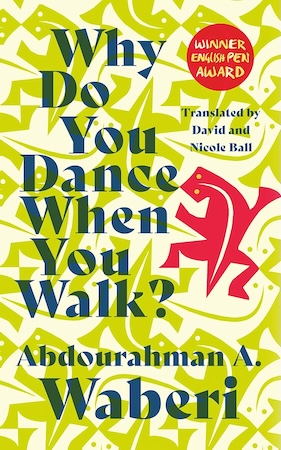
Why Do You Dance When You Walk
One morning in Paris, eight-year-old Béa asks her father, Aden, a deceptively simple question: “Papa, why do you dance when you walk?” Her curiosity about his unusual gait prompts him to revisit the childhood experiences that shaped his life, taking readers from contemporary France to Djibouti during the years leading up to independence.
Growing up in a poor neighbourhood marked by dust, heat, and hardship, Aden was a bright but physically vulnerable child. After contracting polio at the age of seven, he was left with a weakened leg that made him stand out among his peers. His childhood becomes a story of illness, loneliness, and resilience, shaped by his complicated relationship with his mother, his beloved grandmother, and the colourful characters who inhabit his neighbourhood.
Through Aden’s memories, Waberi evokes a world on the threshold of political independence while exploring the intimate realities of growing up in a society shaped by colonialism. The novel is also a meditation on parenthood: as Aden answers his daughter’s questions, he reflects on how the wounds of childhood influence the stories we tell our own children.
Poetic and deeply personal, this short novel explores disability, family, memory, and the transformative power of storytelling. It asks how we learn to live with our scars—and how even the most difficult experiences can become part of the dance of being alive.
Djibouti
2019
11
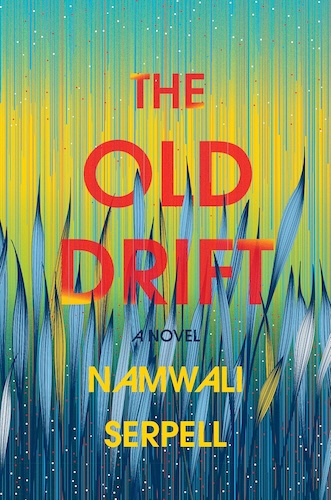
The Old Drift
Beginning in 1904, near the magnificent Victoria Falls, The Old Drift follows three families whose lives become entangled across more than a century of Zambian history. It begins with a seemingly minor incident involving Percy M. Clark, a British settler, an Italian hotelier, and an African busboy—a mistake whose consequences ripple through generations. As the story unfolds, the families experience colonial rule, the struggle for independence, political upheaval, and the uncertainties of a rapidly changing modern world. Their histories are filled with forbidden love, betrayals, extraordinary ambitions, and unexpected connections. Serpell combines historical fiction with magical realism, folklore, romance, and science fiction, even imagining a future shaped by technological innovation and surveillance. The narrative itself is unconventional, narrated in part by a collective chorus of mosquitoes observing humanity’s follies. Ambitious, inventive, and richly layered, The Old Drift is both a multigenerational family saga and a meditation on how the past continues to shape the future of a nation. Through its interwoven lives, the novel explores the lasting legacies of colonialism, the complexity of national identity, and the unintended consequences of human actions.
Zambia
2019
12
Where Reasons End
Where Reasons End is an intimate, deeply moving novel about a mother’s grief following the death of her teenage son, Nikolai. Unable to accept his absence, the narrator imagines a series of conversations with him in a world suspended between life and death. Through their exchanges, mother and son revisit memories, question language, discuss literature, and reflect on the complexities of their relationship.
Rather than offering simple explanations for an unbearable loss, Yiyun Li explores the limits of understanding and the ways words can both connect people and fail to express what matters most. Their conversations move between tenderness, humour, frustration, and sorrow, revealing the ordinary details that make a relationship unique.
Written in the aftermath of the author’s own loss, the novel blurs the boundaries between fiction and personal experience. It is a profound meditation on motherhood, grief, memory, and the enduring bond between a parent and a child.
China
2019
About this theme
- Books
- 105
- Countries
- 49
Countries with this theme
Afghanistan
Asia
Argentina
South America
Armenia
Asia
Australia
Oceania
Bosnia and Herzegovina
Europe
Botswana
Africa
Brazil
South America
Canada
North America
Central African Republic
Africa
Chile
South America
China
Asia
Colombia
South America
Croatia
Europe
Cuba
North America
Djibouti
Africa
Dominican Republic
North America
Egypt
Africa
Ethiopia
Africa
France
Europe
Georgia
Asia
Germany
Europe
Hungary
Europe
India
Asia
Iran
Asia
Iraq
Asia
Ireland
Europe
Italy
Europe
Japan
Asia
Lebanon
Asia
Libya
Africa
Mexico
North America
Netherlands
Europe
Nigeria
Africa
Norway
Europe
Oman
Asia
Pakistan
Asia
Palestine
Asia
Poland
Europe
Russia
Europe
Singapore
Asia
South Africa
Africa
South Korea
Asia
Sweden
Europe
Switzerland
Europe
Taiwan
Asia
Türkiye
Asia
United Kingdom
Europe
United States
North America
Zambia
Africa