Family & Heritage
Sagas of lineage, tradition, and the ties that bind generations.
All countries
Afghanistan
Argentina
Armenia
Australia
Bosnia and Herzegovina
Botswana
Brazil
Canada
Central African Republic
Chile
China
Colombia
Croatia
Cuba
Djibouti
Dominican Republic
Egypt
Ethiopia
France
Georgia
Germany
Hungary
India
Iran
Iraq
Ireland
Italy
Japan
Lebanon
Libya
Mexico
Netherlands
Nigeria
Norway
Oman
Pakistan
Palestine
Poland
Russia
Singapore
South Africa
South Korea
Sweden
Switzerland
Taiwan
Türkiye
United Kingdom
United States
Zambia
1
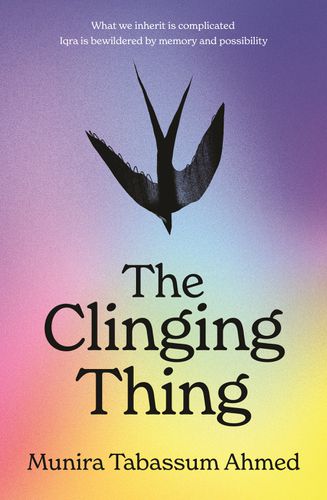
The Clinging Thing
After the loss of a pregnancy, Iqra returns to her mother’s home in the place where she grew up, seeking a way forward while struggling with grief and the weight of memory. As she revisits the stories of her parents and the generations of women who came before her, the boundaries between past and present begin to blur. Memories, dreams, and uncertainties intertwine as Iqra confronts the complicated ties that bind families together.
Set within a Bangladeshi-Australian cultural context, The Clinging Thing explores motherhood, inherited expectations, faith, and the obligations we feel toward those who shaped our lives. Through Iqra’s return to her roots, Munira Tabassum Ahmed examines the tension between honouring family history and finding the freedom to define one’s own future. Poetic and introspective, the novel reflects on grief, intergenerational relationships, and the possibility of discovering wonder even when the future remains uncertain.
Australia
2026
2
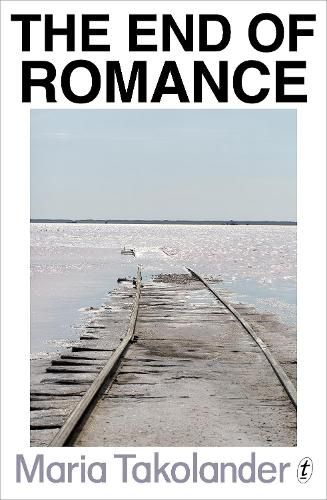
The End of Romance
Set in a dystopian future devastated by environmental collapse, The End of Romance follows a mother and her son as they struggle to survive in a world where nature has become hostile and human society is crumbling. Thorn-bearing plants dominate the landscape, toxic fogs make life increasingly dangerous, and communities face relentless hardship. While some people attempt to survive independently, others remain trapped within increasingly authoritarian systems.
The woman’s son attends a military school, like all boys his age. When he reaches sixteen, he will be sent to a distant planet known as the Promised Land to fight in a colonising war presented as humanity’s only hope for survival. Determined to protect her child, his mother begins questioning the world she has accepted. Her encounter with a mysterious young man who has somehow escaped conscription offers a possible route to sanctuary.
Combining dystopian fiction with unsettling social commentary, Takolander explores motherhood, sacrifice, environmental destruction, and the myths societies create to justify violence. The novel asks what it means to remain human when survival demands extraordinary moral compromises.
Australia
2026
3
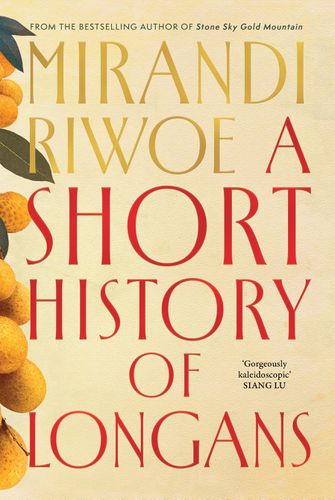
A Short History of Longans
Spanning nearly two centuries, A Short History of Longans traces the intertwined lives of four generations of an Irish-Chinese family in Australia, exploring how ancestry, memory, and historical upheaval shape a sense of belonging.
The story opens in Queensland in 2049, where Daniel, an elderly and reclusive artist, faces the destruction of his beloved longan tree after a devastating storm. When a young reporter arrives seeking answers about a troubling event in his past, Daniel’s carefully guarded life begins to unravel. The narrative then travels backwards through time, revealing the experiences of his aunt Wendy, who struggles with early-onset dementia, and Ruby Wong, a Chinese Australian actress pursuing her ambitions in 1940s Los Angeles. Finally, the novel reaches the nineteenth century, where an Irish orphan named Maria Lyons falls in love with Ah Yang, a Chinese man whose life will shape the family’s future.
Through these interconnected stories, Riwoe examines migration, racial prejudice, family secrets, and the ways identity is passed down through generations. The longan tree becomes a symbol of heritage and continuity, connecting people to the places and histories that make them who they are.
Australia
2026
4
Cloudstreet
Cloudstreet tells the story of two working-class Australian families, the Pickles and the Lambs, who come to share a large, weathered house in Perth after separate family tragedies. Over two decades, their lives become intertwined through births, deaths, arguments, reconciliations, and everyday routines. The Pickles are impulsive and frequently unlucky, while the Lambs are guided by faith, discipline, and a strong sense of responsibility. Despite their differences, both families struggle with grief, poverty, and the desire to create a better future for their children. Winton combines realism, humour, folklore, and supernatural elements to portray the complexity of ordinary lives. The house itself becomes a powerful symbol of shared history, suggesting that healing and belonging can emerge from the unexpected connections between people.
Australia
1991
About this theme
- Books
- 4
- Countries
- 49
Countries with this theme
Afghanistan
Asia
Argentina
South America
Armenia
Asia
Australia
Oceania
Bosnia and Herzegovina
Europe
Botswana
Africa
Brazil
South America
Canada
North America
Central African Republic
Africa
Chile
South America
China
Asia
Colombia
South America
Croatia
Europe
Cuba
North America
Djibouti
Africa
Dominican Republic
North America
Egypt
Africa
Ethiopia
Africa
France
Europe
Georgia
Asia
Germany
Europe
Hungary
Europe
India
Asia
Iran
Asia
Iraq
Asia
Ireland
Europe
Italy
Europe
Japan
Asia
Lebanon
Asia
Libya
Africa
Mexico
North America
Netherlands
Europe
Nigeria
Africa
Norway
Europe
Oman
Asia
Pakistan
Asia
Palestine
Asia
Poland
Europe
Russia
Europe
Singapore
Asia
South Africa
Africa
South Korea
Asia
Sweden
Europe
Switzerland
Europe
Taiwan
Asia
Türkiye
Asia
United Kingdom
Europe
United States
North America
Zambia
Africa