Short Stories
All countries
Argentina
Armenia
Austria
Benin
Bhutan
Bosnia and Herzegovina
Bulgaria
Croatia
Denmark
Ethiopia
Finland
Hungary
Iceland
India
Ireland
Jamaica
Japan
Jordan
Kazakhstan
Kenya
Kuwait
Nigeria
Norway
Pakistan
Palestine
Romania
Rwanda
Singapore
Taiwan
Türkiye
Turkmenistan
Uganda
Ukraine
United Kingdom
United States
1
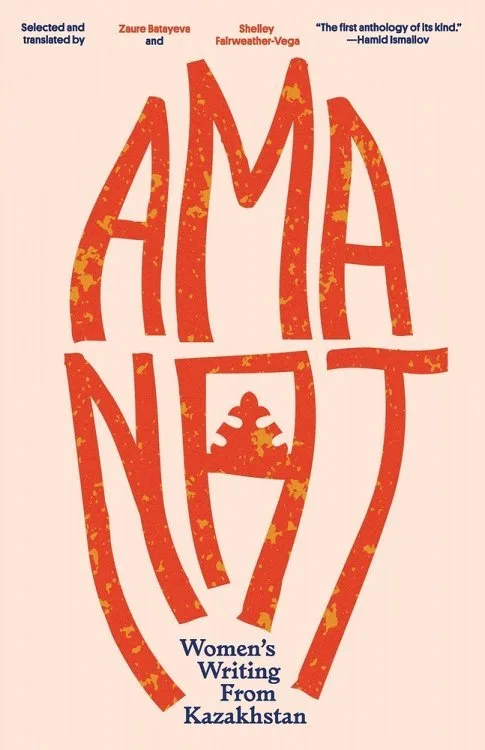
Amanat: Women’s Writing from Kazakhstan
Amanat: Women’s Writing from Kazakhstan is a landmark anthology bringing together 24 short stories and essays by 13 women writers from three generations of Kazakhstani life. Translated from Kazakh and Russian into English, the collection offers an intimate portrait of a country negotiating the complicated legacies of Soviet rule, independence, and rapid social change. Its stories move between rural villages and urban landscapes, family homes and public spaces, exploring the lives of women whose experiences have often remained outside international literary conversations. Some pieces revisit the trauma of Stalinist repression, famine, and political protest, while others examine marriage, motherhood, loneliness, generational conflict, and the uncertainties of contemporary life. Together, the writers reveal a society shaped by competing cultural influences and evolving ideas about identity and belonging. The title, Amanat, evokes a trust, promise, or precious legacy entrusted to another for safekeeping. True to this meaning, the anthology preserves and shares the voices of Kazakhstani women, creating a literary bridge between generations, languages, and cultures.
Kazakhstan
2022
2
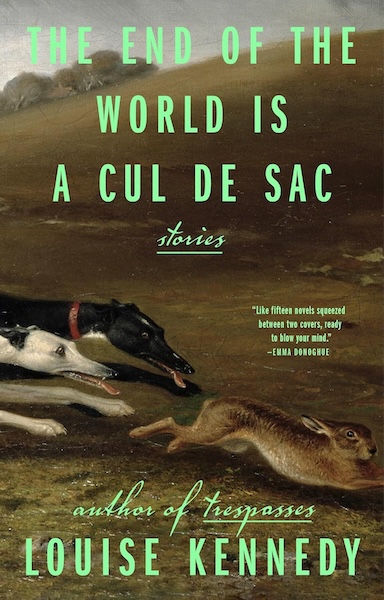
The End of the World Is a Cul de Sac
In this striking collection of fifteen short stories, ordinary lives unravel in unexpected ways. A newly married woman finds herself abandoned in a half-finished housing estate; a mother grows increasingly suspicious of her husband’s relationship with a teenage girl; a woman struggles with guilt after an abortion threatens her marriage. Across these stories, Louise Kennedy’s characters confront betrayal, poverty, violence, loneliness, and the quiet desperation of lives that have not turned out as planned.
Set against the landscapes and social realities of Ireland, the collection reveals how private struggles are shaped by wider forces, from the legacy of the Troubles to restrictive expectations placed on women. Kennedy balances bleak humour with moments of tenderness and beauty, finding humanity in characters who are often flawed, trapped, or complicit in their own unhappiness. The End of the World Is a Cul de Sac is an unflinching portrait of people at breaking points, exploring how cruelty and vulnerability coexist—and how unexpected glimpses of hope can emerge from the most difficult circumstances.
United Kingdom
2021
3
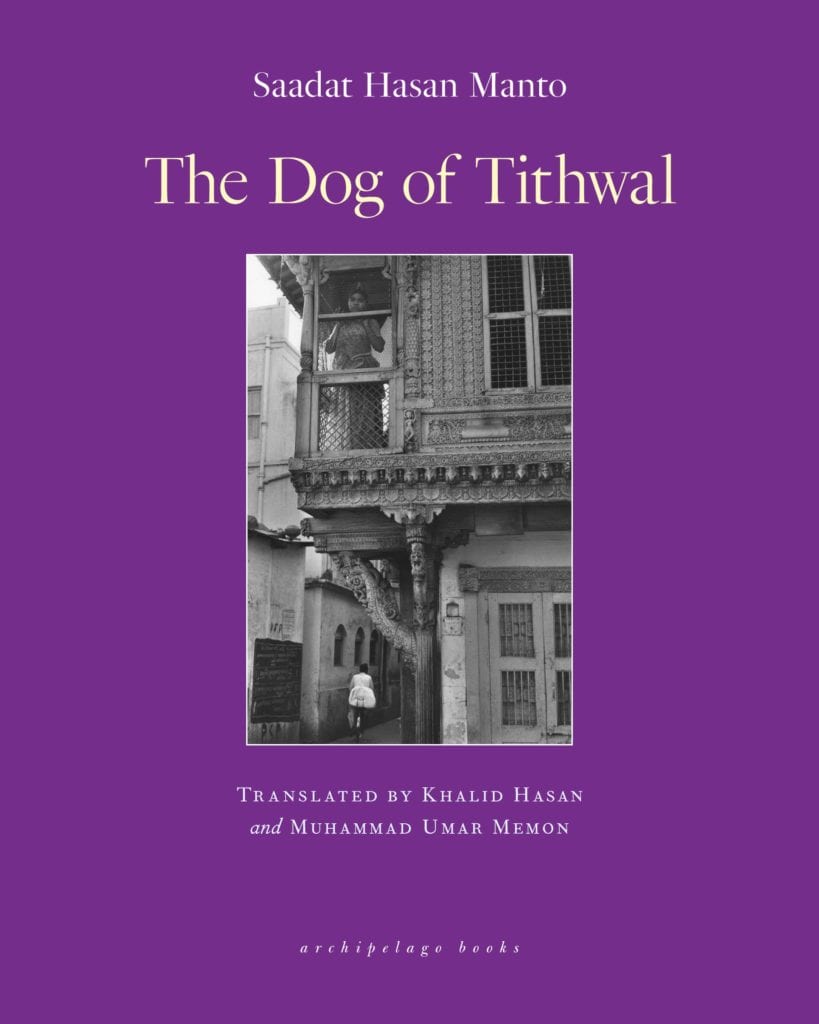
The Dog of Tithwal
On the mountainous border between India and Pakistan, two groups of soldiers face each other in a tense military standoff. Their routine is interrupted by the arrival of a stray dog, an innocent creature that wanders between the opposing camps. The soldiers begin to claim the dog as their own, giving it names and interpreting its movements as signs of loyalty or betrayal. What begins as a seemingly harmless game gradually turns sinister, exposing the absurdity of nationalism and the cruelty of a conflict in which even an animal cannot remain neutral. With biting irony and devastating simplicity, Saadat Hasan Manto transforms this brief encounter into a powerful allegory of Partition and the violence produced by artificial divisions. The story asks what happens to humanity when political identity becomes more important than compassion—and when the innocent are made to pay for the hostility of others.
Pakistan
2021
4
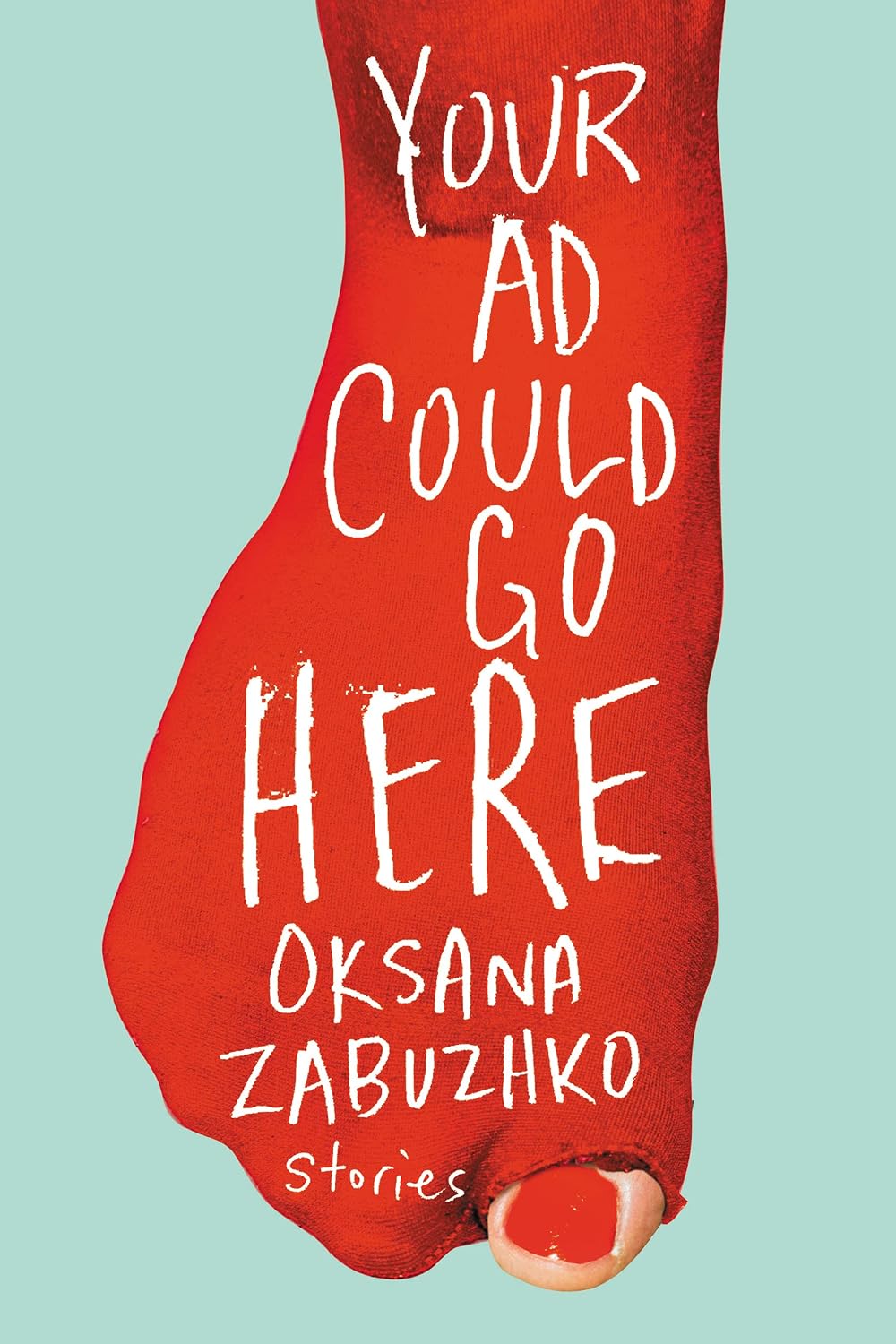
Your Ad Could Go Here: Stories
In Your Ad Could Go Here: Stories, Ukrainian writer Oksana Zabuzhko brings together a collection of fiction exploring the intimate connections between personal experience, collective memory, and national identity. Originally published in Ukrainian in 2014, the collection moves between the political upheavals of independent Ukraine and the seemingly ordinary dramas of everyday life, revealing how history shapes even the most private moments.
Through stories involving the Orange Revolution, family rivalries, romantic encounters, and unexpected personal triumphs, Zabuzhko examines the stories people tell themselves to make sense of their lives. Her characters navigate the complicated relationship between truth and illusion, individual desires and collective expectations, and the past and present. Myth, folklore, and fairy-tale elements frequently enter these recognisable settings, unsettling the boundary between what is real and what is imagined.
Lyrical, intellectually playful, and sharply observant, the collection explores how personal narratives become intertwined with cultural memory. Zabuzhko asks how individuals and nations construct their identities—and what happens when the stories that sustain them begin to unravel.
Ukraine
2020
5
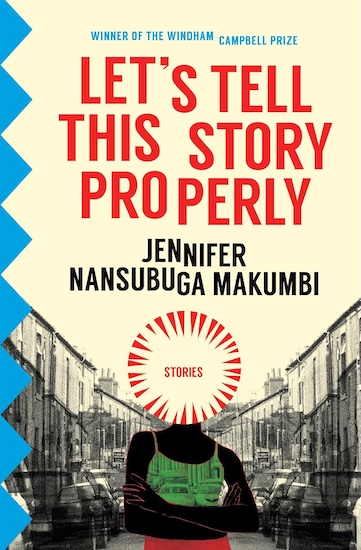
Let's Tell This Story Properly
In Let’s Tell This Story Properly, Jennifer Nansubuga Makumbi explores the experiences of Ugandans living in Britain, examining how migration reshapes identity, family relationships, and the meaning of home. Across a collection of interconnected stories, her characters navigate the challenges of building lives in a country where they may be highly visible as workers and neighbours yet remain socially marginalised. From airport security staff to healthcare workers and families divided between continents, the stories reveal the everyday realities of belonging to more than one place.
The title story follows Nnam, a Ugandan woman living in Manchester, who returns to Uganda with her husband’s body for his funeral rites. There, she discovers that the life she thought she understood concealed painful secrets. Other stories explore the difficult adjustment of immigrants, generational tensions within diaspora families, and the ways cultural expectations persist across distance. Characters often find themselves caught between the home they left and the new home they are trying to make, never feeling entirely at ease in either.
With emotional depth, sharp observation, and occasional dark humour, Makumbi portrays migration as more than a geographical journey. It is also a process of renegotiating family loyalties, cultural identity, and personal history. The collection asks how far people must travel to find belonging—and what happens when the meaning of home changes while they are away.
Uganda
United Kingdom
2019
6
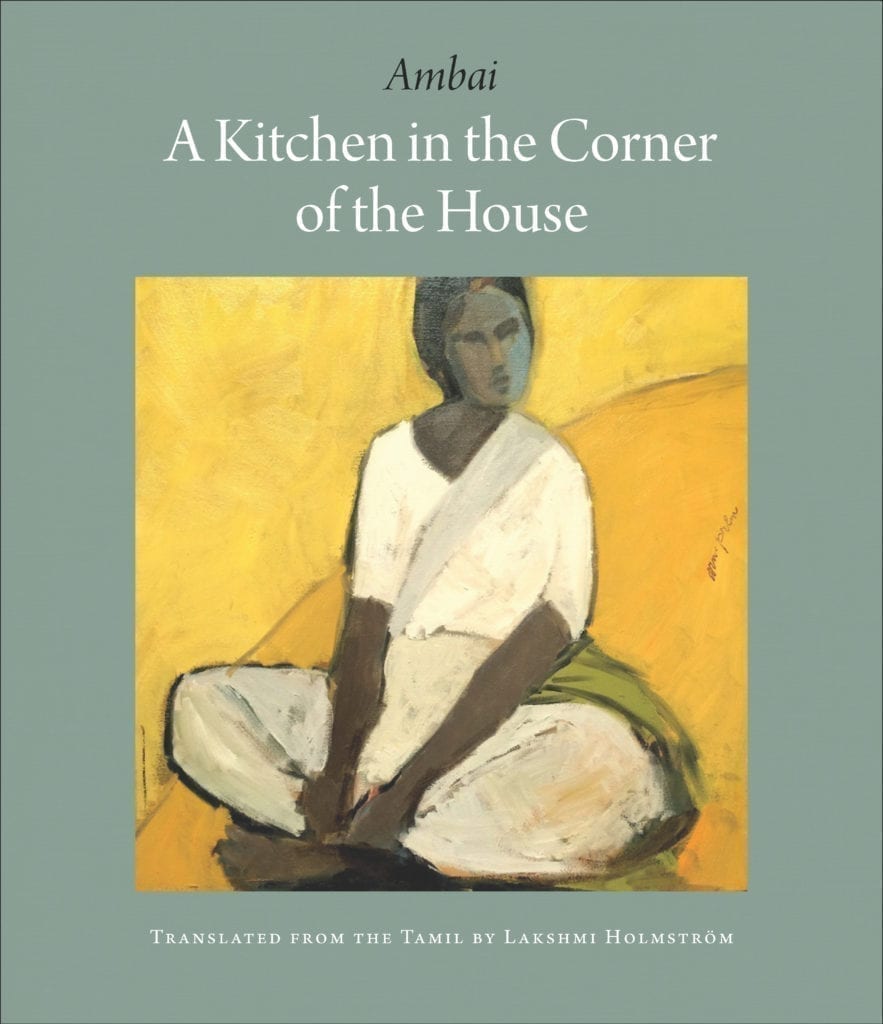
A Kitchen in the Corner of the House
In this rich collection of short stories, Ambai explores the lives of women navigating the competing demands of family, tradition, love, and personal freedom in India. Moving between domestic spaces and wider social worlds, her characters include wives questioning their marriages, mothers negotiating the bonds between generations, and women discovering possibilities beyond the roles society has assigned them. The kitchen in the title story becomes a powerful symbol of women’s lives: a space associated with domestic labour and confinement, yet also one where women exercise influence, preserve traditions, and create their own forms of power. Through fragmented narratives, letters, memories, and mythological references, Ambai captures the contradictions of womanhood with warmth, humour, and quiet rebellion. Her stories challenge the assumption that liberation must mean rejecting one’s roots, instead revealing how women can reshape their worlds while remaining connected to their histories, relationships, and cultural identities.
India
2019
7
Heads of the Colored People
In Heads of the Colored People, Nafissa Thompson-Spires explores race, identity, and belonging in contemporary Black America. Through interconnected stories, she examines the complexities of social expectations, cultural stereotypes, and the pressures of navigating identity in a society shaped by racial inequality.
United States
2019
8
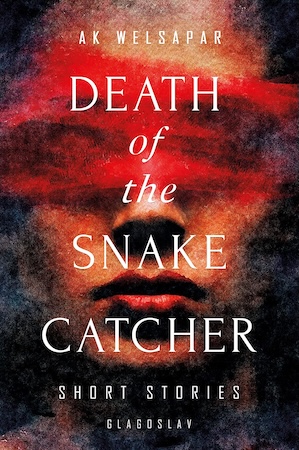
Death of the Snake Catcher
Set against the stark beauty of Central Asia, Death of the Snake Catcher is a collection of short stories by Turkmen writer Ak Welsapar, blending magical realism, folklore, political commentary, and intimate portraits of human life. The title story follows an elderly snake catcher who confronts a giant cobra in the heart of the desert. Their encounter becomes a symbolic dialogue about humanity’s relationship with the natural world, exploring the uneasy balance between fear, power, vulnerability, and survival. Elsewhere in the collection, Welsapar depicts lovers separated by political divisions, young people confronting injustice, and ordinary individuals navigating a world shaped by repression and uncertainty. His stories move between the mythical and the everyday, revealing the emotional richness of Turkmen culture while exposing the pressures faced by people living under authoritarian rule. Drawing on vivid landscapes and expressive storytelling, Welsapar portrays characters who endure hardship with remarkable resilience and optimism. The collection offers an unusual literary window into a country whose culture and experiences remain relatively unfamiliar to many international readers.
Turkmenistan
2018
9

Scenes from a Childhood
Scenes from a Childhood brings together a series of short prose pieces by Norwegian writer Jon Fosse, offering glimpses into the memories, experiences, and inner life of a boy growing up in rural Norway. Through seemingly ordinary moments—family encounters, childhood fears, religious experiences, and observations of the surrounding landscape—Fosse reveals how early experiences shape a person’s understanding of the world.
Written in his characteristic minimalist style, the collection relies on repetition, silence, and subtle shifts in perspective rather than conventional storytelling. Memories appear fragmented and sometimes dreamlike, reflecting the uncertain nature of recollection and the persistence of childhood emotions into adulthood. Beneath the quiet surface, the stories explore family relationships, loneliness, spirituality, and the tension between belonging and isolation. Fosse transforms small, everyday events into moments of profound significance, suggesting that the foundations of identity are often formed through experiences that seem insignificant at the time but remain with us long after childhood has passed.
Norway
2018
10
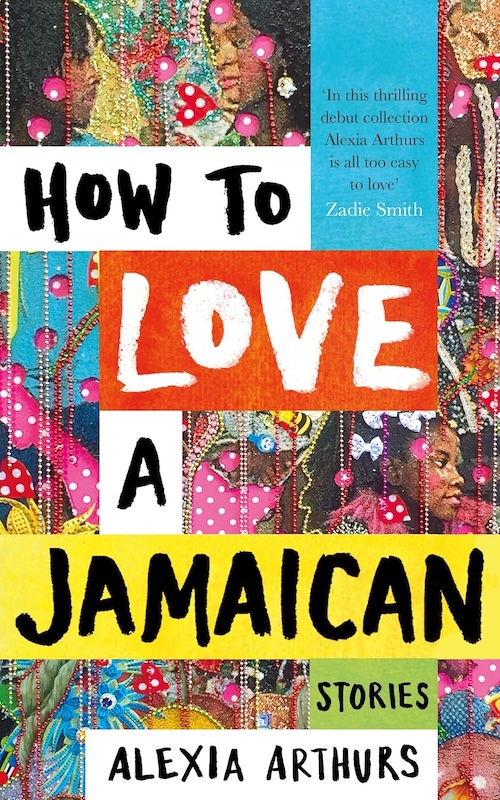
How to Love a Jamaican
How to Love a Jamaican is a collection of short stories exploring love, family, migration, and the complexities of Jamaican identity. Moving between Jamaica and the Jamaican diaspora in the United States, Alexia Arthurs portrays characters navigating the tensions between cultural heritage and the desire for a different life. Her stories follow young people confronting sexuality and social expectations, immigrants struggling to belong in unfamiliar places, and families negotiating the emotional distance created by migration. Through intimate relationships and everyday encounters, Arthurs examines how race, class, religion, and national identity shape the ways people understand themselves and one another. Blending humor, tenderness, and emotional honesty, the collection offers a nuanced portrait of Jamaican life across borders, revealing the complicated meanings of home, belonging, and love.
Jamaica
2018
11
Four Minutes
Four Minutes explores the lives of people who exist on the margins of society in post-communist Bulgaria, focusing on loneliness, trauma, and the struggle to be seen and understood. At its centre is Leah, a woman who grew up in an orphanage marked by neglect and abuse. Now in her thirties, she continues to grapple with the wounds of her childhood while trying to build a meaningful life. When she volunteers at an orphanage, she forms a bond with Dara, a nine-year-old girl who has stopped speaking following her father’s murder. Leah hopes to adopt her, but prejudice and bureaucracy stand in her way.
Interwoven with Leah’s story are nine shorter portraits of other marginalised people, including Roma women and children, refugees, and survivors of abuse. Each section is designed to be read in approximately four minutes, reflecting the idea that a brief moment of genuine attention can foster empathy. Through these interconnected stories, Nataliya Deleva examines abandonment, exclusion, and the human need for connection, asking what it takes to truly see another person.
Bulgaria
2017
12
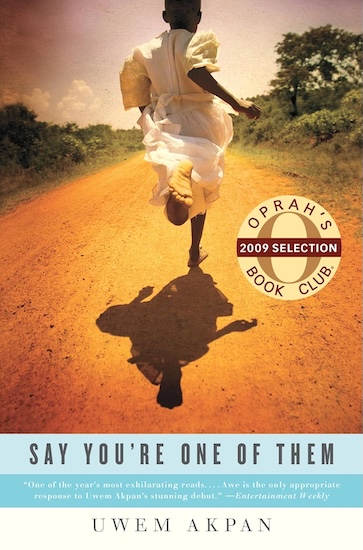
Say You're One of Them
Say You’re One of Them is a collection of five interconnected-in-spirit stories set in different African countries, exploring the lives of children caught in circumstances far beyond their control. Through the eyes of young narrators, Uwem Akpan portrays the devastating effects of poverty, religious conflict, human trafficking, and political violence on families and communities.
Written with emotional intensity and compassion, the collection challenges readers to look beyond headlines and statistics to recognise the individual lives behind Africa’s social and political crises. Rather than reducing its characters to victims, Akpan gives them distinctive voices, relationships, and hopes, creating a powerful portrait of childhood under extreme circumstances.
Benin
Ethiopia
Kenya
Nigeria
Rwanda
2009