Non-Fiction
All countries
Albania
Algeria
Belarus
Bhutan
Bosnia and Herzegovina
Botswana
Burkina Faso
Cambodia
China
Congo, Democratic Republic
Cuba
Cyprus
Egypt
France
Ghana
India
Iran
Ireland
Jamaica
Japan
Pakistan
Palestine
Russia
Taiwan
Tanzania
Türkiye
Turkmenistan
Ukraine
United Kingdom
United States
Yemen
Zambia
1
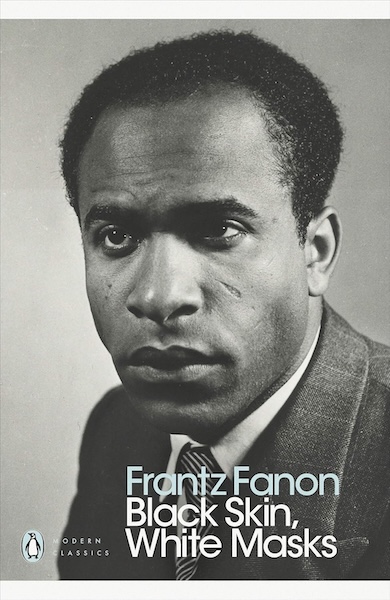
Black Skin, White Masks
What happens when a society teaches you to see yourself through the eyes of those who consider you inferior?
In Black Skin, White Masks, psychiatrist and philosopher Frantz Fanon examines the psychological scars left by racism and colonialism. Drawing on his own experiences as a Black man from Martinique, alongside psychology, philosophy, and cultural analysis, he explores how racial prejudice shapes identity, language, relationships, and self-worth.
Fanon investigates the pressure placed on colonised people to adopt the language, behaviour, and values of the dominant white society in the hope of gaining acceptance. Yet this pursuit of recognition can come at a profound cost: alienation from one’s own culture and an internalised sense of inferiority. He also examines how racism distorts relationships between Black and white people, exposing the power structures hidden beneath seemingly ordinary interactions.
Passionate and intellectually challenging, this landmark work asks what genuine freedom means in a world structured by racial hierarchies. Fanon ultimately calls for a new understanding of humanity—one that refuses to let race determine a person’s identity or possibilities. First published in French as Peau noire, masques blancs, the book remains foundational to anti-colonial thought and postcolonial studies.
France
1952
2
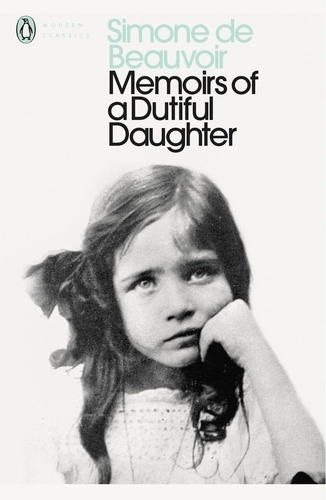
Memoirs of a Dutiful Daughter
Growing up in a respectable Parisian family, Simone de Beauvoir is taught to be a devout Catholic, an obedient daughter, and a woman destined for marriage. But as she discovers philosophy, literature, and the pleasure of independent thought, the beliefs that once defined her world begin to crumble. Questioning religion, challenging social conventions, and resisting her family’s expectations, she gradually realises that intellectual freedom comes at a price. Her journey towards independence is also a story of loneliness, friendship, and the painful discovery that the people we love can become obstacles to our becoming ourselves. Intimate and thought-provoking, this memoir captures the moment a young woman begins to break free from the life society has chosen for her.
France
1958
3

Medusa's Laugh
What if women could reclaim their freedom simply by telling their own stories? First published in 1975, Hélène Cixous’s Medusa’s Laugh is a landmark of feminist thought that challenges the patriarchal traditions shaping literature, language, and society. Drawing on the myth of Medusa, a woman transformed into a monster by the stories told about her, Cixous invites women to reject the identities imposed on them and rediscover their own voices. She introduces the concept of écriture féminine—a form of writing that breaks away from conventional, male-dominated structures and embraces the complexity of women’s bodies, desires, and experiences. Passionate, poetic, and deliberately provocative, this essay is both a literary manifesto and a call to action: women must write themselves into history rather than allow others to define them. Its central message remains powerful: self-expression can be an act of liberation.
France
2026