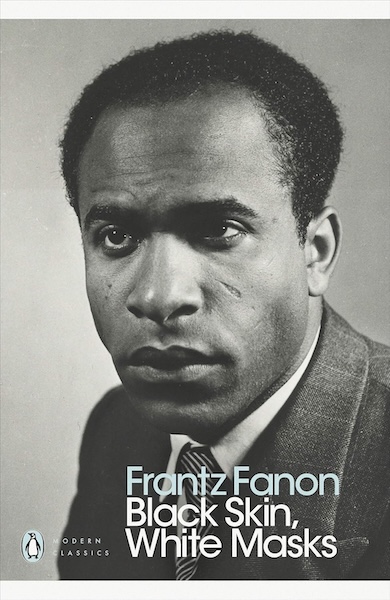
Black Skin, White Masks
by Frantz Fanon
Summary
What happens when a society teaches you to see yourself through the eyes of those who consider you inferior?
In Black Skin, White Masks, psychiatrist and philosopher Frantz Fanon examines the psychological scars left by racism and colonialism. Drawing on his own experiences as a Black man from Martinique, alongside psychology, philosophy, and cultural analysis, he explores how racial prejudice shapes identity, language, relationships, and self-worth.
Fanon investigates the pressure placed on colonised people to adopt the language, behaviour, and values of the dominant white society in the hope of gaining acceptance. Yet this pursuit of recognition can come at a profound cost: alienation from one’s own culture and an internalised sense of inferiority. He also examines how racism distorts relationships between Black and white people, exposing the power structures hidden beneath seemingly ordinary interactions.
Passionate and intellectually challenging, this landmark work asks what genuine freedom means in a world structured by racial hierarchies. Fanon ultimately calls for a new understanding of humanity—one that refuses to let race determine a person’s identity or possibilities. First published in French as Peau noire, masques blancs, the book remains foundational to anti-colonial thought and postcolonial studies.
Reviews
Login to leave a review.
No reviews yet. Be the first!
You might also like




- Published
- 1952
- Author
- Frantz Fanon