Historical Fiction
All countries
Afghanistan
Albania
Algeria
Angola
Antigua and Barbuda
Argentina
Armenia
Australia
Austria
Azerbaijan
Bangladesh
Barbados
Belize
Benin
Bosnia and Herzegovina
Brazil
Bulgaria
Burundi
Canada
Chile
China
Congo, Democratic Republic
Côte d’Ivoire (Ivory Coast)
Croatia
Cuba
Cyprus
Denmark
Djibouti
Dominica
Dominican Republic
Egypt
El Salvador
Ethiopia
Fiji
France
Georgia
Germany
Ghana
Greece
Guatemala
Hungary
Iceland
India
Indonesia
Iran
Iraq
Ireland
Italy
Jamaica
Japan
Kazakhstan
Kenya
Kuwait
Latvia
Lebanon
Libya
Madagascar
Malaysia
Mexico
Moldova
Morocco
Myanmar
Netherlands
Nigeria
North Korea
Oman
Pakistan
Palestine
Philippines
Poland
Portugal
Puerto Rico
Romania
Rwanda
Saudi Arabia
Senegal
Singapore
Slovenia
South Africa
South Korea
Spain
Sri Lanka
Sudan
Sweden
Switzerland
Syria
Taiwan
Tanzania
Thailand
Türkiye
Turkmenistan
Uganda
Ukraine
United Arab Emirates
United Kingdom
United States
Uruguay
Uzbekistan
Vietnam
Yemen
Zambia
Zimbabwe
1
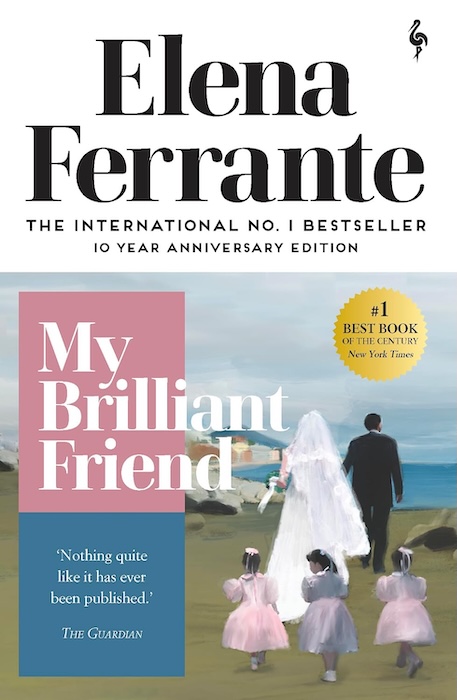
My Brilliant Friend
My Brilliant Friend follows Elena Greco and Raffaella Cerullo, known as Lila, two intelligent and ambitious girls growing up in a poor neighborhood of Naples in the 1950s. Despite their contrasting personalities, they develop a complex friendship shaped by admiration, rivalry, jealousy, and affection. As they navigate childhood and adolescence, both confront the limitations imposed by poverty, gender expectations, and a society marked by violence and rigid social hierarchies. While Elena continues her education, Lila’s opportunities are increasingly restricted, creating a tension that follows them as their lives take different directions. Through their evolving relationship, Ferrante explores female friendship, ambition, identity, and the transformative power of education. The novel is the first installment of the Neapolitan series, offering an intimate portrait of growing up and discovering oneself in a changing Italy.
Italy
2011
2
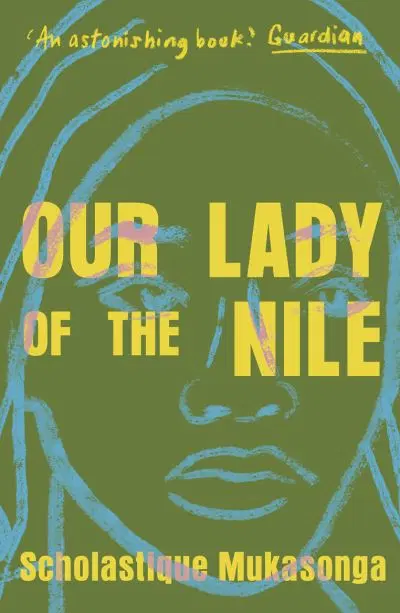
Our Lady of the Nile
High in the mountains of Rwanda, an elite Catholic boarding school for girls stands isolated above the Nile, promising its students education, respectability, and protection from the outside world. But beneath its orderly routines, the school reflects the growing ethnic tensions and prejudices shaping Rwandan society in the years before the 1994 genocide.
Admission quotas restrict the number of Tutsi students, leaving girls such as Veronica and Virginia vulnerable to discrimination and hostility from their Hutu classmates. As Gloriosa, the daughter of a powerful politician, spreads increasingly dangerous nationalist ideas, friendships fracture and everyday rivalries become entangled with political violence. The school, overseen by Belgian nuns, becomes a microcosm of a society moving toward catastrophe. Through the experiences of its teenage students, Scholastique Mukasonga explores how prejudice is taught, how colonial legacies shape identity, and how violence can take root in ordinary life long before it erupts into tragedy.
Rwanda
2012
3
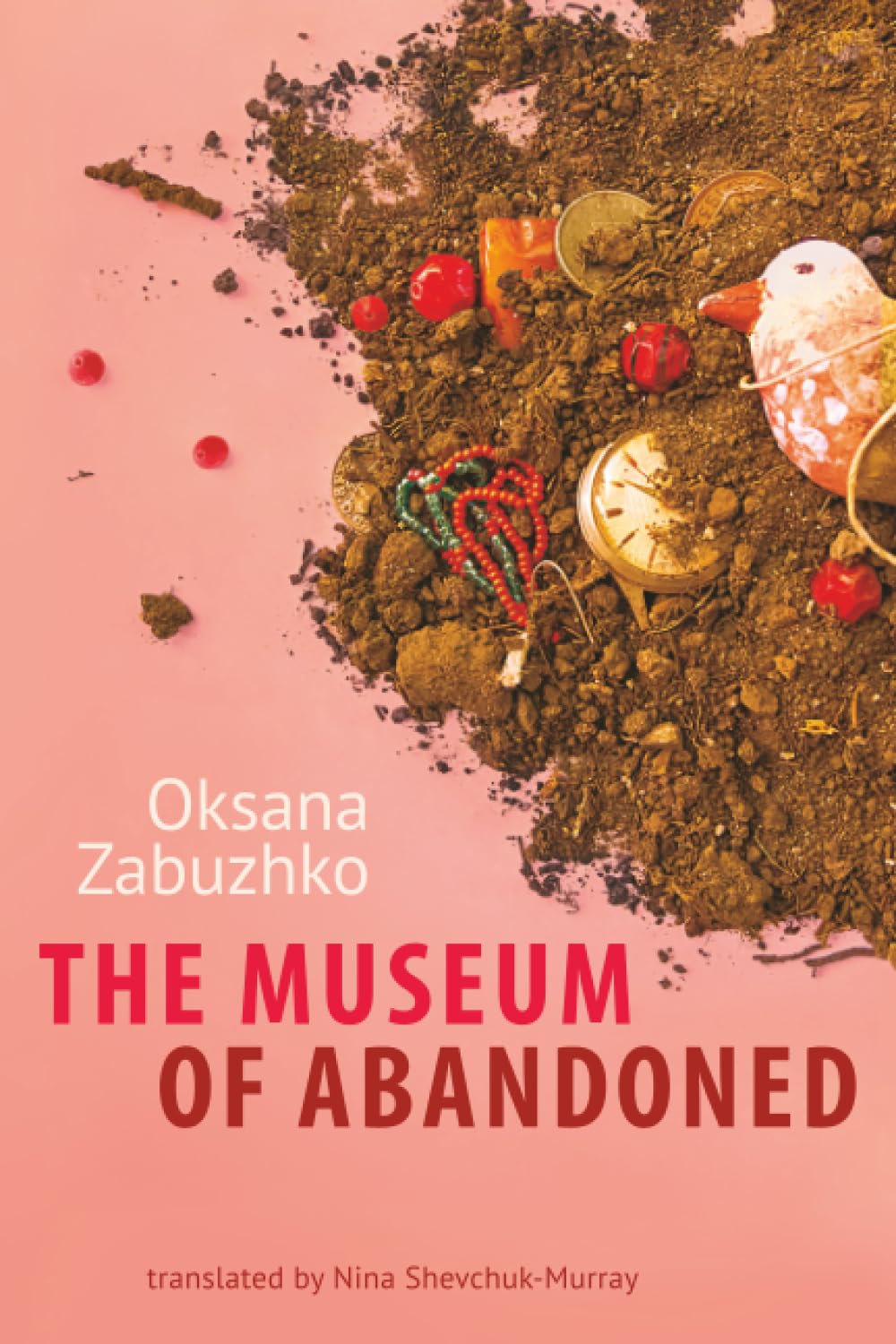
The Museum of Abandoned Secrets
Spanning more than six decades of Ukrainian history, from the Second World War to the early 2000s, The Museum of Abandoned Secrets is an ambitious, multigenerational novel about memory, resistance, and the hidden forces shaping national identity.
In contemporary Kyiv, journalist Daryna Hoshchynska discovers an old photograph of Olena Dovhan, a young Ukrainian partisan who was killed by Soviet secret police in 1947 after being betrayed by her lover. Fascinated by Olena’s story, Daryna begins investigating her life, uncovering secrets that connect the wartime resistance to the political realities of modern Ukraine. As her research deepens, personal relationships, family histories, and forgotten traumas become entangled with the country’s turbulent past.
Moving between generations and historical periods, Zabuzhko explores Soviet repression, political violence, cultural memory, and the enduring consequences of historical silence. Combining historical fiction, psychological drama, and elements of the supernatural, the novel asks how the past survives within the present—and how recovering buried stories can reshape a nation’s understanding of itself.
Ukraine
2012
4
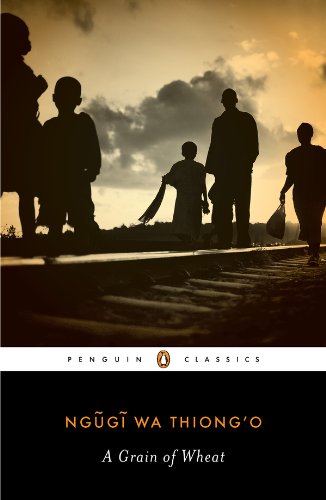
A Grain of Wheat
Set in Kenya in the days leading up to independence from British colonial rule, A Grain of Wheat explores the sacrifices, betrayals, and moral compromises behind a nation’s struggle for freedom. The novel centres on Mugo, a quiet villager whom his community regards as a hero because of his suffering during the colonial government’s emergency rule. As the village prepares to celebrate independence, however, hidden truths about the resistance movement begin to emerge. Through interconnected stories of former freedom fighters, their families, and their neighbours, Ngũgĩ examines the lasting consequences of colonial violence and the complicated legacy of resistance. The novel asks what it means to be a hero, how communities remember their past, and whether political independence can bring genuine reconciliation when individuals remain haunted by guilt and betrayal.
Kenya
2012
5
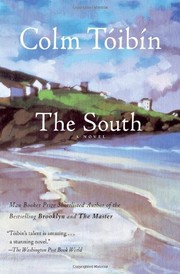
The South
Set in the 1950s, The South follows Katherine Proctor, an Irish Protestant woman who leaves her husband, young son, and home in Ireland to begin a new life in Barcelona. Determined to become a painter, she immerses herself in the city’s artistic community, where she meets Miguel, an anarchist and veteran of the Spanish Civil War. Their relationship leads her to a remote village in the Pyrenees, where she attempts to reconcile her artistic ambitions with her desire for love and independence. However, the past continues to shape her choices, forcing her to confront the complexities of her marriage, family ties, and cultural identity. Through Katherine’s journey, Colm Tóibín explores exile, self-discovery, and the difficult pursuit of personal freedom against the weight of social expectations and historical conflict.
Ireland
2012
6
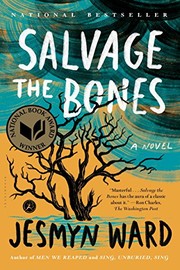
Salvage the Bones
Set in rural Mississippi in the days leading up to Hurricane Katrina, Salvage the Bones follows fifteen-year-old Esch Batiste and her three brothers as they navigate poverty, family tensions, and the looming threat of a devastating storm. Living with their father in a neglected community, the siblings struggle to prepare for the hurricane while confronting their own emotional and personal challenges. Esch, who is pregnant and quietly in love with her brother’s friend, finds parallels between her experiences and the mythological story of Medea. As the storm approaches, the family must rely on one another to survive. Through vivid storytelling and lyrical prose, Jesmyn Ward explores the bonds of family, the resilience of marginalized communities, and the enduring power of love amid hardship. The novel portrays the devastating intersection of poverty, race, and environmental disaster while celebrating the strength of those who endure.
United States
2012
7
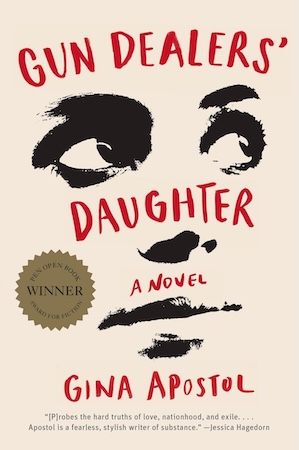
Gun Dealers’ Daughter
A privileged young woman. A revolutionary lover. A past she cannot fully remember.
Growing up in a wealthy family in the Philippines under Ferdinand Marcos’s authoritarian rule, Soledad “Sol” Soliman has lived a sheltered life, far removed from her country’s poverty and political turmoil. But when she enters university in Manila, she falls in with radical student activists and becomes involved in a revolutionary movement. Torn between romantic desire and political conviction, Sol is drawn into a conspiracy with devastating consequences. Years later, living far from home, she attempts to reconstruct her fractured memories and confront the act that continues to haunt her. Blending psychological suspense with political history, Gina Apostol’s award-winning novel explores privilege, rebellion, and the uneasy relationship between personal memory and national history.
Philippines
2013
8
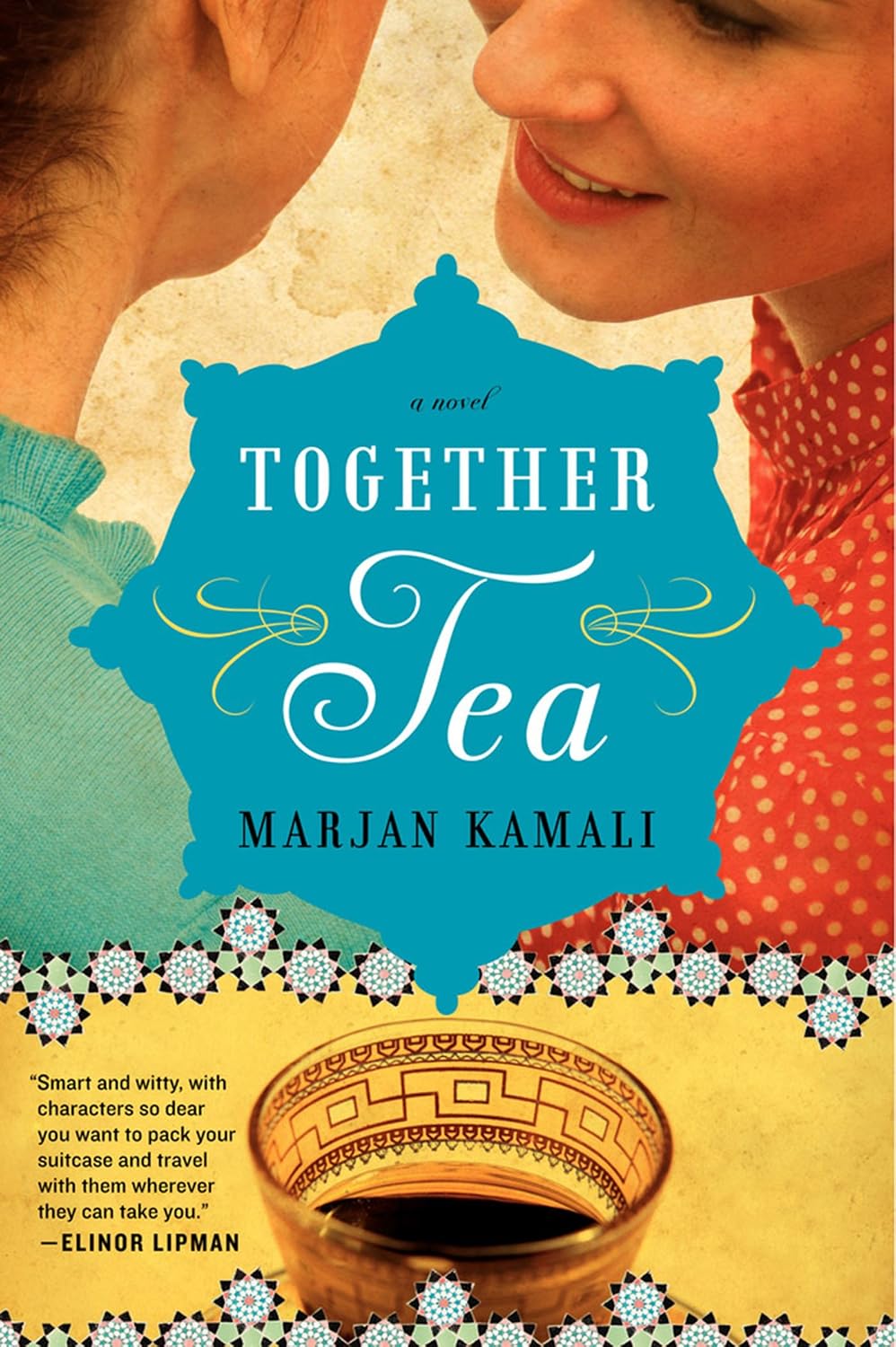
Together Tea
Together Tea follows Mina Rezayi, an Iranian American woman living in New York who dreams of becoming an artist but feels pressured to complete her business studies and settle down. Her mother, Darya, is determined to find her the right husband and repeatedly arranges introductions to suitable Iranian American men. Frustrated by the constant matchmaking, Mina struggles to reconcile her own ambitions with her family’s expectations. When mother and daughter travel to Iran, the journey brings them closer to the culture Darya left behind and encourages them to reconsider their relationship. As Mina encounters unexpected romantic possibilities, both women must confront the differences between their hopes and the lives they have built. Kamali explores the complexities of immigrant identity, the changing roles of women, and the tensions between generations. The novel celebrates the possibility of understanding one another without abandoning personal dreams or cultural heritage.
Iran
2013
9
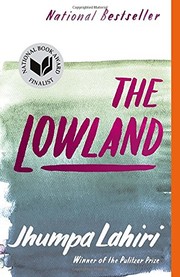
The Lowland
The Lowland tells the story of two brothers, Subhash and Udayan, who grow up together in Calcutta but choose dramatically different paths as adults. During the 1960s, Udayan becomes involved in the Naxalite movement, a radical communist uprising that challenges India’s political and social order. Subhash, by contrast, leaves for the United States to pursue an academic career. When political violence destroys Udayan’s future, Subhash returns to India and makes a decision that binds him to his brother’s family for decades. The consequences of this choice unfold across generations, affecting relationships, marriages, and the identity of Udayan’s daughter, Bela. Lahiri explores guilt, loyalty, political conviction, and the lasting consequences of family secrets, showing how a single act can shape the lives of people who were never responsible for it.
India
2013
10
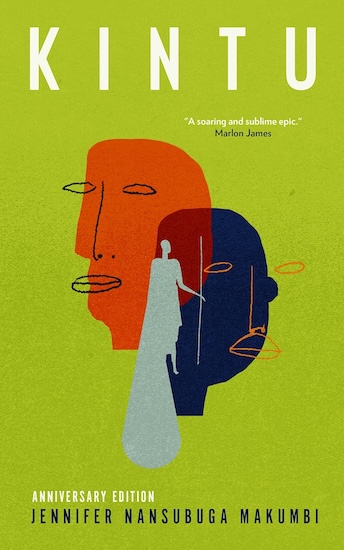
Kintu
Set across several centuries of Ugandan history, Kintu is an ambitious family saga that reimagines the history, mythology, and cultural traditions of the Buganda kingdom. The story begins in 1750, when Kintu Kidda, a powerful provincial governor, travels to the capital to pledge allegiance to the new king. During the journey, a tragic incident sets a curse in motion, bringing suffering to his descendants for generations.
Centuries later, members of the Kintu family struggle with personal tragedies, fractured relationships, and unexplained misfortunes. As they confront their shared history, they must decide whether their suffering stems from an ancestral curse, historical circumstances, or the unresolved conflicts passed down through generations.
Blending Ugandan oral traditions, mythology, spirituality, and historical storytelling, Makumbi challenges conventional approaches to African history. The novel places indigenous Ugandan perspectives at its centre, exploring how colonialism, religious change, and modernisation have transformed cultural identity. It is both a multigenerational family epic and a powerful exploration of the relationship between personal memory and national history.
Uganda
2014
11
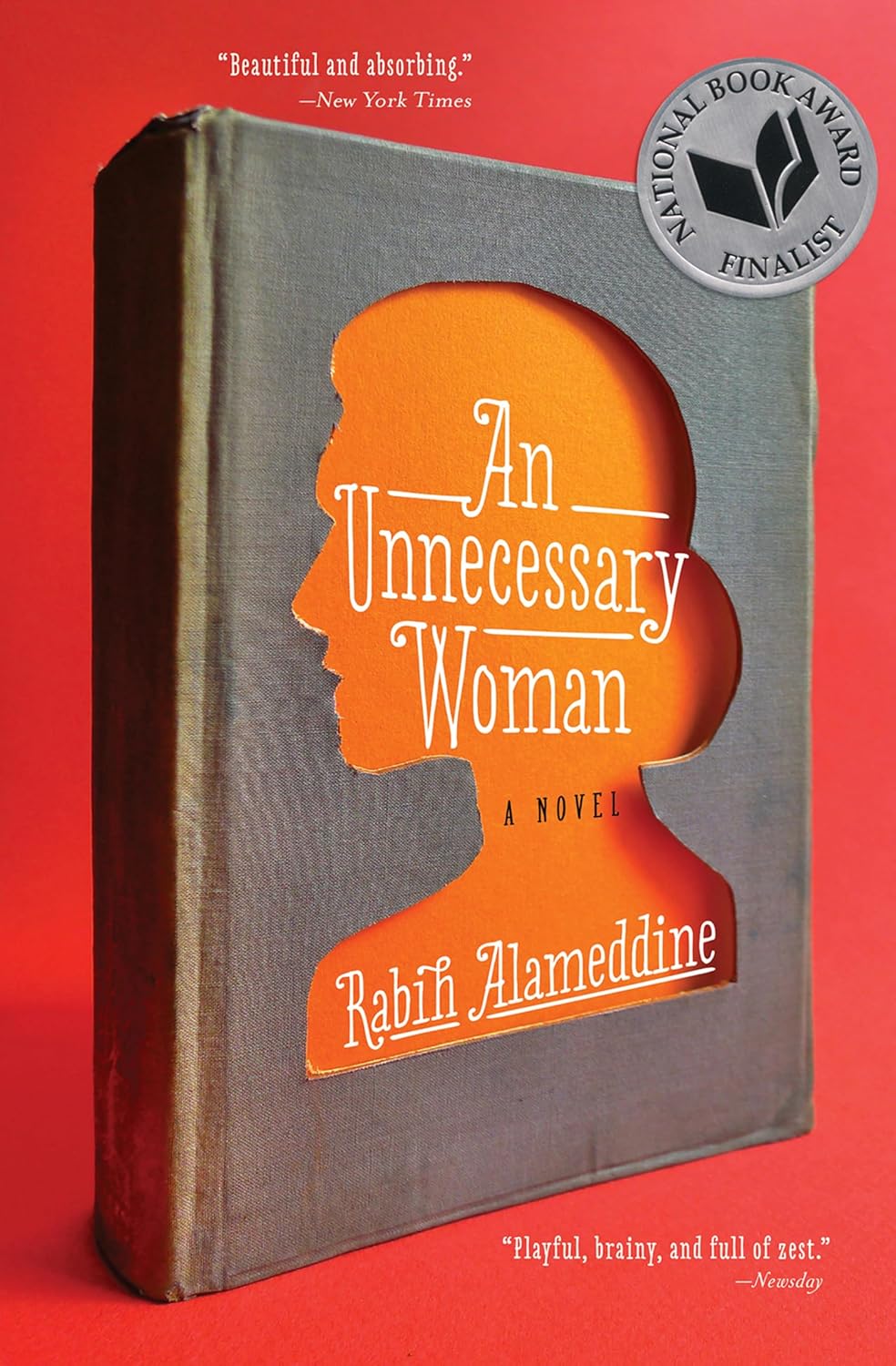
Unnecessary Woman
An Unnecessary Woman centres on Aaliya Saleh, a seventy-two-year-old woman living alone in Beirut. Divorced and estranged from much of her family, Aaliya has spent decades translating literary works into Arabic for her own satisfaction, often without publishing or sharing them. Books provide her with companionship, intellectual freedom, and a refuge from the expectations of a society that frequently overlooks older women. As political tensions and personal memories intrude on her carefully ordered life, Aaliya reflects on her relationships, the civil war, and the choices that have shaped her existence. Her solitary routine is disrupted when an unexpected event threatens to expose the private world she has built around literature. Alameddine explores ageing, independence, cultural identity, and the importance of art, portraying a woman who finds meaning not through conventional success but through the life of the mind.
Lebanon
2014
12
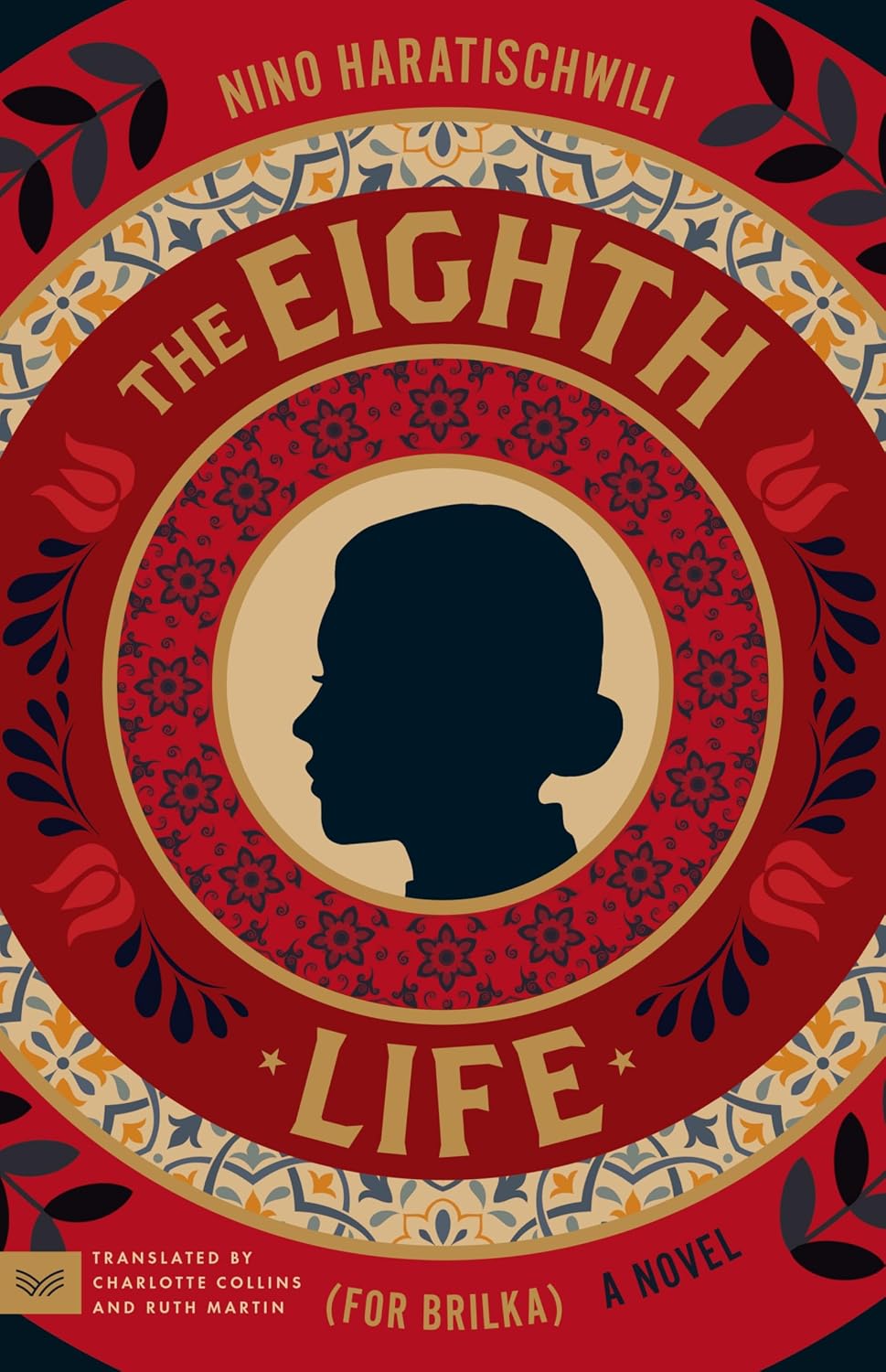
The Eighth Life (for Brilka)
The Eighth Life (for Brilka) follows seven generations of a Georgian family across the twentieth century, beginning in the early 1900s and continuing through the collapse of the Soviet Union. At the centre of the story is a family secret connected to a remarkable recipe for hot chocolate, which brings both extraordinary pleasure and devastating consequences. Through the lives of Stasia, Christine, Kostya, Kitty, and their descendants, the novel explores love, ambition, political repression, and the sacrifices people make to survive turbulent times. The family’s history unfolds against the backdrop of revolutions, Stalinism, world wars, and the struggle for Georgian independence. Narrated by Niza, who recounts the family’s past to her young niece Brilka, the novel examines how historical trauma is passed from one generation to another and whether understanding the past can offer a chance to break its cycle.
Georgia
2014