Historical Fiction
All countries
Afghanistan
Albania
Algeria
Angola
Antigua and Barbuda
Argentina
Armenia
Australia
Austria
Azerbaijan
Bangladesh
Barbados
Belize
Benin
Bosnia and Herzegovina
Brazil
Bulgaria
Burundi
Canada
Chile
China
Congo, Democratic Republic
Côte d’Ivoire (Ivory Coast)
Croatia
Cuba
Cyprus
Denmark
Djibouti
Dominica
Dominican Republic
Egypt
El Salvador
Ethiopia
Fiji
France
Georgia
Germany
Ghana
Greece
Guatemala
Hungary
Iceland
India
Indonesia
Iran
Iraq
Ireland
Italy
Jamaica
Japan
Kazakhstan
Kenya
Kuwait
Latvia
Lebanon
Libya
Madagascar
Malaysia
Mexico
Moldova
Morocco
Myanmar
Netherlands
Nigeria
North Korea
Oman
Pakistan
Palestine
Philippines
Poland
Portugal
Puerto Rico
Romania
Rwanda
Saudi Arabia
Senegal
Singapore
Slovenia
South Africa
South Korea
Spain
Sri Lanka
Sudan
Sweden
Switzerland
Syria
Taiwan
Tanzania
Thailand
Türkiye
Turkmenistan
Uganda
Ukraine
United Arab Emirates
United Kingdom
United States
Uruguay
Uzbekistan
Vietnam
Yemen
Zambia
Zimbabwe
1
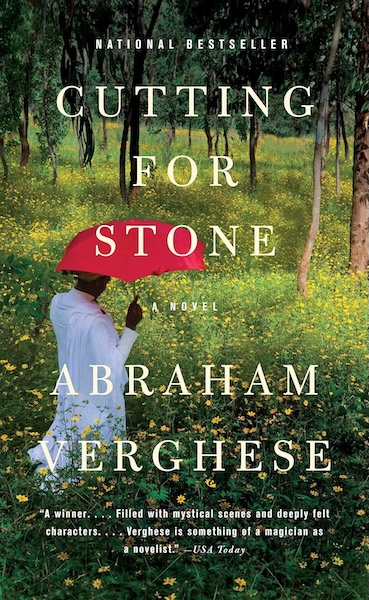
Cutting for Stone
In 1950s Addis Ababa, Ethiopia, twin brothers Marion and Shiva Stone are born from a secret relationship between an Indian nun and a British surgeon at a mission hospital. Their mother dies during childbirth, and their father disappears, leaving the twins to be raised by two devoted doctors who become their adoptive parents. Growing up surrounded by the world of medicine, the brothers develop an extraordinary bond and a shared fascination with surgery.
But as Ethiopia approaches revolution, their lives become entangled in forbidden love, jealousy, and betrayal. A devastating rupture drives Marion into exile in the United States, where he must confront the past he has tried to escape. When circumstances eventually bring him back to the world of his childhood, he faces the people and choices that shaped his life—and discovers that healing some wounds requires more than surgical skill.
Spanning continents and decades, Cutting for Stone is an epic story of brotherhood, sacrifice, and the complicated ties between parents and children. Abraham Verghese combines the intimate drama of a family saga with the intricate world of medicine, exploring how love, loss, and the accidents of birth can shape a person’s destiny.
Ethiopia
United States
2009
2
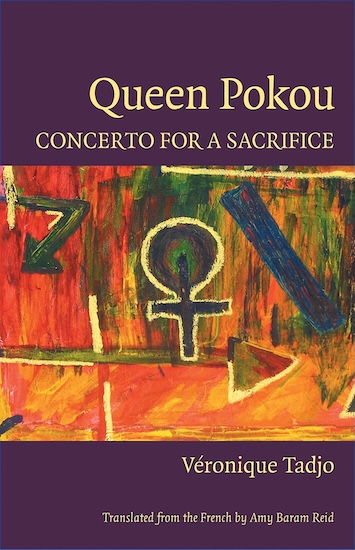
Queen Pokou
In Queen Pokou, Véronique Tadjo reimagines the legend of Queen Abraha Pokou, the eighteenth-century Akan leader traditionally credited with founding the Baoulé people of Côte d’Ivoire. According to the legend, as Pokou leads her people away from danger and across the Comoé River, she faces an impossible choice: sacrifice her only son to secure their passage and save her community. Her decision becomes a defining story of collective survival, maternal grief, and the origins of a people.
Rather than presenting the legend as one fixed historical truth, Tadjo retells it through multiple imagined possibilities. What if Pokou refused to sacrifice her child? What if grief destroyed her, or her journey led her towards a different fate? These alternative narratives challenge the authority of traditional stories and explore how myths are reshaped by the people who inherit them.
Moving between eighteenth-century West Africa and more recent conflicts across the continent, Tadjo connects the queen’s legendary sacrifice to the enduring consequences of war, displacement, and political violence. At its heart, the book asks what communities demand of their leaders—and what individuals must surrender for collective survival. It is both a reimagining of an important African legend and a reflection on motherhood, historical memory, and the human cost of founding a nation.
Côte d’Ivoire (Ivory Coast)
2009
3
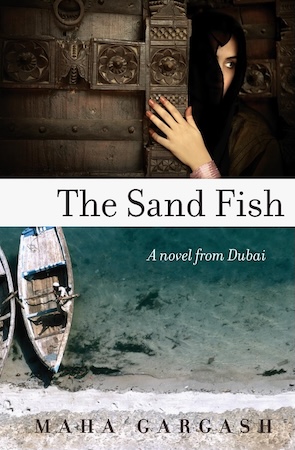
The Sand Fish
In 1950s Dubai, seventeen-year-old Noora dreams of a life beyond the traditions that dictate her future. After her mother’s death and her father’s descent into madness, her brother arranges her marriage to a wealthy pearl merchant many years her senior. Trapped in an unfamiliar household alongside his two other wives, Noora struggles to find her place in a world where her choices are limited and her future depends on producing an heir. But an unexpected passion offers her a glimpse of another life—and leaves her with a dangerous secret that could cost her everything. Inspired by the image of a sand fish, a desert creature that injures itself desperately trying to escape its surroundings, Noora’s story is a poignant portrait of a woman caught between duty and desire. Against the backdrop of a society on the brink of transformation, The Sand Fish explores female independence, forbidden love, and the courage to seek freedom when every path seems closed.
United Arab Emirates
2009
4
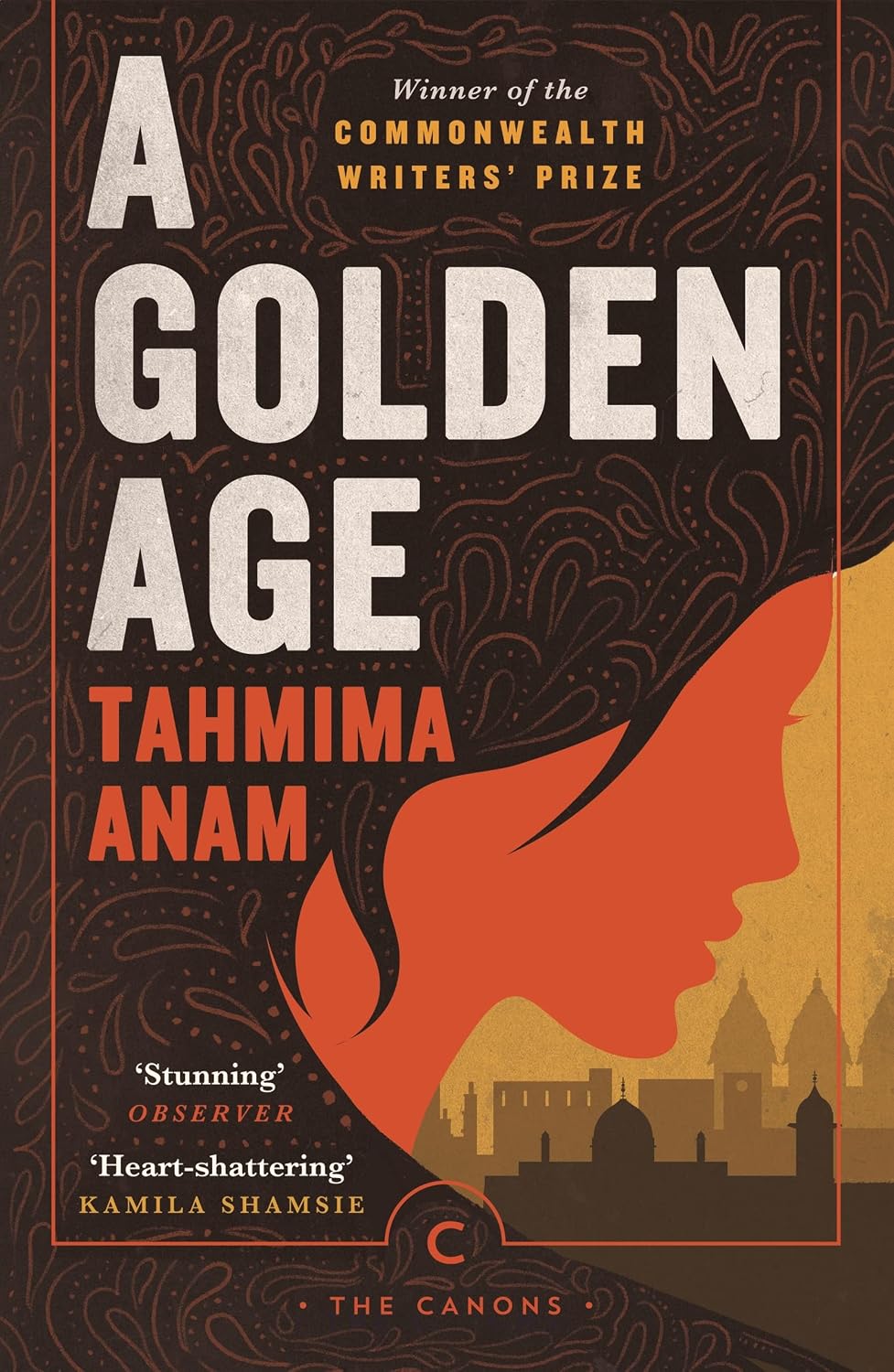
A Golden Age
Set during the Bangladesh Liberation War of 1971, A Golden Age follows Rehana Haque, a widowed mother living in Dhaka whose greatest priority is protecting her children. When her son and daughter become involved in the struggle for independence from Pakistan, Rehana finds herself drawn into a conflict that challenges her understanding of motherhood, loyalty, and sacrifice. Initially determined to keep her family safe, she gradually becomes involved in the resistance movement, using her home and personal resources to help those fighting for freedom. As violence escalates and ordinary life becomes increasingly dangerous, Rehana must confront the possibility that protecting her children may require supporting decisions she cannot fully control. Anam explores the intersection of private family life and national history, portraying how war transforms ordinary people and forces them to reconsider what they are willing to sacrifice for those they love.
Bangladesh
2009
5
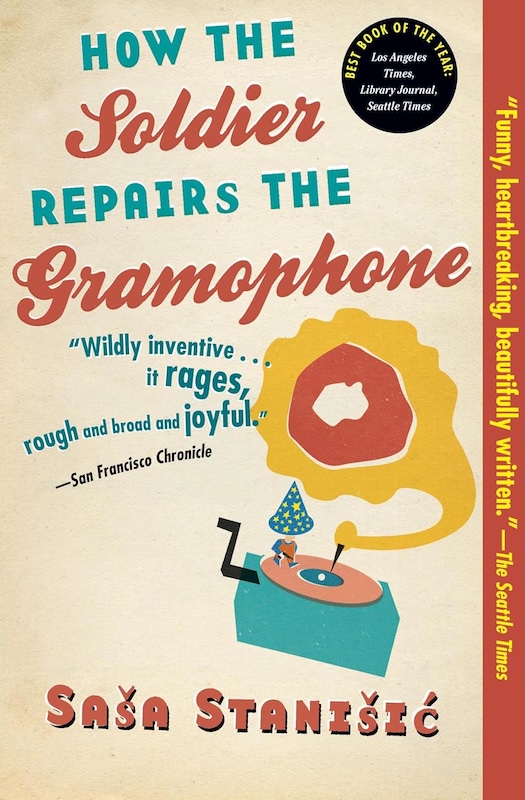
How The Soldier Repairs The Gramophone
Set during the Bosnian War and its aftermath, How the Soldier Repairs the Gramophone follows Aleksandar Krsmanović, a young boy growing up in the small Bosnian town of Višegrad. When war destroys the familiar world of his childhood, Aleksandar is forced to leave his home and seek refuge in Germany. Through his vivid imagination, memories, and storytelling, he attempts to make sense of violence, displacement, and the loss of people and places he once knew.
Blending humour, fantasy, and painful recollection, the novel captures the way a child experiences war without fully understanding its political and historical complexities. As Aleksandar grows older, storytelling becomes a way to preserve his past and reconnect with a homeland that has been irrevocably changed. Saša Stanišić’s novel explores memory, exile, identity, and the fragile boundary between lived experience and imagination.
Bosnia and Herzegovina
2009
6
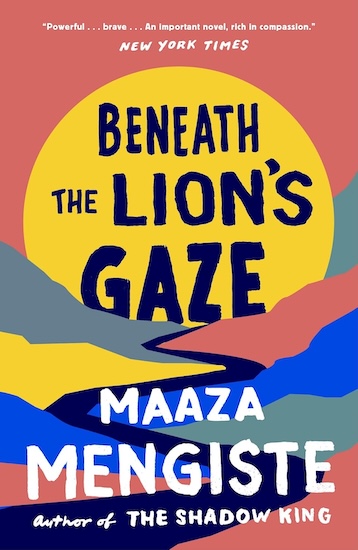
Beneath the Lion's Gaze
Addis Ababa, 1974. As protests sweep Ethiopia and Emperor Haile Selassie’s reign approaches its end, the Hailu family finds itself caught in a revolution that will transform the country—and destroy the fragile security of their lives. Hailu, a respected doctor, faces an impossible moral choice after helping a young woman who has been tortured by the authorities. His decision brings him into the machinery of state repression, while his sons take increasingly different paths: Yonas seeks refuge in faith and family, whereas Dawit joins the underground resistance, risking everything to fight for freedom.
As the monarchy falls and a brutal military regime takes power, the family’s loyalties, convictions, and relationships are tested by violence and fear. Moving between the intimate struggles of a household and the upheaval of a nation, Maaza Mengiste’s debut novel explores the human cost of revolution and the difficult choices people face under authoritarian rule. It is a powerful portrait of a country at a turning point, where the hope of liberation threatens to give way to another cycle of oppression.
Ethiopia
2010
7
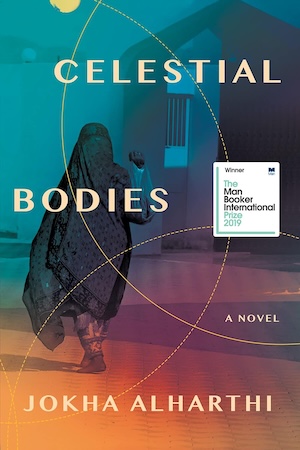
Celestial Bodies
In the Omani village of al-Awafi, three sisters navigate love, marriage, family expectations, and the changing world around them. Mayya marries Abdallah, the son of a wealthy merchant, after experiencing heartbreak. Asma enters marriage out of a sense of duty, while Khawla refuses every suitor, remaining devoted to the man she loves, who has emigrated to Canada.
Through the intertwined lives of these women and their extended family, Jokha Alharthi paints a richly layered portrait of Oman across generations. The novel moves between memories, personal histories, and shifting perspectives, gradually revealing how individual lives are shaped by social class, gender roles, and the legacy of slavery. As Oman transitions from a traditional society to a modern nation, its people struggle to reconcile inherited customs with new possibilities.
Poetic and intricately structured, Celestial Bodies explores the tension between personal desire and social obligation, showing how love, loss, and family secrets echo across generations. The novel won the 2019 Man Booker International Prize, shared by Alharthi and her translator, Marilyn Booth.
Oman
2010
8
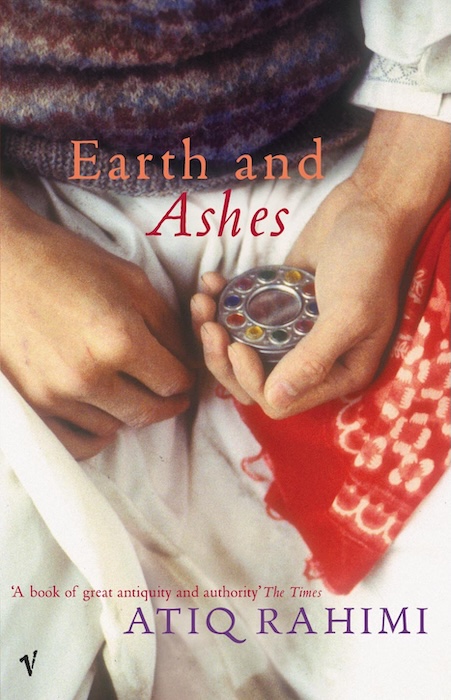
Earth and Ashes
Earth and Ashes is a spare, haunting novella set in Afghanistan during the Soviet war. Dastaguir, an elderly man, travels with his young grandson, Yassin, through a devastated landscape after their village is destroyed in a bombing. Dastaguir must find a way to tell his son, who works in a distant mine, that the rest of their family has been killed. Meanwhile, Yassin, whose hearing has been damaged by the explosion, struggles to understand what has happened and why the world around him has changed so dramatically. Through their journey, Rahimi portrays the devastating consequences of war on ordinary people, particularly children and the elderly. The novella explores grief, silence, trauma, and the difficulty of communicating unbearable truths in a world where violence has shattered both families and communities.
Afghanistan
2010
9
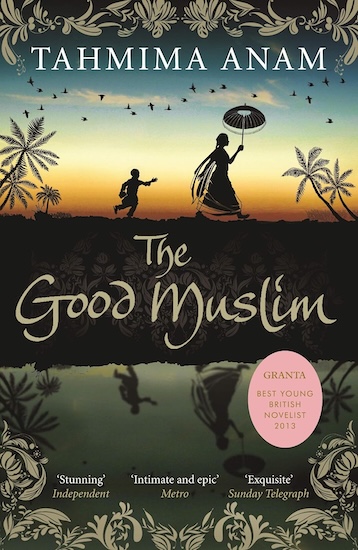
The Good Muslim
Nearly a decade after Bangladesh’s war of independence, Maya Haque returns to Dhaka to reconnect with her family and discovers that the world she left behind has changed profoundly. Her beloved brother, Sohail, once a revolutionary and committed secularist, has embraced religious conservatism and become a charismatic religious leader. As Maya continues to pursue her medical career and fight for women’s rights, the siblings find themselves on opposing sides of an increasingly bitter ideological divide. Their conflict deepens when Sohail makes a decision about his young son, Zaid, that threatens to tear the family apart. Set against the political and social upheavals of post-independence Bangladesh, The Good Muslim explores how war leaves lasting psychological scars, how faith can reshape identity, and how families struggle to reconcile love with deeply held convictions.
Bangladesh
2011
10
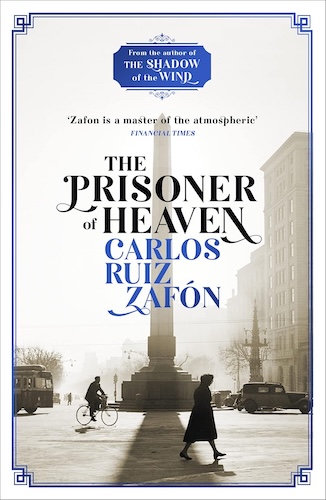
Prisoner Of Heaven
Barcelona, 1957. At the Sempere & Sons bookshop, Daniel Sempere seems to have finally found happiness. Married to Bea and the father of a young son, he shares his days with his devoted friend Fermín Romero de Torres, who is preparing for his own wedding. But their peaceful life is disrupted when a mysterious stranger enters the shop and purchases a rare, beautifully illustrated edition of The Count of Monte Cristo. Before leaving, he writes a disturbing dedication addressed to Fermín, hinting at a secret buried deep in the past.
Daniel soon discovers that his friend’s history is far darker than he imagined. The mystery leads back to the brutal years of Francisco Franco’s dictatorship, revealing a story of imprisonment, betrayal, revenge, and survival. As buried memories resurface, Daniel and Fermín must confront the consequences of secrets that could endanger everything they hold dear.
The third novel in Zafón’s Cemetery of Forgotten Books series, The Prisoner of Heaven brings together characters and mysteries from The Shadow of the Wind and The Angel’s Game. Blending Gothic suspense, historical fiction, and the enduring magic of books, the novel explores how the past refuses to remain buried—and how friendship and loyalty can survive even the darkest chapters of history.
Spain
2011
11
Patchwork
Set in Lusaka, Zambia, in the late 1970s, Patchwork follows Pumpkin, a nine-year-old girl growing up between two contrasting worlds: the relative comfort provided by her wealthy father, Joseph Sakavungo, and the instability of life with her mother, Totela Ponga, whose struggle with alcoholism threatens their fragile family life.
Born outside marriage, Pumpkin carries the stigma of her origins in a society where family reputation, social status, and traditional expectations shape people’s lives. Her father is a powerful businessman with political ambitions, and his involvement with multiple women creates a complicated web of jealousy, rivalry, and emotional dependence. As Pumpkin witnesses the consequences of adult choices, she begins to understand the contradictions underlying the respectable appearances of the people around her.
Spanning three generations of women, the novel explores the ways love, betrayal, addiction, and gender expectations shape family relationships. Against the backdrop of a young nation navigating political ambition and social change, Pumpkin must gradually piece together her identity from the fragments of her family’s troubled history. Tender, bittersweet, and perceptive, Patchwork examines how childhood experiences influence the adults we become.
Zambia
2011
12
The Last Gift
The Last Gift explores migration, family secrets, and the complicated relationship between personal identity and cultural heritage. Abbas, a Tanzanian man living in England, suffers a stroke that leaves him unable to speak. As his health deteriorates, memories of his earlier life begin to emerge, revealing experiences he has kept hidden from his wife, Maryam, and their children, Jamal and Hanna. His silence forces the family to confront questions about their past, their origins, and the emotional distance that has developed between them. Through shifting perspectives and carefully uncovered memories, Gurnah examines the difficulties of belonging between cultures and generations, showing how unspoken histories can influence family relationships long after people have tried to leave their past behind.
Tanzania
2011