Historical Fiction
All countries
Afghanistan
Albania
Algeria
Angola
Antigua and Barbuda
Argentina
Armenia
Australia
Austria
Azerbaijan
Bangladesh
Barbados
Belize
Benin
Bosnia and Herzegovina
Brazil
Bulgaria
Burundi
Canada
Chile
China
Congo, Democratic Republic
Côte d’Ivoire (Ivory Coast)
Croatia
Cuba
Cyprus
Denmark
Djibouti
Dominica
Dominican Republic
Egypt
El Salvador
Ethiopia
Fiji
France
Georgia
Germany
Ghana
Greece
Guatemala
Hungary
Iceland
India
Indonesia
Iran
Iraq
Ireland
Italy
Jamaica
Japan
Kazakhstan
Kenya
Kuwait
Latvia
Lebanon
Libya
Madagascar
Malaysia
Mexico
Moldova
Morocco
Myanmar
Netherlands
Nigeria
North Korea
Oman
Pakistan
Palestine
Philippines
Poland
Portugal
Puerto Rico
Romania
Rwanda
Saudi Arabia
Senegal
Singapore
Slovenia
South Africa
South Korea
Spain
Sri Lanka
Sudan
Sweden
Switzerland
Syria
Taiwan
Tanzania
Thailand
Türkiye
Turkmenistan
Uganda
Ukraine
United Arab Emirates
United Kingdom
United States
Uruguay
Uzbekistan
Vietnam
Yemen
Zambia
Zimbabwe
1
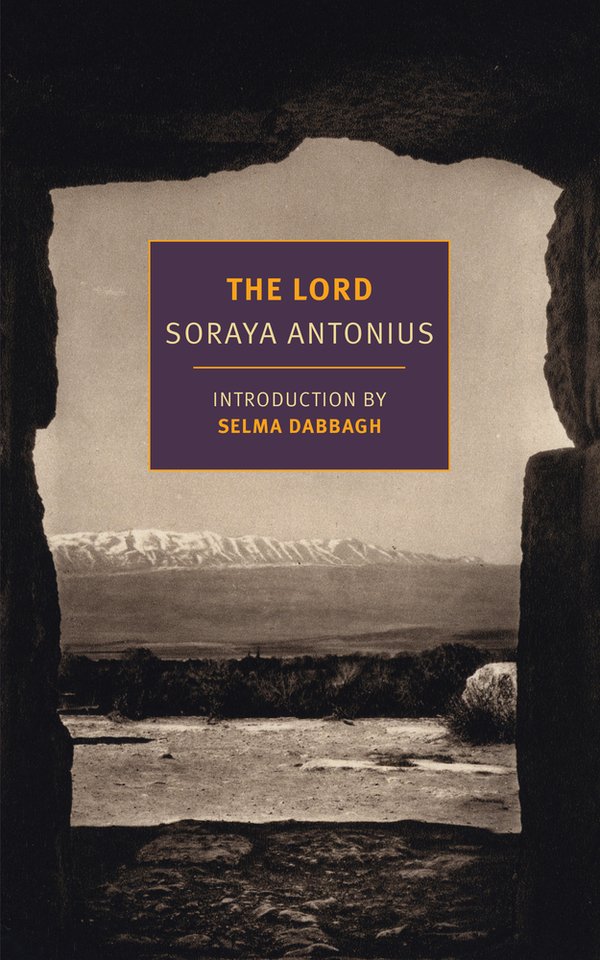
The Lord
In British-ruled Palestine, a charismatic young man named Tareq becomes a figure of mystery and resistance. After leaving school, he travels from village to village as a magician, performing astonishing feats that earn him a devoted following. But beneath his extraordinary reputation lies a growing defiance of British colonial authority. As unrest spreads across Palestine and the 1936 Arab Revolt approaches, Tareq’s influence attracts the attention of Challis, a ruthless British police chief determined to crush the resistance. Decades later, amid the Israeli invasion of Lebanon in 1982, an English missionary recalls the young man whose fate became intertwined with the history of a nation. Rich in historical detail and vivid depictions of Palestinian society before the Nakba, The Lord explores resistance, colonial power, and the lives of people caught in the struggle for their homeland.
Palestine
2025
2
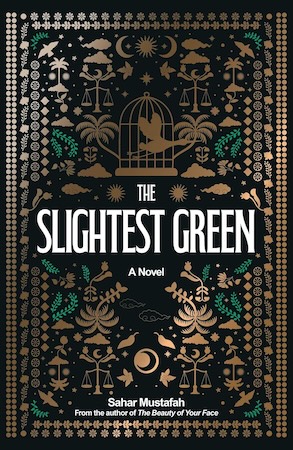
The Slightest Green
When Intisar Jaber receives news that her estranged father is dying, she leaves her life in Chicago behind and returns to Palestine, a land she barely remembers but has never entirely escaped. Her father, Hafez, abandoned her family decades earlier to join the resistance, only to spend the rest of his life imprisoned. Now, standing in her ancestral village, Intisar must confront the complicated legacy he left behind and the unfamiliar feeling of being a stranger in her own homeland. Meanwhile, her grandmother Sundus fights to protect the family home from those seeking to take it away. As the two women navigate grief, fractured family ties, and the enduring struggle to preserve their inheritance, Intisar faces a difficult choice between the life she has built in America and the history calling her back. The Slightest Green is a moving multigenerational novel about Palestinian identity, displacement, and the powerful connection between people and the land they call home.
Palestine
2025
3
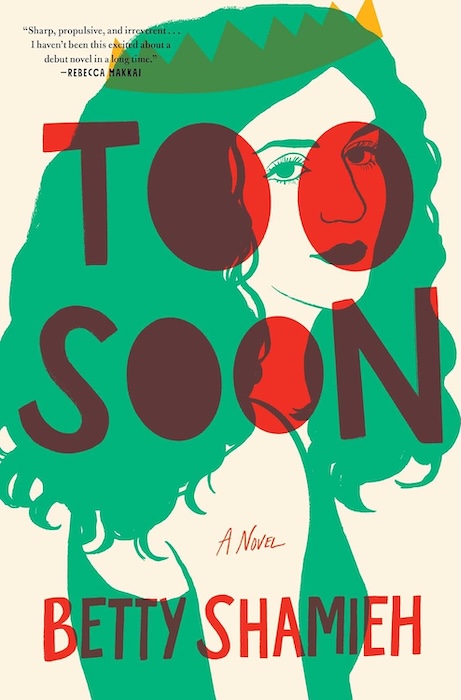
Too Soon
Too Soon follows three generations of Palestinian American women—grandmother Zoya, mother Naya, and granddaughter Arabella—as they navigate love, ambition, exile, and cultural identity across decades. Their family history stretches from their displacement from Jaffa in 1948 to their pursuit of the American Dream and their lives in the New York theatre world. Arabella, a thirty-five-year-old theatre director, faces complicated romantic choices and an opportunity to stage a provocative production in the West Bank, while her mother and grandmother attempt to guide her future and confront secrets from their past. Blending sharp humor with emotional depth, Betty Shamieh explores the lasting effects of displacement, the tensions between tradition and independence, and the struggle to define oneself across generations. The novel celebrates the resilience of women determined to pursue love and freedom on their own terms.
Palestine
2025
4
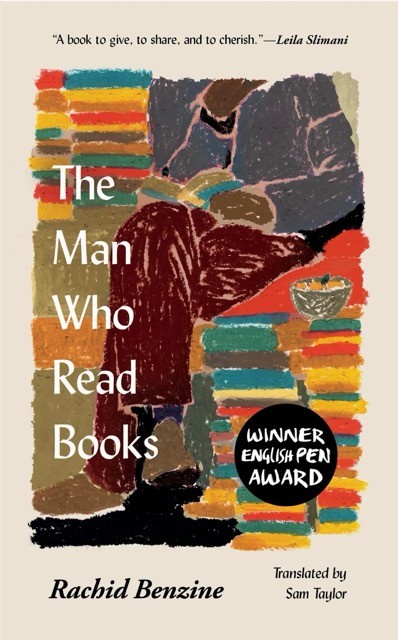
The Man Who Read Books
In a city where buildings are reduced to rubble, one bookseller refuses to let his world disappear.
During a ceasefire in Gaza, a young French photographer wanders through the city’s narrow streets and encounters Nabil Al Jaber, an elderly bookseller surrounded by stacks of ageing books. When the photographer raises his camera, Nabil asks him to do something unexpected: put it down long enough to hear his story.
What follows is a journey through decades of Palestinian history, from the displacement of Nabil’s family in 1948 to imprisonment, political disillusionment, love, and devastating personal loss. Each chapter of his life is illuminated by the books that helped him make sense of it, offering moments of refuge when the world beyond his shop seemed determined to destroy everything he held dear.
Through Nabil’s memories, literature becomes more than an escape from suffering. It is a way to preserve the past, protect one’s humanity, and resist being reduced to a photograph or a headline. Rachid Benzine’s moving novel explores the lives behind the images of war, asking what can survive when homes, communities, and loved ones are lost. In Nabil’s small, battered bookshop, stories become an act of defiance—and a reminder that even amid devastation, the human spirit continues to seek meaning.
Palestine
2026
5
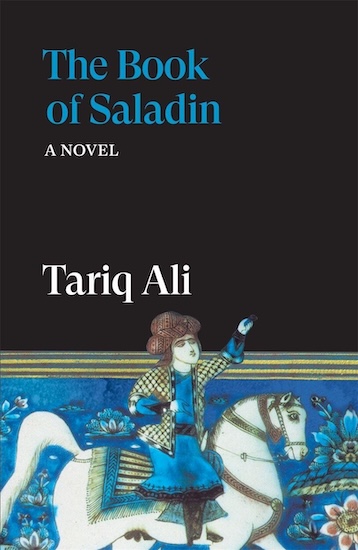
The Book of Saladin (The Islam Quintet)
Set in the twelfth century, The Book of Saladin reimagines the life of Salah al-Din, better known as Saladin, the Kurdish Muslim ruler who united Egypt and Syria and recaptured Jerusalem from the Crusaders in 1187.
The novel takes the form of Saladin’s fictional memoir, dictated to Ibn Yakub, a Jewish scribe tasked with recording the Sultan’s life and achievements. To create a fuller portrait of his subject, Ibn Yakub interviews Saladin’s wives, servants, and companions, revealing the private relationships and personal ambitions behind the public image of a celebrated military leader.
As Saladin rises to power and prepares to reclaim Jerusalem, the narrative explores the political rivalries, religious tensions, and fragile alliances that shape his world. Alongside military campaigns and diplomatic intrigue, the novel delves into the intimate lives of the royal household, including a passionate relationship between Saladin’s favoured wife, Jamila, and another woman in the harem, Halima.
Ali presents a complex portrait of medieval Muslim society, challenging simplified accounts of the Crusades and exploring the contradictions between political ideals and personal desires. Questions of faith, power, loyalty, sexuality, and cultural coexistence run throughout the story, connecting the struggles of the medieval world with conflicts that continue to resonate today.
Egypt
Palestine
Syria
2026
6
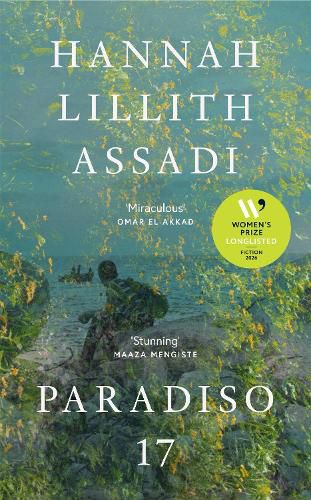
Paradiso 17
Born in Palestine on the eve of the 1948 Nakba, five-year-old Sufien is forced to leave his family’s ancestral home, beginning a lifelong journey shaped by displacement and the search for belonging. From a refugee camp in Syria to the oil-rich deserts of Kuwait, the university streets of Florence, and the crowded neighbourhoods of New York, Sufien moves between countries and cultures, repeatedly attempting to build a home somewhere new. Yet every place offers both the promise of reinvention and the painful reminder of what he has lost.
In Kuwait, he experiences first love and family estrangement. In Italy, he discovers intellectual freedom and the intoxicating possibilities of life beyond his upbringing. Later, in New York, he forms an unlikely friendship with a wealthy Jewish American man and falls in love with a Jewish woman, creating a family of his own. But even as he establishes roots in the United States, the past remains an enduring presence.
Recounted from his deathbed, Sufien’s story moves between memory and reflection, tracing the complicated relationship between exile, identity, and the desire to belong. Inspired by the life of Assadi’s Palestinian father, this lyrical novel explores how displacement reverberates across generations and asks whether home is a place we can recover, a community we create, or an idea we carry within ourselves.
Palestine
2026
7
Where the Jinn Consult
In the final years of British-ruled Palestine, Jerusalem’s privileged elite continue to enjoy their comfortable lives while the world around them edges towards catastrophe. When Maliha al-Ghal’s husband, a prominent Palestinian politician, is deported by the British, her carefully ordered existence begins to unravel. Her friend Violet Dhaishi, meanwhile, remains absorbed in social gatherings, shopping, and a secret affair with a British officer, oblivious to the escalating violence threatening their society. As bombings multiply and political tensions intensify, the Palestinian upper classes cling to their privilege, reluctant to acknowledge the forces gathering against them. Through interwoven lives, personal betrayals, and political intrigue, Soraya Antonius exposes the dangerous complacency of a society unable to recognise its impending dispossession. Both an intimate portrait of pre-Nakba Palestine and a fierce critique of colonial power and social privilege, Where the Jinn Consult captures the tragic distance between a world people believe will endure and the one they are about to lose.
Palestine
2027