Historical Fiction
All countries
Afghanistan
Albania
Algeria
Angola
Antigua and Barbuda
Argentina
Armenia
Australia
Austria
Azerbaijan
Bangladesh
Barbados
Belize
Benin
Bosnia and Herzegovina
Brazil
Bulgaria
Burundi
Canada
Chile
China
Congo, Democratic Republic
Côte d’Ivoire (Ivory Coast)
Croatia
Cuba
Cyprus
Denmark
Djibouti
Dominica
Dominican Republic
Egypt
El Salvador
Ethiopia
Fiji
France
Georgia
Germany
Ghana
Greece
Guatemala
Hungary
Iceland
India
Indonesia
Iran
Iraq
Ireland
Italy
Jamaica
Japan
Kazakhstan
Kenya
Kuwait
Latvia
Lebanon
Libya
Madagascar
Malaysia
Mexico
Moldova
Morocco
Myanmar
Netherlands
Nigeria
North Korea
Oman
Pakistan
Palestine
Philippines
Poland
Portugal
Puerto Rico
Romania
Rwanda
Saudi Arabia
Senegal
Singapore
Slovenia
South Africa
South Korea
Spain
Sri Lanka
Sudan
Sweden
Switzerland
Syria
Taiwan
Tanzania
Thailand
Türkiye
Turkmenistan
Uganda
Ukraine
United Arab Emirates
United Kingdom
United States
Uruguay
Uzbekistan
Vietnam
Yemen
Zambia
Zimbabwe
1
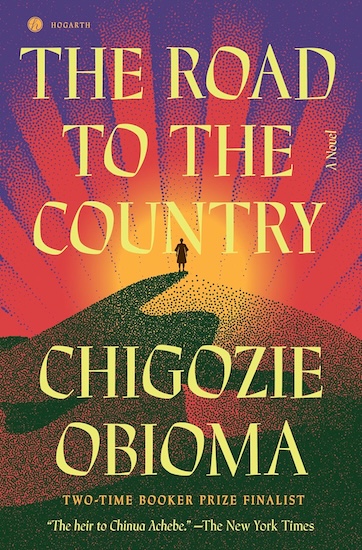
The Road to the Country
Nigeria, 1967. When Kunle Aromire discovers that his younger brother, Tunde, has disappeared into the breakaway territory of Biafra during the Nigerian Civil War, he sets out on a desperate mission to find him. Haunted by guilt over a childhood accident that left Tunde disabled, Kunle feels compelled to bring his brother home. But his search takes an unexpected turn when he crosses into Biafran territory and is forcibly conscripted into its army.
Thrown into a conflict he barely understands, Kunle must navigate the brutal realities of warfare while forming unlikely friendships with fellow soldiers. He also encounters Agnes, a courageous woman whose presence challenges his understanding of love, sacrifice, and duty. Alongside the horrors of battle, mystical prophecies shape Kunle’s journey, blurring the boundaries between fate and free will.
Blending historical realism with Igbo folklore and spirituality, The Road to the Country explores brotherhood, guilt, and the devastating human cost of civil war. Through one young man’s search for redemption, Obioma illuminates a pivotal and painful chapter of Nigerian history, asking how people preserve their humanity when their country is torn apart.
Nigeria
2024
2
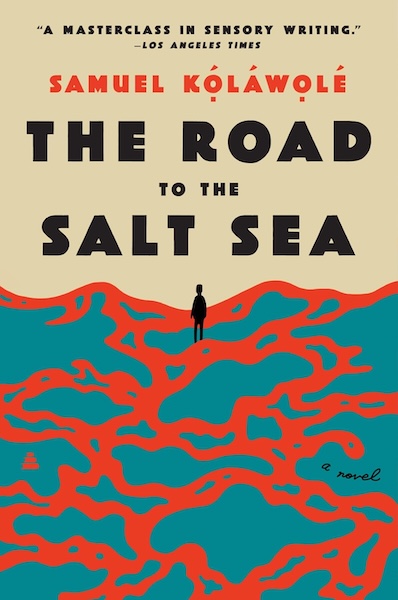
The Road to the Salt Sea
Able God is a bright young Nigerian man with an engineering degree, a love of chess, and hopes for a better future. But instead of building the life he imagined, he works long hours delivering room service at a luxury hotel, serving wealthy guests while struggling to make ends meet. When an encounter with a powerful and dangerous hotel guest turns violent, Able God finds himself caught in a situation that leaves him with few options. Fearing the consequences, he flees Nigeria and joins a group of migrants travelling across the Sahara toward Europe.
Led by a charismatic religious figure, the travellers embark on a perilous journey through Niger and Libya, hoping to reach a place where they can begin again. Instead, they encounter human traffickers, starvation, exploitation, and violence. As survival becomes his only priority, Able God is forced to question his beliefs about morality, faith, and the possibility of a better life. In The Road to the Salt Sea, Samuel Kolawole offers a powerful portrait of migration, exposing the human cost of inequality and the desperate choices made by those seeking safety and opportunity beyond their homeland.
Libya
Nigeria
Italy
2024
3
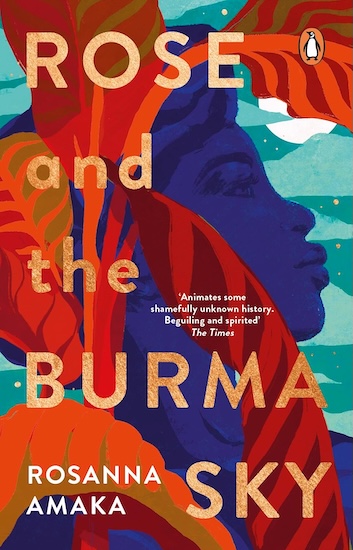
Rose and the Burma Sky
In 1939, in a village in southeastern Nigeria, young Obi dreams of building a better life for himself and his family. When a colonial army jeep passes through his village, the prospect of a uniform and a steady wage appeals to him—not least because he hopes to impress Rose, the woman he loves. But when Rose becomes pregnant by another man, Obi’s world collapses. Haunted by unanswered questions about her lover, he joins the British colonial army and is sent to fight in the brutal Burma Campaign of the Second World War.
As Obi confronts the horrors of war, his heartbreak becomes entangled with a mystery that will have devastating consequences. Through his journey from rural Nigeria to the battlefields of Southeast Asia, Rosanna Amaka brings attention to the often-overlooked experiences of African soldiers who fought for a colonial power. Blending an intimate story of unrequited love with the wider injustices of empire, Rose and the Burma Sky explores sacrifice, racial inequality, and the lasting consequences of choices made in moments of despair.
Nigeria
Myanmar
2023
4
Tomorrow I Become a Woman
Tomorrow I Become a Woman follows three Nigerian women whose lives are shaped by the expectations, traditions, and social pressures surrounding womanhood. Set in contemporary Nigeria, the novel explores the tensions between personal freedom and cultural obligations, particularly in a society where women’s choices about marriage, education, sexuality, and independence are often constrained by family and community expectations.
Through the experiences of its female characters, Aiwanose Odafen examines how women navigate relationships, confront unequal power structures, and struggle to define themselves on their own terms. The novel also explores the influence of religion, tradition, and social class on women’s lives, revealing the emotional costs of conforming to expectations that may conflict with their own desires. With an intimate focus on female friendship, resilience, and self-discovery, Tomorrow I Become a Woman asks what it means to become a woman in a world that has already decided what womanhood should look like.
Nigeria
2023
5
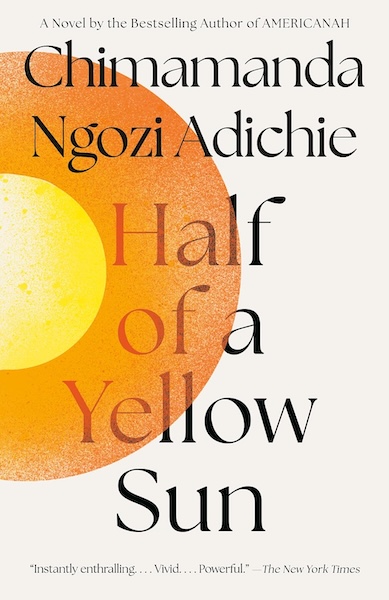
Half of a Yellow Sun
Half of a Yellow Sun is set in Nigeria during the 1960s, as the country moves from independence toward the devastating Biafran War. The novel follows three interconnected characters: Ugwu, a young houseboy who enters the service of a university professor; Olanna, the professor’s educated and politically engaged partner; and Richard, a British writer fascinated by Igbo culture who becomes involved with Olanna’s twin sister, Kainene. Through their experiences, Adichie portrays a society filled with intellectual ambition, political hope, and personal relationships that are gradually torn apart by ethnic tensions and conflict.
As the war intensifies and the independent state of Biafra struggles to survive, the characters face displacement, hunger, violence, and profound moral dilemmas. Their private lives become inseparable from the wider tragedy unfolding around them. Blending intimate storytelling with historical detail, the novel examines colonial legacies, ethnic identity, loyalty, and the devastating human cost of war. The title refers to the half-sun symbol on Biafra’s flag, representing a nation whose hopes for independence were ultimately shattered by conflict.
Nigeria
2007
6
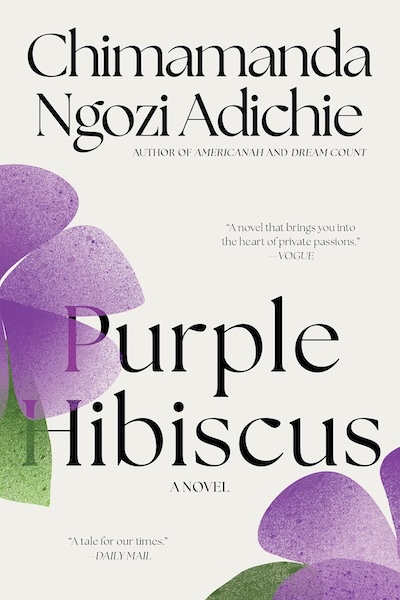
Purple Hibiscus
Purple Hibiscus follows fifteen-year-old Kambili Achike, who grows up in a wealthy Nigerian family ruled by her father, Eugene, a respected businessman and devout Catholic. In public, Eugene is admired for his generosity and outspoken opposition to political corruption. At home, however, his rigid religious beliefs and authoritarian behaviour create an atmosphere of fear and violence. Kambili and her brother, Jaja, learn to remain silent and obedient to avoid their father’s anger.
Their lives begin to change when they visit their aunt Ifeoma, a university lecturer who raises her children in a household filled with debate, laughter, and intellectual freedom. Through this experience, Kambili gradually discovers her own voice and begins to question the beliefs that have shaped her childhood. Set against the political instability of postcolonial Nigeria, the novel explores religious fanaticism, domestic abuse, freedom, and the courage required to challenge authority. With sensitivity and psychological depth, Adichie portrays a family’s struggle to break free from fear and rediscover the possibility of love and independence.
Nigeria
1980
7
Arrow of God
Arrow of God is set in the Igbo communities of southeastern Nigeria during the early twentieth century, as British colonial rule and Christian missionary activity begin to transform traditional society. At the centre of the novel is Ezeulu, the chief priest of Ulu, the most powerful deity of six neighbouring villages. Proud, intelligent, and deeply committed to his religious responsibilities, Ezeulu sees himself as the guardian of his people’s spiritual and cultural traditions. However, his growing conflicts with colonial administrators, Christian missionaries, and rival community leaders gradually undermine his authority.
When Ezeulu refuses to cooperate with the British authorities, his decision creates a crisis that threatens both his position and the unity of his people. His personal pride and religious convictions become entangled with broader struggles over power, belief, and cultural survival. Through Ezeulu’s tragic story, Chinua Achebe examines the consequences of colonialism, the tensions between tradition and change, and the dangers of political and spiritual inflexibility. The novel offers a nuanced portrait of a society confronting profound transformation from within and without.
Nigeria
1964