Historical Fiction
All countries
Afghanistan
Albania
Algeria
Angola
Antigua and Barbuda
Argentina
Armenia
Australia
Austria
Azerbaijan
Bangladesh
Barbados
Belize
Benin
Bosnia and Herzegovina
Brazil
Bulgaria
Burundi
Canada
Chile
China
Congo, Democratic Republic
Côte d’Ivoire (Ivory Coast)
Croatia
Cuba
Cyprus
Denmark
Djibouti
Dominica
Dominican Republic
Egypt
El Salvador
Ethiopia
Fiji
France
Georgia
Germany
Ghana
Greece
Guatemala
Hungary
Iceland
India
Indonesia
Iran
Iraq
Ireland
Italy
Jamaica
Japan
Kazakhstan
Kenya
Kuwait
Latvia
Lebanon
Libya
Madagascar
Malaysia
Mexico
Moldova
Morocco
Myanmar
Netherlands
Nigeria
North Korea
Oman
Pakistan
Palestine
Philippines
Poland
Portugal
Puerto Rico
Romania
Rwanda
Saudi Arabia
Senegal
Singapore
Slovenia
South Africa
South Korea
Spain
Sri Lanka
Sudan
Sweden
Switzerland
Syria
Taiwan
Tanzania
Thailand
Türkiye
Turkmenistan
Uganda
Ukraine
United Arab Emirates
United Kingdom
United States
Uruguay
Uzbekistan
Vietnam
Yemen
Zambia
Zimbabwe
1

The Hungry Tide
Set in the Sundarbans, a vast archipelago of mangrove forests and tidal rivers on the eastern coast of India, The Hungry Tide brings together three people from different worlds. Piya Roy, an American marine biologist of Indian descent, arrives to study the endangered Irrawaddy dolphins. She meets Fokir, a local fisherman whose intimate knowledge of the waterways makes him an invaluable guide, and Kanai Dutt, a translator and businessman visiting his aunt on the islands. As their lives become intertwined, they encounter the region’s dangerous wildlife, political tensions, and precarious relationship between humans and nature. Through this richly layered story, Amitav Ghosh explores environmental conservation, cultural differences, displacement, and the struggle of vulnerable communities to survive in an unforgiving landscape. The novel examines the complex relationship between people and the natural world, questioning whether scientific knowledge, local traditions, and human ambition can coexist.
India
2004
2

Our City That Year
An Indian city descends into communal violence, and the boundaries between neighbours, friends, and enemies begin to collapse. As religious extremism spreads and fear silences public life, three intellectuals struggle to make sense of the unfolding catastrophe. Shruti, a writer, finds herself unable to put the horrors into words; Hanif, an academic whose secular beliefs isolate him, watches his world shrink; and Sharad confronts the growing distance between himself and his childhood friend. Meanwhile, an unnamed narrator attempts to record what others might prefer to forget. Inspired by the political and social tensions surrounding the destruction of the Babri Mosque in 1992, Our City That Year is a haunting exploration of religious nationalism, fractured communities, and the responsibility of bearing witness when silence becomes complicity.
India
1998
3
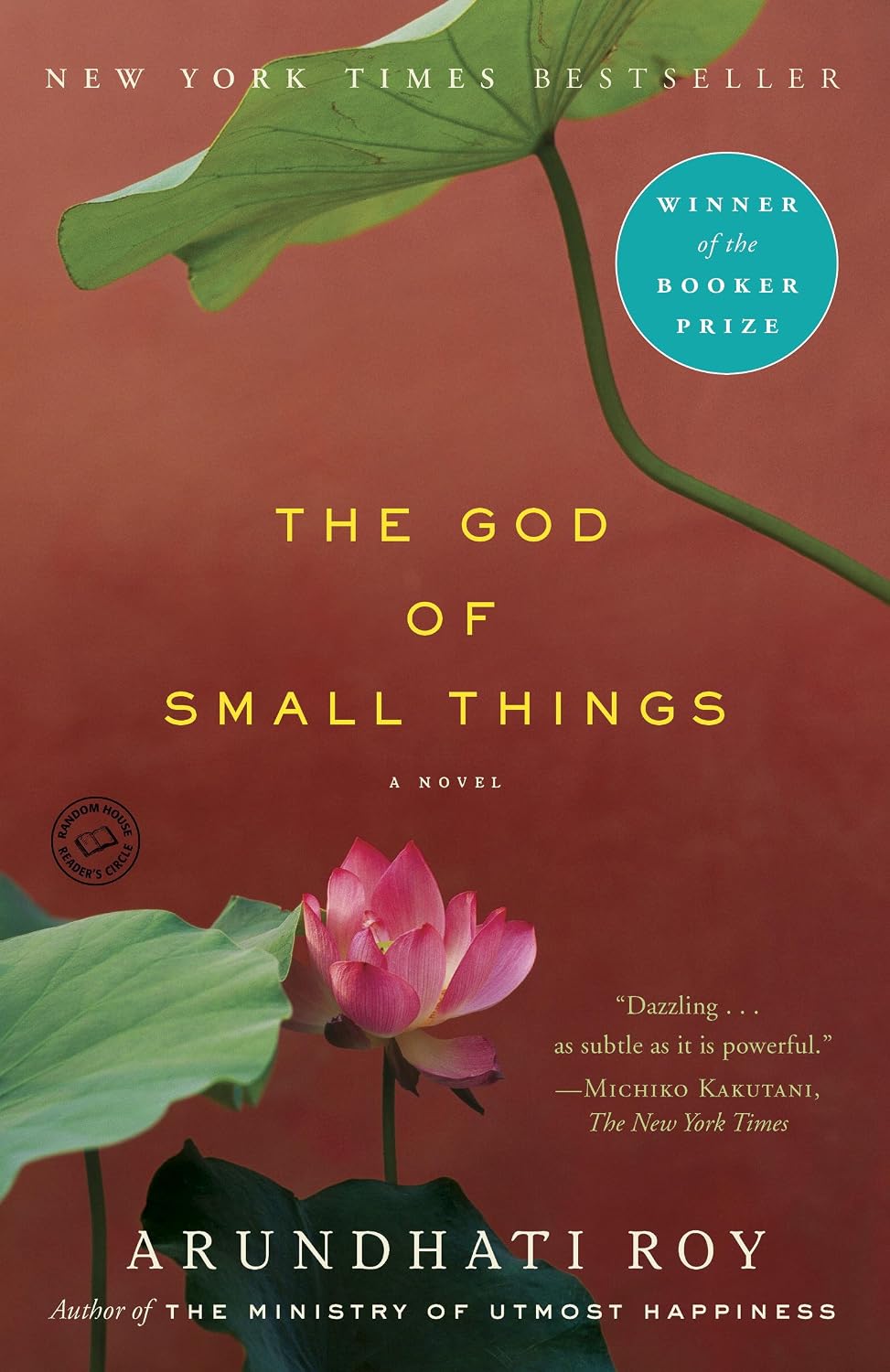
The God of Small Things
Set in Kerala, southern India, The God of Small Things tells the story of fraternal twins Estha and Rahel, whose childhood is shattered by a series of tragic events that permanently alter their family. Through a nonlinear narrative that moves between their childhood in 1969 and their reunion as adults, the novel explores the consequences of forbidden love, social prejudice, and deeply rooted cultural expectations. When their cousin Sophie Mol visits from England, an unexpected tragedy exposes the family’s hidden tensions and the cruelty of the social hierarchies governing their lives. At the centre of the story is Ammu, the twins’ mother, whose relationship with Velutha, a man from an oppressed caste, challenges the rigid boundaries of Indian society. Roy’s lyrical prose captures the beauty of childhood perception alongside the devastating effects of discrimination, silence, and loss. The novel examines how seemingly small moments can shape entire lives, revealing the profound consequences of breaking society’s unwritten rules.
India
1997