Historical Fiction
All countries
Afghanistan
Albania
Algeria
Angola
Antigua and Barbuda
Argentina
Armenia
Australia
Austria
Azerbaijan
Bangladesh
Barbados
Belize
Benin
Bosnia and Herzegovina
Brazil
Bulgaria
Burundi
Canada
Chile
China
Congo, Democratic Republic
Côte d’Ivoire (Ivory Coast)
Croatia
Cuba
Cyprus
Denmark
Djibouti
Dominica
Dominican Republic
Egypt
El Salvador
Ethiopia
Fiji
France
Georgia
Germany
Ghana
Greece
Guatemala
Hungary
Iceland
India
Indonesia
Iran
Iraq
Ireland
Italy
Jamaica
Japan
Kazakhstan
Kenya
Kuwait
Latvia
Lebanon
Libya
Madagascar
Malaysia
Mexico
Moldova
Morocco
Myanmar
Netherlands
Nigeria
North Korea
Oman
Pakistan
Palestine
Philippines
Poland
Portugal
Puerto Rico
Romania
Rwanda
Saudi Arabia
Senegal
Singapore
Slovenia
South Africa
South Korea
Spain
Sri Lanka
Sudan
Sweden
Switzerland
Syria
Taiwan
Tanzania
Thailand
Türkiye
Turkmenistan
Uganda
Ukraine
United Arab Emirates
United Kingdom
United States
Uruguay
Uzbekistan
Vietnam
Yemen
Zambia
Zimbabwe
1
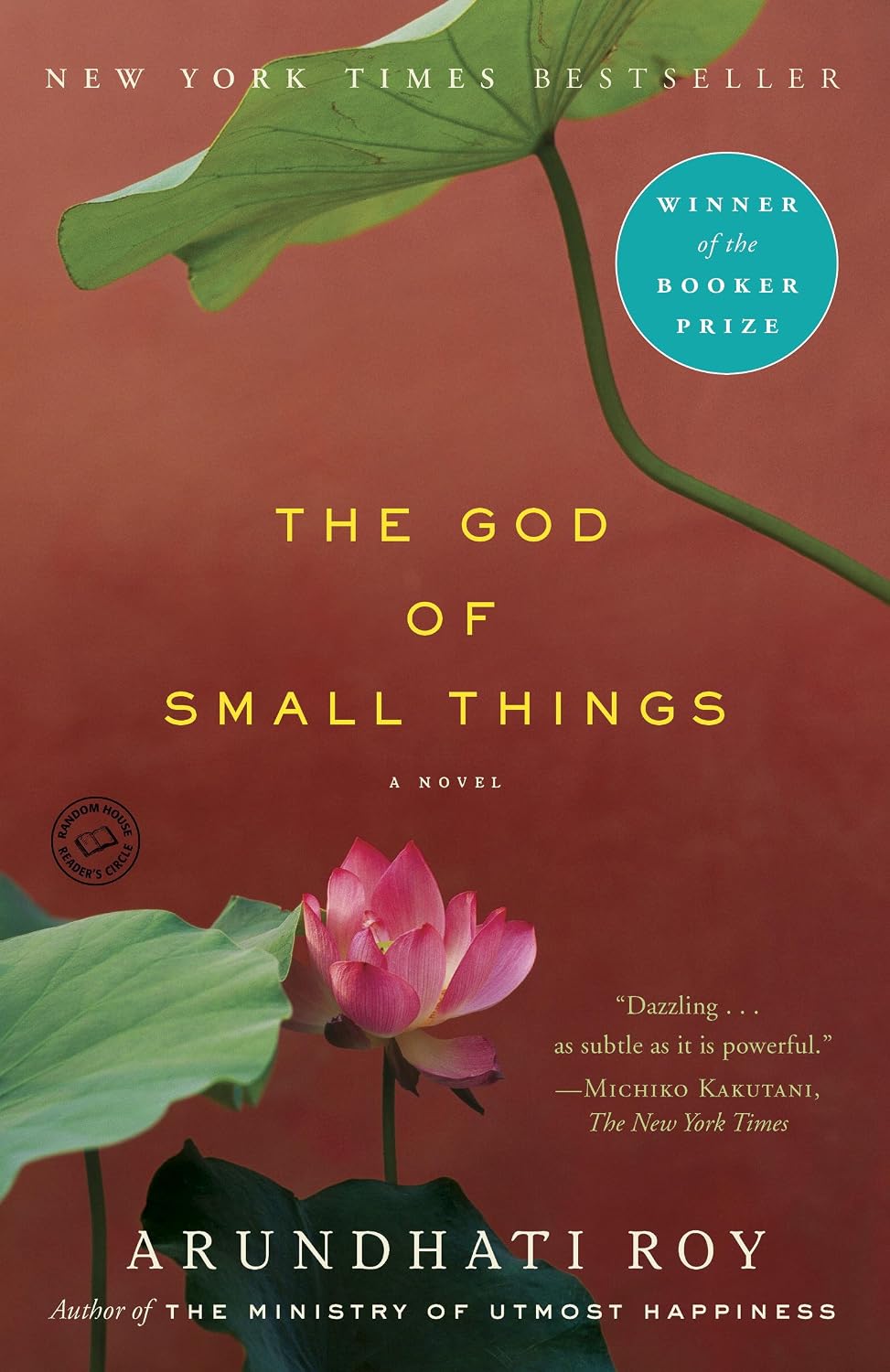
The God of Small Things
Set in Kerala, southern India, The God of Small Things tells the story of fraternal twins Estha and Rahel, whose childhood is shattered by a series of tragic events that permanently alter their family. Through a nonlinear narrative that moves between their childhood in 1969 and their reunion as adults, the novel explores the consequences of forbidden love, social prejudice, and deeply rooted cultural expectations. When their cousin Sophie Mol visits from England, an unexpected tragedy exposes the family’s hidden tensions and the cruelty of the social hierarchies governing their lives. At the centre of the story is Ammu, the twins’ mother, whose relationship with Velutha, a man from an oppressed caste, challenges the rigid boundaries of Indian society. Roy’s lyrical prose captures the beauty of childhood perception alongside the devastating effects of discrimination, silence, and loss. The novel examines how seemingly small moments can shape entire lives, revealing the profound consequences of breaking society’s unwritten rules.
India
1997
2

Our City That Year
An Indian city descends into communal violence, and the boundaries between neighbours, friends, and enemies begin to collapse. As religious extremism spreads and fear silences public life, three intellectuals struggle to make sense of the unfolding catastrophe. Shruti, a writer, finds herself unable to put the horrors into words; Hanif, an academic whose secular beliefs isolate him, watches his world shrink; and Sharad confronts the growing distance between himself and his childhood friend. Meanwhile, an unnamed narrator attempts to record what others might prefer to forget. Inspired by the political and social tensions surrounding the destruction of the Babri Mosque in 1992, Our City That Year is a haunting exploration of religious nationalism, fractured communities, and the responsibility of bearing witness when silence becomes complicity.
India
1998
3
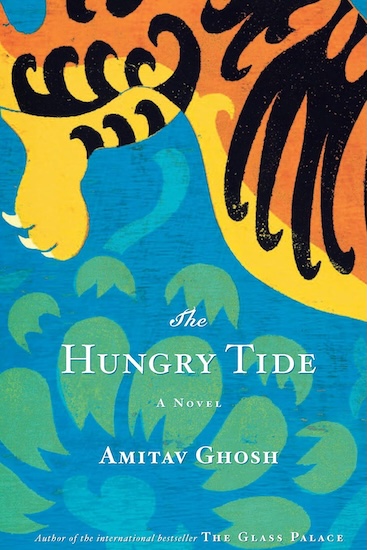
The Hungry Tide
Set in the Sundarbans, a vast archipelago of mangrove forests and tidal rivers on the eastern coast of India, The Hungry Tide brings together three people from different worlds. Piya Roy, an American marine biologist of Indian descent, arrives to study the endangered Irrawaddy dolphins. She meets Fokir, a local fisherman whose intimate knowledge of the waterways makes him an invaluable guide, and Kanai Dutt, a translator and businessman visiting his aunt on the islands. As their lives become intertwined, they encounter the region’s dangerous wildlife, political tensions, and precarious relationship between humans and nature. Through this richly layered story, Amitav Ghosh explores environmental conservation, cultural differences, displacement, and the struggle of vulnerable communities to survive in an unforgiving landscape. The novel examines the complex relationship between people and the natural world, questioning whether scientific knowledge, local traditions, and human ambition can coexist.
India
2004
4
The Palace of Illusions
The Palace of Illusions retells the ancient Indian epic Mahabharata from the perspective of Panchaali, also known as Draupadi, the princess who becomes the wife of the five Pandava brothers. Born from fire and raised amid royal expectations, Panchaali is intelligent, passionate, and determined to influence her own destiny in a world governed by men, duty, and political ambition. As her husbands fight to reclaim their kingdom, she becomes entangled in rivalries, betrayals, and the devastating conflict that eventually leads to war. The novel offers a fresh interpretation of familiar events by foregrounding Panchaali’s inner life, desires, and frustrations. Divakaruni explores gender, power, fate, and the consequences of pride, questioning how women experience and influence histories traditionally told through the deeds of male heroes
India
2008
5
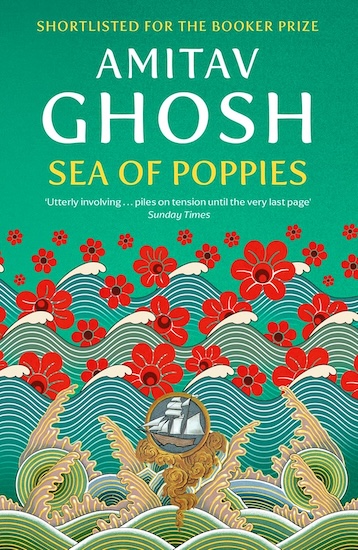
Sea of Poppies
Set in 1838, shortly before the First Opium War, Sea of Poppies follows a diverse group of characters whose lives converge aboard the Ibis, a former slave ship sailing from India to Mauritius. Among them are Deeti, a village woman escaping an oppressive marriage; Kalua, a low-caste ox-cart driver; Neel Rattan Halder, a wealthy landowner facing ruin; and Zachary Reid, an American sailor navigating questions of race and identity. As they journey across the Indian Ocean, these individuals find themselves bound together by circumstances shaped by colonialism, the opium trade, caste discrimination, and economic exploitation. Through their intertwined stories, Amitav Ghosh brings to life a turbulent period in Indian history, revealing how imperial ambitions transform ordinary lives. Blending historical detail, adventure, and rich linguistic diversity, the novel explores displacement, social inequality, and the universal desire for freedom and belonging.
India
2008
6
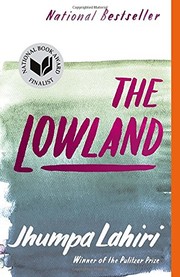
The Lowland
The Lowland tells the story of two brothers, Subhash and Udayan, who grow up together in Calcutta but choose dramatically different paths as adults. During the 1960s, Udayan becomes involved in the Naxalite movement, a radical communist uprising that challenges India’s political and social order. Subhash, by contrast, leaves for the United States to pursue an academic career. When political violence destroys Udayan’s future, Subhash returns to India and makes a decision that binds him to his brother’s family for decades. The consequences of this choice unfold across generations, affecting relationships, marriages, and the identity of Udayan’s daughter, Bela. Lahiri explores guilt, loyalty, political conviction, and the lasting consequences of family secrets, showing how a single act can shape the lives of people who were never responsible for it.
India
2013
7

The Storyteller's Secret
The Storyteller’s Secret follows Jaya, an Indian American journalist whose personal life begins to unravel after she experiences a painful miscarriage and the breakdown of her marriage. Seeking answers and a fresh perspective, she travels to India to reconnect with her family’s roots. There, she meets Ravi, her grandmother’s former servant, who shares the story of Amisha, Jaya’s grandmother, and the difficult choices that shaped her life in a small Indian village during the 1930s. Amisha was a gifted storyteller whose aspirations extended beyond the traditional roles available to women, but her ambitions were constrained by social expectations and a marriage that offered little freedom. As Jaya uncovers her grandmother’s past, she begins to understand her own struggles differently. Badani explores family secrets, women’s independence, cultural traditions, and the healing power of understanding previous generations.
India
2018
8
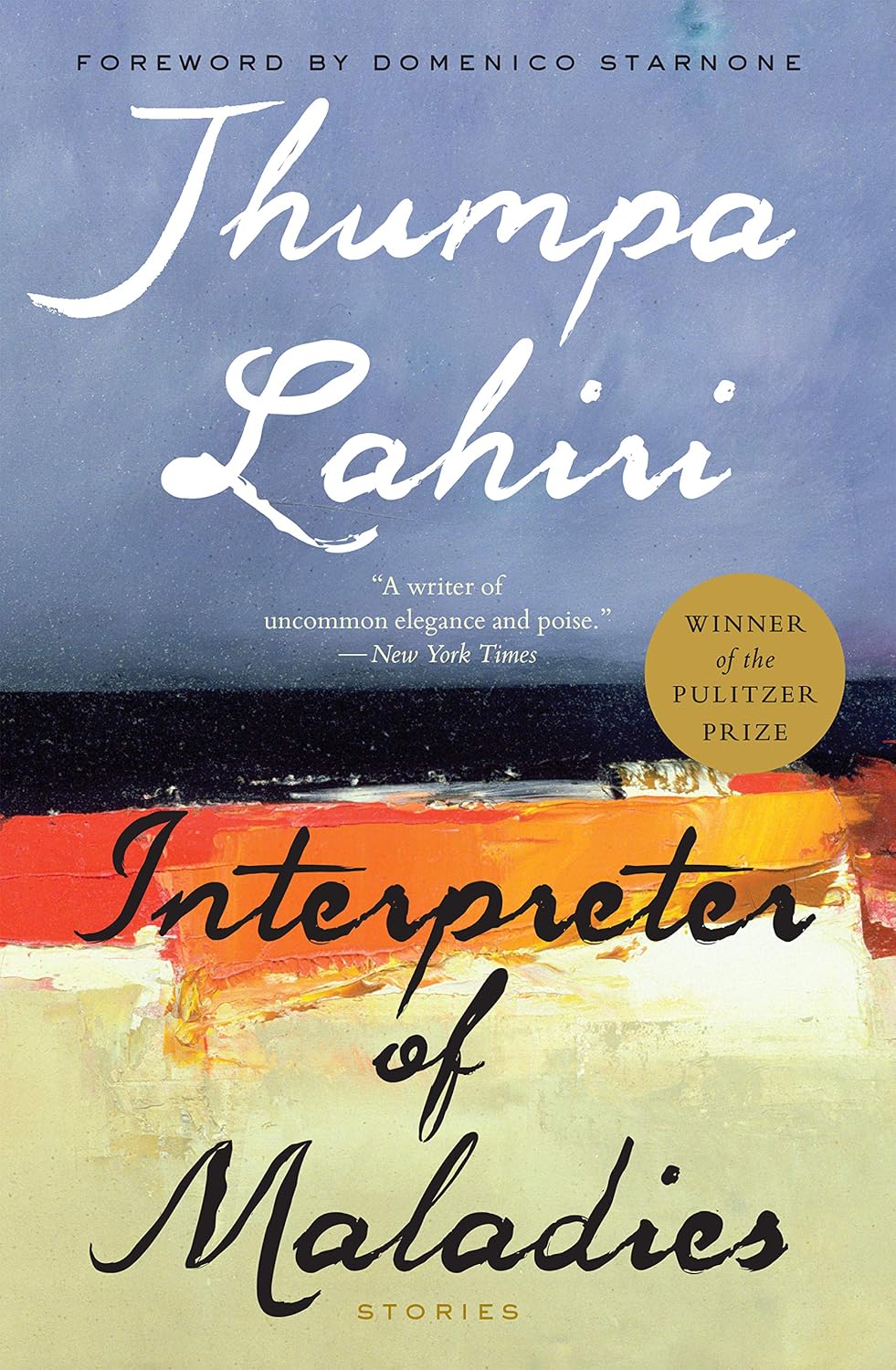
Interpreter of Maladies
Interpreter of Maladies is a collection of nine short stories exploring the lives of Indian and Indian American characters navigating love, cultural displacement, family obligations, and loneliness. In the title story, an Indian tour guide who works as an interpreter for a doctor becomes the confidant of an American woman of Indian origin, whose personal revelations challenge his understanding of intimacy and connection. Other stories portray arranged marriages, strained relationships between parents and children, and the emotional difficulties of living between cultures. Lahiri pays close attention to ordinary moments when misunderstandings, unspoken desires, and private disappointments reveal deeper struggles. Her characters often appear caught between the expectations of their heritage and the realities of their present lives. The collection explores belonging, communication, and the quiet emotional distances that can separate people who seem intimately connected.
India
2019
9
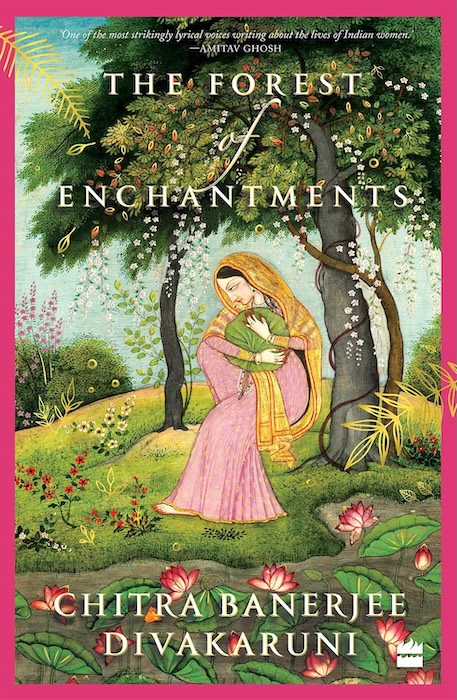
Forest of Enchantments
The Forest of Enchantments reimagines the ancient Indian epic Ramayana through the perspective of Sita, the heroine whose experiences have often been overshadowed by those of the male characters. From her early life and marriage to Prince Rama to their exile in the forest, Sita’s story unfolds as a journey marked by love, sacrifice, and difficult choices. After she is abducted by the demon king Ravana and eventually reunited with Rama, she faces further trials that challenge her dignity and independence. Divakaruni also brings attention to other women in the epic, including Kaikeyi, Surpanakha, and Mandodari, exploring the complicated motivations behind their actions. By giving these women their own voices, the novel questions traditional ideas about duty, honour, and obedience. It offers a feminist interpretation of a foundational Indian epic, examining women’s autonomy and their struggle to define themselves within a world governed by patriarchal expectations.
India
2019
10
Well-Behaved Indian Women
Well-Behaved Indian Women follows three generations of Indian women as they navigate the expectations of family, culture, and personal ambition. Simran Mehta, a young Indian American woman living in New York, dreams of becoming a writer, but her aspirations conflict with her family’s hopes that she will pursue a more conventional future. Her mother, Nandini, has spent much of her life meeting the expectations placed upon her as a wife and mother, while her grandmother, Bindu, carries memories of a different India and the sacrifices required of women in her generation. As their stories intersect, long-standing tensions emerge around marriage, independence, and what it means to be a good daughter. Dave explores the complexities of cultural identity and intergenerational relationships, showing how women can honour their heritage while questioning traditions that no longer reflect who they want to become.
India
2020
11
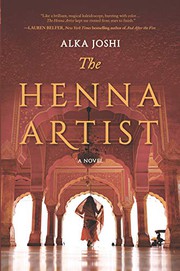
The Henna Artist
Set in Jaipur in the 1950s, The Henna Artist follows Lakshmi, a young woman who escapes an abusive marriage and builds an independent life in the Pink City. Through her exceptional skills as a henna artist and her knowledge of traditional remedies, she becomes a trusted confidante to wealthy women, gaining access to their private lives and secrets. Lakshmi dreams of establishing her own home and achieving financial security, carefully protecting the reputation that sustains her livelihood. However, her carefully constructed world is disrupted when her estranged husband appears with a young girl who turns out to be the sister Lakshmi never knew she had. Forced to reconsider her priorities, Lakshmi must navigate the tension between independence and family responsibility. Joshi explores women’s autonomy, social hierarchy, ambition, and the possibility of creating a new life despite the limitations imposed by society.
India
2020
12
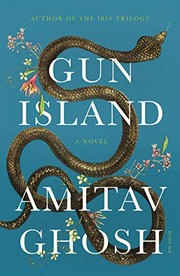
Gun Island
In Gun Island, Amitav Ghosh follows Deen Datta, a Brooklyn-based Indian rare-book dealer whose fascination with an obscure Bengali legend leads him on an unexpected journey from Kolkata to the Sundarbans and Venice. As he investigates the story of a merchant who escaped the wrath of the snake goddess Manasa Devi, Deen encounters mysterious coincidences, ancient myths, and people whose lives have been transformed by migration and environmental upheaval. Along the way, he witnesses the devastating effects of climate change, including rising seas, extreme weather, and threats to vulnerable communities. Blending folklore, history, and contemporary fiction, Ghosh explores the connections between human migration, ecological crisis, and cultural memory, questioning whether ancient stories might offer new ways of understanding the environmental challenges of the modern world.
India
2020