Historical Fiction
All countries
Afghanistan
Albania
Algeria
Angola
Antigua and Barbuda
Argentina
Armenia
Australia
Austria
Azerbaijan
Bangladesh
Barbados
Belize
Benin
Bosnia and Herzegovina
Brazil
Bulgaria
Burundi
Canada
Chile
China
Congo, Democratic Republic
Côte d’Ivoire (Ivory Coast)
Croatia
Cuba
Cyprus
Denmark
Djibouti
Dominica
Dominican Republic
Egypt
El Salvador
Ethiopia
Fiji
France
Georgia
Germany
Ghana
Greece
Guatemala
Hungary
Iceland
India
Indonesia
Iran
Iraq
Ireland
Italy
Jamaica
Japan
Kazakhstan
Kenya
Kuwait
Latvia
Lebanon
Libya
Madagascar
Malaysia
Mexico
Moldova
Morocco
Myanmar
Netherlands
Nigeria
North Korea
Oman
Pakistan
Palestine
Philippines
Poland
Portugal
Puerto Rico
Romania
Rwanda
Saudi Arabia
Senegal
Singapore
Slovenia
South Africa
South Korea
Spain
Sri Lanka
Sudan
Sweden
Switzerland
Syria
Taiwan
Tanzania
Thailand
Türkiye
Turkmenistan
Uganda
Ukraine
United Arab Emirates
United Kingdom
United States
Uruguay
Uzbekistan
Vietnam
Yemen
Zambia
Zimbabwe
1
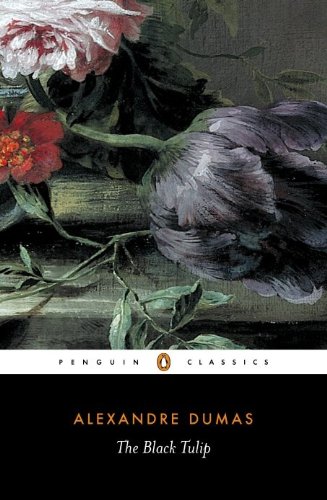
The Black Tulip
Set in the Netherlands in 1672, The Black Tulip follows Cornelius van Baerle, a passionate and wealthy tulip grower whose greatest ambition is to cultivate the first completely black tulip. His peaceful life is shattered when political intrigue leads to his imprisonment, after he is falsely accused of conspiring against the powerful brothers Cornelis and Johan de Witt. Behind bars, Cornelius continues his botanical pursuit with the help of Rosa, the jailer’s daughter, who becomes his devoted ally and eventually his beloved. As jealousy, betrayal, and greed threaten his dream, Cornelius must fight to protect both his flower and his freedom. Blending historical adventure, romance, and political drama, Dumas explores the destructive power of envy alongside the redemptive strength of loyalty and compassion. The black tulip becomes a symbol of perseverance and the pursuit of an extraordinary goal in a world shaped by ambition and injustice.
France
1850
2
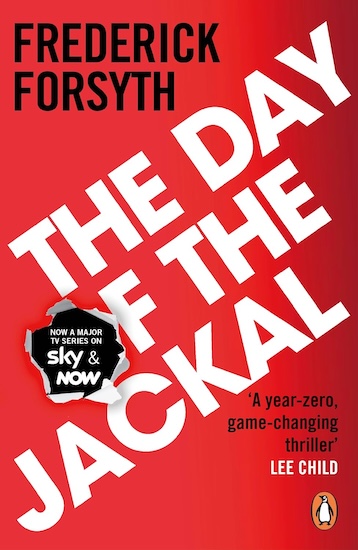
The Day of the Jackal
France, 1963. Following repeated attempts to assassinate President Charles de Gaulle, a militant organisation determined to overthrow him hires a professional killer known only by his codename: the Jackal. Brilliant, meticulous, and almost impossible to identify, the assassin begins preparing an elaborate plan to kill the French president. He obtains false identities, arranges specialised equipment, and carefully studies the security measures surrounding his target.
When French intelligence discovers the conspiracy, the authorities launch a desperate hunt for the unknown assassin. Commissaire Claude Lebel, a methodical detective with an exceptional ability to follow small clues, is assigned to lead the investigation. As the Jackal moves closer to his target, Lebel must navigate political pressure, bureaucratic obstacles, and a trail of deception stretching across Europe.
Combining painstaking procedural detail with relentless suspense, The Day of the Jackal explores the deadly intersection of political extremism, state security, and individual ambition. Frederick Forsyth transforms a fictional assassination plot into a gripping contest between two professionals, each determined to outwit the other before time runs out.
France
United Kingdom
1971
3
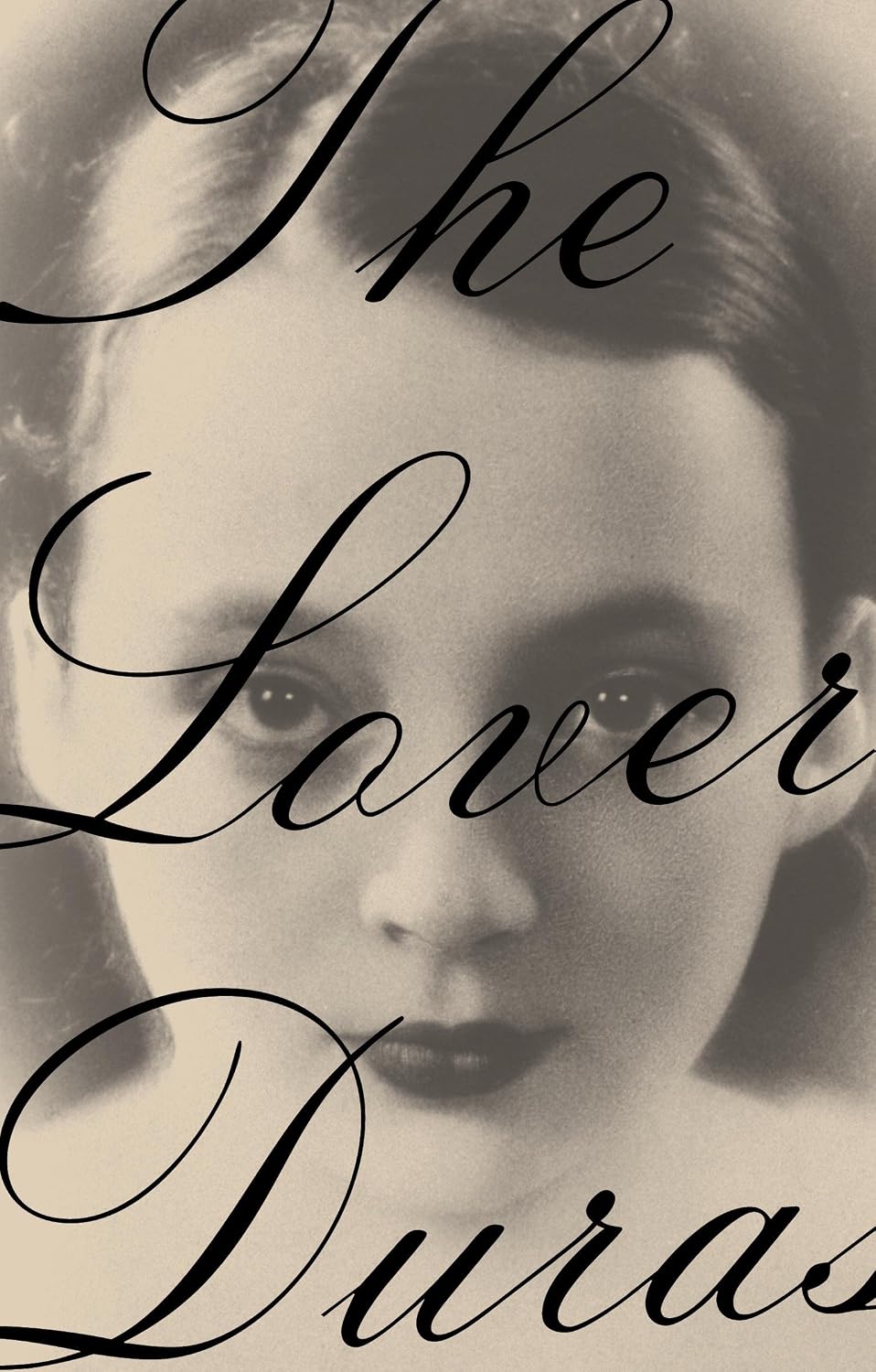
The Lover
The Lover is an autobiographical novel set in French colonial Indochina in the late 1920s. It follows a fifteen-year-old French girl from a financially struggling family who begins a relationship with a wealthy Chinese man several years older than her. Their encounter takes place against a backdrop of racial divisions, colonial hierarchies, and social conventions that shape their lives and determine how their relationship is perceived.
Through fragmented memories and lyrical, introspective prose, Marguerite Duras explores desire, shame, power, and the complicated dynamics of intimacy. The narrator’s relationship with her lover becomes entangled with her difficult family life, particularly her strained relationship with her mother and brothers. As she reflects on the experience from adulthood, memory transforms the story into an examination of how love and sexuality shape identity. Both intimate and unsentimental, the novel reveals the inequalities embedded in colonial society while questioning the boundaries between personal history, desire, and the stories people tell about their past.
France
1984
4
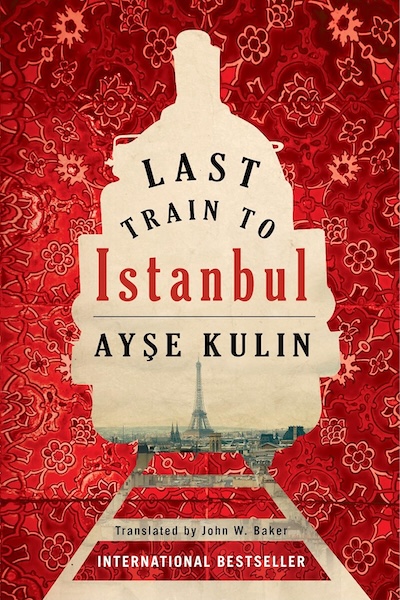
Last Train to Istanbul
As the Second World War threatens to engulf Europe, Selva, the daughter of a prominent Ottoman family, falls in love with Rafael Alfandari, a young Jewish man. Their relationship defies the expectations of both families, forcing them to leave Turkey and begin a new life together in France. But when the Nazis occupy the country, their happiness is overshadowed by the growing danger facing Jewish communities across Europe.
As persecution intensifies, Selva and Rafael find themselves trapped in a hostile world where their love and their young family may not be enough to keep them safe. Meanwhile, Turkish diplomats work behind the scenes to rescue Jewish people stranded in occupied Europe, arranging a perilous journey towards freedom. With time running out, the fate of Selva and Rafael becomes intertwined with the courage of those willing to risk their lives to save strangers.
Moving between Ankara, Istanbul, Paris, and other wartime cities, Last Train to Istanbul combines an intimate family story with a little-known chapter of Holocaust history. Inspired by accounts of Turkish diplomats who helped rescue Jews during the war, the novel explores love across cultural boundaries, moral courage, and the extraordinary acts of humanity that can emerge in the darkest times.
Türkiye
France
2002
5
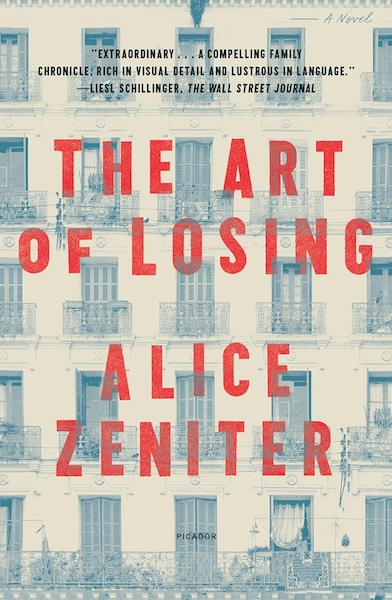
Art of Losing
Some families inherit houses, photographs, and heirlooms. Others inherit silences.
When Naïma, a young French woman of Algerian descent, begins exploring her family history, she discovers how little she knows about the country her grandparents left behind. Her grandfather, Ali, once owned land in Algeria but fled to France after the Algerian War of Independence. Her father, Hamid, grew up determined to become French, leaving painful memories and unanswered questions buried in the past.
Spanning three generations and seven decades, The Art of Losing follows a family shaped by colonialism, displacement, and the struggle to belong. As Naïma begins uncovering the truth about her ancestors, she must confront a history that is both deeply personal and politically complicated. What does it mean to inherit a past you never experienced? And can you claim an identity when the stories that might explain it have been lost?
Moving between Algeria and France, Alice Zeniter explores the invisible burdens passed from parents to children: the languages forgotten, the memories suppressed, and the connections that survive despite distance. Winner of the 2022 International Dublin Literary Award, this sweeping family saga is a powerful meditation on exile, belonging, and the stories we need to understand ourselves.
Algeria
France
2017
6
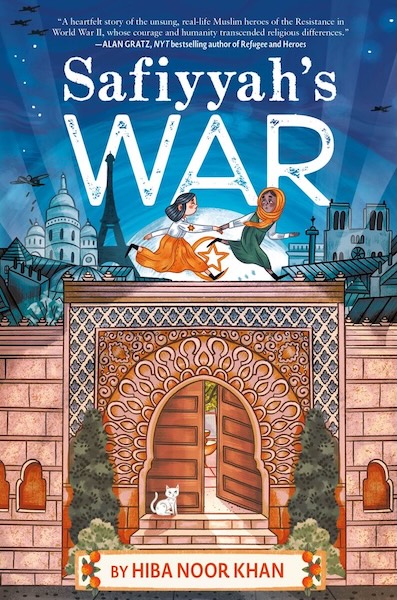
Safiyyah's War
When Nazi Germany invades Paris in 1940, eleven-year-old Safiyyah’s peaceful life at the Grand Mosque of Paris is transformed by fear and uncertainty. Her Jewish best friend has fled the city, German soldiers patrol the streets, and Safiyyah struggles to understand the growing injustice around her. When her father is arrested for his secret Resistance activities, she discovers that the adults she trusts are involved in something far more dangerous than she imagined.
Determined to fight back, Safiyyah begins carrying messages across occupied Paris. Soon, the mosque becomes a refuge for persecuted Jewish people, and Safiyyah faces her greatest challenge yet: navigating the dangerous underground passages beneath the city to help lead them to safety.
Inspired by the little-known history of the Grand Mosque of Paris and its role in helping Jews escape Nazi persecution, Safiyyah’s War brings a neglected chapter of the Second World War to life through the eyes of a courageous young Muslim girl. It is a moving story of friendship, compassion, and ordinary people risking everything to protect others.
France
2023
7
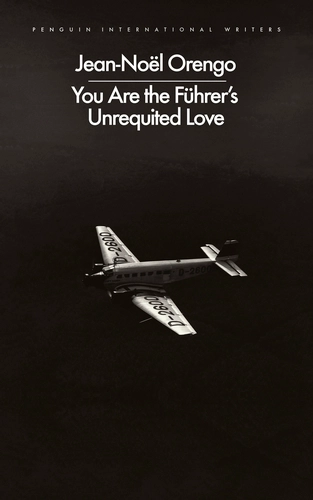
You Are the Führer's Unrequited Love
How does a man implicated in one of history’s greatest atrocities reinvent himself as an innocent bystander? In 1969, Albert Speer—Hitler’s favourite architect and Minister of Armaments—publishes his memoirs, presenting himself as the “good Nazi” who knew nothing about the Holocaust. His carefully constructed narrative helps him escape the full weight of his responsibility and become a bestselling author. But behind this image lies a history of ambition, complicity, and calculated self-deception. Blending historical research with literary fiction, Jean-Noël Orengo reconstructs Speer’s rise, his proximity to Hitler, and his postwar reinvention. The result is a disturbing exploration of how powerful people manipulate memory, reshape their identities, and make fiction more seductive than truth. In an age of competing narratives, the novel asks who gets to control the story of the past.
France
2024
8
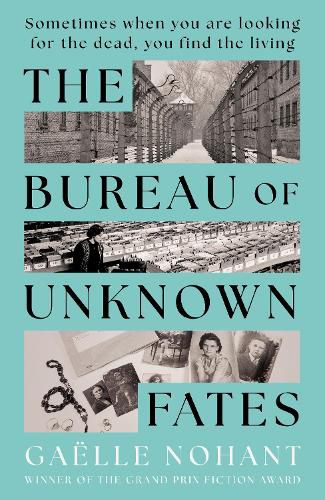
The Bureau of Unknown Fates
In the aftermath of the Second World War, the Allies establish the International Tracing Service in Bad Arolsen, Germany, to investigate Nazi crimes and help families discover the fates of millions of missing and displaced people. In 1990, Irène, a young Frenchwoman who has moved to Germany after marrying a German man, begins working at the institution. Meticulous and deeply committed to her work, she gradually becomes absorbed in the stories preserved within its archives. Years later, she is entrusted with returning thousands of personal belongings confiscated from concentration camp prisoners. A cloth doll, a medallion, and an embroidered handkerchief become clues to the identities of their former owners and the families they left behind. As Irène follows these traces across Europe, she uncovers stories of persecution, complicity, survival, and loss, while confronting the troubling silences surrounding Germany’s wartime past. Weaving together individual lives and collective memory, Gaëlle Nohant’s moving historical novel explores the enduring consequences of the Holocaust and the power of remembrance to restore dignity to those history has nearly erased.
France
2026