Historical Fiction
All countries
Afghanistan
Albania
Algeria
Angola
Antigua and Barbuda
Argentina
Armenia
Australia
Austria
Azerbaijan
Bangladesh
Barbados
Belize
Benin
Bosnia and Herzegovina
Brazil
Bulgaria
Burundi
Canada
Chile
China
Congo, Democratic Republic
Côte d’Ivoire (Ivory Coast)
Croatia
Cuba
Cyprus
Denmark
Djibouti
Dominica
Dominican Republic
Egypt
El Salvador
Ethiopia
Fiji
France
Georgia
Germany
Ghana
Greece
Guatemala
Hungary
Iceland
India
Indonesia
Iran
Iraq
Ireland
Italy
Jamaica
Japan
Kazakhstan
Kenya
Kuwait
Latvia
Lebanon
Libya
Madagascar
Malaysia
Mexico
Moldova
Morocco
Myanmar
Netherlands
Nigeria
North Korea
Oman
Pakistan
Palestine
Philippines
Poland
Portugal
Puerto Rico
Romania
Rwanda
Saudi Arabia
Senegal
Singapore
Slovenia
South Africa
South Korea
Spain
Sri Lanka
Sudan
Sweden
Switzerland
Syria
Taiwan
Tanzania
Thailand
Türkiye
Turkmenistan
Uganda
Ukraine
United Arab Emirates
United Kingdom
United States
Uruguay
Uzbekistan
Vietnam
Yemen
Zambia
Zimbabwe
1
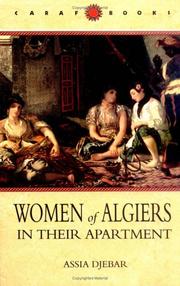
Women of Algiers in Their Apartment
Women of Algiers in Their Apartment is a collection of short stories by Algerian writer Assia Djebar that explores the lives of women navigating the aftermath of colonialism and the Algerian War of Independence. Through interwoven narratives, Djebar portrays women from different generations as they confront the restrictions imposed by patriarchal traditions, the trauma of violence, and the challenges of claiming independence in a changing society. Drawing inspiration from Eugène Delacroix’s painting of the same name, the collection reimagines women traditionally depicted as silent and secluded, giving them voices through which to express their desires, memories, and struggles. Djebar combines personal testimonies, historical reflection, and lyrical prose to examine how women’s experiences have been marginalised in official accounts of national history. Her characters negotiate the tension between tradition and modernity while seeking autonomy and meaningful connection. The collection becomes both an act of remembrance and a literary form of resistance, revealing the complex relationship between women’s liberation, cultural identity, and the unfinished struggle for freedom in postcolonial Algeria.
Algeria
1980
2
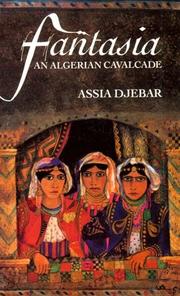
Fantasia, an Algerian cavalcade
Fantasia: An Algerian Cavalcade blends autobiography, historical research, and fiction to explore Algeria’s colonial past and the experiences of women caught between cultural traditions and political upheaval. Assia Djebar begins with memories of her childhood, growing up in a French-language school system while living within the traditions of an Algerian Muslim family. Her education gives her access to opportunities unavailable to many women of her generation, yet it also creates a distance between her and the language and experiences of her ancestors.
Interwoven with her personal story are accounts of the French invasion of Algeria in 1830, drawn from historical documents, military reports, and testimonies that reveal the violence of colonial conquest. Djebar also reconstructs the lives and voices of Algerian women whose experiences were often excluded from official histories. Moving between past and present, French and Arabic, personal memory and collective trauma, the novel examines language, gender, colonialism, and cultural identity. It becomes an attempt to recover silenced histories and understand what it means to write from within the complicated legacy of colonisation.
Algeria
1985
3
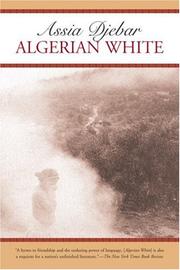
Algerian White
Algerian White is a deeply personal and reflective work in which Assia Djebar mourns three intellectual friends who were murdered during Algeria’s violent civil conflict of the 1990s. Through memories, literary reflections, and historical commentary, Djebar examines the devastating consequences of political violence on writers, thinkers, and the cultural life of her country. The title refers to the white shroud associated with burial, symbolising both mourning and the silencing of voices lost to violence. Moving between intimate recollections and broader reflections on Algeria’s colonial past and post-independence struggles, Djebar explores the responsibilities of intellectuals in times of crisis and the fragility of freedom of expression. Her writing becomes an act of remembrance, resisting the disappearance of those who challenged oppression through their ideas and words. Blending memoir, essay, and elegy, the book reflects on friendship, loss, memory, and the enduring importance of literature in preserving the lives and convictions of those who have been silenced.
Algeria
2002
4
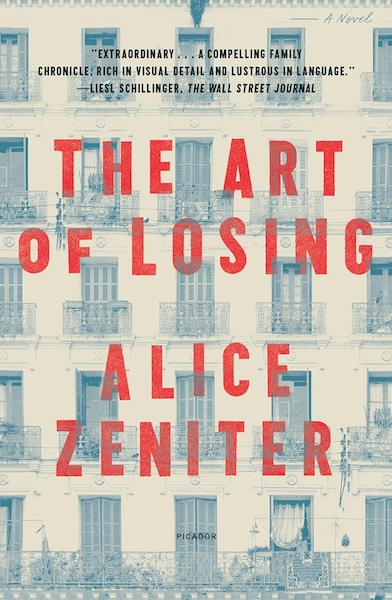
Art of Losing
Some families inherit houses, photographs, and heirlooms. Others inherit silences.
When Naïma, a young French woman of Algerian descent, begins exploring her family history, she discovers how little she knows about the country her grandparents left behind. Her grandfather, Ali, once owned land in Algeria but fled to France after the Algerian War of Independence. Her father, Hamid, grew up determined to become French, leaving painful memories and unanswered questions buried in the past.
Spanning three generations and seven decades, The Art of Losing follows a family shaped by colonialism, displacement, and the struggle to belong. As Naïma begins uncovering the truth about her ancestors, she must confront a history that is both deeply personal and politically complicated. What does it mean to inherit a past you never experienced? And can you claim an identity when the stories that might explain it have been lost?
Moving between Algeria and France, Alice Zeniter explores the invisible burdens passed from parents to children: the languages forgotten, the memories suppressed, and the connections that survive despite distance. Winner of the 2022 International Dublin Literary Award, this sweeping family saga is a powerful meditation on exile, belonging, and the stories we need to understand ourselves.
Algeria
France
2017
5
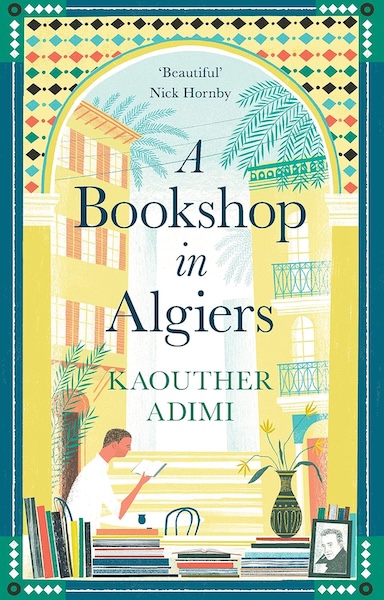
A Bookshop in Algiers
Can a small bookshop preserve the soul of a city through war, revolution, and the passing of generations?
In 1936, twenty-year-old Edmond Charlot opens a bookshop in Algiers with an ambitious dream: to create a home for writers and readers from across the Mediterranean. His little shop, Les Vraies Richesses (“Our True Riches”), becomes a cultural refuge, publishing emerging writers—including a young Albert Camus—while Algeria undergoes profound political and social change.
Decades later, the shop faces a very different future. Ryad, a young man with little interest in literature, arrives to empty its shelves before the premises are transformed into something else. But through the memories of its elderly guardian and the traces left by generations of readers, he begins to discover the extraordinary history contained within its walls.
Moving between past and present, Kaouther Adimi weaves together the story of a real literary landmark and the turbulent history of modern Algeria. A tender tribute to books, cultural memory, and the people who protect both, A Bookshop in Algiers asks what a community loses when it allows its literary heritage to disappear.
Algeria
2022