Contemporary Fiction
All countries
Argentina
Armenia
Bahamas
Bosnia and Herzegovina
Botswana
Brunei
Bulgaria
Cameroon
China
Dominican Republic
Egypt
France
Germany
Ghana
India
Iran
Iraq
Italy
Jamaica
Japan
Libya
Mexico
Nigeria
Pakistan
Palestine
Panama
Philippines
Russia
Saudi Arabia
South Korea
Spain
Sweden
Switzerland
Syria
Taiwan
Türkiye
United Arab Emirates
United Kingdom
United States
1
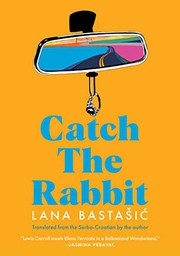
Catch the Rabbit
Catch the Rabbit follows Lejla and Sara, two women who grew up together in Bosnia but became estranged as their lives took different directions. Years later, Lejla calls Sara and asks her to help find Armin, Lejla’s brother, who disappeared after leaving the country. Sara returns from Ireland, where she has built a new life, and the two women embark on a road trip through the former Yugoslavia. Their journey brings back memories of childhood, friendship, and the divisions created by the breakup of their country. As old grievances surface, they must confront the ways their personal histories have been shaped by ethnic identity, political violence, and the stories they tell themselves. Bastašić explores memory, belonging, and the fragility of friendship, revealing how the past can continue to govern the present even when people believe they have escaped it.
Bosnia and Herzegovina
2021
2
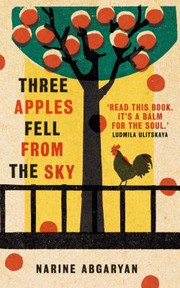
Three Apples Fell from the Sky
Set in the remote Armenian mountain village of Maran, Three Apples Fell from the Sky follows a close-knit community whose inhabitants live according to longstanding traditions, local legends, and a shared understanding of the world. When Anatolia, an elderly woman who has spent her life in the village, becomes convinced that she is about to die, an unexpected visit brings the possibility of a new beginning. Her story unfolds alongside those of other villagers, revealing old rivalries, unexpected affection, and the quiet resilience that sustains their community. Blending humour, folklore, and magical realism, Abgaryan portrays a place where hardship exists alongside everyday tenderness. The novel celebrates the strength of human connection, the importance of preserving cultural traditions, and the small miracles that can transform lives even in a community seemingly forgotten by the outside world.
Armenia
2021
3
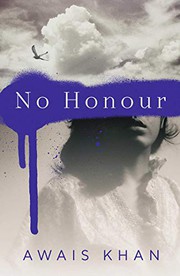
No Honour
No Honour follows sixteen-year-old Abida, who lives in a small Pakistani village governed by strict traditions and expectations surrounding family honour. Determined to choose whom she loves and build a life of her own, Abida challenges the conventions that control women’s lives. When her choices place her in grave danger, she escapes to Lahore with the help of her devoted father, Jamil, who risks everything to protect her.
As Jamil searches for his missing daughter, both are drawn into a world where the threats facing vulnerable women extend far beyond their village. Moving between rural Pakistan and the crowded streets of Lahore, Awais Khan explores the devastating consequences of honour-based violence, forced conformity, and gender inequality. The novel also examines the complicated relationship between parents and children, particularly the courage required to challenge deeply rooted cultural expectations. Through Abida’s struggle for survival and independence, No Honour becomes a powerful story about love, resilience, and the right to determine one’s own future.
Pakistan
2021
4
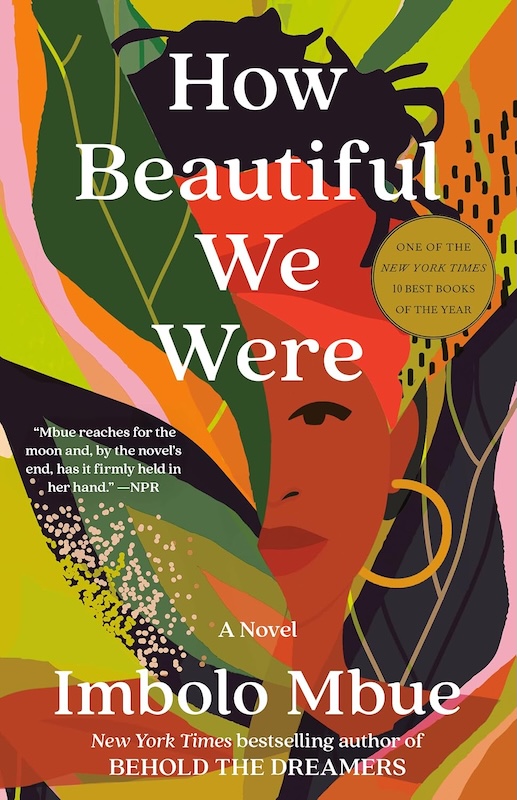
How Beautiful We Were
Set in the fictional African village of Kosawa, How Beautiful We Were follows a community struggling against the devastating consequences of an American oil company’s operations on its land. Pollution has contaminated the water, children are dying, and promises of compensation and environmental protection remain unfulfilled. Told through multiple perspectives across several decades, the novel traces the villagers’ resistance, from their initial protests to a younger generation’s increasingly radical efforts to demand justice. At its heart is Thula, a determined young woman whose education and political awakening inspire her to challenge corporate power and neocolonial exploitation. Through this multigenerational story, Imbolo Mbue explores environmental destruction, the legacy of colonialism, and the human cost of economic greed. The novel examines the tension between hope and disillusionment, asking what communities must sacrifice in their pursuit of justice and a better future.
Cameroon
2021
5
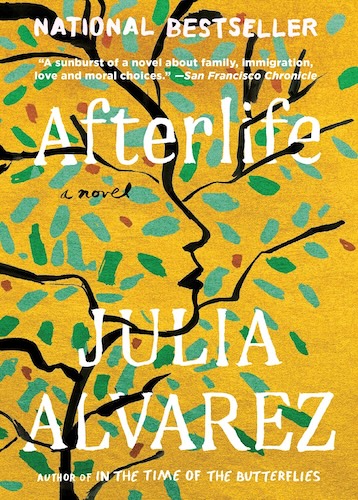
Afterlive
What do we owe the people who need us when we are barely holding ourselves together? Antonia Vega, a recently retired literature professor, is still reeling from the sudden death of her beloved husband when her life begins to unravel further: her unpredictable sister disappears, and a pregnant, undocumented teenager turns up seeking shelter. Accustomed to finding answers in books, Antonia discovers that grief and compassion demand more than words. Set in rural Vermont, this intimate, quietly powerful novel explores sisterhood, immigration, moral responsibility, and the courage it takes to begin again. As Antonia navigates a world fractured by fear and distrust, she must decide how to honour her own needs without turning away from the suffering of others.
Dominican Republic
2020
6
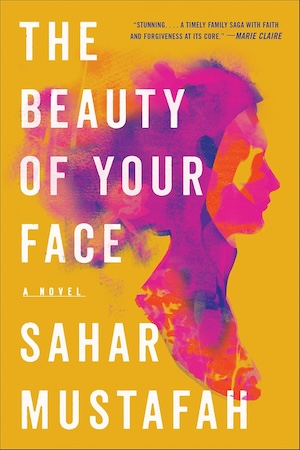
The Beauty of Your Face
On an ordinary morning in suburban Chicago, a masked gunman storms an Islamic school, forcing principal Afaf Rahman to confront the memories she has spent a lifetime trying to escape. As she guides her students toward safety, her thoughts return to her childhood as the daughter of Palestinian immigrants, her family’s struggles with faith and belonging, and the devastating events that shaped her life. From her father’s growing disillusionment with America to her sister’s rebellion and her own complicated relationship with Islam, Afaf’s story unfolds across decades of love, loss, and searching. Against a backdrop of rising Islamophobia and cultural alienation, The Beauty of Your Face explores what it means to hold on to faith when the world seems determined to turn you into an outsider. Intimate and deeply moving, it is a novel about sisterhood, resilience, and the possibility of finding beauty and belonging in the most unexpected places.
United States
2020
7
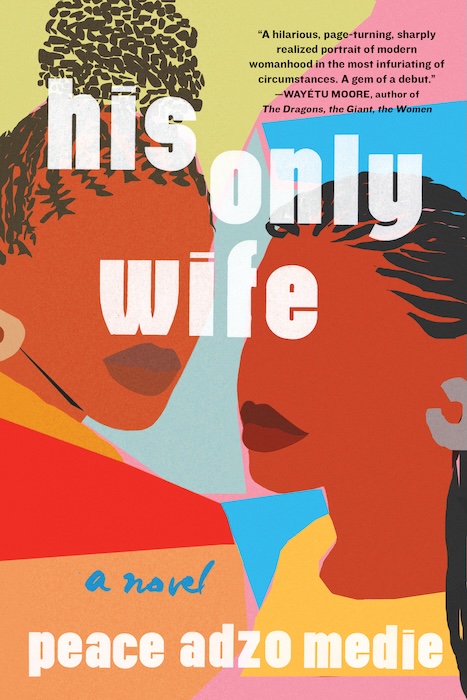
His Only Wife
Set in contemporary Ghana, His Only Wife follows Afi Tekple, a young seamstress from a small town whose life changes when she agrees to marry Elikem Ganyo, a wealthy businessman she barely knows. Encouraged by her mother and Elikem’s influential family, Afi accepts the marriage partly to secure financial stability for her family. However, she soon discovers that her husband is emotionally involved with another woman, and that she has been chosen in the hope that she will change his affections.
After moving to Accra, Ghana’s bustling capital, Afi begins to discover a world of new opportunities, fashion, and independence. As she navigates the expectations placed on her as a wife and daughter, she gradually questions the compromises she has made for others.
With warmth, humour, and social insight, Peace Adzo Medie explores marriage, class, family obligations, and the pressures placed on women. Afi’s journey becomes a story of self-discovery and the courage to define her own future.
Ghana
2020
8
Against the Loveless World
Against the Loveless World follows Nahr, a Palestinian woman whose life is shaped by displacement, political conflict, and the struggle for independence. Born in Kuwait to Palestinian refugee parents, she dreams of finding love, raising a family, and building a stable future. Instead, a series of betrayals and difficult circumstances leads her through different countries in the Middle East, where she encounters exploitation, prejudice, and political upheaval. As the story unfolds through memories narrated from solitary confinement, Nahr reveals the experiences that shaped her transformation from a vulnerable young woman into someone determined to resist the forces controlling her life. Abulhawa explores the intersection of personal freedom and political oppression, examining how gender, exile, and economic hardship influence women’s choices. The novel is a powerful portrait of survival and the determination to claim dignity in an unjust world.
Palestine
2020
9
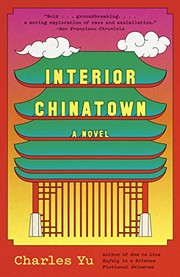
Interior Chinatown
Interior Chinatown follows Willis Wu, a Taiwanese American man living in Los Angeles who dreams of becoming the protagonist of his own story. Instead, he finds himself trapped in stereotypical supporting roles on a television police drama, where Asian American actors are routinely cast as background characters, sidekicks, and criminals. Willis hopes to move beyond his recurring role as Generic Asian Man and eventually achieve the status of Kung Fu Guy, the highest position he believes someone like him can reach.
Presented in the format of a screenplay, complete with stage directions and scenes, the novel blends satire, drama, and social commentary. As Willis pursues his ambitions, he confronts the limitations imposed by racial stereotypes and the expectations of his family and community. His personal journey becomes an exploration of what it means to be seen, to belong, and to define oneself beyond the roles assigned by others.
Through its inventive structure and sharp humour, Yu examines representation, assimilation, generational conflict, and the struggle to claim an authentic identity in a society that often reduces people to familiar caricatures.
United States
2020
10
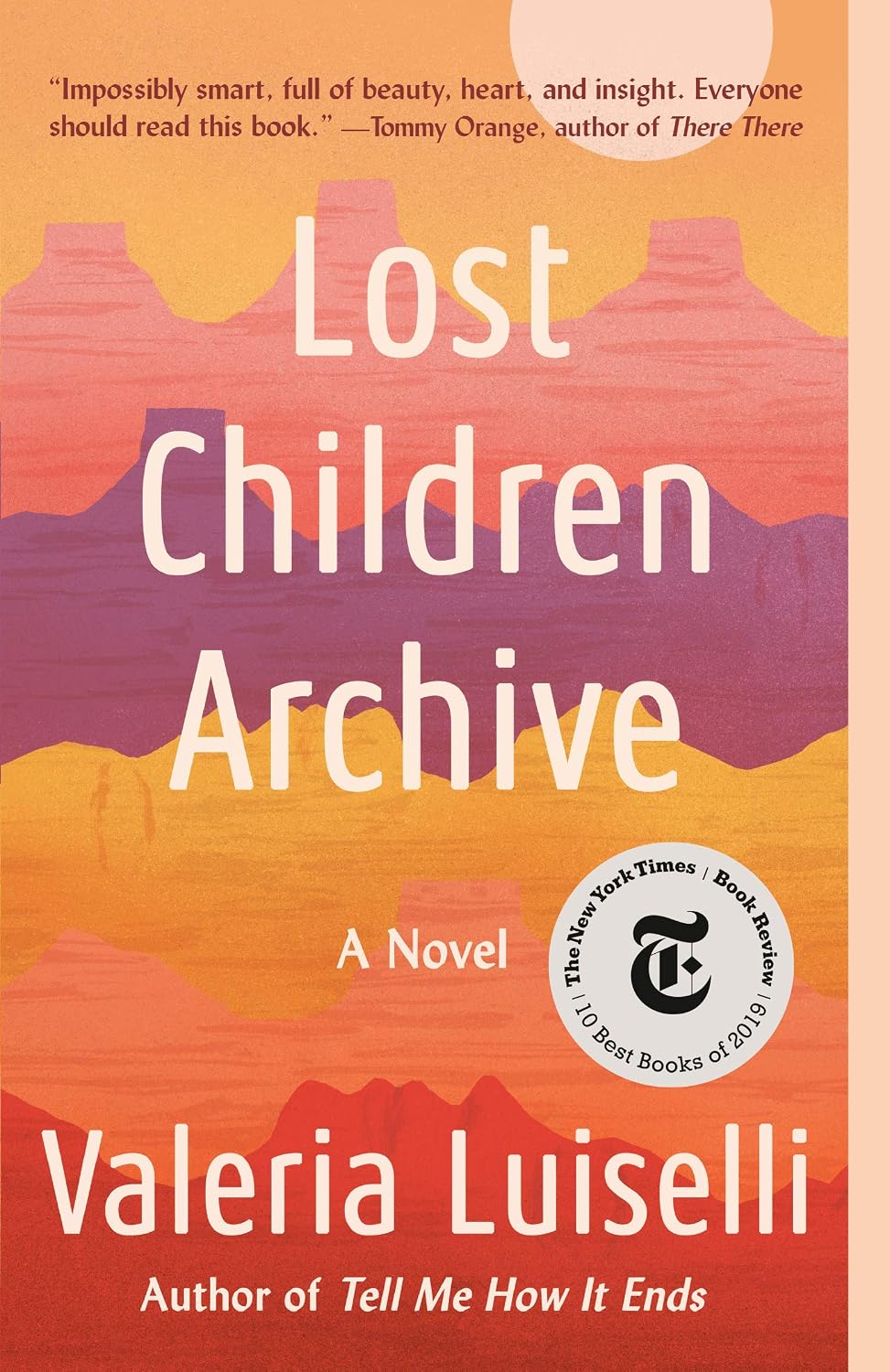
Lost Children Archive
Lost Children Archive follows a family of four on a road trip from New York to the American Southwest. The parents, both documentarians, are working on separate projects: the father is recording the sounds of disappearing Apache communities, while the mother is researching the stories of migrant children who have crossed the US–Mexico border alone. As they travel through the vast American landscape, their professional interests begin to shape the family’s conversations and expose growing tensions in their marriage.
Through the perspectives of the mother and, later, her young son, the novel explores the distance between adults and children, the limits of storytelling, and the moral responsibility of witnessing other people’s suffering. The family’s journey becomes intertwined with the experiences of two migrant children whose fate remains uncertain. Blending documentary fragments, photographs, maps, and literary references, Valeria Luiselli examines migration, displacement, and the ways families preserve or lose their histories. The novel asks how we can listen to stories of suffering without reducing them to distant headlines.
Mexico
2020
11
Three Daughters of Eve
Three Daughters of Eve follows Peri, a wealthy Turkish woman whose apparently comfortable life in Istanbul conceals unresolved questions about faith, identity, and personal responsibility. During a dinner party years after her university studies at Oxford, a photograph unexpectedly brings back memories of her time there in the 1990s. As a student, Peri became involved with a charismatic professor who encouraged his pupils to debate religion and belief. Her friendships with two fellow students—one deeply religious and the other firmly atheist—exposed her to conflicting ideas about spirituality, feminism, and freedom. Their relationships eventually culminated in an incident that Peri has struggled to understand ever since. Shafak explores the tension between faith and doubt, the influence of family and culture, and the difficulty of forming an independent worldview in a politically divided society.
Türkiye
2019
12
The Namesake
The Namesake follows the Ganguli family as they move from Calcutta to the United States in search of a new life. Their son, Gogol, grows up caught between his Bengali heritage and the American culture in which he was raised. Named after the Russian writer Nikolai Gogol for personal reasons connected to his father’s past, he comes to resent the unusual name that distinguishes him from his peers. As he grows older, Gogol struggles with romantic relationships, family expectations, and the challenge of defining himself independently of his parents’ experiences. Following the family’s journey across several decades, Lahiri explores migration, cultural adaptation, and the complicated relationship between parents and children. The novel examines how names, memories, and inherited traditions shape identity, revealing that belonging is rarely a simple choice between two cultures.
India
2019