Contemporary Fiction
All countries
Argentina
Armenia
Bahamas
Bosnia and Herzegovina
Botswana
Brunei
Bulgaria
Cameroon
China
Dominican Republic
Egypt
France
Germany
Ghana
India
Iran
Iraq
Italy
Jamaica
Japan
Libya
Mexico
Nigeria
Pakistan
Palestine
Panama
Philippines
Russia
Saudi Arabia
South Korea
Spain
Sweden
Switzerland
Syria
Taiwan
Türkiye
United Arab Emirates
United Kingdom
United States
1

Soyangri Book Kitchen
After leaving behind the pressures of city life in Seoul, Yoojin unexpectedly opens the Book Kitchen in Soyangri, a peaceful village in the South Korean countryside. Part bookshop, part café and part guesthouse, this welcoming retreat offers visitors a place to rest, enjoy homemade food and rediscover the comfort of books. Over the course of a year, as the seasons change, people arrive at the Book Kitchen during difficult turning points in their lives. Among them are a singer struggling with an identity crisis, a promising lawyer facing a troubling medical diagnosis, and a young musical director whose dreams have been diminished by repeated failures. Through quiet conversations, shared meals and the stories found on the shelves, each visitor begins to reconsider their circumstances and imagine new possibilities. With its gentle atmosphere and interconnected characters, the novel celebrates the restorative power of literature, the kindness of strangers and the importance of finding a place where one can pause, reflect and begin again.
South Korea
2025
2
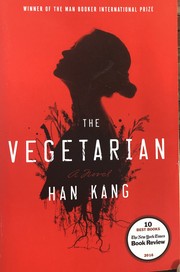
The Vegetarian
The Vegetarian tells the story of Yeong-hye, an ordinary South Korean woman whose decision to stop eating meat after experiencing disturbing dreams sets off a chain of increasingly unsettling events. Her husband initially sees her refusal as an inconvenience, while her family responds with anger and attempts to force her back into conformity. As Yeong-hye withdraws from conventional expectations, her behaviour becomes increasingly radical, challenging the roles imposed on her as a wife, daughter, and woman. Told through the perspectives of her husband, brother-in-law, and sister, the novel gradually reveals the psychological and emotional pressures beneath her transformation. Han Kang explores bodily autonomy, violence, desire, and the struggle to resist a society that demands obedience. The novel raises unsettling questions about whether rejecting social conventions can become an act of liberation, even when that resistance carries devastating consequences.
South Korea
2007