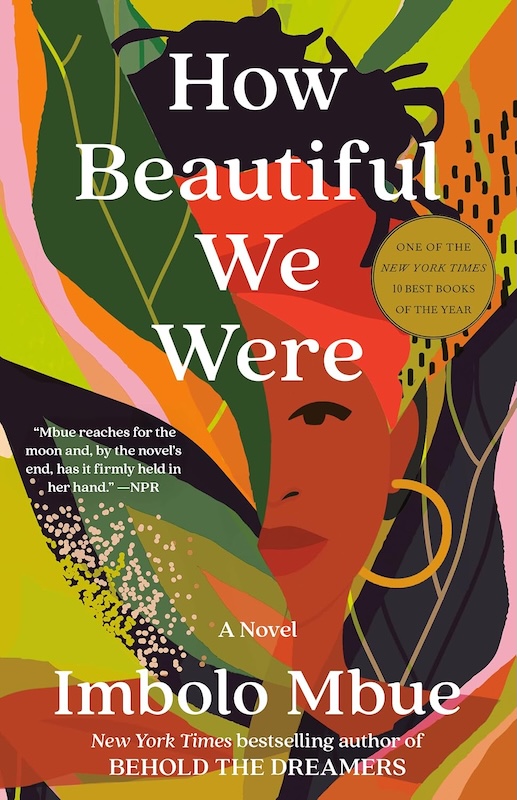
How Beautiful We Were
by Imbolo Mbue
Summary
Set in the fictional African village of Kosawa, How Beautiful We Were follows a community struggling against the devastating consequences of an American oil company’s operations on its land. Pollution has contaminated the water, children are dying, and promises of compensation and environmental protection remain unfulfilled. Told through multiple perspectives across several decades, the novel traces the villagers’ resistance, from their initial protests to a younger generation’s increasingly radical efforts to demand justice. At its heart is Thula, a determined young woman whose education and political awakening inspire her to challenge corporate power and neocolonial exploitation. Through this multigenerational story, Imbolo Mbue explores environmental destruction, the legacy of colonialism, and the human cost of economic greed. The novel examines the tension between hope and disillusionment, asking what communities must sacrifice in their pursuit of justice and a better future.
Reviews
Login to leave a review.
No reviews yet. Be the first!

- Published
- 2021
- Author
- Imbolo Mbue