Classics
All countries
Antigua and Barbuda
Argentina
Armenia
Australia
Austria
Azerbaijan
Bangladesh
Barbados
Belgium
Bosnia and Herzegovina
Brazil
Chile
China
Colombia
Czech Republic
Denmark
Dominica
Dominican Republic
Egypt
Finland
France
Germany
Greece
Hungary
Iceland
India
Indonesia
Iran
Ireland
Italy
Japan
Kenya
Kyrgyzstan
Lebanon
Lithuania
Mexico
Netherlands
Norway
Pakistan
Palestine
Peru
Portugal
Romania
Russia
Saudi Arabia
Spain
Sudan
Sweden
Switzerland
Taiwan
Türkiye
Ukraine
United Kingdom
United States
1
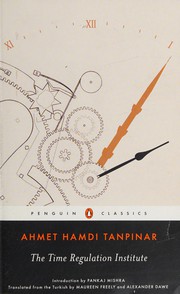
The Time Regulation Institute
The Time Regulation Institute is a satirical novel about a fictional institution established to ensure that everyone in Turkey follows the correct time. Its narrator, Hayri İrdal, recounts his life and the circumstances that lead him to become involved with the institute under the leadership of the charismatic Halit Ayarcı. As the organisation grows, its elaborate procedures and absurd regulations expose the contradictions of a society attempting to modernise rapidly while remaining attached to older traditions. Through bureaucratic absurdities and eccentric characters, Tanpınar explores the tension between Westernisation and cultural heritage in twentieth-century Turkey. The novel questions whether progress can be achieved through administrative reforms alone and whether institutions sometimes create problems merely to justify their own existence. Blending humour with philosophical reflection, it offers a critique of social conformity, bureaucracy, and the human tendency to confuse outward appearances with meaningful change.
Türkiye
1954
2

Bonjour Tristesse
Set along the sun-drenched French Riviera, Bonjour Tristesse follows seventeen-year-old Cécile, who spends a carefree summer with her charming, pleasure-seeking father, Raymond, and his young lover, Elsa. Their relaxed existence is disrupted when Anne, a sophisticated and principled woman who was once a friend of Cécile’s late mother, arrives and begins a relationship with Raymond. Fearing that Anne will impose discipline and destroy her freedom, Cécile devises a plan to separate the couple, setting in motion consequences she cannot fully control. Narrated by Cécile as she reflects on that pivotal summer, the novel explores adolescence, jealousy, desire, and the unsettling transition from innocence to adulthood. Sagan’s elegant, restrained prose captures the tensions between personal freedom and emotional responsibility, revealing how selfish choices can lead to irreversible loss.
France
1954
3
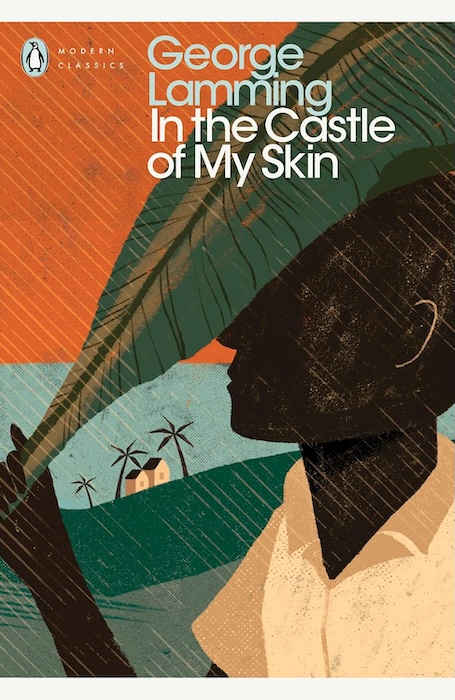
In the Castle of My Skin
In the Castle of My Skin follows G., a boy growing up in a Barbadian village during the final years of British colonial rule. Through his experiences at home, at school, and within his community, the novel explores how colonialism shapes the identities and aspirations of ordinary people. As G. approaches adulthood, he witnesses changes in the village’s social structure, including the decline of traditional authority and the growing desire for political independence. Lamming combines autobiographical elements with lyrical storytelling to examine the relationship between personal development and national transformation. The village becomes a miniature representation of a society struggling to understand its past and imagine its future. The novel reflects on education, class, belonging, and the psychological consequences of colonial domination.
Barbados
1953
4
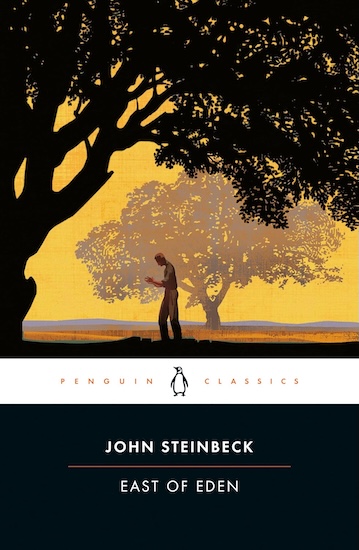
East of Eden
Set in California’s Salinas Valley, East of Eden follows the intertwined lives of the Trask and Hamilton families across several generations. At its heart is a conflict between two brothers, Cal and Aron Trask, whose relationship echoes the biblical story of Cain and Abel. Their struggles with jealousy, parental expectations, love, and belonging raise questions about whether people are destined to repeat the mistakes of their ancestors. Exploring the tension between good and evil, Steinbeck’s epic suggests that individuals are not entirely defined by their past or their nature. They retain the power to make choices that shape their own lives and the lives of those around them.
United States
1952
5
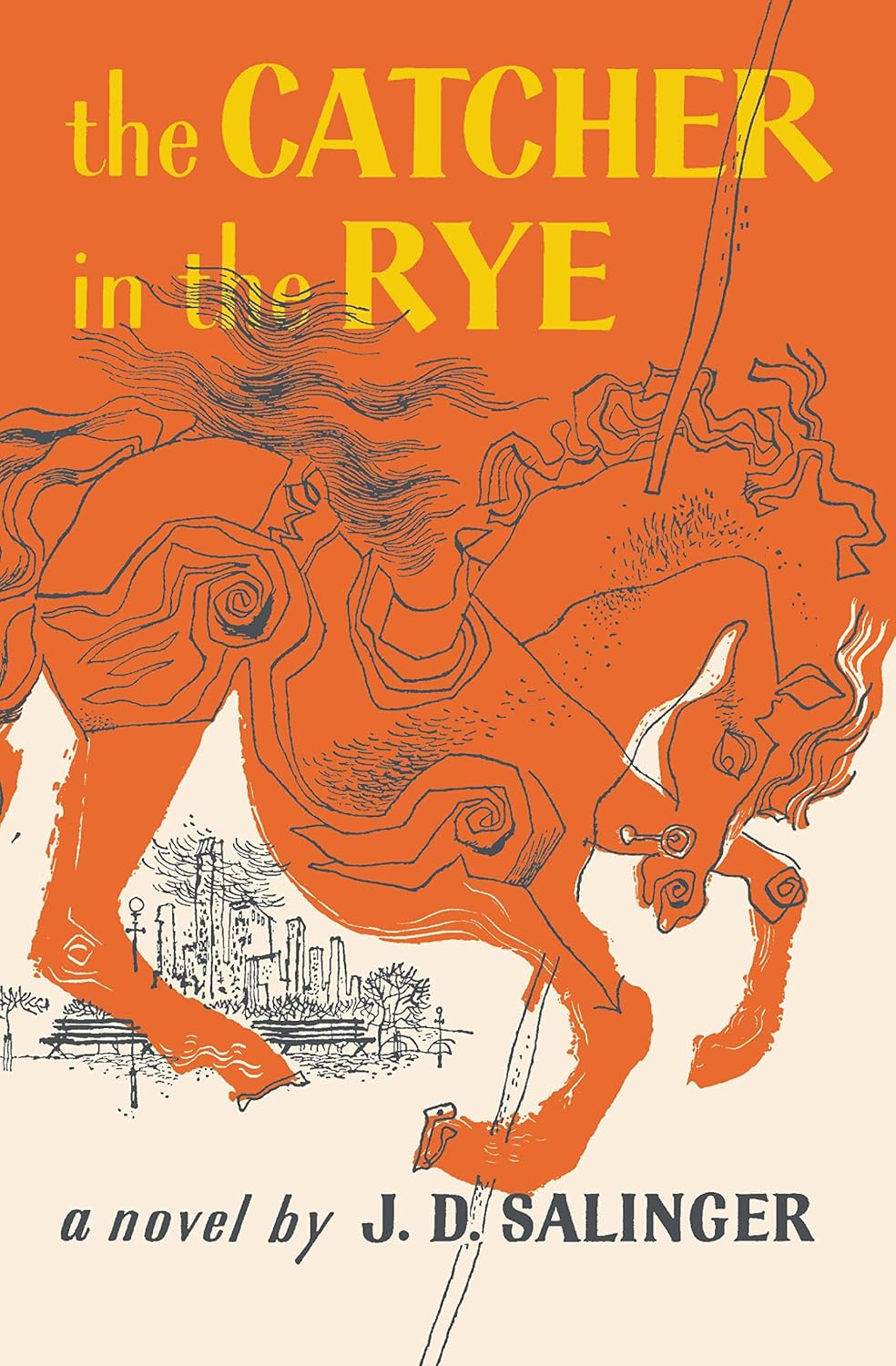
The Catcher in the Rye
The Catcher in the Rye follows Holden Caulfield, a sixteen-year-old who has been expelled from his preparatory school and spends several days wandering around New York City. Alienated from the adults around him, Holden sees the world as dishonest and superficial, yet struggles to understand his own emotions and relationships. Beneath his sarcasm and criticism lies a profound sense of loneliness, grief, and fear of growing up. His encounters with strangers, former classmates, and his younger sister reveal his longing for genuine human connection. Through Holden’s distinctive voice, Salinger captures the confusion and vulnerability of adolescence, exploring the difficult transition from childhood innocence to adulthood.
United States
1951
6
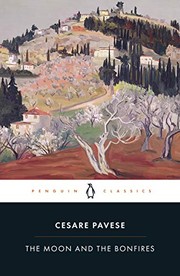
Moon and the Bonfires
The Moon and the Bonfires follows Anguilla, a man who returns to the rural village in northern Italy where he grew up after spending years abroad, including a period in America. Born into poverty and raised by foster parents, he left his homeland in search of a better life. Now successful but unsettled, he hopes to reconnect with his past and understand the forces that shaped his identity.
As Anguilla revisits familiar landscapes and reconnects with his childhood friend Nuto, memories of his youth mingle with the painful realities of wartime Italy. The countryside he remembers has been transformed by poverty, political violence, and the consequences of the Resistance. Through these encounters, Cesare Pavese explores belonging, exile, memory, and the impossibility of truly returning home. The title refers to rural rituals associated with the changing seasons, evoking a world where ancient traditions coexist with modern upheaval. Both a personal quest and a reflection on Italy’s troubled history, the novel asks whether a person can ever recover the place they once called home.
Italy
1950
7
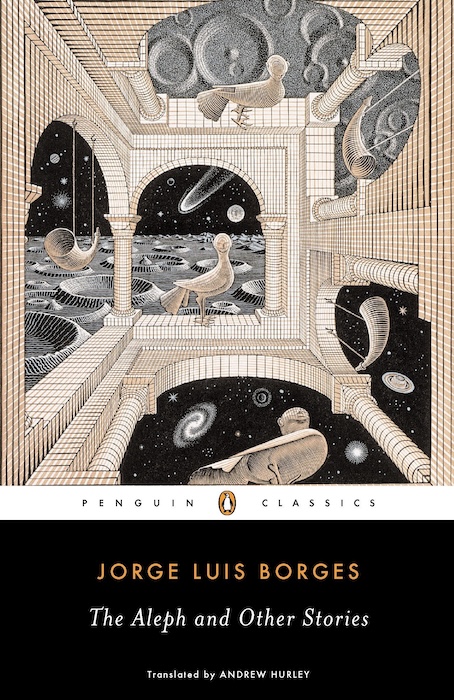
The Aleph
The Aleph is a collection of short stories that explores infinity, memory, identity, and the limits of human understanding. In the title story, a narrator discovers a point in space containing every other point in the universe, allowing him to perceive all things simultaneously without distortion or concealment. Other stories examine imaginary worlds, mysterious objects, labyrinthine histories, and the unsettling possibility that reality may be far stranger than it appears. Borges combines philosophical speculation with elements of fantasy, detective fiction, and literary scholarship, creating narratives that often feel like intellectual puzzles. His characters encounter knowledge that promises to reveal everything but frequently leaves them more uncertain than before. The collection asks whether human beings can ever comprehend the totality of existence or whether some mysteries must remain beyond the boundaries of language and reason.
Argentina
1949
8
1984
Nineteen Eighty-Four follows Winston Smith, a low-ranking employee in a totalitarian state where the ruling Party controls information, language, and private life. Living under the constant surveillance of Big Brother, Winston secretly questions the official version of history and begins keeping a forbidden diary. His relationship with Julia offers a brief experience of intimacy and rebellion, but their defiance attracts the attention of the authorities. As Winston is subjected to psychological manipulation and brutal interrogation, the Party attempts not only to control his actions but also to reshape his understanding of reality. Orwell explores propaganda, censorship, surveillance, and the destruction of individual autonomy. The novel warns that political power becomes especially dangerous when it can dictate what people are permitted to remember, believe, and say.
United Kingdom
1949
9
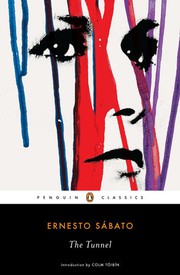
The Tunnel
The Tunnel is a psychological novel narrated by Juan Pablo Castel, an Argentine painter who confesses to murdering María Iribarne. From his prison cell, he recounts the events that led to the crime, beginning with an encounter at an art exhibition. Castel becomes fascinated by María after noticing that she is the only person who understands a small but meaningful detail in one of his paintings.
Convinced that they share a rare connection, Castel becomes increasingly obsessed with her. His longing to be understood gradually turns into jealousy, suspicion, and paranoia, making it impossible for him to distinguish genuine intimacy from his own fears. As his relationship with María deteriorates, he retreats further into isolation.
Through its unreliable narrator and claustrophobic atmosphere, Sábato explores alienation, obsession, and the human desire to be understood. The tunnel becomes a metaphor for Castel’s isolated inner world, in which he remains trapped despite his desperate search for connection.
Argentina
1948
10
The Plague
The Plague takes place in the Algerian city of Oran, where an outbreak of bubonic plague gradually isolates the population from the outside world. Dr Bernard Rieux and other residents struggle to respond to the epidemic as deaths increase and everyday life becomes dominated by fear, separation, and uncertainty. As the city is placed under quarantine, its inhabitants react in different ways: some retreat into denial, others seek personal comfort, and many discover unexpected courage through acts of solidarity. Camus uses the epidemic to examine the human response to suffering and the moral responsibilities people have towards one another. Written in the aftermath of the Second World War, the novel is also widely read as an allegory of fascism and resistance. It explores collective responsibility, resilience, and the importance of fighting injustice even when victory remains uncertain.
France
1947
11
Midaq Alley
Midaq Alley portrays life in a small, crowded alley in Cairo during the Second World War, where shopkeepers, barbers, café owners, and residents struggle to survive amid poverty and social change. At the centre of the story is Hamida, a beautiful and ambitious young woman who dreams of escaping the limitations of her neighbourhood and achieving wealth and independence. Her desire for a different life brings her into conflict with Abbas, a humble barber who hopes to marry her and build a future together.
As Hamida becomes increasingly attracted to the promises of modernity and material success, her choices lead her toward a darker world shaped by exploitation and disillusionment. Meanwhile, the other residents pursue their own ambitions, revealing the contradictions, humour, and hardships of everyday life. Through this interconnected portrait of a Cairo community, Naguib Mahfouz explores class inequality, gender expectations, ambition, and the impact of historical change on ordinary people. The alley becomes a microcosm of Egyptian society, where dreams of escape coexist with the powerful forces that keep people trapped in familiar circumstances.
Egypt
1947
12
Three Summers
Set in the Greek countryside near Athens in the years before the Second World War, Three Summers follows three sisters as they navigate adolescence, love, desire, and the mysteries of family life. Maria, the eldest, is passionate and eager to marry and start a family; Infanta is beautiful, independent, and emotionally reserved; while Katerina, the youngest and the novel’s principal narrator, is dreamy, rebellious, and fascinated by the world around her. Across three summers, the sisters fall in love, keep secrets, observe the complicated relationships of adults, and begin to imagine the women they might become. Against a backdrop of sun-drenched gardens, olive groves, and long, languid afternoons, Margarita Liberaki captures the fleeting magic of youth and the bittersweet awareness that childhood cannot last forever. Tender, sensual, and nostalgic, this coming-of-age novel celebrates female independence, sisterhood, and the exhilarating uncertainty of growing up.
Greece
1946