Classics
All countries
Antigua and Barbuda
Argentina
Armenia
Australia
Austria
Azerbaijan
Bangladesh
Barbados
Belgium
Bosnia and Herzegovina
Brazil
Chile
China
Colombia
Czech Republic
Denmark
Dominica
Dominican Republic
Egypt
Finland
France
Germany
Greece
Hungary
Iceland
India
Indonesia
Iran
Ireland
Italy
Japan
Kenya
Kyrgyzstan
Lebanon
Lithuania
Mexico
Netherlands
Norway
Pakistan
Palestine
Peru
Portugal
Romania
Russia
Saudi Arabia
Spain
Sudan
Sweden
Switzerland
Taiwan
Türkiye
Ukraine
United Kingdom
United States
1
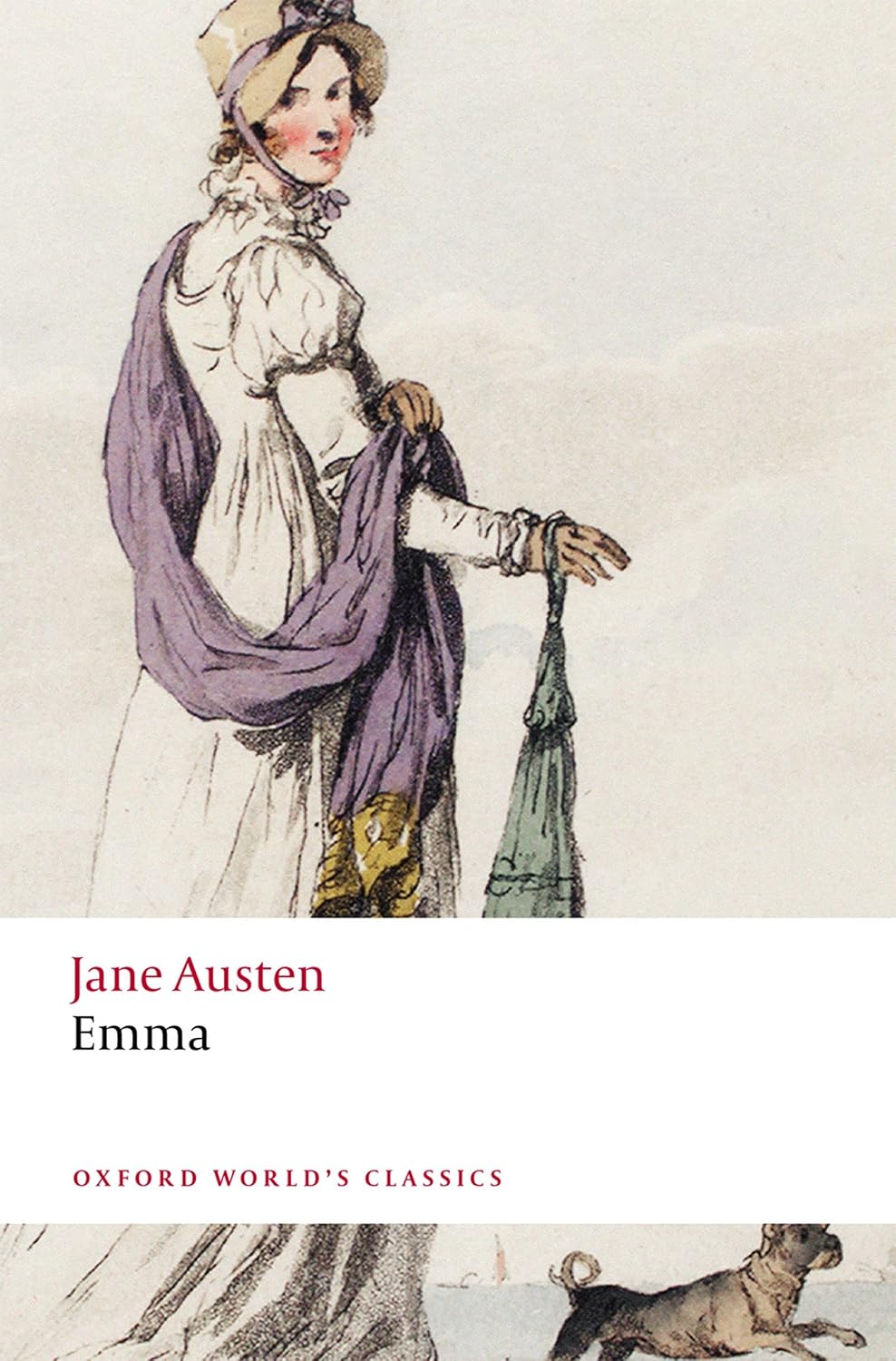
Emma
Emma centres on Emma Woodhouse, a wealthy young woman who believes herself exceptionally skilled at understanding other people’s romantic feelings. Having decided that she will never marry, Emma occupies herself by arranging relationships among her friends and neighbours. However, her confidence repeatedly leads her to misinterpret people’s intentions, creating misunderstandings and emotional complications. As her attempts at matchmaking affect those around her, Emma gradually recognises her own prejudices and the limitations of her judgment. Her relationship with the perceptive Mr Knightley becomes central to this process of self-discovery. Austen combines humour with social observation to examine class distinctions, female independence, and the difficulties of understanding others. The novel explores how maturity requires humility, empathy, and the willingness to reconsider one’s assumptions about love and human behaviour.
United Kingdom
1815
2
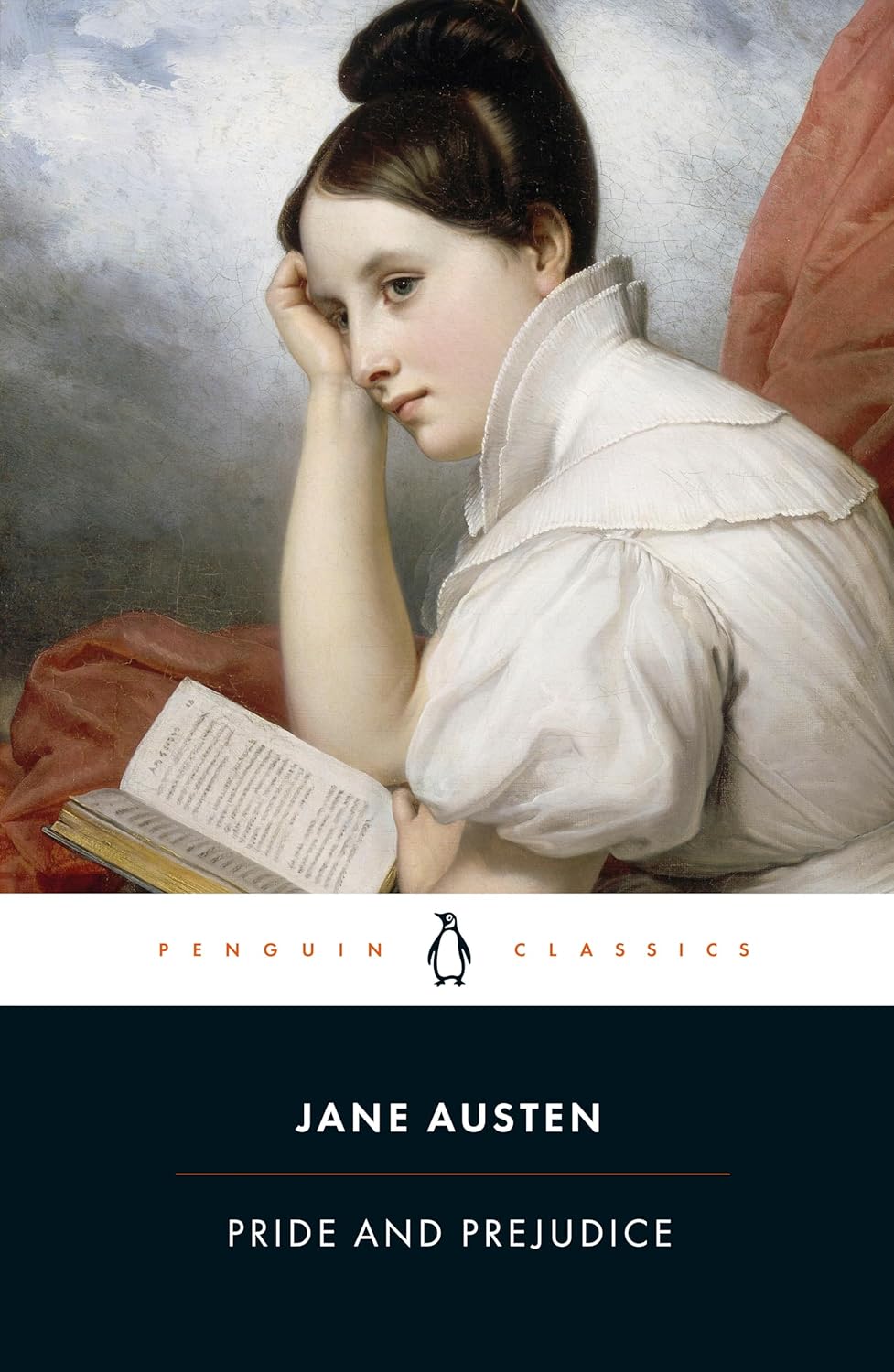
Pride and Prejudice
Pride and Prejudice follows Elizabeth Bennet, an intelligent and independent young woman navigating love and social expectations in Regency England. When the wealthy and reserved Mr Darcy enters her social circle, Elizabeth forms a negative impression of him, while Darcy initially struggles to look beyond her family’s lower social standing. Their relationship develops through misunderstandings, wounded pride, and gradual self-discovery. Meanwhile, Elizabeth’s sisters face the financial and social pressures associated with marriage in a society where women have limited opportunities for economic independence. Through wit and sharp observation, Austen critiques class prejudice, superficial judgments, and the belief that wealth guarantees moral worth. The novel explores the importance of self-awareness and mutual respect, suggesting that lasting relationships require people to question their assumptions and recognise their own shortcomings.
United Kingdom
1813
3
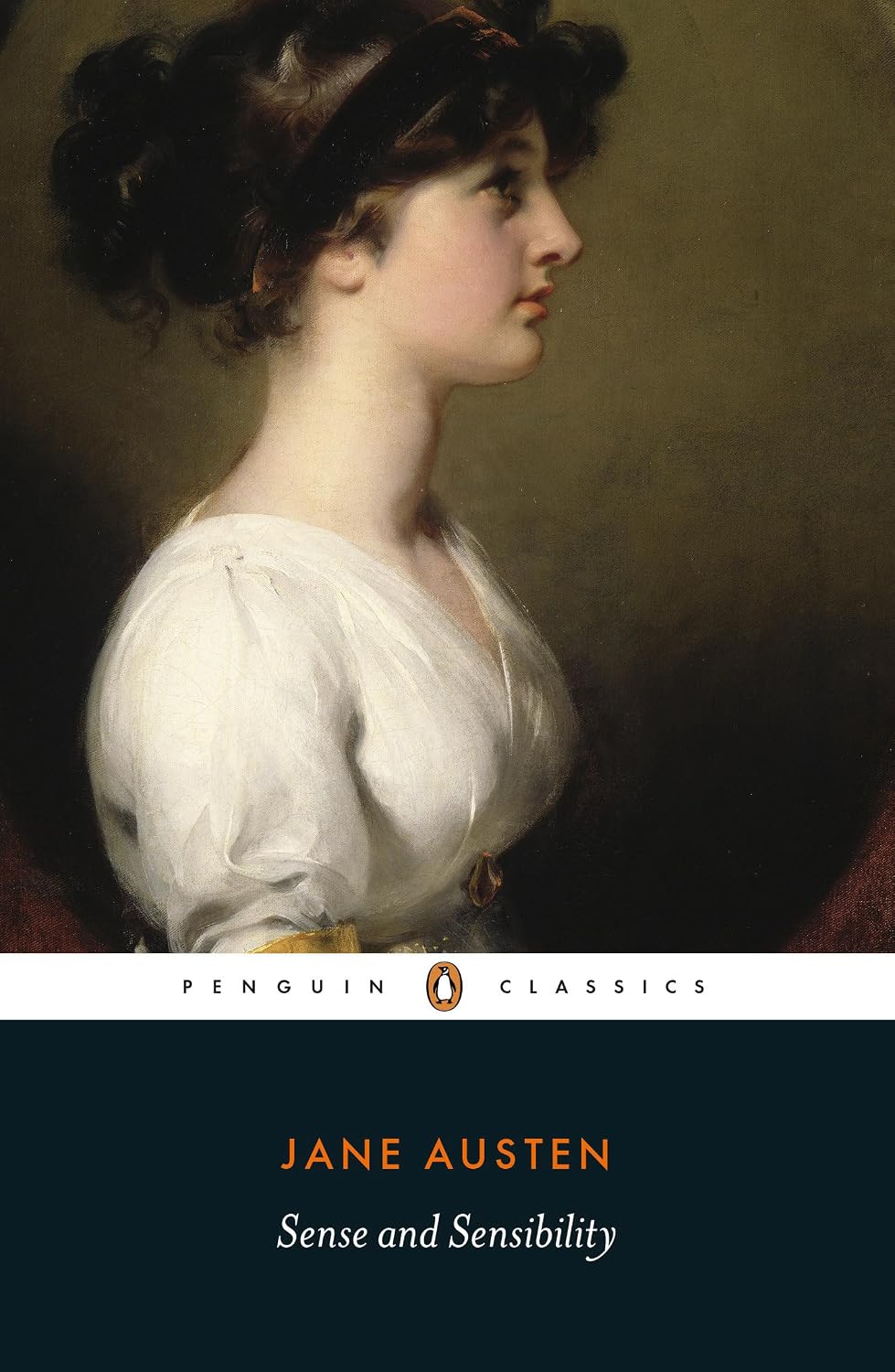
Sense and Sensibility
Sense and Sensibility follows sisters Elinor and Marianne Dashwood, whose lives change dramatically after their father’s death leaves them financially vulnerable. Forced to leave their family home, they must navigate a society in which women’s security often depends on advantageous marriages and the goodwill of relatives. Elinor approaches disappointment with restraint and practicality, while Marianne expresses her emotions openly and pursues romantic ideals with intensity. Their contrasting temperaments shape their experiences of love, heartbreak, and social obligation. As each sister confronts unexpected betrayals and difficult choices, they gradually learn from one another’s strengths. Austen explores the relationship between reason and emotion, revealing the dangers of excessive self-control as well as uncontrolled passion. The novel also critiques the economic pressures that limit women’s independence and influence their relationships.
United Kingdom
1811
4
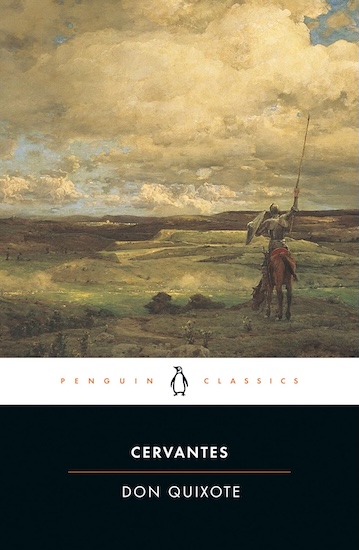
Don Quixote
Don Quixote follows Alonso Quixano, an ageing country gentleman who becomes so absorbed in tales of chivalry that he decides to become a knight-errant. Taking the name Don Quixote, he sets out across Spain to defend the helpless, challenge injustice, and perform heroic deeds. Accompanied by his practical squire, Sancho Panza, he repeatedly mistakes ordinary situations for extraordinary adventures, famously imagining windmills to be giants. Their contrasting perspectives create both comic misunderstandings and moments of unexpected wisdom. Cervantes uses their journey to explore the relationship between imagination and reality, questioning the values of honour, heroism, and social convention. Beneath its humour, the novel considers the dignity of idealism and the difficulties faced by people who refuse to accept the world as it is.
Spain
1609
5

Layli and Majnun
Qays falls passionately in love with Layli, but when their families forbid their union, his devotion drives him beyond the boundaries of reason. Known as Majnun, or “the madman,” he wanders the wilderness, pouring his longing into poetry while Layli is forced into a marriage with another man. Though separated by society, tradition, and circumstance, their love becomes an all-consuming force that transcends earthly possession. Written in the twelfth century, this celebrated Persian romance transforms a tragic love story into a meditation on desire, spiritual devotion, and the painful distance between the heart and the world that seeks to control it.
Azerbaijan
1188