Classics
All countries
Antigua and Barbuda
Argentina
Armenia
Australia
Austria
Azerbaijan
Bangladesh
Barbados
Belgium
Bosnia and Herzegovina
Brazil
Chile
China
Colombia
Czech Republic
Denmark
Dominica
Dominican Republic
Egypt
Finland
France
Germany
Greece
Hungary
Iceland
India
Indonesia
Iran
Ireland
Italy
Japan
Kenya
Kyrgyzstan
Lebanon
Lithuania
Mexico
Netherlands
Norway
Pakistan
Palestine
Peru
Portugal
Romania
Russia
Saudi Arabia
Spain
Sudan
Sweden
Switzerland
Taiwan
Türkiye
Ukraine
United Kingdom
United States
1
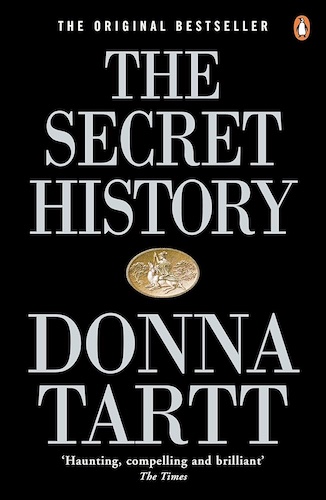
The Secret History
At an elite Vermont college, a tight-knit group of classics students becomes consumed by beauty, intellectual obsession, and the darker side of ancient philosophy. When their pursuit of an extraordinary experience leads to murder, their carefully constructed world begins to unravel. An atmospheric psychological novel about guilt, privilege, and the dangerous allure of belonging.
United States
1992
2
Cloudstreet
Cloudstreet tells the story of two working-class Australian families, the Pickles and the Lambs, who come to share a large, weathered house in Perth after separate family tragedies. Over two decades, their lives become intertwined through births, deaths, arguments, reconciliations, and everyday routines. The Pickles are impulsive and frequently unlucky, while the Lambs are guided by faith, discipline, and a strong sense of responsibility. Despite their differences, both families struggle with grief, poverty, and the desire to create a better future for their children. Winton combines realism, humour, folklore, and supernatural elements to portray the complexity of ordinary lives. The house itself becomes a powerful symbol of shared history, suggesting that healing and belonging can emerge from the unexpected connections between people.
Australia
1991
3
Women Without Men
Set in Iran against the backdrop of the 1953 coup d’état, Women Without Men follows the interconnected lives of five women whose experiences reflect the restrictions placed on women by family, marriage, and society. Among them are Munis, a woman longing to escape her brother’s control; Faizeh, her friend who dreams of marriage; Mahdokht, a woman troubled by conventional expectations of femininity; Farrokhlaqa, a wealthy housewife seeking a different life; and Zarrinkolah, a sex worker who begins to question the world around her.
Their individual journeys eventually lead them to a garden on the outskirts of Tehran, where they attempt to create a life beyond the rules that have governed them. Blending magical realism, mysticism, and historical events, Parsipur explores female autonomy, sexuality, and the search for identity. Through surreal transformations and symbolic storytelling, the novella imagines the possibility of women reclaiming their bodies, choices, and futures.
Iran
1989
4

The Stranger
The Stranger follows Meursault, an emotionally detached French Algerian who lives in Algiers and seems indifferent to the social conventions that govern those around him. After attending his mother’s funeral without displaying the expected signs of grief, he returns to his ordinary routine, beginning a relationship with Marie and becoming involved in the affairs of his neighbour, Raymond. During a seemingly unremarkable day at the beach, a confrontation leads Meursault to commit a sudden act of violence that changes the course of his life.
As he faces trial, the focus gradually shifts from the crime itself to his unconventional behaviour and apparent refusal to conform to society’s expectations. Through Meursault’s experience, Camus explores alienation, morality, justice, and the absurdity of human existence. Set in colonial Algeria, the novel also reflects the inequalities and tensions of the period. Written in a spare, detached style, The Stranger questions whether society judges people for their actions or for their failure to express the emotions and beliefs it considers acceptable.
France
1989
5
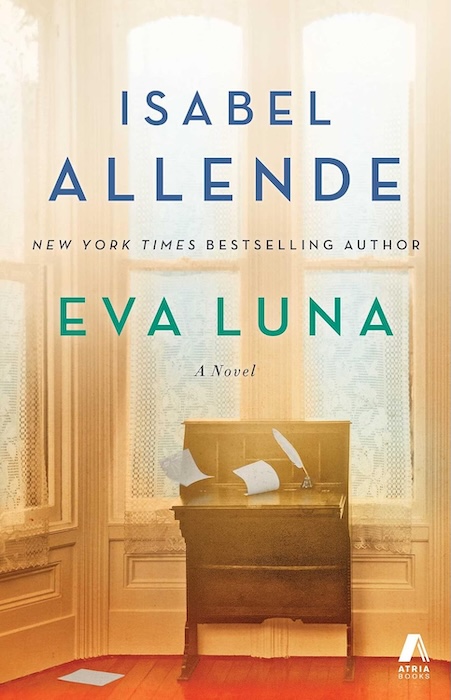
Eva Luna
Eva Luna follows the life of Eva, an imaginative young woman who discovers early on that storytelling can become both a refuge and a means of survival. Orphaned as a child, she grows up among people from different social backgrounds in an unnamed Latin American country marked by political unrest and inequality. Through her relationships, adventures, and encounters with revolutionaries, artists, and ordinary people, Eva gradually shapes her own destiny. Her ability to invent stories becomes a source of power, allowing her to reinterpret painful experiences and challenge the limitations imposed on her. Blending magical realism, romance, and political history, Allende explores the relationship between imagination and freedom. Eva’s journey celebrates resilience, female independence, and the transformative power of storytelling.
Chile
1987
6
Beloved
Set in the years following the American Civil War, Beloved follows Sethe, a formerly enslaved woman living in Cincinnati with her daughter, Denver. Their home is haunted by a mysterious presence connected to a devastating event in Sethe’s past. When a young woman named Beloved arrives, painful memories begin to resurface, forcing Sethe to confront the experiences she has tried to bury. Through supernatural elements and shifting perspectives, Morrison explores the enduring psychological wounds of slavery, the sacrifices of motherhood, and the struggle to reclaim personal identity. The novel examines how individual and collective trauma can haunt future generations, while also revealing the extraordinary strength required to survive and remember.
United States
1987
7
The Door
The Door is a psychological novel about the complicated relationship between a successful Hungarian writer and her enigmatic housekeeper, Emerence. When the narrator hires Emerence to help manage her household, she encounters a woman whose fierce independence, strict routines, and guarded private life conceal a painful past. Over the years, the two women develop a profound but often turbulent bond, shaped by affection, resentment, loyalty, and misunderstandings. Emerence’s refusal to let anyone enter her home becomes a powerful symbol of her emotional boundaries and the secrets she struggles to protect. Through this intimate relationship, Szabó explores the limits of love, the burden of guilt, the unequal balance of power between people, and the difficulty of truly knowing another person. The novel is both a portrait of an extraordinary woman and a meditation on the moral responsibilities we have toward those we love.
Hungary
1987
8
Old Masters: A Comedy
For more than thirty years, music critic Reger has returned to the same bench in Vienna’s Kunsthistorisches Museum to contemplate a painting by Tintoretto. But he is not there simply to admire art: he studies masterpieces in search of their imperfections, convinced that nothing created by human hands can be truly flawless. Through his friend Atzbacher, we encounter Reger’s fiercely critical mind, his grief over the death of his wife, and his contempt for the hypocrisies of Austrian society. Over the course of a single day, art becomes the starting point for a merciless examination of culture, philosophy, nationalism, and the absurdities of human existence. Darkly comic and deliberately provocative, Bernhard’s novel challenges the reverence we attach to great artists and celebrated institutions, suggesting that sometimes the only honest response to perfection is to question it.
Austria
1985
9
Blood Meridian
Set in the American Southwest and northern Mexico during the 1840s, Blood Meridian follows a nameless teenager known as the Kid as he joins a violent band of scalp hunters operating along the frontier. The group, led by the ruthless Captain Glanton and accompanied by the enigmatic Judge Holden, travels through landscapes marked by poverty, conflict, and brutality. Their journey exposes the violence underpinning territorial expansion and the mythology of the American West. McCarthy’s stark, biblical prose transforms the frontier into a world where cruelty seems almost elemental and human life is treated as expendable. The novel challenges romantic ideas of conquest and civilisation, exploring violence as both a historical force and a disturbing aspect of human existence.
United States
1985
10
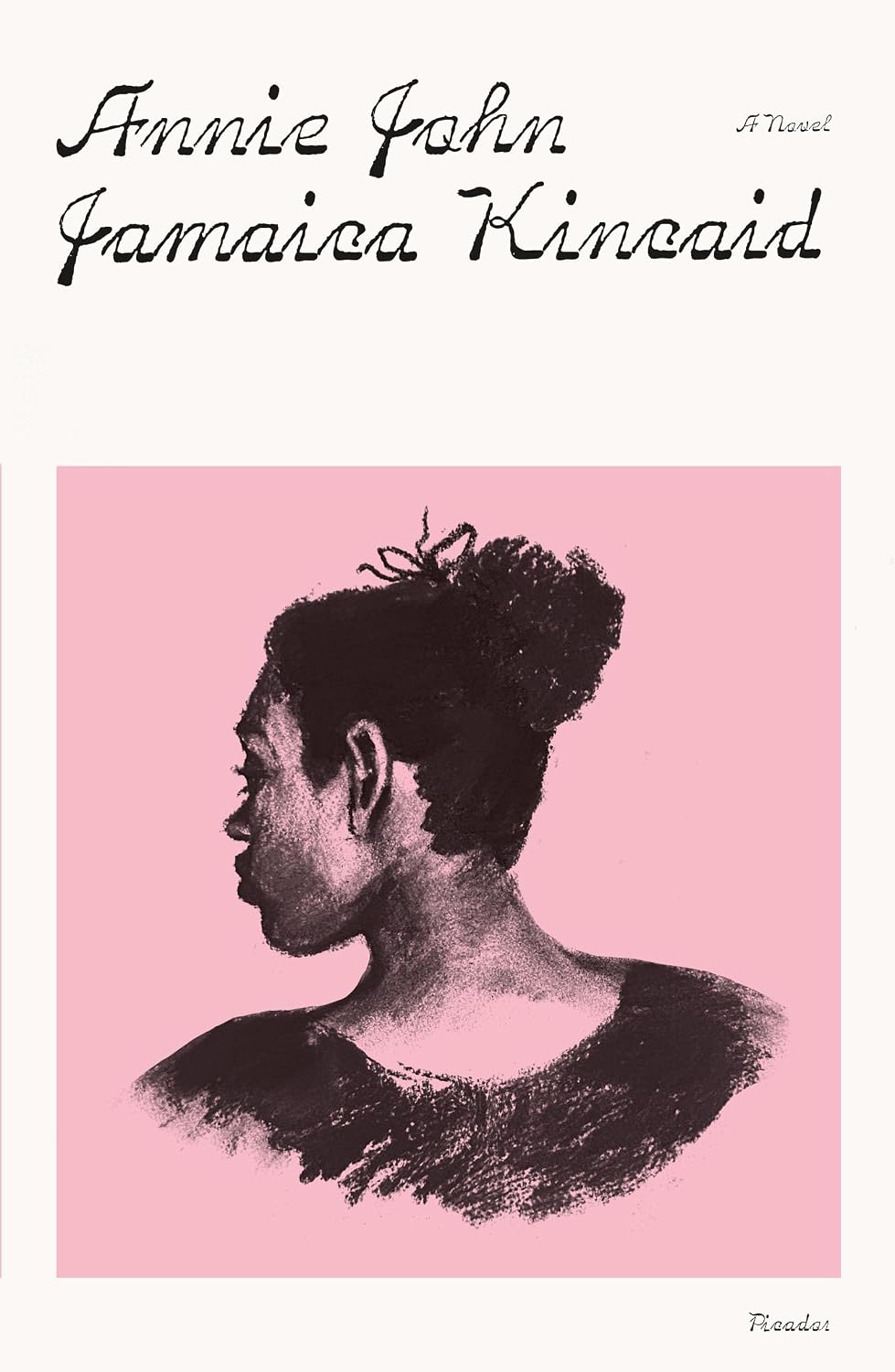
Annie John
Set on the Caribbean island of Antigua, Annie John follows a young girl as she grows from childhood into adolescence. Annie is deeply attached to her mother, whom she initially regards as her closest companion and model for adulthood. As she matures, however, their relationship becomes increasingly strained, and Annie begins to struggle with questions of independence, identity, and belonging. Her experiences at school, friendships, and growing awareness of death and sexuality complicate her understanding of the world. Jamaica Kincaid explores the painful transition from childhood intimacy to adult separation, while also drawing parallels between Annie’s personal rebellion and Antigua’s colonial history. The novel is an intimate portrait of a young woman learning to define herself beyond the expectations of family and society.
Antigua and Barbuda
1985
11
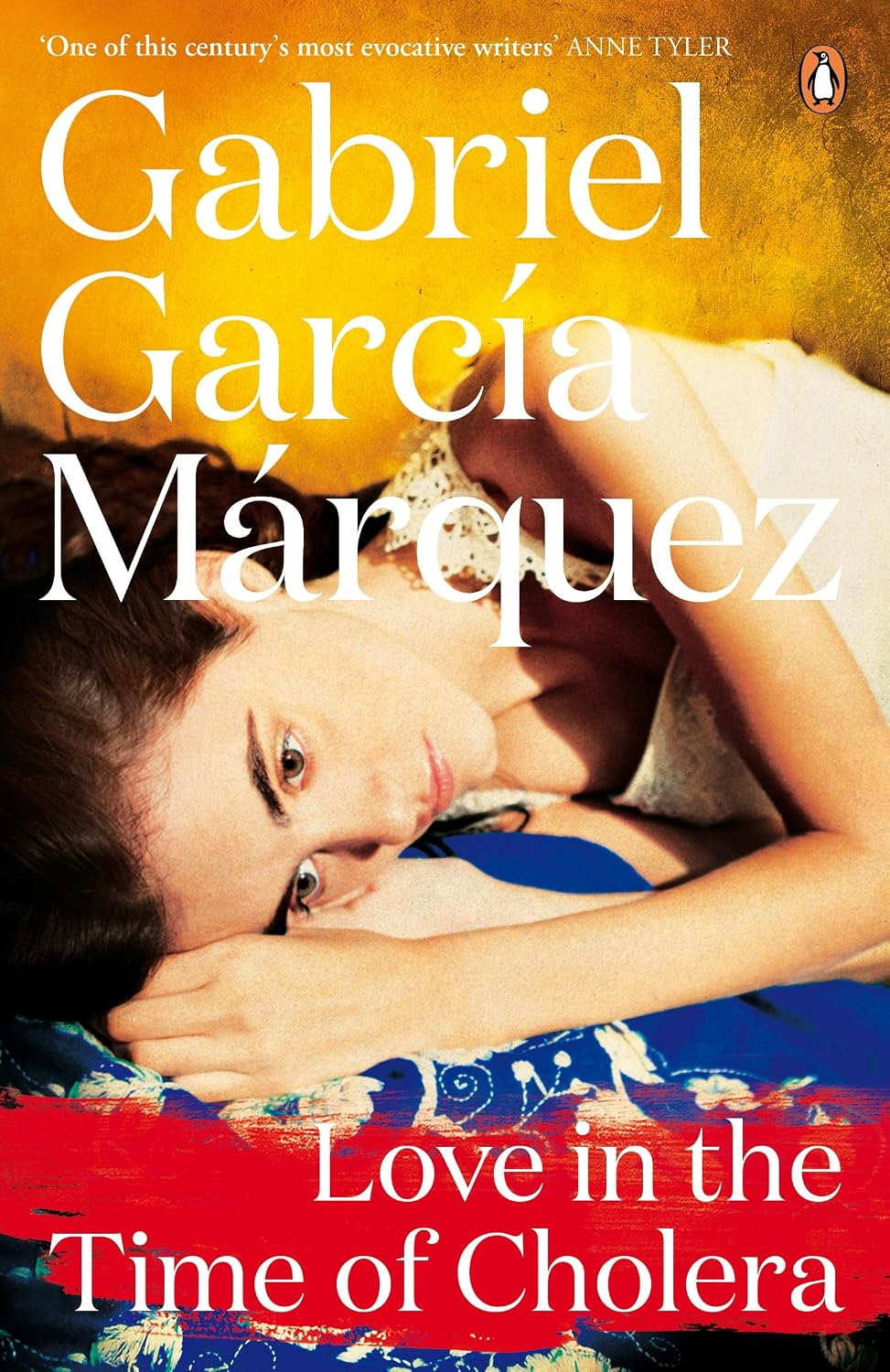
Love in the Time of Cholera
Love in the Time of Cholera follows Florentino Ariza and Fermina Daza, whose youthful romance is interrupted when Fermina chooses to marry the respectable doctor Juvenal Urbino. Florentino remains devoted to her for decades, sustaining his hope of being reunited with her while pursuing numerous other relationships. As time passes, the characters confront ageing, social expectations, desire, and the changing meaning of commitment. Set in a Caribbean city inspired by Colombia, the novel examines the many forms love can take, from idealised romantic longing to companionship shaped by shared experience. García Márquez questions whether love can survive the passage of time and whether passion in old age can be as transformative as the feelings of youth.
Colombia
1985
12
The Year of the Death of Ricardo Reis
Set in Lisbon in 1936, The Year of the Death of Ricardo Reis follows Ricardo Reis, a doctor and poet who returns to Portugal after sixteen years in Brazil, having learned of the death of the poet Fernando Pessoa. Reis is one of Pessoa’s fictional literary alter egos, brought to life by Saramago as a character who must navigate a world increasingly shaped by political turmoil.
Staying in a Lisbon hotel, Reis spends his days wandering the city, reading newspapers, writing poetry, and becoming involved with two women: Lídia, a hotel maid, and Marcenda, a young woman with a paralysed left hand. He is also visited by the ghost of Pessoa, with whom he discusses literature, life, and death.
Beyond Reis’s private existence, Portugal is living under António de Oliveira Salazar’s authoritarian regime, while fascism is spreading across Europe and the Spanish Civil War is approaching. Through Reis’s detached observations, Saramago examines the tension between individual contemplation and historical responsibility. Blending philosophical reflection, political commentary, and the uncanny, the novel explores mortality, isolation, and the difficulty of remaining a passive observer in a world marked by injustice.
Portugal
1984