Classics
All countries
Antigua and Barbuda
Argentina
Armenia
Australia
Austria
Azerbaijan
Bangladesh
Barbados
Belgium
Bosnia and Herzegovina
Brazil
Chile
China
Colombia
Czech Republic
Denmark
Dominica
Dominican Republic
Egypt
Finland
France
Germany
Greece
Hungary
Iceland
India
Indonesia
Iran
Ireland
Italy
Japan
Kenya
Kyrgyzstan
Lebanon
Lithuania
Mexico
Netherlands
Norway
Pakistan
Palestine
Peru
Portugal
Romania
Russia
Saudi Arabia
Spain
Sudan
Sweden
Switzerland
Taiwan
Türkiye
Ukraine
United Kingdom
United States
1
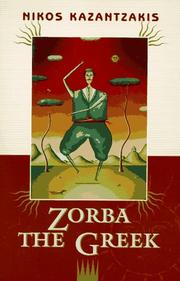
Zorba the Greek
Zorba the Greek follows an unnamed intellectual who travels to Crete to reopen a lignite mine and encounters Alexis Zorba, an energetic and unconventional man who becomes his companion. Whereas the narrator approaches life through books, abstract ideas, and careful reflection, Zorba embraces physical experience, music, food, love, and spontaneous action. Their contrasting personalities lead to conversations about religion, mortality, morality, and the meaning of freedom. As they work together and become involved in the lives of local villagers, the narrator begins to question his detached approach to existence. Zorba’s exuberance offers an alternative to the intellectual’s tendency to analyse rather than participate in life. Kazantzakis explores the tension between thought and action, celebrating the courage to experience pleasure and sorrow without attempting to control every outcome. The novel ultimately asks what it means to live fully despite the inevitability of loss.
Greece
1946
2
Animal Farm
Animal Farm is a political allegory about a group of farm animals who rebel against their human owner, hoping to establish a society based on equality and shared labour. Initially inspired by the promise of freedom, the animals create their own system of government under the leadership of the pigs. However, Napoleon gradually consolidates power, using propaganda, intimidation, and manipulated rules to suppress opposition. As the pigs adopt the privileges once enjoyed by humans, the original ideals of the revolution are abandoned. Through the animals’ experiences, Orwell examines how political movements can be corrupted by authoritarian ambition and how language can be used to justify inequality. The novella critiques the betrayal of revolutionary ideals, demonstrating how societies seeking liberation can reproduce the very systems of oppression they originally opposed.
United Kingdom
1945
3
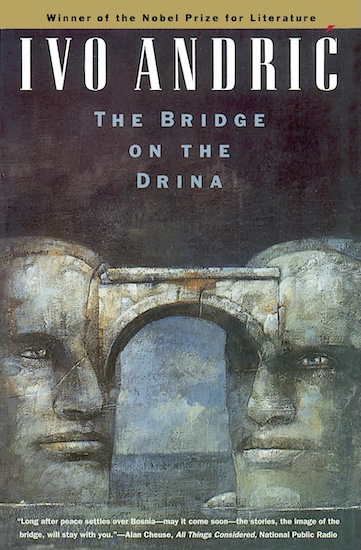
The Bridge on the Drina
The Bridge on the Drina is a historical novel chronicling nearly four centuries of life in Višegrad, a small town in eastern Bosnia, through the story of a single stone bridge spanning the Drina River. Built in the sixteenth century under the Ottoman Empire, the bridge becomes the centre of the town’s social life, connecting people from different religious and cultural communities while witnessing generations of change.
Through a series of interconnected stories, Ivo Andrić explores the lives of ordinary people shaped by imperial rule, religious tensions, political upheaval, and personal tragedy. As the Ottoman Empire gives way to Austro-Hungarian authority and new nationalist movements emerge, the bridge remains a powerful symbol of continuity amid historical change. Blending folklore, local legends, and historical events, the novel examines how communities preserve their memories and traditions while confronting the forces that divide them. It is a profound meditation on history, coexistence, and the enduring human cost of conflict.
Bosnia and Herzegovina
1945
4
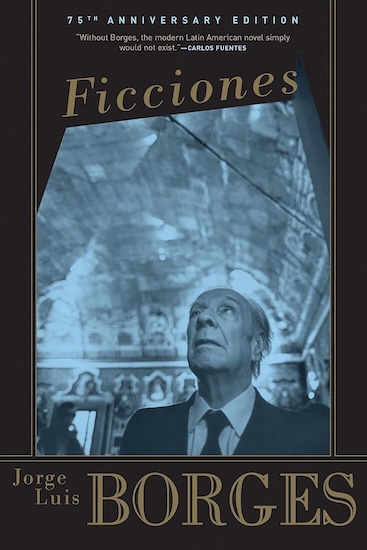
Ficciones
Ficciones is a collection of short stories that transforms philosophical questions into intricate literary puzzles. Across its imagined libraries, fictional encyclopedias, labyrinths, and mysterious texts, Borges explores the nature of reality, time, memory, and human knowledge. In stories such as “The Garden of Forking Paths” and “The Library of Babel,” ordinary concepts become extraordinary intellectual landscapes in which infinite possibilities and impossible structures challenge the reader’s understanding of the universe. Blending detective fiction, fantasy, philosophy, and literary criticism, Borges repeatedly blurs the boundaries between reality and invention. The collection invites readers to question whether the world can ever be fully understood or whether every explanation simply opens the door to another mystery.
Argentina
1944
5
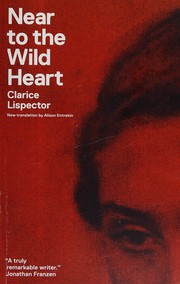
Near to the Wild Heart
Near to the Wild Heart follows Joana, a young woman whose intense inner life sets her apart from the people around her. From childhood into adulthood, Joana struggles to understand herself and her place in a world shaped by social conventions, marriage, and expectations of femininity. Observant, independent, and often restless, she questions the rules that govern relationships and the assumptions society makes about how women should live.
Rather than following a conventional plot, Clarice Lispector explores Joana’s consciousness through shifting memories, introspection, and poetic reflections. Her thoughts move between childhood experiences, her complicated marriage, and her desire for a freedom that cannot easily be defined. The novel examines the tension between individuality and conformity, exploring how identity emerges through solitude, desire, and self-examination. Celebrated for its experimental style and psychological depth, Lispector’s debut novel marked the arrival of a distinctive voice in Brazilian literature, one deeply concerned with the mysteries and contradictions of human existence.
Brazil
1943
6
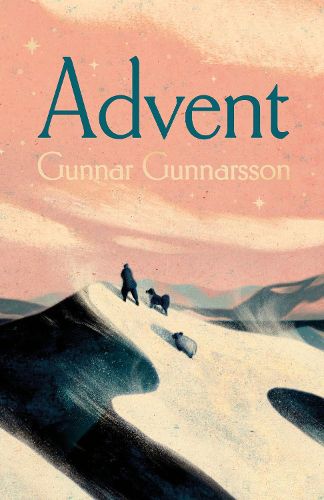
Advent
Every winter, in the days leading up to Christmas, Benedikt, a humble Icelandic shepherd, ventures into the mountains to rescue sheep stranded in the snow. Accompanied by his faithful dog and a stubborn old ram, he travels through a landscape of blizzards, frozen valleys and treacherous mountain passes, driven by a deep sense of responsibility toward vulnerable living creatures. His annual journey is physically demanding and potentially fatal, yet Benedikt accepts its hardships as an essential part of his life. Against the vastness and brutality of Iceland’s winter wilderness, his quiet determination becomes an extraordinary expression of compassion, humility and spiritual devotion. Blending the simplicity of a fable with vivid descriptions of the natural world, Gunnarsson creates a meditation on human endurance and the relationship between people and nature. Advent is both a portrait of an individual guided by kindness and a celebration of the profound peace that can be found in a life devoted to helping others.
Iceland
1940
7
For Whom the Bell Tolls
For Whom the Bell Tolls follows Robert Jordan, an American volunteer fighting alongside Republican guerrillas during the Spanish Civil War. Assigned to destroy a strategically important bridge ahead of a military offensive, Jordan joins a small group of fighters in the mountains. As he prepares for the operation, he develops a relationship with María, a young woman traumatised by violence, and forms complicated bonds with the guerrillas who support his mission. Their preparations expose the divisions, fears, and conflicting loyalties within the Republican cause. As the operation approaches, Jordan must weigh his commitment to the wider struggle against the lives of the people around him. Hemingway explores courage, sacrifice, love, and the moral costs of war, questioning how individuals can preserve their humanity while participating in a conflict that demands violence and obedience.
United States
1940
8
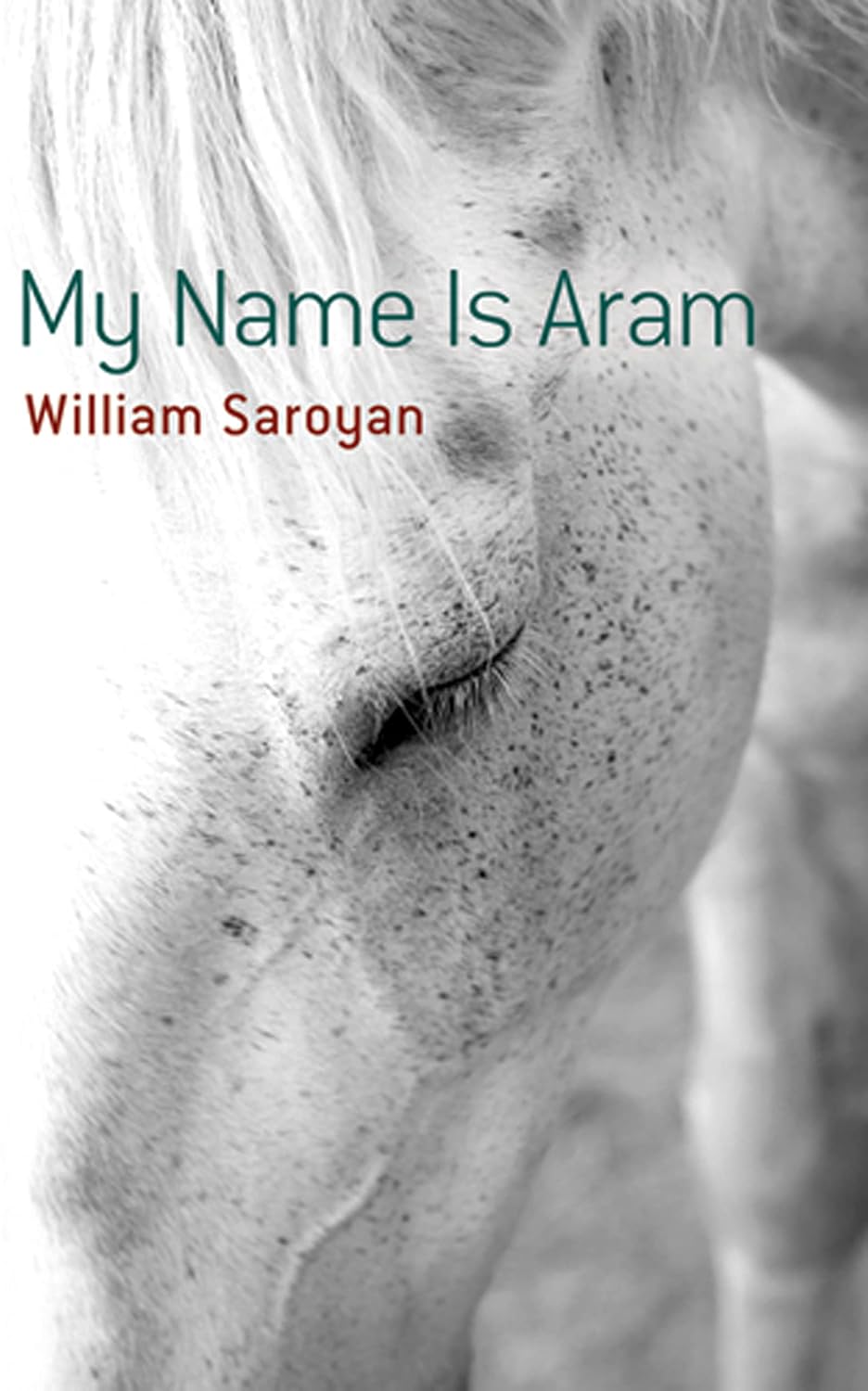
My Name Is Aram
My Name Is Aram is a collection of interconnected stories narrated by Aram Garoghlanian, a young Armenian American boy growing up in California’s San Joaquin Valley. Through his observations of family members, neighbours, and fellow members of the Armenian immigrant community, Aram discovers the contradictions and wonders of adult life. His relatives are often eccentric, proud, impulsive, and fiercely attached to their heritage, providing him with lessons about generosity, ambition, family loyalty, and human imperfection. Saroyan combines humour with tenderness, portraying a community attempting to preserve its cultural identity while adapting to life in a new country. The stories celebrate the ordinary experiences that shape childhood and the resilience of immigrant families, capturing how language, memory, and shared traditions help maintain a connection to ancestral roots across generations.
Armenia
1940
9
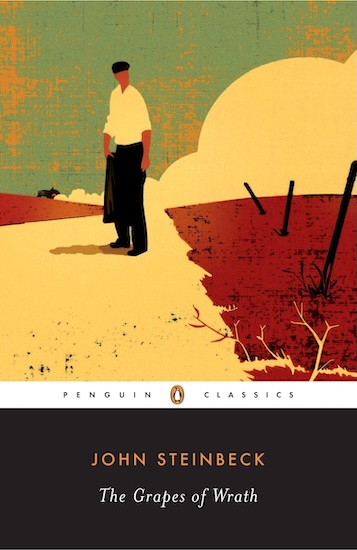
The Grapes of Wrath
The Grapes of Wrath follows the Joad family, tenant farmers driven from their Oklahoma home during the Great Depression and the Dust Bowl. Hoping to find work and a better future, they travel west to California, joining thousands of other migrants searching for survival. Instead of prosperity, they encounter exploitation, overcrowded camps, low wages, and hostility from landowners who fear the growing number of desperate workers. As the family’s circumstances deteriorate, Tom Joad and his mother struggle to preserve their dignity and solidarity in the face of injustice. Steinbeck portrays the human cost of economic collapse, revealing how powerful institutions can profit from the vulnerability of ordinary people. The novel explores poverty, migration, collective resistance, and the importance of community, arguing that human survival depends not only on individual determination but also on mutual responsibility and social justice.
United States
1939
10
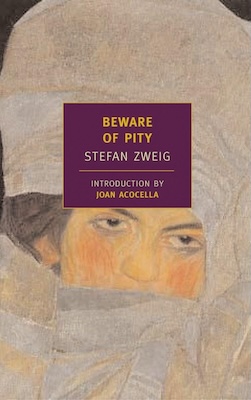
Beware of Pity
In Beware of Pity, Stefan Zweig explores the dangerous consequences of misplaced compassion through a young Austrian officer who becomes entangled in the life of a disabled woman. A profound psychological novel about guilt, duty, and the fine line between genuine empathy and self-serving pity.
Germany
1939
11
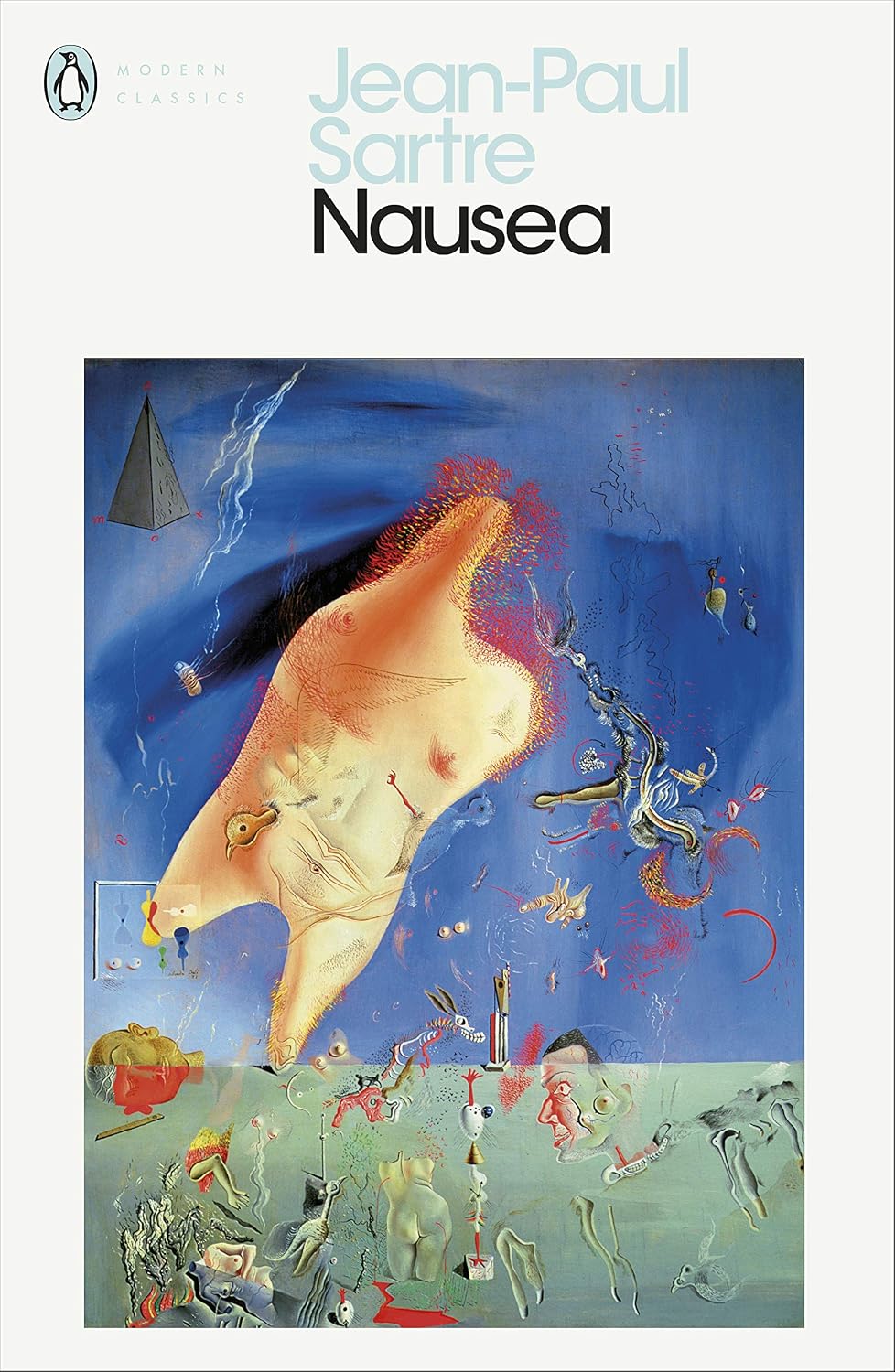
Nausea
A fascinating existentialist novel, written in the form of a journal, about a historian who moves to a small port in northern France to research a biography he is intending to write. Whilst there his senses become dulled and he becomes increasingly disgusted by his own existence, finding no solace with friends or a woman he begins an affair with.
France
1938
12
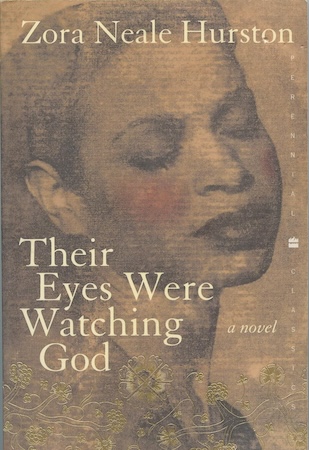
Their Eyes Were Watching God
Set in the early twentieth-century American South, Their Eyes Were Watching God follows Janie Crawford, an African American woman searching for love, independence, and a life she can call her own. Returning to her hometown of Eatonville, Florida, after a long absence, Janie faces the curiosity and judgment of her neighbours. Through a conversation with her friend Pheoby, she begins to recount the experiences that have shaped her.
Raised by her grandmother, who dreams of securing her future through marriage, Janie enters a series of relationships that teach her painful lessons about power, gender, and self-worth. Her first two marriages offer security and social status but leave little room for her voice or desires. It is only when she meets Tea Cake, a younger man who introduces her to a world of spontaneity, friendship, and adventure, that she begins to experience a more expansive kind of love.
Hurston’s novel is a landmark of African American literature, celebrated for its rich use of Black Southern dialect, folklore, and storytelling traditions. Through Janie’s journey, it explores the intersections of race, gender, class, and personal freedom, ultimately affirming a woman’s right to define herself beyond the expectations of others.
United States
1937