Uzbekistan
Asia
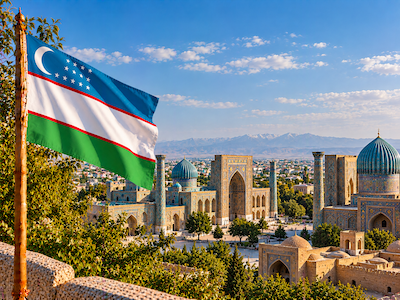
Uzbekistan is a landlocked country in Central Asia, celebrated for its magnificent Silk Road cities, turquoise-domed architecture, and rich cultural heritage. Samarkand, Bukhara, and Khiva preserve extraordinary ensembles of mosques, madrasas, minarets, and bustling historic bazaars that once served merchants and travelers crossing between East and West. Beyond these ancient cities, Uzbekistan’s landscapes include fertile river valleys, vast deserts, and the foothills of the Tien Shan and Pamir-Alay mountain ranges. Uzbek culture reflects Turkic, Persian, and Islamic influences, shaped by centuries of trade, scholarship, craftsmanship, and cultural exchange. Uzbek is the official language, while Russian and several regional languages are also spoken. Traditional crafts such as silk weaving, ceramics, miniature painting, and intricate tilework remain important expressions of the country’s artistic identity.
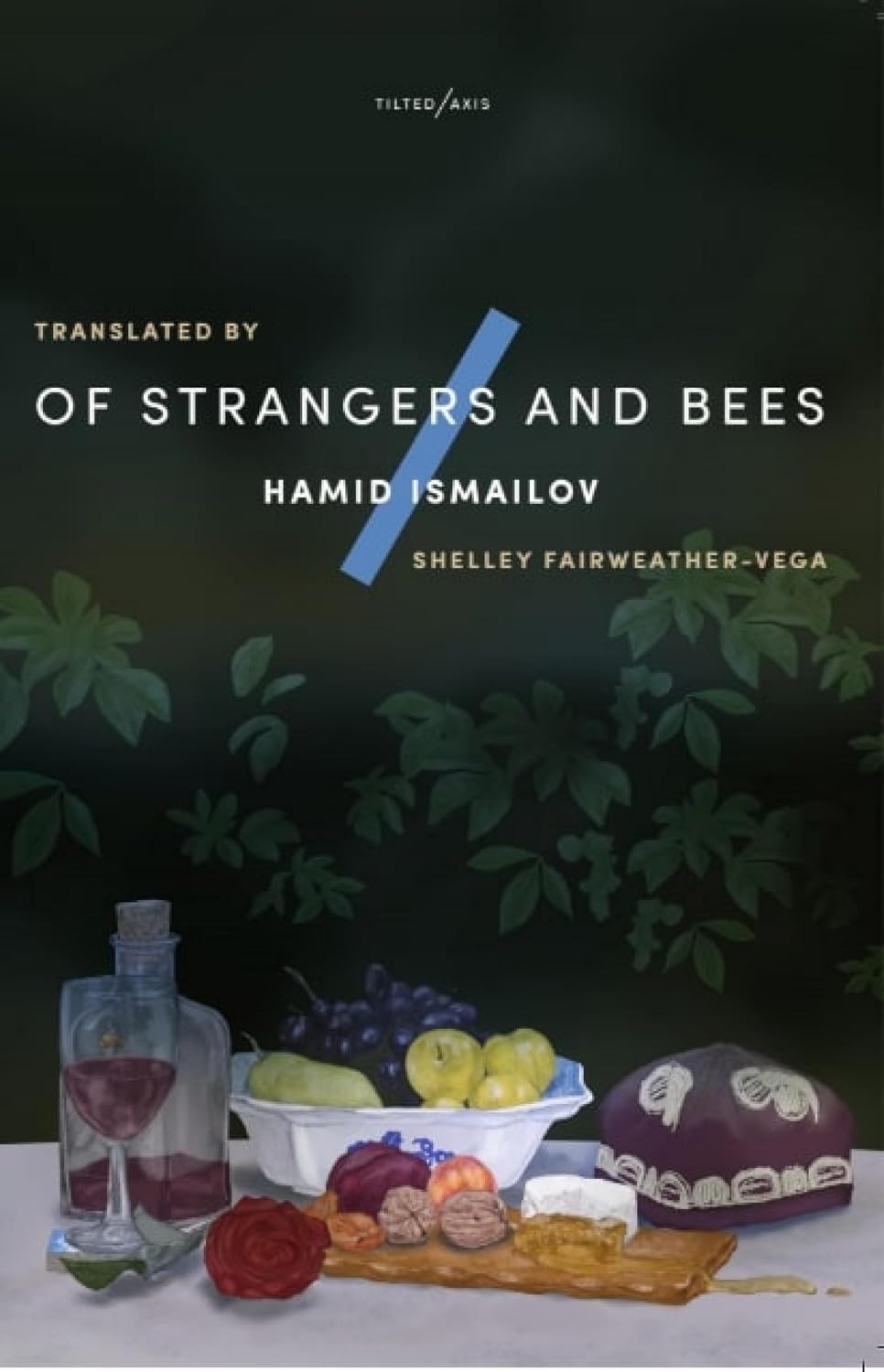
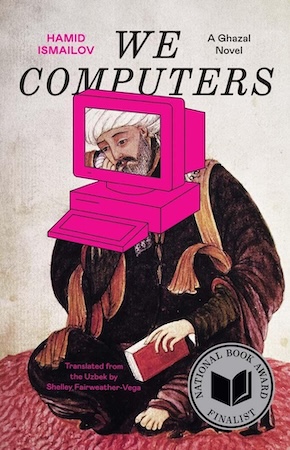
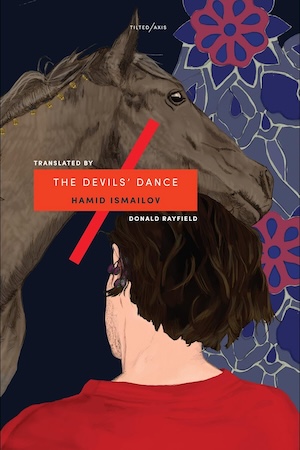
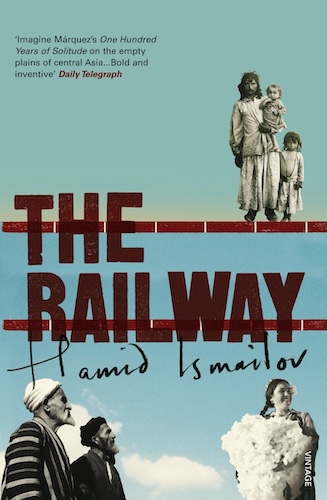
Uzbek literature has deep roots in oral epics, folk tales, lyrical poetry, and the classical literary traditions of the wider Persianate and Turkic worlds. Poetry has historically held a central place in cultural life, exploring love, spirituality, justice, knowledge, and the human condition. The region’s position along the Silk Road brought together diverse intellectual traditions, while later periods of Russian imperial and Soviet rule profoundly influenced literary language, themes, and institutions. One of the most important figures in Uzbek literature is Alisher Navoi, the fifteenth-century poet and thinker who demonstrated the expressive power of Chagatai Turkic and helped establish it as a major literary language. His works, including The Five Poems (Khamsa), remain foundational to Uzbek literary heritage. Zahir-ud-din Muhammad Babur, born in Andijan in present-day Uzbekistan, was a poet, ruler, and founder of the Mughal Empire; his memoir, Baburnama, offers a remarkable account of Central Asian life and history. In modern literature, Abdulla Qodiriy, author of Bygone Days, helped shape the Uzbek novel through his portrayals of society during a period of historical change. Cholpon, a prominent poet and novelist, explored cultural identity and freedom, while Hamid Ismailov, a contemporary Uzbek-born writer, examines memory, history, and political repression in works such as The Railway. Together, these writers reveal Uzbekistan’s enduring literary legacy and its role as a crossroads of languages, ideas, and civilizations.