Books from Ukraine
Suggest a book
All genres
Historical Fiction
Literary Fiction
Fantasy
Romance
Horror
Thriller
Non-Fiction
Mystery
Memoir
Classics
History
Sci-Fi
Contemporary Fiction
Science Fiction
Fiction
Poetry
Essays
Family Saga
Magical Realism
Family Drama
Dark Academia
Psychological Fiction
Dark Comedy
Political Writing
Feminist Fiction
Satire
Campus Fiction
Cultural Studies
Biography
Philosophy
Comedy
Drama
Young Adult
Gothic
Dystopia
Crime
Children's Books
Short Stories
Mythology
Cozy
Retellings
Humour
Adventure
All themes
Love & Passion
Adventure & Journey
Identity & Belonging
War & Conflict
Freedom & Resistance
Family & Heritage
Nature & Landscape
Society & Class
Spirituality & Faith
Solitude & Exile
Coming of Age
Revolution & Change
Friendship
History
Immigration
Myths and Retellings
Colonialism
Women & Society
Mental Health
Motherhood
1
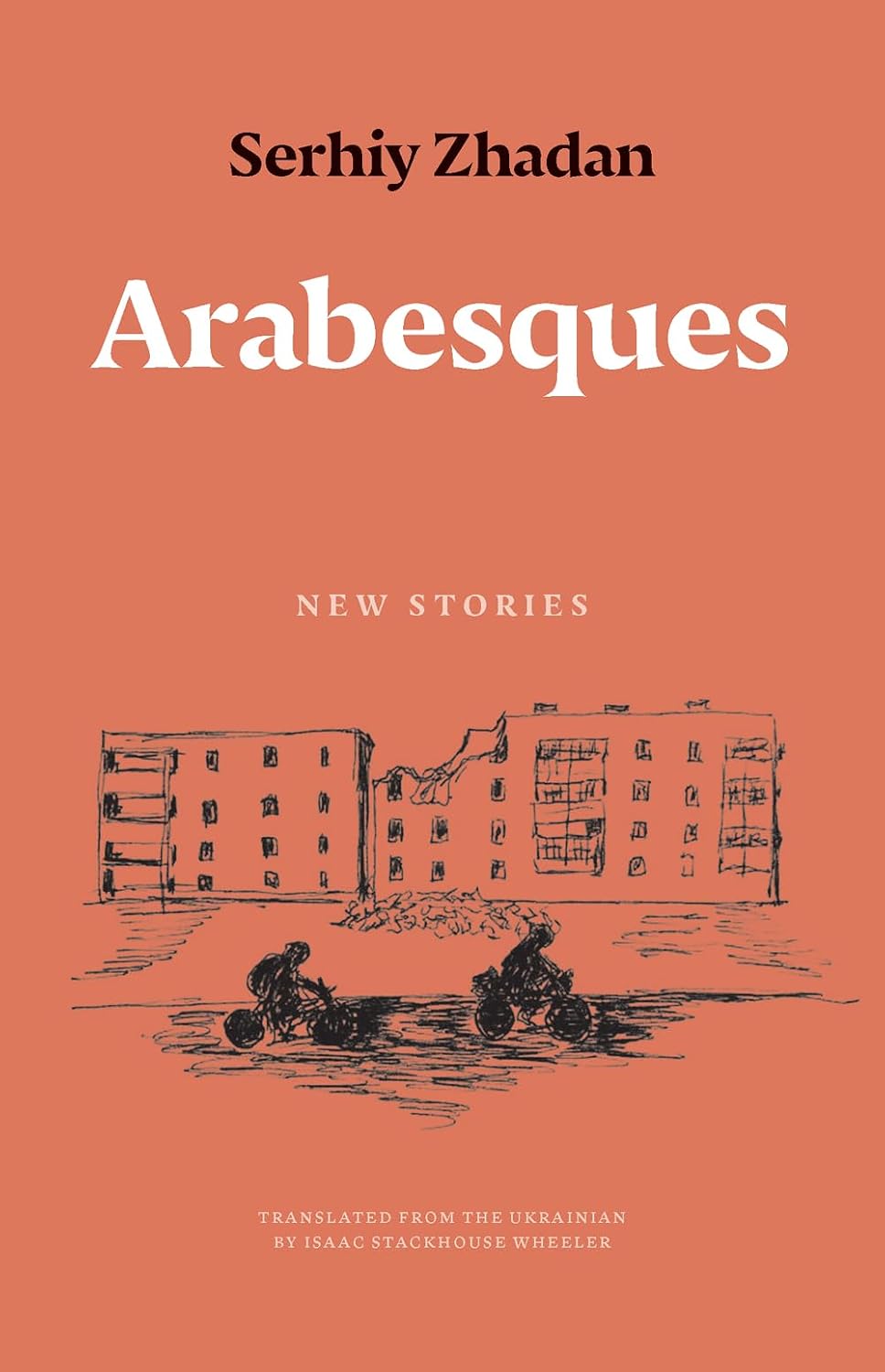
Arabesques
Set in Kharkiv, eastern Ukraine, during Russia’s full-scale invasion, Arabesques is a collection of interconnected stories about ordinary people trying to preserve their humanity in extraordinary circumstances. Through intimate snapshots of daily life, Serhiy Zhadan portrays a city transformed by war, where familiar routines have been disrupted by bombardment, loss, and the constant threat of death.
The characters navigate weddings, love affairs, funerals, and reunions with loved ones returning from the front. Volunteers deliver humanitarian aid, families struggle to protect elderly relatives, and wounded soldiers attempt to rebuild their lives. Their experiences reveal the fragile connections that sustain communities even as violence reshapes the world around them.
Returning to characters and settings from his earlier works, including Mesopotamia and The Orphanage, Zhadan captures both the vulnerability and quiet resilience of Ukrainian society. With understated compassion, he explores grief, solidarity, memory, and the persistence of everyday life amid destruction. Arabesques is a powerful literary portrait of a community determined to endure.
2026
2
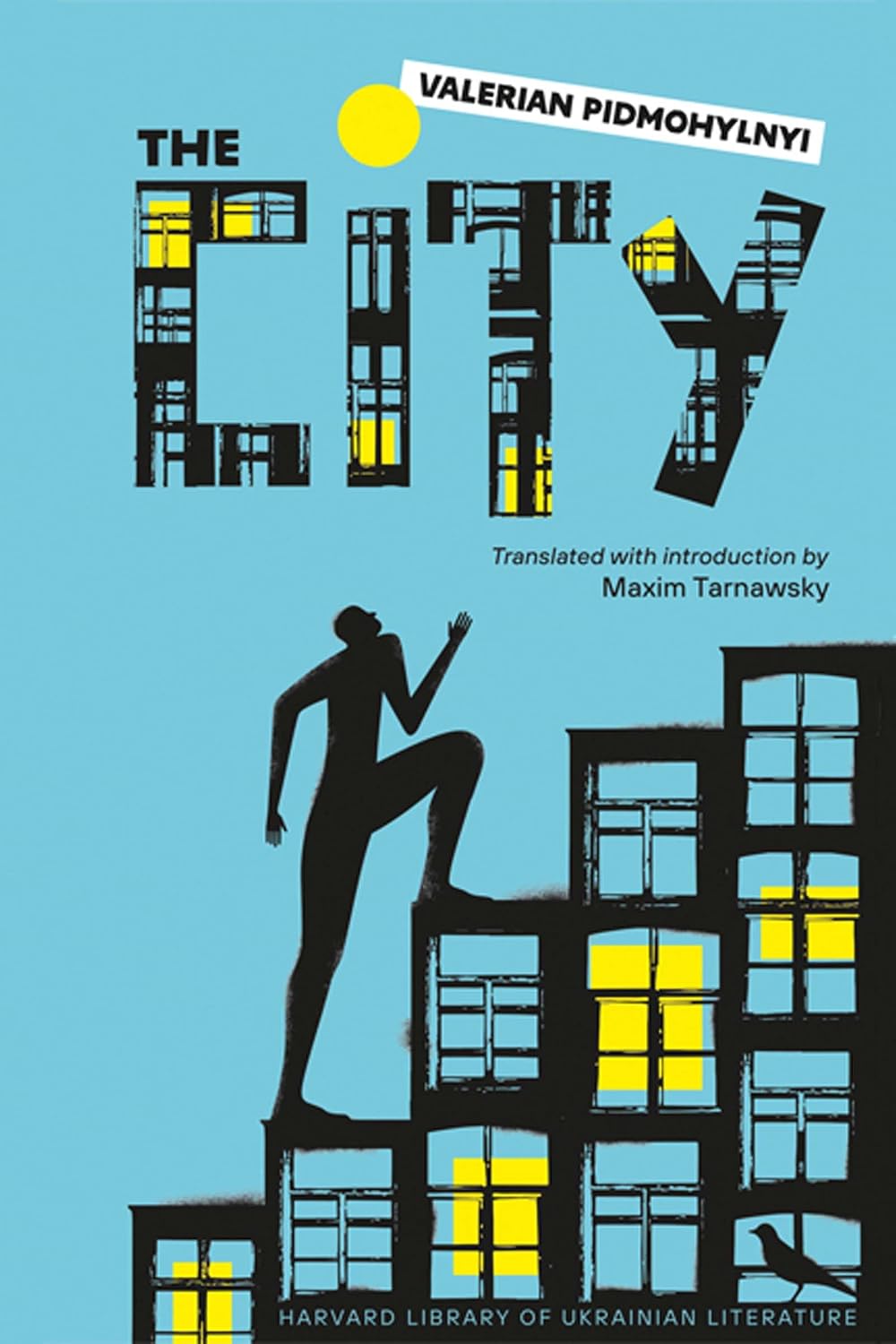
The City
Stepan Radchenko arrives in Kyiv from the Ukrainian countryside with ambitions of studying economics and eventually returning home to help modernise rural life. But the capital soon becomes more than a place of education: it is a world of opportunity, temptation, and reinvention. As Stepan moves from the city’s outskirts into its cultural and literary circles, he pursues success as a writer while navigating a series of romantic relationships that shape his understanding of himself.
Gradually, his original ideals give way to ambition, vanity, and a growing desire to conquer the city on his own terms. Kyiv becomes both the setting for his transformation and a force that challenges his sense of belonging.
First published in 1928, The City is considered a landmark of modern Ukrainian literature. Combining psychological realism with philosophical reflection, Pidmohylnyi examines urbanisation, social mobility, desire, and the tension between rural origins and modern identity. Stepan’s journey raises a timeless question: when we reinvent ourselves to achieve success, what parts of our original selves do we leave behind?
2025
3
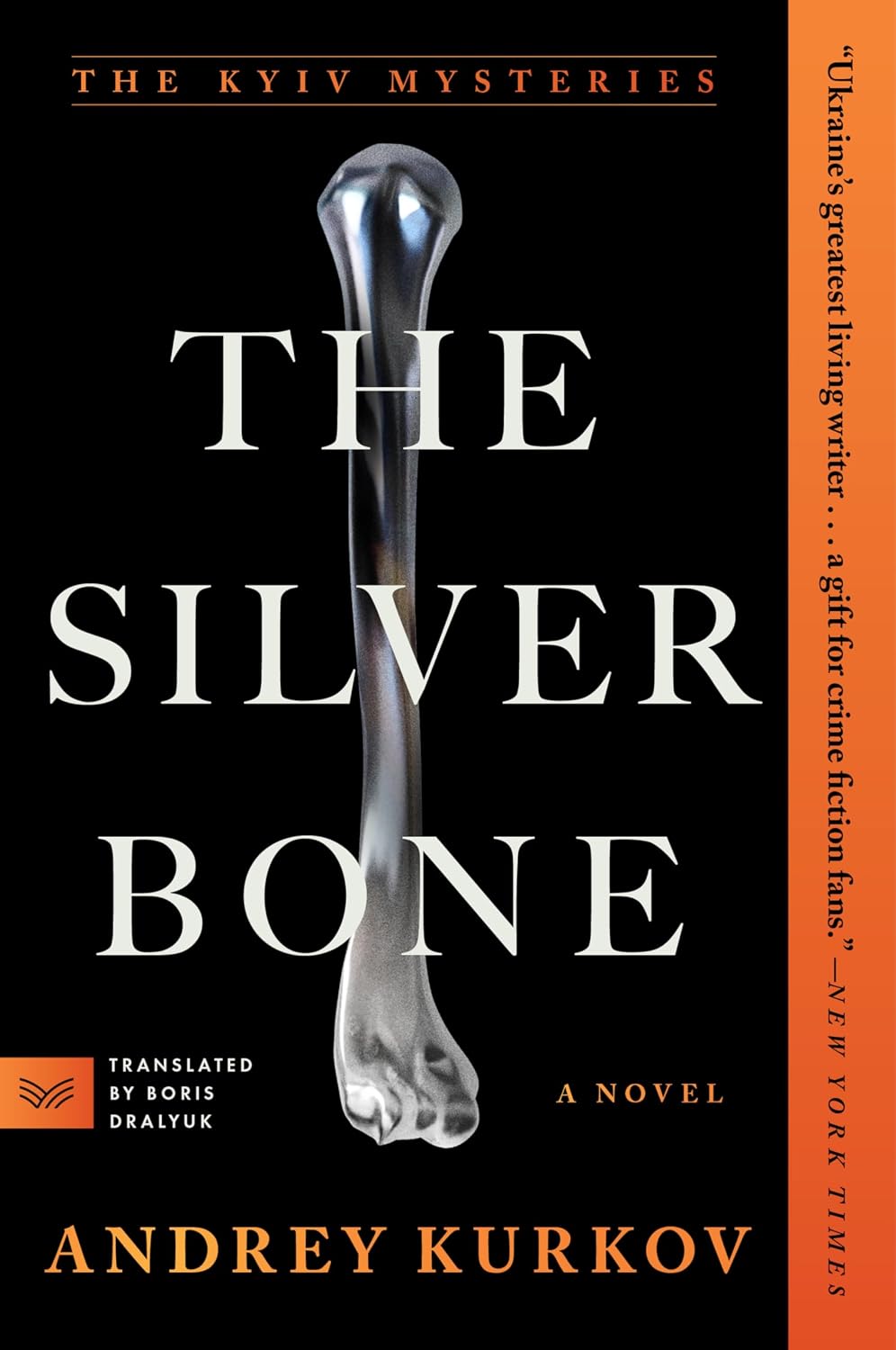
The Silver Bone
Kyiv, 1919. The city is caught in the turmoil of revolution, with Soviet forces controlling its streets while White armies threaten from the west. Amid political violence, shifting loyalties, and widespread lawlessness, young Samson Kolechko witnesses the brutal murder of his father by Cossacks. He survives the attack but loses his right ear, becoming an orphan in a city where survival is increasingly uncertain.
When Red Army soldiers take over his apartment, Samson inadvertently uncovers their secret plans. His attempt to expose their activities draws him into a dangerous world of murder, espionage, and political intrigue. Soon recruited into the local police force, he begins investigating crimes that reveal the bizarre contradictions of life under revolutionary rule.
The first novel in Kurkov’s Kyiv Mysteries series, The Silver Bone blends historical crime fiction with magical realism and dark humour. Through Samson’s investigations, Kurkov portrays a society where political upheaval has transformed ordinary life and the boundaries between justice, absurdity, and survival have become dangerously blurred.
2025
4
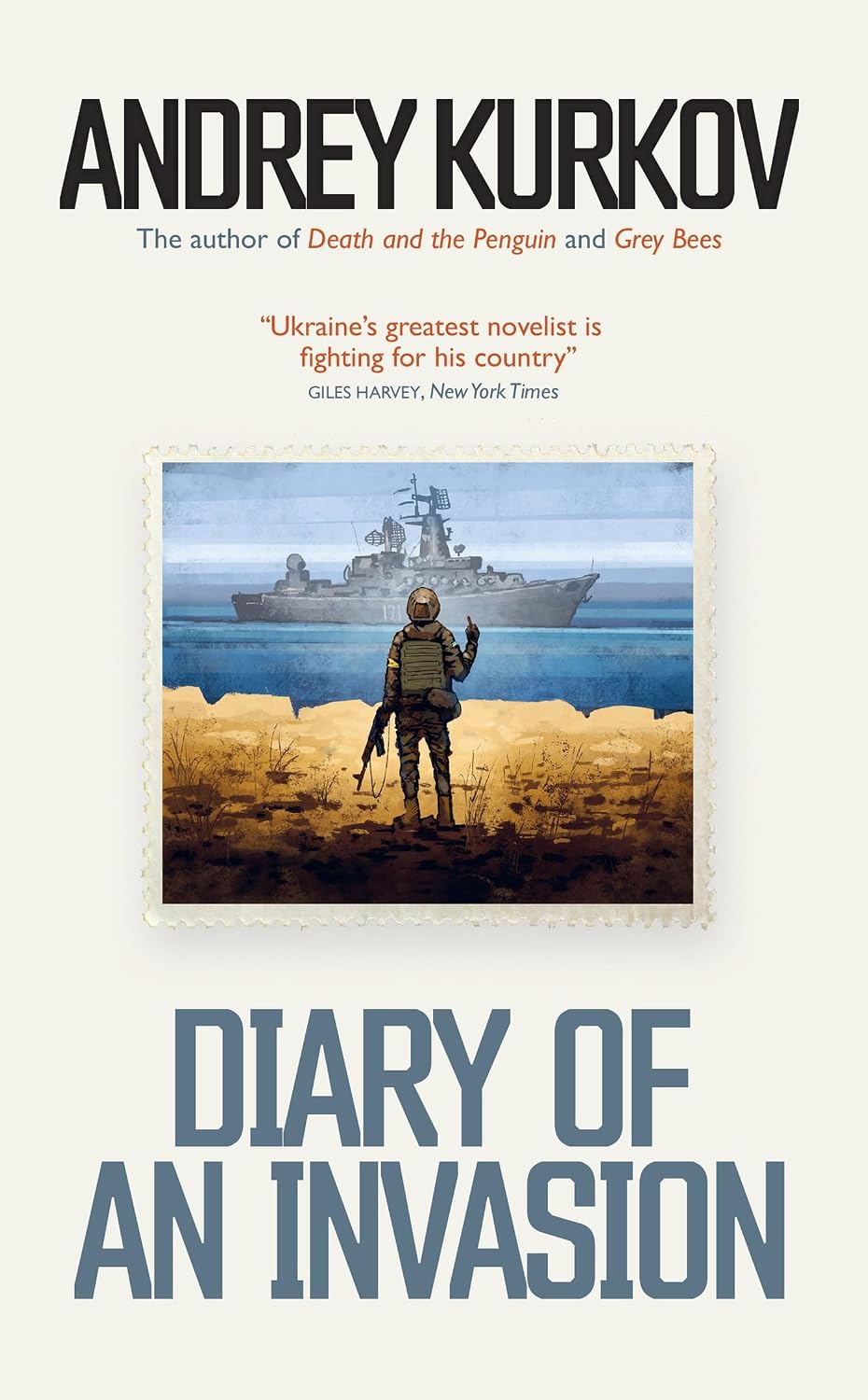
Diary of an Invasion
When Russia launched its full-scale invasion of Ukraine on 24 February 2022, Ukrainian novelist and journalist Andrey Kurkov began documenting the unfolding catastrophe from the perspective of someone living through it. Diary of an Invasion combines personal diary entries, reportage, and historical reflection to chronicle the months leading up to the invasion and its devastating aftermath. As Kurkov and his family seek safety in western Ukraine, he records the experiences of displaced civilians, the destruction of communities, and the extraordinary determination of people struggling to preserve their everyday lives.
Beyond documenting military events, Kurkov examines the complex historical relationship between Russia and Ukraine, the significance of language and cultural identity, and the resilience of Ukrainian society in the face of aggression. His observations are interwoven with moments of dark humour, compassion, and quiet defiance. Both an eyewitness account and a reflection on national identity, the book offers an intimate portrait of a country fighting not only for its territory but also for its cultural survival.
2022
5
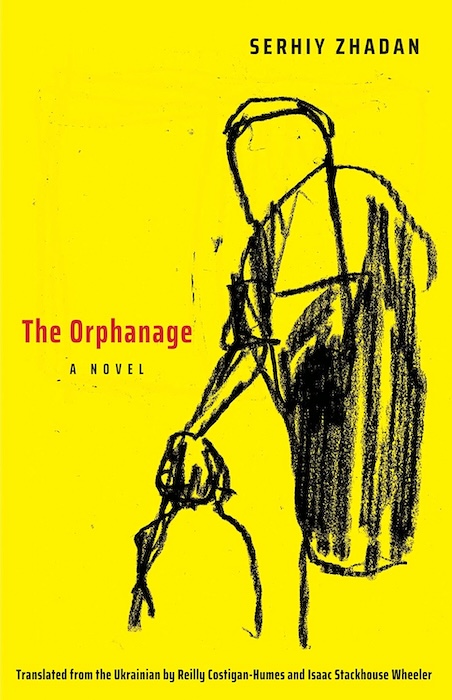
The Orphanage
Set in eastern Ukraine during the war in Donbas, The Orphanage follows Pasha, a thirty-five-year-old Ukrainian language teacher who has spent his life avoiding politics and keeping his distance from the conflicts around him. When fighting reaches a neighbouring city, he must cross the front line to retrieve his thirteen-year-old nephew, Sasha, from a boarding school that has become increasingly dangerous.
What should be a straightforward journey turns into a harrowing passage through a landscape devastated by shelling, military checkpoints, and collapsing infrastructure. As Pasha encounters soldiers, displaced civilians, and people struggling to survive, his familiar world becomes unrecognisable. With each step, he is forced to reconsider his loyalties, his responsibilities, and what it means to belong to a country at war.
Written with stark lyricism and an unflinching eye for everyday suffering, Zhadan’s novel portrays the human cost of armed conflict. Beyond the physical dangers, it explores indifference, moral responsibility, and the difficult realisation that remaining neutral may no longer be possible. The Orphanage won the 2022 EBRD Literature Prize.
2021
6
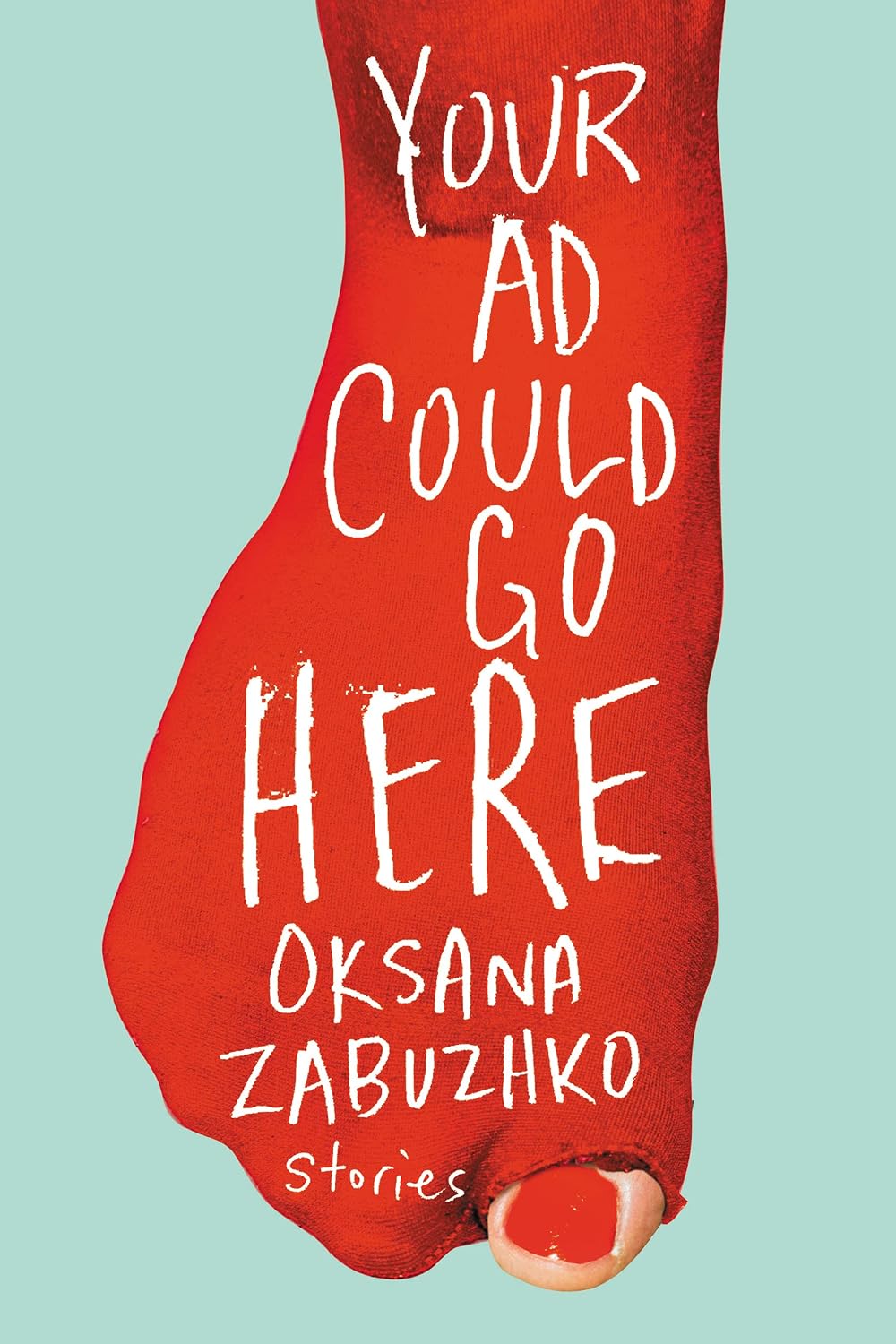
Your Ad Could Go Here: Stories
In Your Ad Could Go Here: Stories, Ukrainian writer Oksana Zabuzhko brings together a collection of fiction exploring the intimate connections between personal experience, collective memory, and national identity. Originally published in Ukrainian in 2014, the collection moves between the political upheavals of independent Ukraine and the seemingly ordinary dramas of everyday life, revealing how history shapes even the most private moments.
Through stories involving the Orange Revolution, family rivalries, romantic encounters, and unexpected personal triumphs, Zabuzhko examines the stories people tell themselves to make sense of their lives. Her characters navigate the complicated relationship between truth and illusion, individual desires and collective expectations, and the past and present. Myth, folklore, and fairy-tale elements frequently enter these recognisable settings, unsettling the boundary between what is real and what is imagined.
Lyrical, intellectually playful, and sharply observant, the collection explores how personal narratives become intertwined with cultural memory. Zabuzhko asks how individuals and nations construct their identities—and what happens when the stories that sustain them begin to unravel.
2020
7
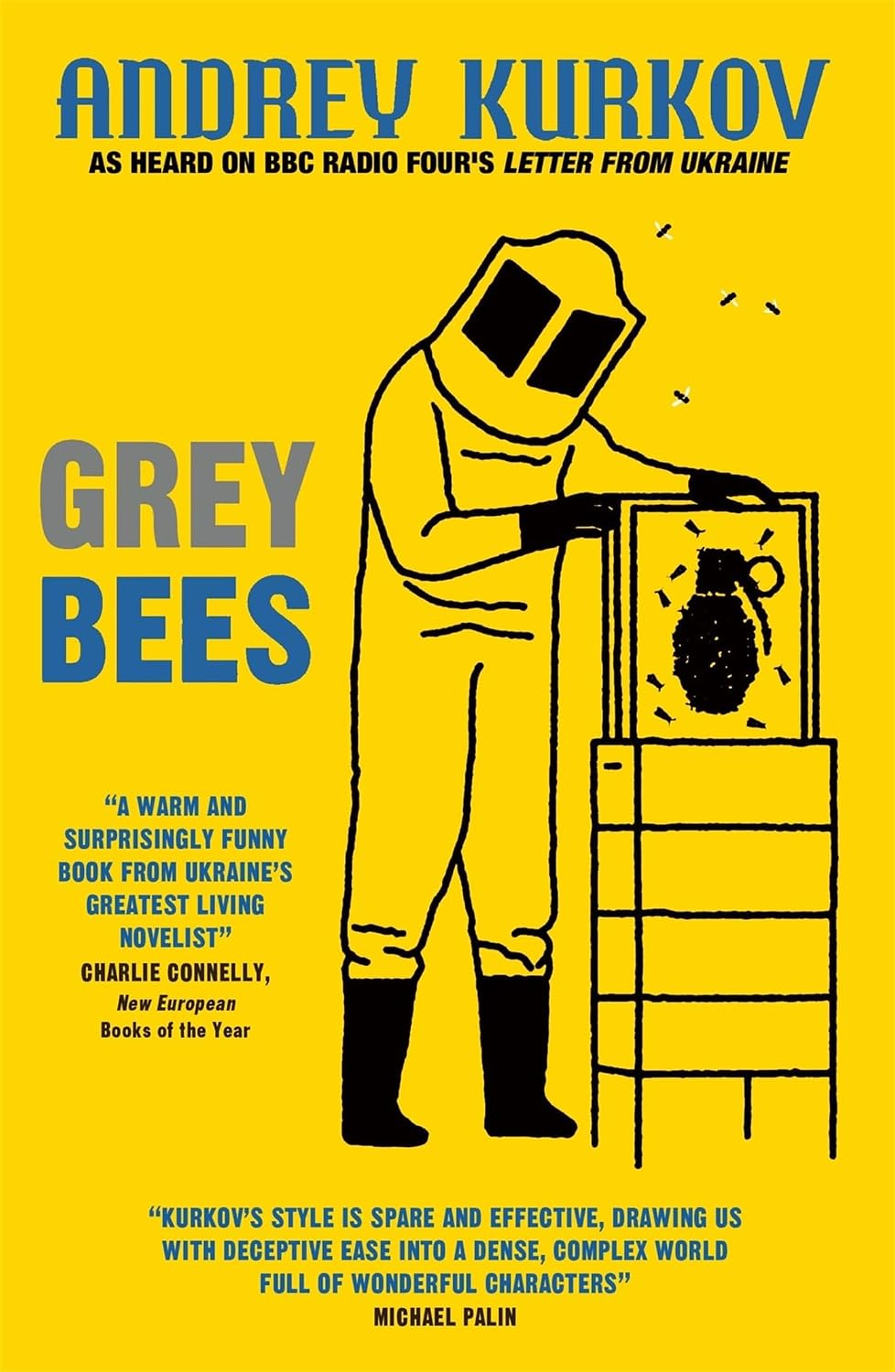
Grey Bees
In a deserted village in eastern Ukraine, deep inside the so-called Grey Zone between Ukrainian forces and Russian-backed separatists, only two residents remain: Sergey Sergeyich, a retired mine safety inspector and devoted beekeeper, and Pashka, his former schoolmate and longtime rival. With no electricity and the constant threat of shelling, Sergeyich finds comfort in tending to his bees, whose orderly world offers a fragile contrast to the violence surrounding him.
As spring approaches, he decides to transport his beehives to safer pastures, embarking on a journey across a war-torn landscape. Along the way, he encounters soldiers and civilians on opposing sides of the conflict, including Russian occupiers and Crimean Tatars. His encounters reveal the human consequences of political division while challenging the boundaries between enemies and neighbours.
Combining dark humour, quiet compassion, and political insight, Grey Bees is a moving portrait of ordinary life amid extraordinary violence. Through Sergeyich’s devotion to his bees, Kurkov explores the persistence of humanity, the absurdity of war, and the possibility of finding common ground in a fractured world.
2020
8
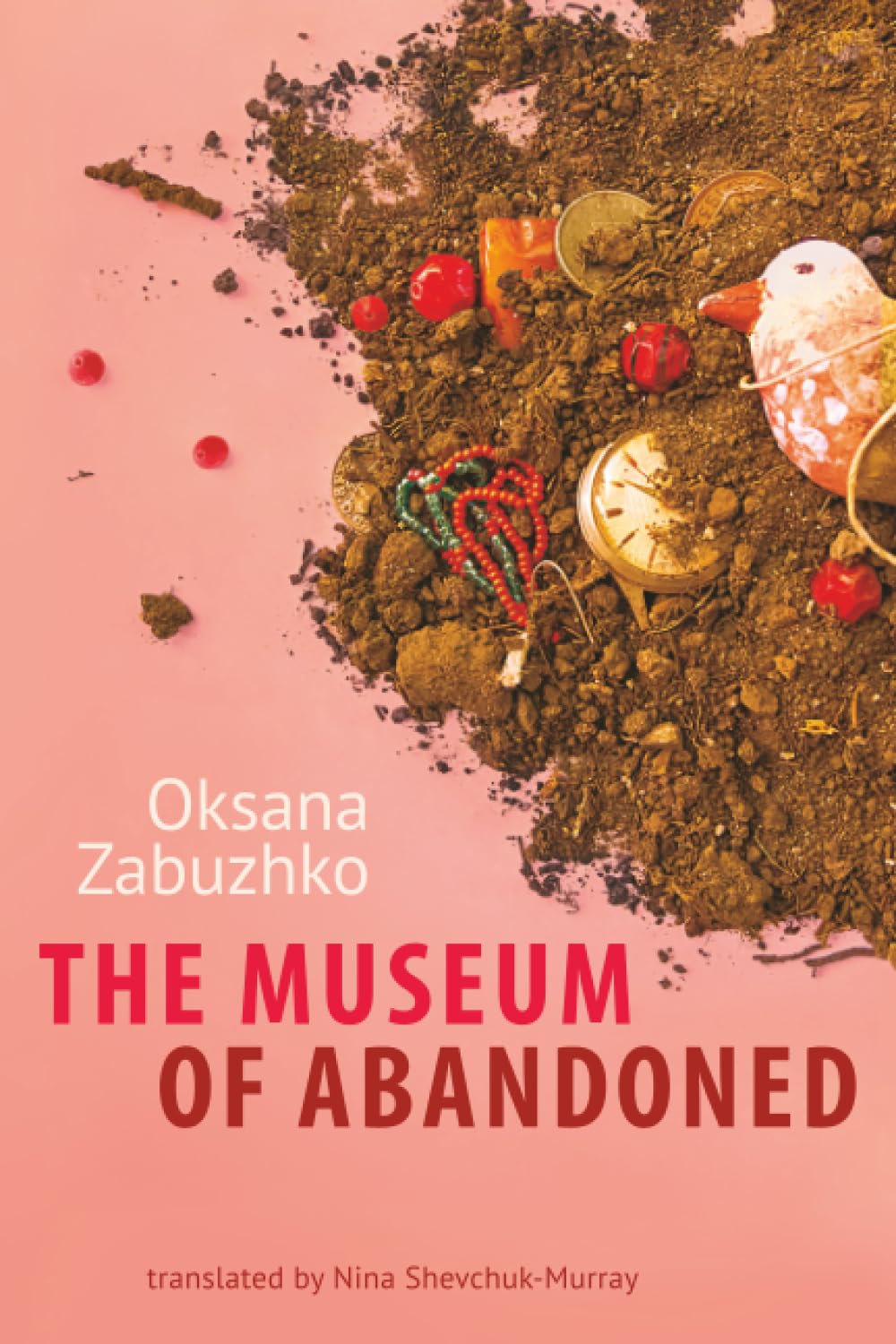
The Museum of Abandoned Secrets
Spanning more than six decades of Ukrainian history, from the Second World War to the early 2000s, The Museum of Abandoned Secrets is an ambitious, multigenerational novel about memory, resistance, and the hidden forces shaping national identity.
In contemporary Kyiv, journalist Daryna Hoshchynska discovers an old photograph of Olena Dovhan, a young Ukrainian partisan who was killed by Soviet secret police in 1947 after being betrayed by her lover. Fascinated by Olena’s story, Daryna begins investigating her life, uncovering secrets that connect the wartime resistance to the political realities of modern Ukraine. As her research deepens, personal relationships, family histories, and forgotten traumas become entangled with the country’s turbulent past.
Moving between generations and historical periods, Zabuzhko explores Soviet repression, political violence, cultural memory, and the enduring consequences of historical silence. Combining historical fiction, psychological drama, and elements of the supernatural, the novel asks how the past survives within the present—and how recovering buried stories can reshape a nation’s understanding of itself.
2012
9
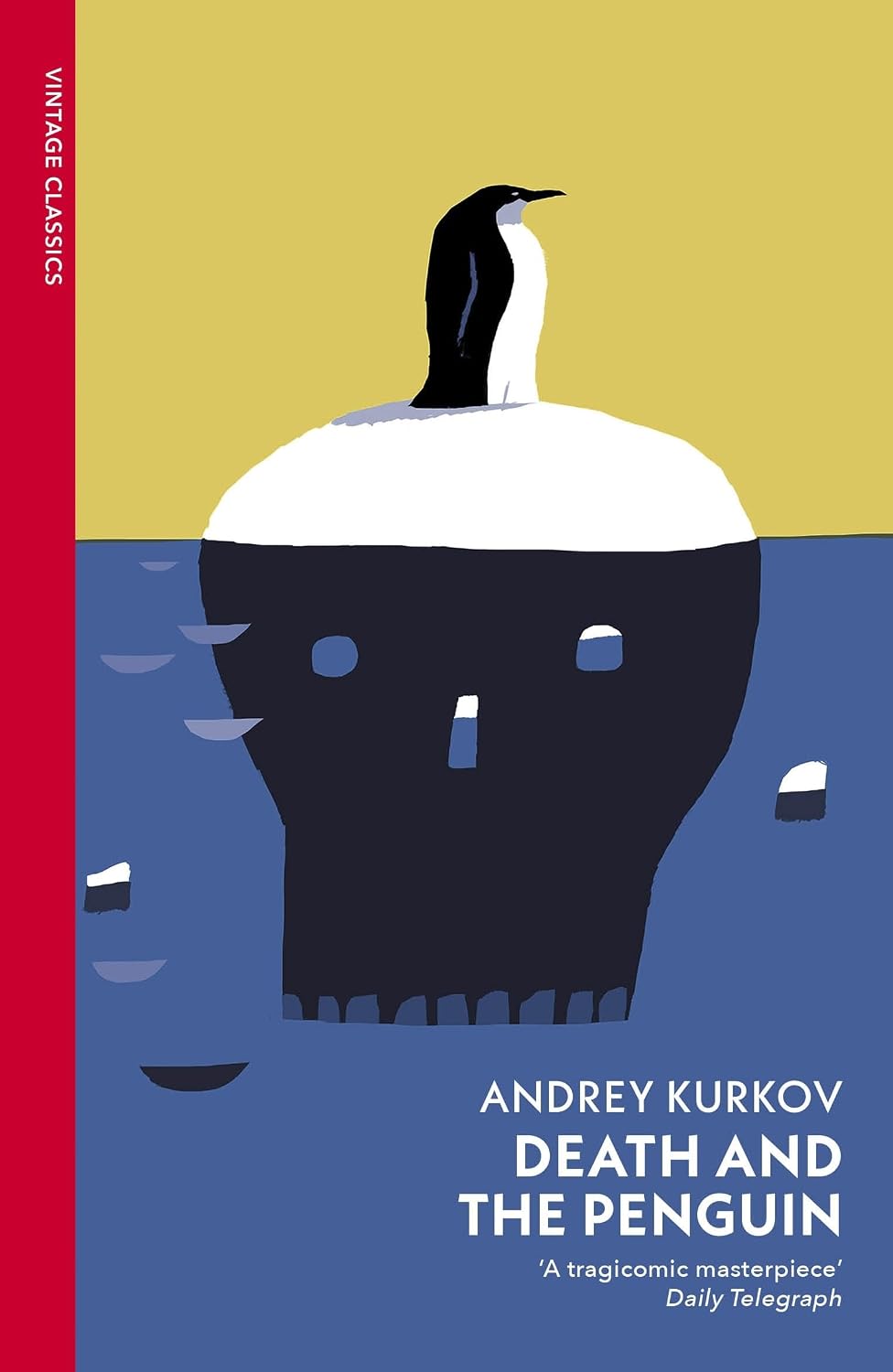
Death and the Penguin
In post-Soviet Kyiv, struggling writer Viktor Alekseyevich Zolotaryov lives a quiet, lonely existence with his unusual companion, Misha, a king penguin rescued from a zoo that can no longer afford to feed its animals. When Viktor secures a job writing obituaries for a local newspaper, he believes his fortunes may finally be changing. His editor, however, has an unsettling request: the obituaries must be written for prominent people who are still alive.
Soon, the subjects of Viktor’s obituaries begin dying under mysterious circumstances, drawing him into a dangerous world of political corruption and organised crime. As he tries to understand his role in these events, his apartment becomes a refuge for a young girl and her nanny, bringing unexpected responsibilities into his isolated life.
Blending dark humour, absurdism, and political satire, Death and the Penguin offers a haunting portrait of a society struggling to find its footing after the collapse of the Soviet Union. Through Viktor’s unlikely bond with Misha, Kurkov explores loneliness, moral compromise, and the quiet struggle to remain human in a world where violence has become ordinary.
2001