The City
Ukraine

The City

by Valerian Pidmohylnyi

Summary

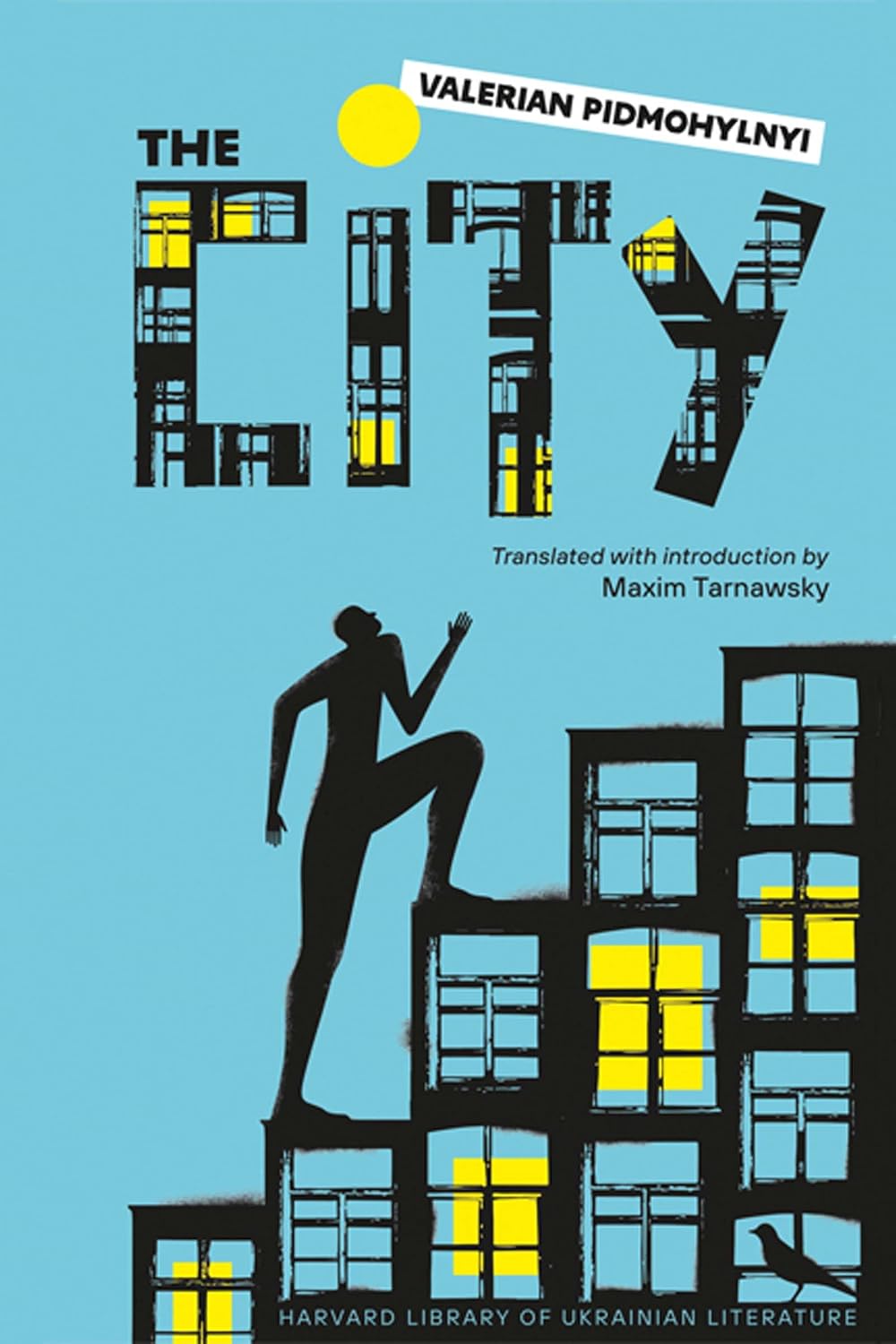
Stepan Radchenko arrives in Kyiv from the Ukrainian countryside with ambitions of studying economics and eventually returning home to help modernise rural life. But the capital soon becomes more than a place of education: it is a world of opportunity, temptation, and reinvention. As Stepan moves from the city’s outskirts into its cultural and literary circles, he pursues success as a writer while navigating a series of romantic relationships that shape his understanding of himself.

Gradually, his original ideals give way to ambition, vanity, and a growing desire to conquer the city on his own terms. Kyiv becomes both the setting for his transformation and a force that challenges his sense of belonging.

First published in 1928, The City is considered a landmark of modern Ukrainian literature. Combining psychological realism with philosophical reflection, Pidmohylnyi examines urbanisation, social mobility, desire, and the tension between rural origins and modern identity. Stepan’s journey raises a timeless question: when we reinvent ourselves to achieve success, what parts of our original selves do we leave behind?

Reviews

Login to leave a review.

No reviews yet. Be the first!

You might also like
Valerian Pidmohylnyi

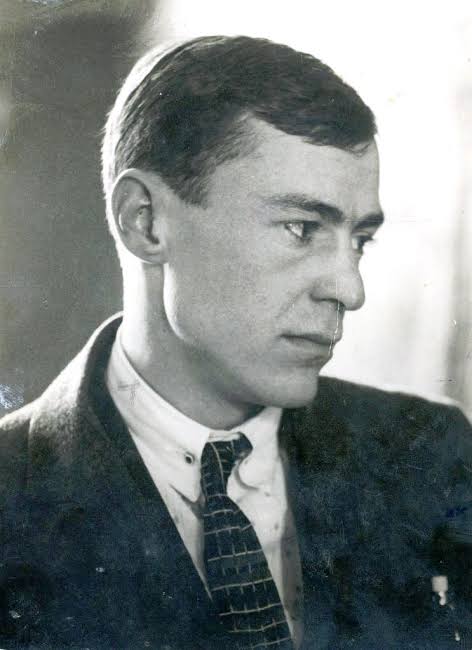
Valerian Pidmohylnyi (1901–1937) was a Ukrainian novelist, short-story writer, translator, and literary scholar, widely regarded as one of the leading figures of Ukrainian modernism. Born in the Katerynoslav region of present-day Ukraine, he developed an early interest in literature and languages, particularly French. He later became an accomplished translator of works by French writers, including Anatole France and Guy de Maupassant. Pidmohylnyi is best known for The City (Misto, 1928), a groundbreaking psychological novel exploring ambition, urban life, social transformation, and the complexities of individual identity. His fiction introduced new narrative techniques and philosophical concerns into Ukrainian prose, engaging with questions of alienation and the conflict between reason and instinct. His literary career unfolded during the Ukrainian cultural revival of the 1920s, a period of remarkable artistic experimentation that was violently suppressed under Stalin. Arrested by Soviet authorities in 1934 on fabricated political charges, Pidmohylnyi was executed at Sandarmokh in 1937 during the Great Terror. He is remembered as one of the writers of Ukraine’s Executed Renaissance, a generation of artists and intellectuals whose lives and work were destroyed by Soviet repression.

View author page
Published
2025
Author
Valerian Pidmohylnyi