Ukraine
Europe
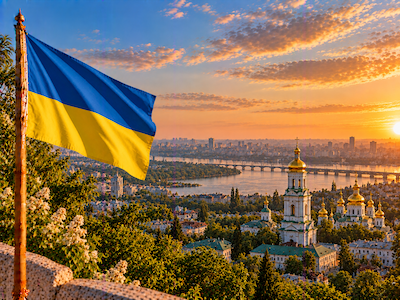

Ukraine is a country in Eastern Europe, known for its expansive wheat fields, forested mountains, Black Sea coastline, and historic cities. The capital, Kyiv, stands along the Dnipro River and is celebrated for its golden-domed churches, ancient monasteries, and distinctive architecture. From the Carpathian Mountains in the west to the fertile plains of the central and southern regions, Ukraine’s landscapes have shaped its agricultural traditions, folklore, and cultural identity. Ukrainian heritage draws on Slavic traditions, Byzantine influences, and centuries of interaction with neighboring European and Eurasian cultures. Ukrainian is the official language, and the country’s music, embroidery, traditional crafts, and seasonal celebrations remain important expressions of national identity. The ongoing Russian invasion has profoundly affected Ukrainian society, cultural heritage, and the lives of millions of people.
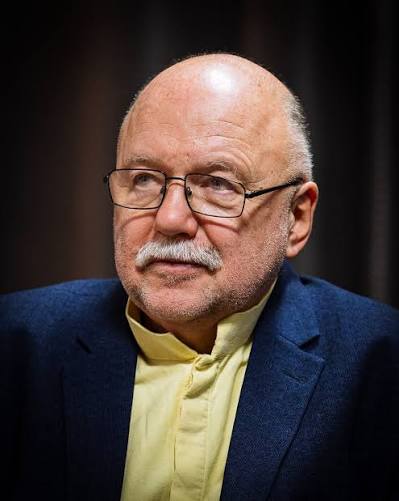
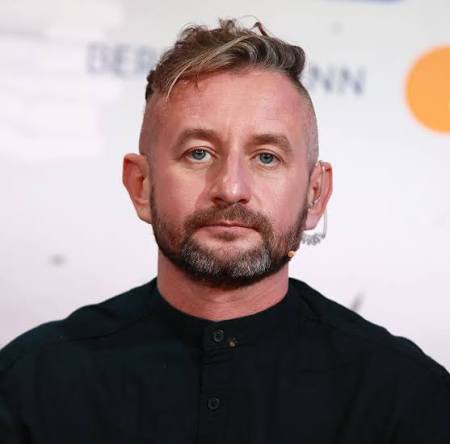
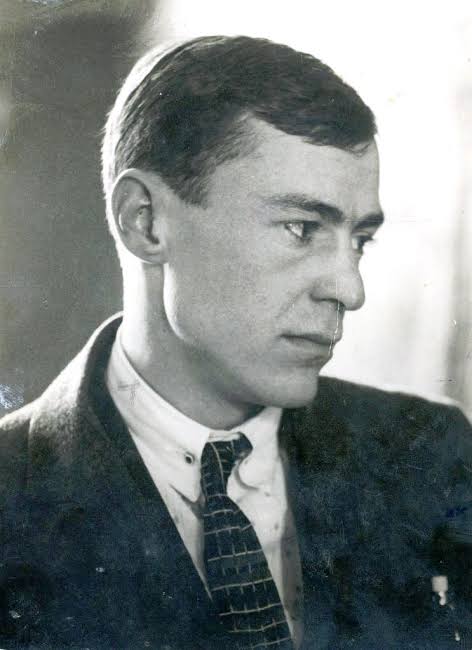
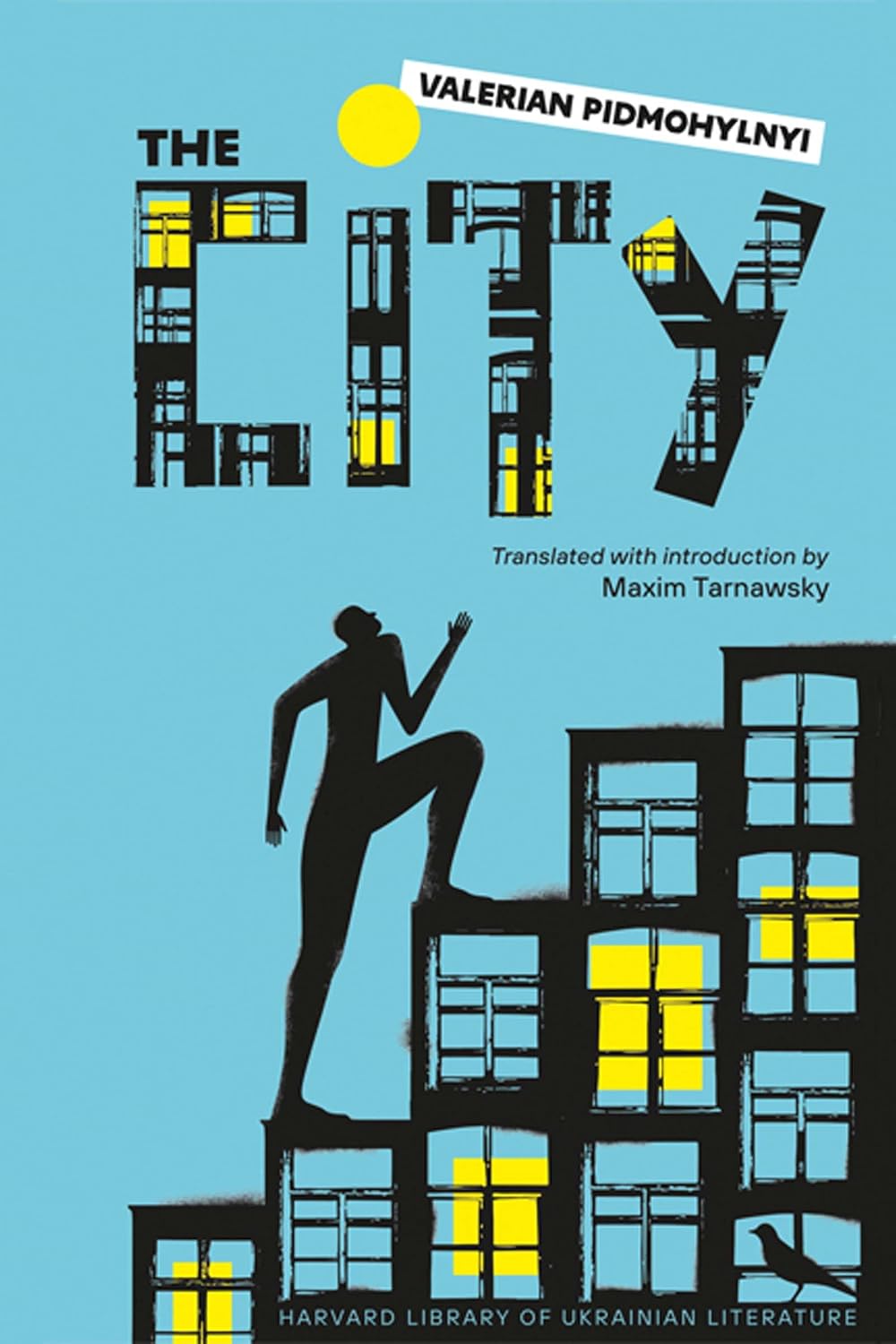
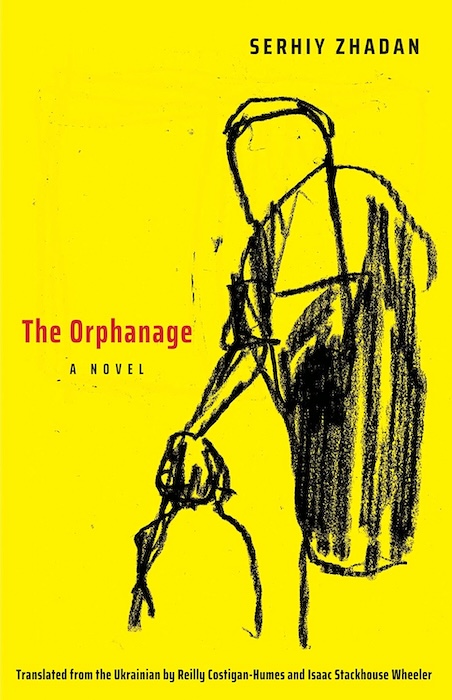
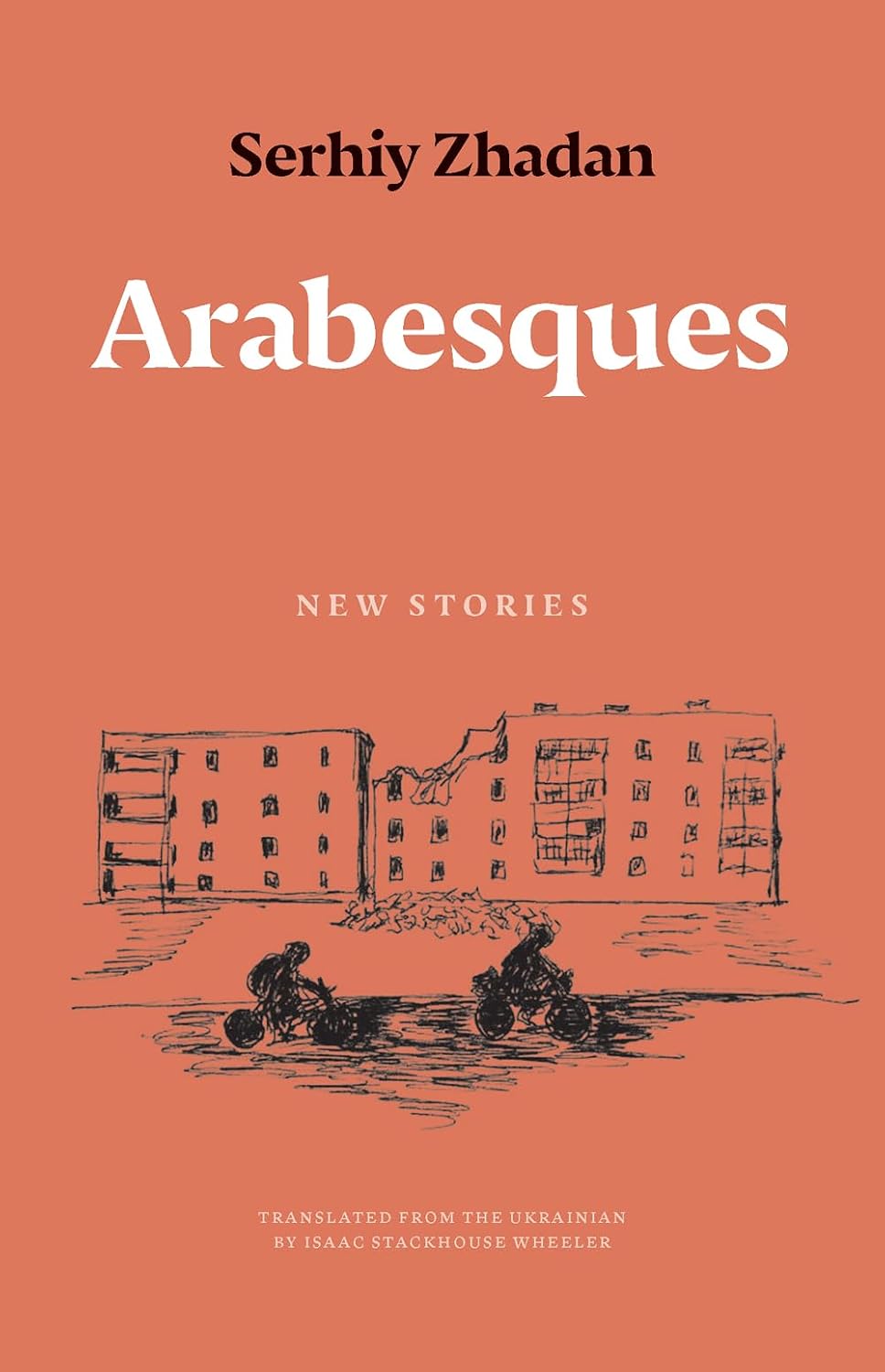
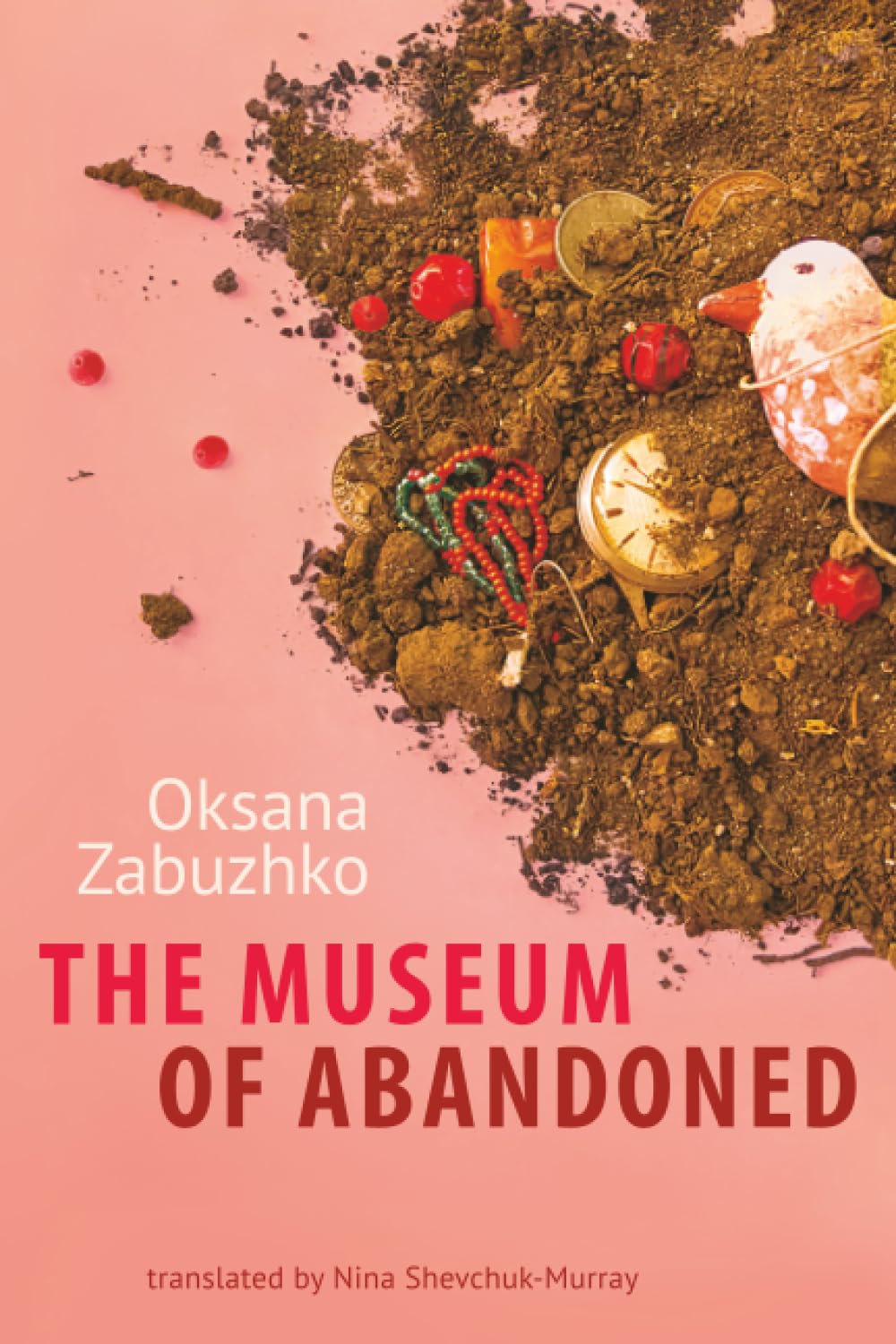
Ukrainian literature has deep roots in medieval chronicles, religious writing, folk songs, and oral epic traditions known as dumy. Poetry and storytelling have played a central role in preserving cultural memory, especially during periods when Ukrainian language and identity faced political restrictions. Modern Ukrainian literature explores freedom, national identity, rural life, social change, exile, and the relationship between individuals and history. Contemporary writers increasingly address war, displacement, resilience, and the emotional cost of conflict. Taras Shevchenko, Ukraine’s most celebrated poet, helped shape modern Ukrainian literature through works such as Kobzar, combining lyrical poetry with calls for dignity and freedom. Lesya Ukrainka, a major poet and playwright, explored personal courage, oppression, and the struggle for independence in works including The Forest Song. Ivan Franko, a writer, scholar, and political thinker, made significant contributions to poetry, fiction, and literary criticism. In contemporary literature, Serhiy Zhadan, author of The Orphanage and Voroshilovgrad, portrays life in eastern Ukraine amid social upheaval and war. Oksana Zabuzhko, known for Fieldwork in Ukrainian Sex, examines gender, history, language, and national identity. Together, these writers demonstrate the enduring role of literature in expressing Ukraine’s cultural complexity and documenting its changing historical experience.