Books from Rwanda
Suggest a book
All genres
Historical Fiction
Literary Fiction
Fantasy
Romance
Horror
Thriller
Non-Fiction
Mystery
Memoir
Classics
History
Sci-Fi
Contemporary Fiction
Science Fiction
Fiction
Poetry
Essays
Family Saga
Magical Realism
Family Drama
Dark Academia
Psychological Fiction
Dark Comedy
Political Writing
Feminist Fiction
Satire
Campus Fiction
Cultural Studies
Biography
Philosophy
Comedy
Drama
Young Adult
Gothic
Dystopia
Crime
Children's Books
Short Stories
Mythology
Cozy
Retellings
Humour
Adventure
All themes
Love & Passion
Adventure & Journey
Identity & Belonging
War & Conflict
Freedom & Resistance
Family & Heritage
Nature & Landscape
Society & Class
Spirituality & Faith
Solitude & Exile
Coming of Age
Revolution & Change
Friendship
History
Immigration
Myths and Retellings
Colonialism
Women & Society
Mental Health
Motherhood
1
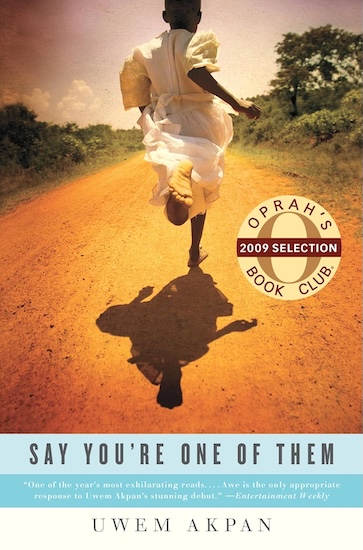
Say You're One of Them
Say You’re One of Them is a collection of five interconnected-in-spirit stories set in different African countries, exploring the lives of children caught in circumstances far beyond their control. Through the eyes of young narrators, Uwem Akpan portrays the devastating effects of poverty, religious conflict, human trafficking, and political violence on families and communities.
Written with emotional intensity and compassion, the collection challenges readers to look beyond headlines and statistics to recognise the individual lives behind Africa’s social and political crises. Rather than reducing its characters to victims, Akpan gives them distinctive voices, relationships, and hopes, creating a powerful portrait of childhood under extreme circumstances.
2009
2
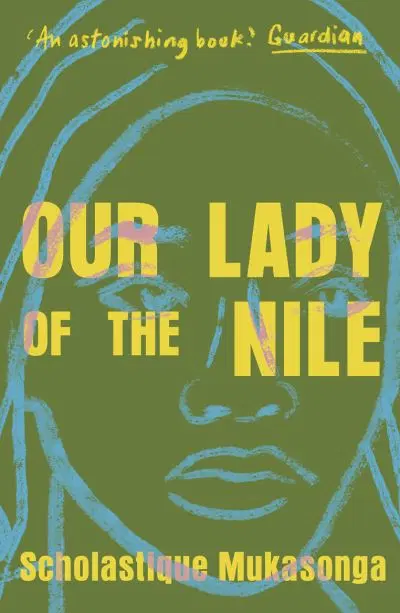
Our Lady of the Nile
High in the mountains of Rwanda, an elite Catholic boarding school for girls stands isolated above the Nile, promising its students education, respectability, and protection from the outside world. But beneath its orderly routines, the school reflects the growing ethnic tensions and prejudices shaping Rwandan society in the years before the 1994 genocide.
Admission quotas restrict the number of Tutsi students, leaving girls such as Veronica and Virginia vulnerable to discrimination and hostility from their Hutu classmates. As Gloriosa, the daughter of a powerful politician, spreads increasingly dangerous nationalist ideas, friendships fracture and everyday rivalries become entangled with political violence. The school, overseen by Belgian nuns, becomes a microcosm of a society moving toward catastrophe. Through the experiences of its teenage students, Scholastique Mukasonga explores how prejudice is taught, how colonial legacies shape identity, and how violence can take root in ordinary life long before it erupts into tragedy.
2012
3
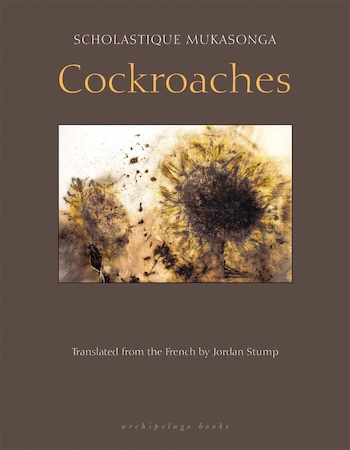
Cockroaches
In this moving autobiographical memoir, Scholastique Mukasonga recounts her childhood as a Tutsi girl in Rwanda, where ethnic persecution gradually transforms everyday life into a struggle for survival. After her family is forcibly displaced to the impoverished Bugesera region, she grows up surrounded by fear, humiliation, and uncertainty, yet also by the warmth of family life and the strength of her community. Eventually forced to flee to neighbouring Burundi, Mukasonga leaves behind the people and places that shaped her childhood. In 1994, while living in France, she learns that thirty-seven members of her family have been murdered during the Rwandan genocide. The title refers to inyenzi, a dehumanising slur used against Tutsis, reducing human beings to creatures considered fit for extermination. Through precise, restrained prose, Mukasonga transforms her memories into an act of remembrance, restoring individuality to those whom violence sought to erase. Cockroaches is both a personal testimony of survival and a powerful tribute to the enduring bonds of family, memory, and belonging.
2016
4
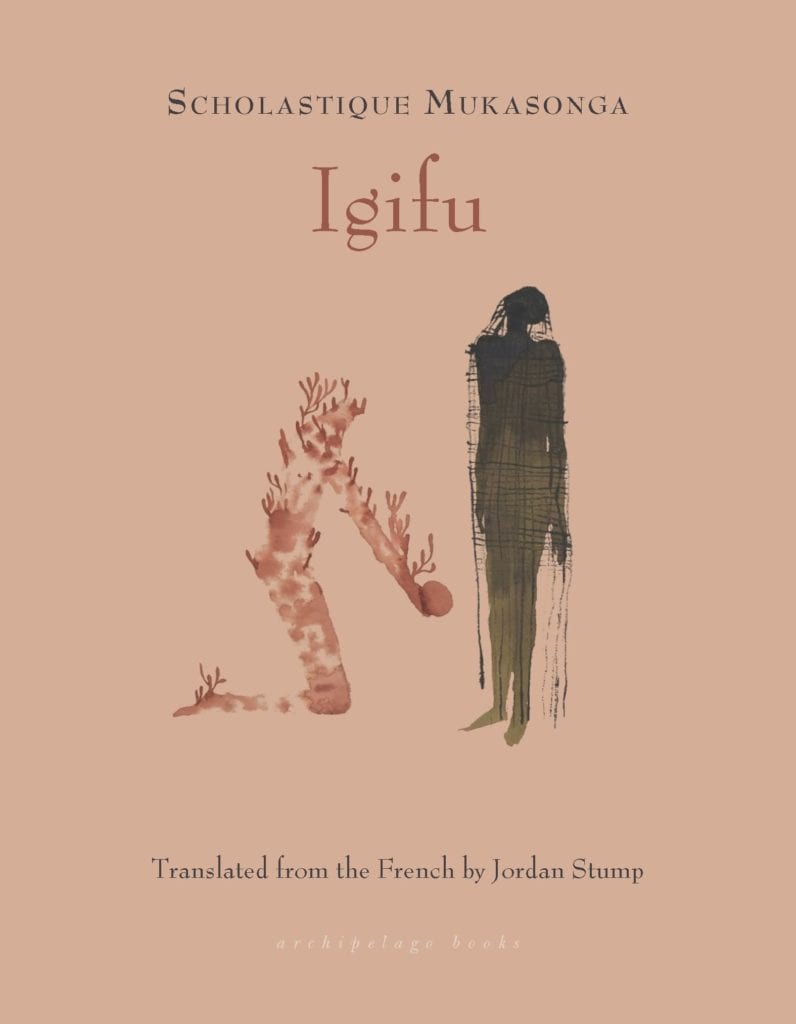
Igifu
In this haunting collection of autobiographical stories, Scholastique Mukasonga brings to life a Rwanda shaped by exile, hunger, persecution, and the enduring wounds of genocide. Through vivid memories of childhood and the traditions of the Tutsi community, she evokes a world of cattle, family rituals, rural landscapes, and fragile moments of happiness threatened by violence. In the title story, a five-year-old girl named Colomba struggles with igifu—a relentless, almost living hunger that consumes her body and imagination. Other stories explore the dignity of cattle-herding traditions, the fear that shadows children growing up amid ethnic persecution, and the devastating consequences of being a Tutsi woman in a society marked by prejudice. Yet this is not simply a book about suffering. With tenderness and remarkable clarity, Mukasonga preserves the humanity of those who were lost, ensuring that their lives, customs, and memories survive alongside the history of their tragedy.
2020
5
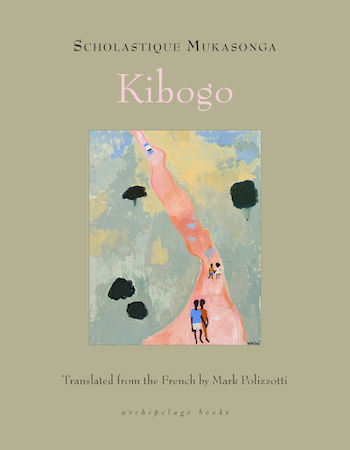
Kibogo
When drought devastates a Rwandan village during the 1940s, its people turn to an ancient legend: Kibogo, a mythical prince who sacrificed himself to bring rain to his suffering people. But the villagers now live under Belgian colonial rule, where Christian missionaries insist that salvation can come only through their faith. As famine deepens, traditional beliefs collide with European Christianity, and the boundaries between religious devotion, political power, and superstition become increasingly blurred. A young seminarian begins reinterpreting biblical stories through Rwandan mythology, while an elderly priestess preserves the spiritual traditions that missionaries seek to erase. Told through four interconnected stories, Scholastique Mukasonga’s novel combines folklore, sharp satire, and historical reflection to explore how a community protects its identity under colonial domination. Both playful and profound, Kibogo celebrates the resilience of oral storytelling and asks who has the authority to define truth, faith, and the stories a people pass on to future generations.
2022
6
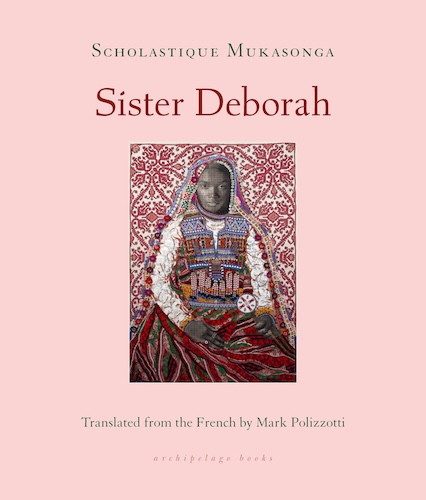
Sister Deborah
In 1930s Rwanda, a mysterious American evangelist arrives with a revolutionary message: the coming Messiah will be a Black woman, and women will finally be liberated from centuries of suffering. Known as Sister Deborah, she is both a healer and a prophetess, attracting women who long for a world beyond colonial domination and patriarchal authority. Her teachings unsettle not only the European missionaries but also the colonial administration, which fears the growing power of her movement. When Sister Deborah suddenly disappears, rumours multiply: was she murdered, or did she escape to begin a new life elsewhere? Years later, Ikirezi, a woman who was healed by Sister Deborah as a child, sets out to uncover the truth. Moving between historical records, folklore, and competing memories, Scholastique Mukasonga weaves a haunting tale about the struggle to reclaim forgotten histories. The novel explores how religion can become both an instrument of oppression and a language of resistance, particularly for women whose voices have been silenced.
2024
7
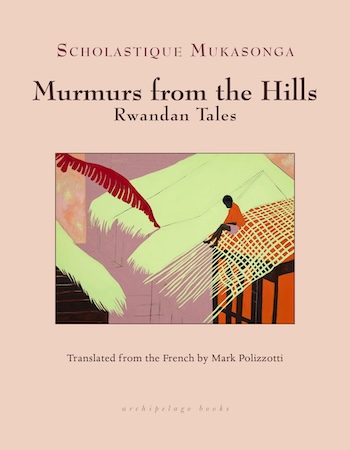
Murmurs from the Hills: Rwandan Tales
Before Rwanda became synonymous with tragedy, its hills held centuries of stories, traditions, and ancestral wisdom. In this evocative collection, Scholastique Mukasonga reaches back into her homeland’s cultural memory, weaving together Rwandan folklore, family recollections, mythology, and the history of colonialism. Rivers carry the echoes of childhood, sacred objects preserve the stories of generations, and the voices of elders bring forgotten worlds back to life. Through tales of kings, village communities, spiritual beliefs, and encounters between African traditions and European influence, Mukasonga creates a rich portrait of a society struggling to preserve its identity amid profound change. The stories move between the intimate and the legendary, revealing how collective memory shapes a people’s understanding of themselves. Both a celebration of Rwanda’s cultural heritage and a meditation on the power of storytelling, this collection seeks to recover a world that history threatened to erase.
2026