Rwanda
Africa
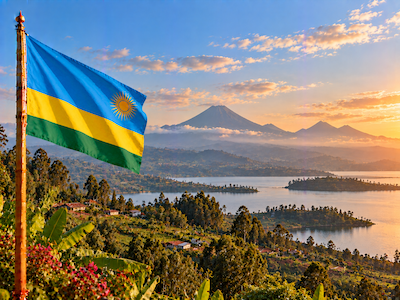
Rwanda is a landlocked country in East-Central Africa, often called the “Land of a Thousand Hills” for its rolling green landscapes, terraced farmland, and mist-covered mountains. Its scenery includes volcanic peaks in the north, tropical forests, savannas, and the shores of Lake Kivu in the west. Kigali, the capital, is known for its hillside setting and growing cultural scene, while Volcanoes National Park protects mountain gorillas and other wildlife. Rwandan culture is rooted in shared traditions, community life, music, dance, and the Kinyarwanda language, alongside influences from the wider East African region.
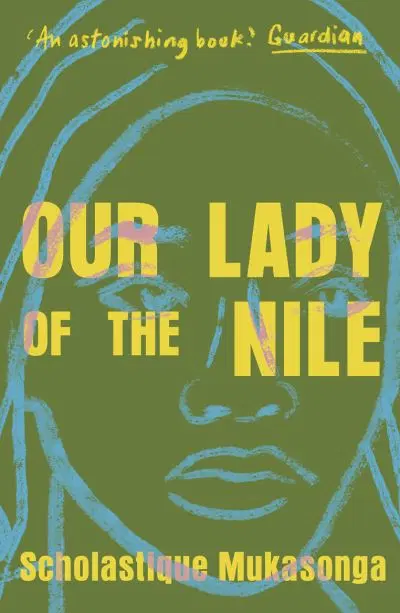
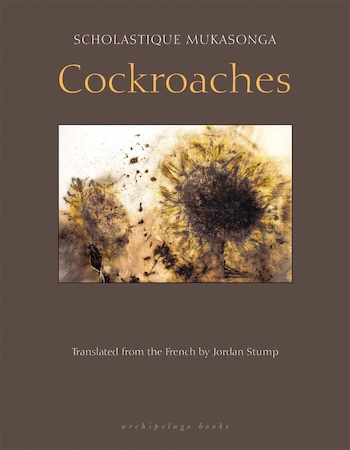
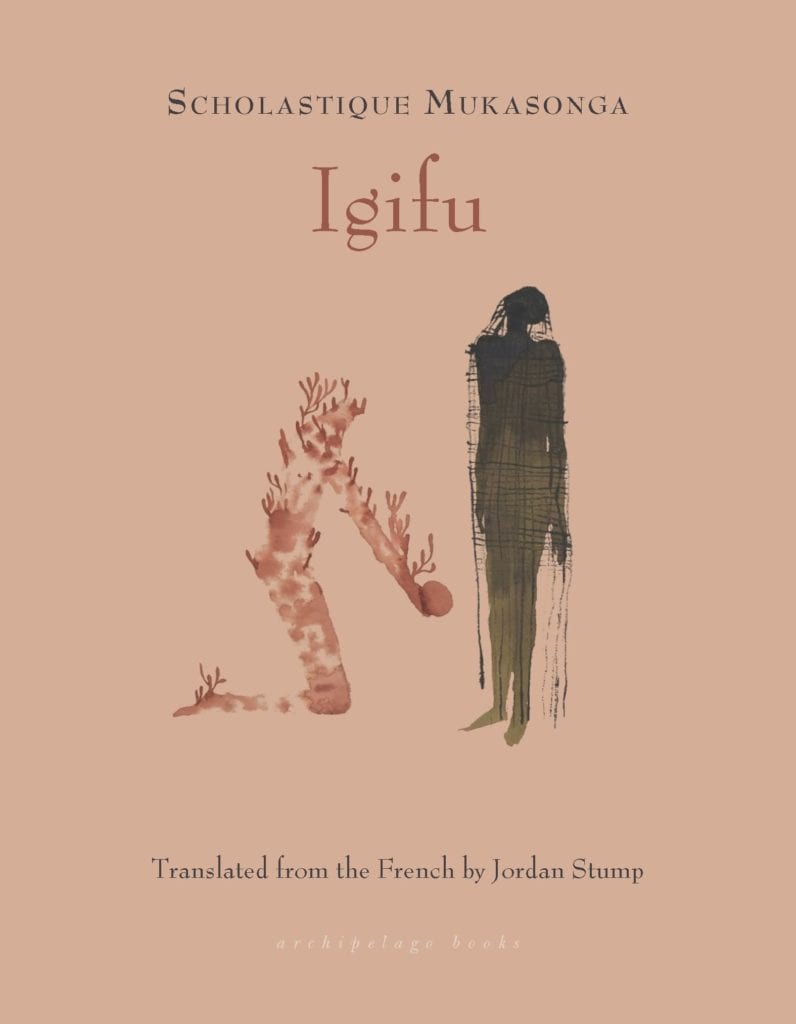
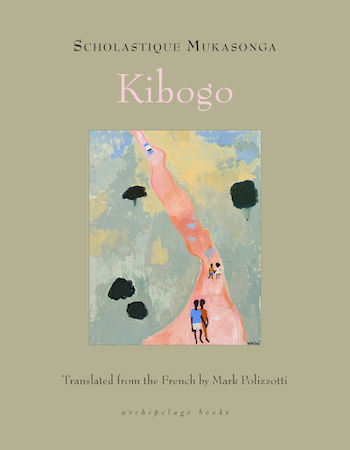
Rwandan literature has a strong foundation in oral storytelling, poetry, proverbs, praise songs, and historical narratives. Traditional forms have helped preserve collective memory, moral teachings, royal history, and cultural values across generations. Poetry and performance have long held an important place in Rwandan cultural life, while written literature developed through the influence of education, colonial history, and the spread of French, English, and Swahili alongside Kinyarwanda. Modern Rwandan literature has been profoundly shaped by the 1994 genocide against the Tutsi, with writers exploring trauma, survival, remembrance, reconciliation, and the challenges of rebuilding communities. Important authors include Scholastique Mukasonga, whose works such as Our Lady of the Nile examine memory, identity, and the history of violence; Benjamin Sehene, who has written about the genocide and its aftermath; and Koulsy Lamko, a playwright and novelist whose work addresses trauma and collective memory. Contemporary Rwandan writing also explores family, displacement, cultural identity, social transformation, and the relationship between personal stories and national history. Literature in Kinyarwanda and other languages continues to contribute to the preservation and reinterpretation of Rwanda’s cultural heritage.