Books from Japan
Suggest a book
All genres
Historical Fiction
Literary Fiction
Fantasy
Romance
Horror
Thriller
Non-Fiction
Mystery
Memoir
Classics
History
Sci-Fi
Contemporary Fiction
Science Fiction
Fiction
Poetry
Essays
Family Saga
Magical Realism
Family Drama
Dark Academia
Psychological Fiction
Dark Comedy
Political Writing
Feminist Fiction
Satire
Campus Fiction
Cultural Studies
Biography
Philosophy
Comedy
Drama
Young Adult
Gothic
Dystopia
Crime
Children's Books
Short Stories
Mythology
Cozy
Retellings
Humour
Adventure
All themes
Love & Passion
Adventure & Journey
Identity & Belonging
War & Conflict
Freedom & Resistance
Family & Heritage
Nature & Landscape
Society & Class
Spirituality & Faith
Solitude & Exile
Coming of Age
Revolution & Change
Friendship
History
Immigration
Myths and Retellings
Colonialism
Women & Society
Mental Health
Motherhood
1
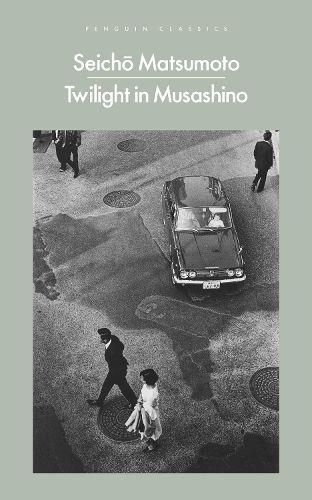
Twilight in Musashino
Set in postwar Japan in 1959, Twilight in Musashino begins with the discovery of a young Japanese flight attendant strangled on the icy banks of a river. As Detective Fujisawa investigates the murder, his attention turns to a foreign priest and the Guglielmo Church, a charitable Christian mission with an unsettling connection to the victim. What initially appears to be a straightforward criminal investigation gradually reveals a tangled web involving narcotics, postwar relief operations, and international diplomacy. The deeper Fujisawa digs, the more he encounters powerful institutions determined to protect their reputations and conceal uncomfortable truths. Blending meticulous police work with an incisive examination of social power, Seicho Matsumoto constructs a slow-burning mystery in which the pursuit of justice collides with political influence and institutional silence. The novel offers a compelling portrait of a society negotiating its identity in the aftermath of war, exposing the tensions between public morality and private corruption.
2026
2
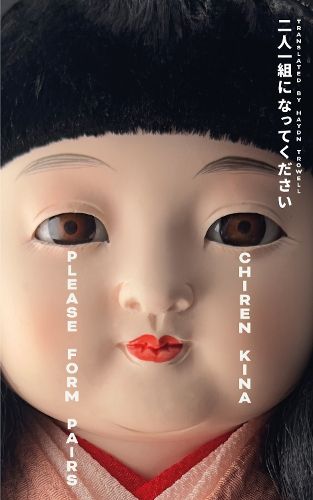
Please Form Pairs
In a world where popularity determines survival, Mishin Mizushima is a teenage girl who struggles to meet Japan’s unforgiving standards of beauty and social status. Unpopular at school and abandoned emotionally by her mother, she occupies the lowest rung of a ruthless social hierarchy dominated by glamorous, powerful girls. But when a new teacher introduces a seemingly simple instruction—students must form pairs, and no two people can pair together twice—the established order begins to collapse. Those left without partners face a terrifying consequence: execution. Blending the vicious social politics of Mean Girls with the deadly competition of Squid Game, Chiren Kina’s dark, candy-coloured thriller explores bullying, conformity, beauty standards, and the desperate human need to belong. Beneath its exaggerated, unsettling premise lies a sharp examination of how easily social exclusion can become a matter of life and death.
2026
3
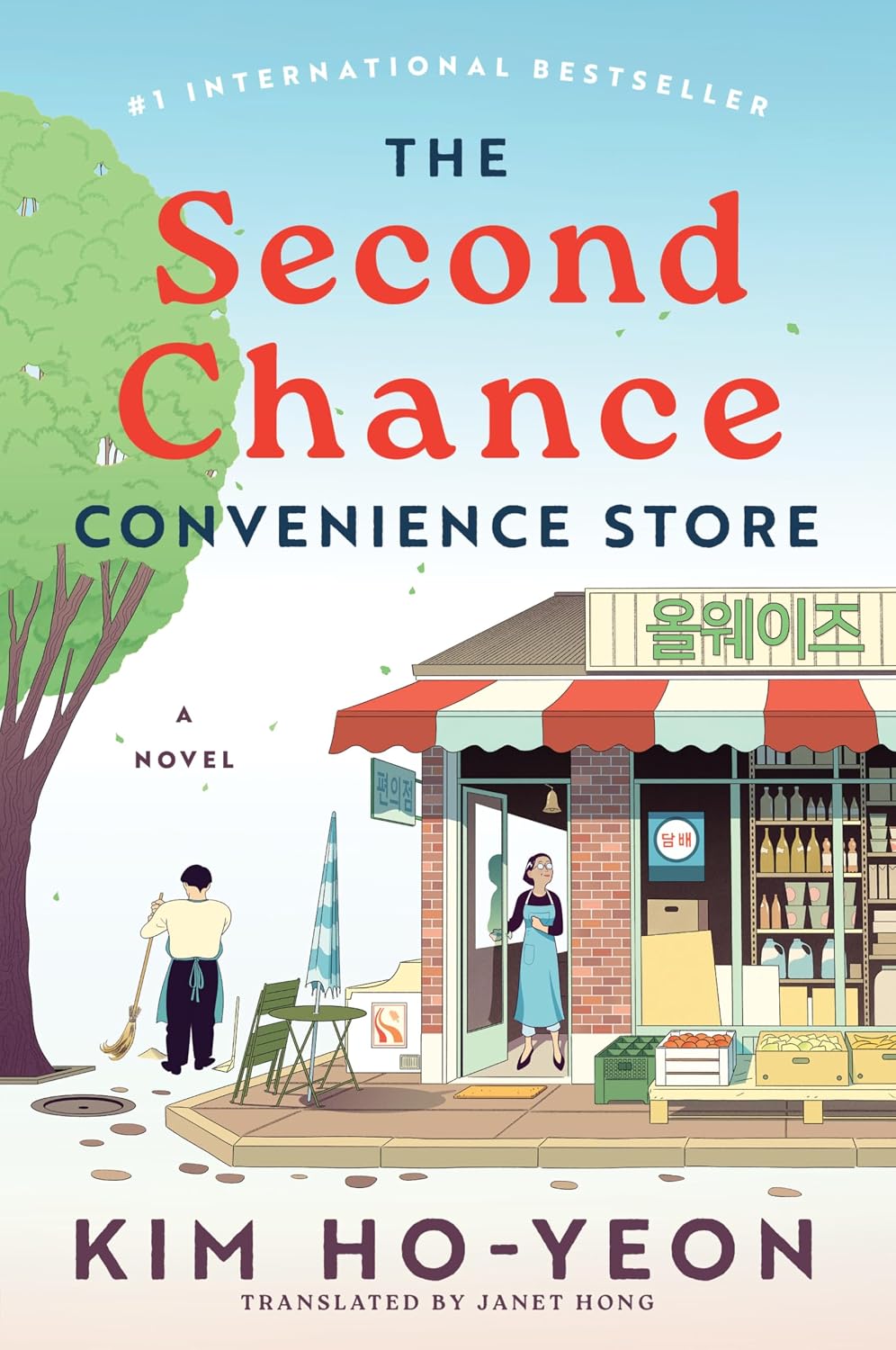
Second Chance Convenience Store
The Second Chance Convenience Store follows Dokgo, a homeless man living near Seoul Station who has lost his memory and struggles to make sense of his past. His life begins to change after he finds and returns a wallet belonging to Mrs Yeom, a retired teacher who owns a small convenience store. Grateful for his honesty, she offers him food and eventually gives him a job at her shop. As Dokgo becomes part of the neighbourhood, his quiet kindness begins to transform the lives of customers and colleagues dealing with loneliness, family conflict, and personal disappointment. Yet his mysterious past continues to cast a shadow over his new beginning. Through the everyday encounters taking place inside the store, Kim explores social isolation, economic insecurity, and the importance of community. The novel celebrates compassion and suggests that small acts of kindness can help people recover their dignity and rebuild their lives.
2025
4
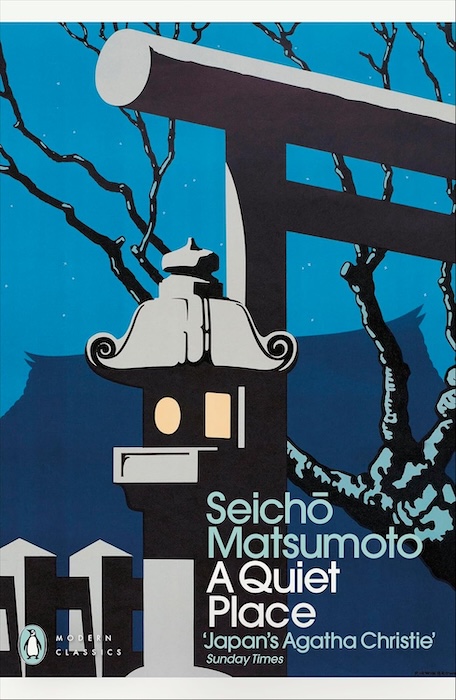
A Quiet Place
A Quiet Place follows Tsuneo Asai, a reserved government official whose life is disrupted when he learns that his wife, Eiko, has died suddenly while he is away on a business trip. Although she had a heart condition, the circumstances of her death trouble him: she collapsed in a small shop in a Tokyo neighbourhood she seemingly had no reason to visit.
Determined to understand what happened, Asai investigates the area and discovers clues suggesting that his seemingly quiet and devoted wife may have been hiding a secret life. His search gradually draws him into a world of clandestine relationships, suspicion, and uncomfortable revelations. As he uncovers details about Eiko’s movements, his grief gives way to jealousy and doubt, threatening the orderly existence he has carefully maintained.
Through this psychological mystery, Matsumoto examines the hidden tensions beneath respectable appearances, the constraints of marriage, and the effects of ambition and social expectations in postwar Japanese society. The novel reveals how little people may truly know about those closest to them.
2016
5
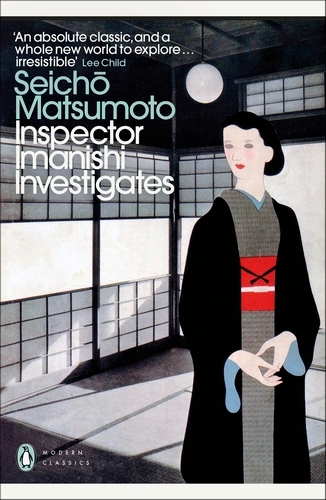
Inspector Imanishi Investigates
First published in 1961, Inspector Imanishi Investigates is a classic Japanese crime novel that follows Inspector Eitaro Imanishi as he investigates the mysterious murder of a man found dead beneath a train in Tokyo. What initially appears to be a straightforward case gradually unfolds into a complex investigation involving false identities, concealed pasts, and the social prejudices of postwar Japan. As Imanishi follows a trail of clues across the country, he encounters people whose lives have been shaped by ambition, discrimination, and the desire to escape their origins. Seichō Matsumoto combines the careful logic of a police procedural with a thoughtful examination of Japanese society, creating a mystery in which understanding human motivations is just as important as uncovering physical evidence.
1961