Japan
Asia
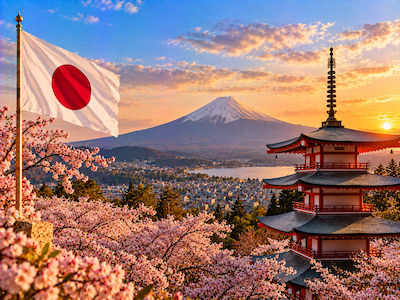

Japan is an island nation in East Asia stretching from the snowy landscapes of Hokkaido to the subtropical islands of Okinawa. Mountains, forests, volcanic landscapes, rice fields, and densely populated coastal cities shape the country, while Tokyo, Kyoto, and Osaka are major cultural centers. Japanese culture combines ancient Shinto and Buddhist traditions with distinctive arts, architecture, food, craftsmanship, and a highly modern urban society.
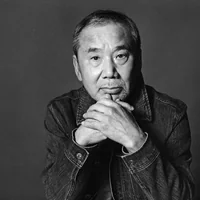
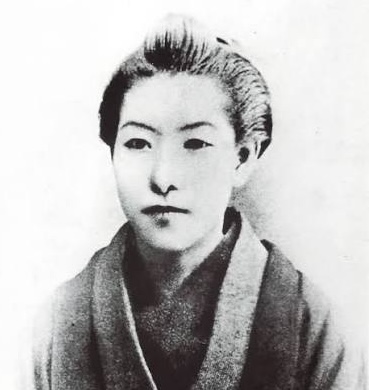
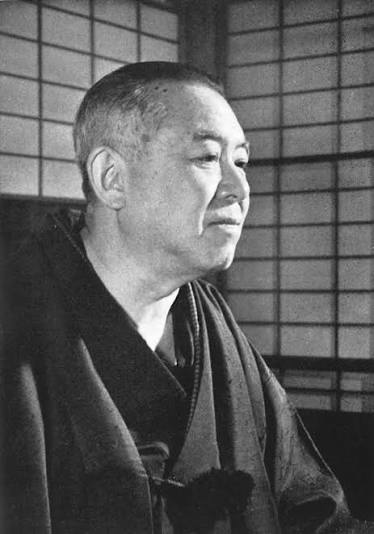
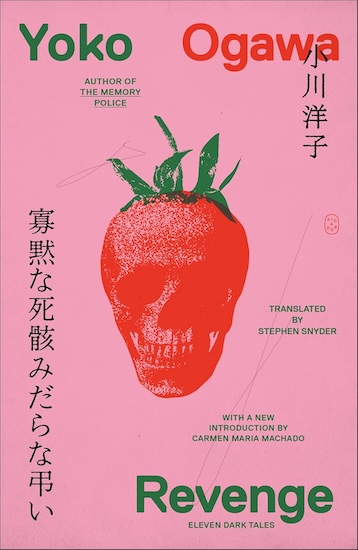
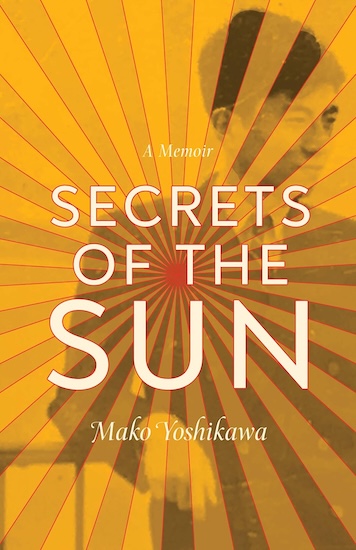
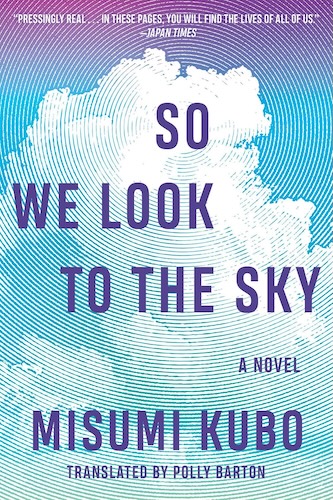
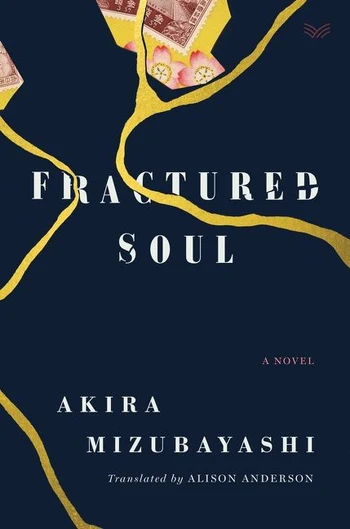
Japan has a remarkably long and diverse literary tradition. The Tale of Genji by Murasaki Shikibu, written around the beginning of the 11th century, is considered one of the great works of world literature. Earlier traditions include mythology, poetry, court diaries, Buddhist writing, and historical chronicles, while forms such as haiku developed into influential expressions of Japanese aesthetics and attention to nature. Modern Japanese literature has explored individual identity, modernization, tradition, isolation, war, memory, and the tension between the personal and the social. Major writers include Natsume Sōseki, Ryūnosuke Akutagawa, Yasunari Kawabata, Yukio Mishima, Kenzaburō Ōe, Haruki Murakami, and Banana Yoshimoto. Contemporary Japanese literature continues to combine everyday life with philosophical, psychological, and sometimes surreal elements, while manga and other popular literary forms have become influential far beyond Japan.