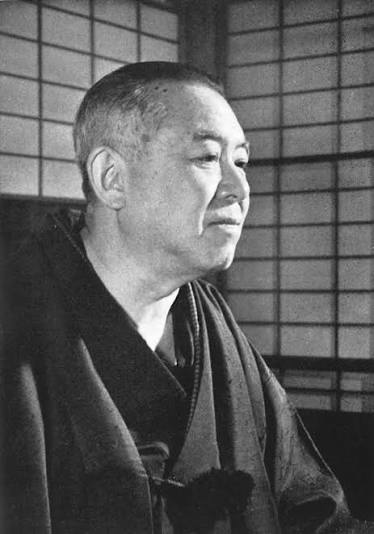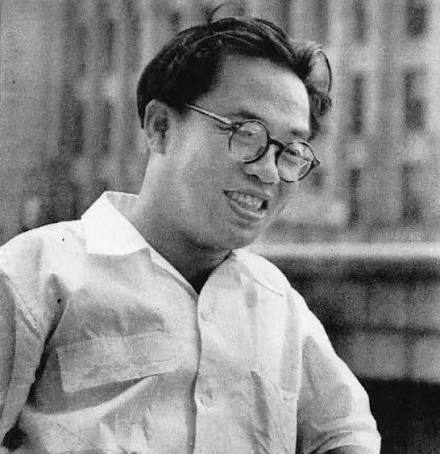
Seicho Matsumoto
JapanAbout
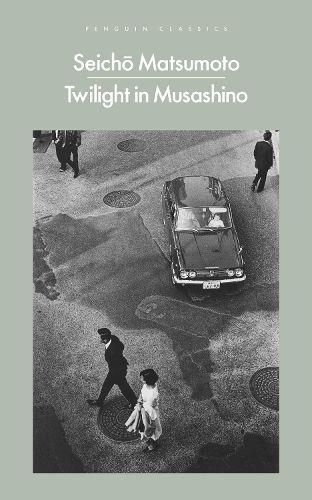
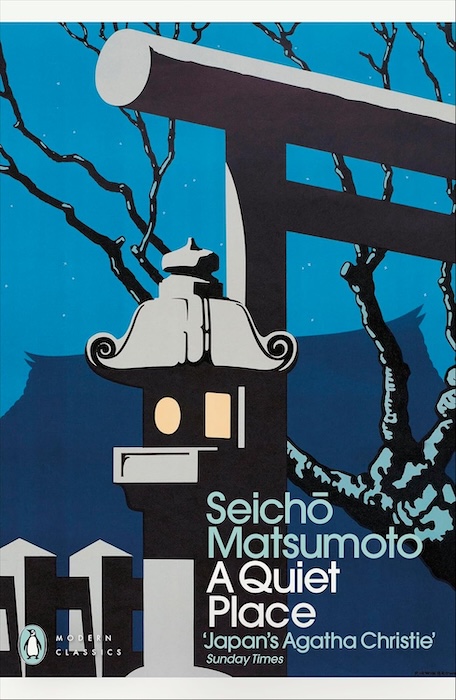
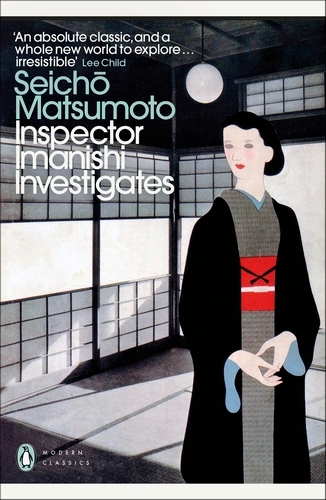
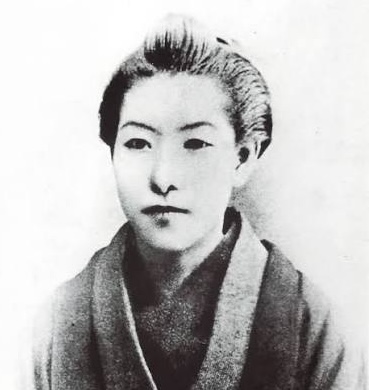
Seichō Matsumoto (1909–1992) was a Japanese novelist and short-story writer widely credited with transforming modern Japanese crime fiction. Born in Kitakyushu, Japan, he came from a modest background and worked in various jobs, including as a newspaper illustrator, before establishing himself as a writer later in life. His experiences outside the literary world helped shape his interest in ordinary people and the social forces influencing their lives. Matsumoto gained national recognition with Ari no Shūretsu (1957) and won the Akutagawa Prize in 1952 for The Legend of the Kokura Diaries. His breakthrough crime novel, Points and Lines (1958), helped establish a new style of Japanese detective fiction that emphasized psychological realism, social inequality, and institutional corruption rather than simply presenting an intellectual puzzle. Other notable works include Inspector Imanishi Investigates (1961), The Castle of Sand (1961), and A Quiet Place (1971). Often associated with shakai-ha—socially conscious crime fiction—Matsumoto used mystery and suspense to examine bureaucracy, ambition, class divisions, and the hidden pressures of postwar Japanese society. His work remains influential in Japanese crime literature and has been adapted extensively for film and television.
Books on TheBookRoads