Books from Iran
Suggest a book
All genres
Historical Fiction
Literary Fiction
Fantasy
Romance
Horror
Thriller
Non-Fiction
Mystery
Memoir
Classics
History
Sci-Fi
Contemporary Fiction
Science Fiction
Fiction
Poetry
Essays
Family Saga
Magical Realism
Family Drama
Dark Academia
Psychological Fiction
Dark Comedy
Political Writing
Feminist Fiction
Satire
Campus Fiction
Cultural Studies
Biography
Philosophy
Comedy
Drama
Young Adult
Gothic
Dystopia
Crime
Children's Books
Short Stories
Mythology
Cozy
Retellings
Humour
Adventure
All themes
Love & Passion
Adventure & Journey
Identity & Belonging
War & Conflict
Freedom & Resistance
Family & Heritage
Nature & Landscape
Society & Class
Spirituality & Faith
Solitude & Exile
Coming of Age
Revolution & Change
Friendship
History
Immigration
Myths and Retellings
Colonialism
Women & Society
Mental Health
Motherhood
1
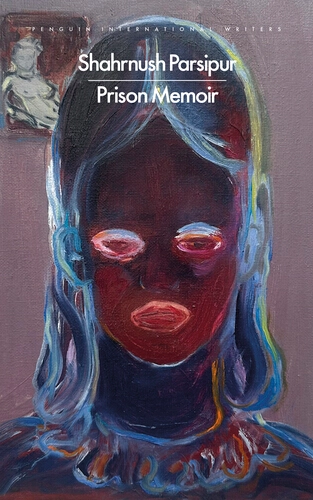
Prison Memoir
What does it mean to remain free in a place designed to take away your freedom? In this unflinching memoir, Iranian writer Shahrnush Parsipur recounts her experiences of imprisonment under both the Shah’s regime and the Islamic Republic. Arrested four times, including a period of nearly five years in prison without formal charges, she witnesses the fear, cruelty, and ideological divisions that shape life behind bars. Yet her account is not simply a record of suffering. With remarkable candour, irony, and unexpected humour, Parsipur reflects on the absurdities of political repression, the lives of fellow prisoners, and her own struggle to understand the forces transforming her country. Combining personal testimony with sharp social observation, Prison Memoir offers a powerful portrait of a woman who refuses to surrender her independence of thought, even when the state attempts to silence her.
2027
2
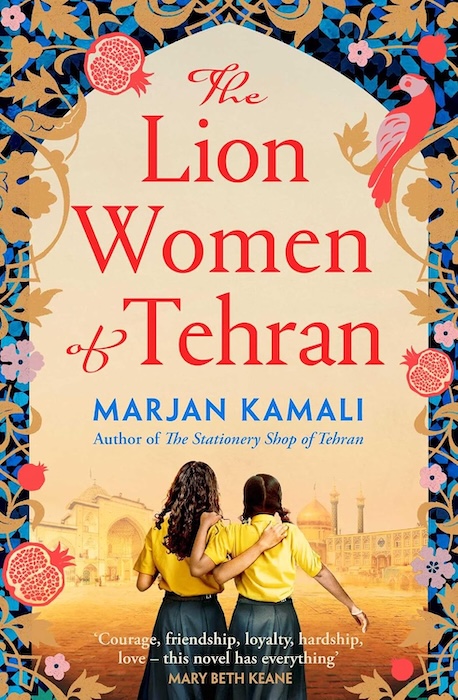
The Lion Women of Tehran
Set in Tehran across three transformative decades, The Lion Women of Tehran follows Ellie and Homa, two girls from different social backgrounds who form a close friendship in the 1950s. After her father’s death, Ellie moves with her mother to a poorer neighbourhood, where she meets Homa, an outspoken and ambitious girl who dreams of becoming a judge and fighting for women’s rights. The girls share their hopes for the future, but changing circumstances eventually separate them. When they reunite years later, their friendship is tested by political upheaval, personal ambition, and a devastating betrayal. Against the backdrop of Iran’s changing political landscape, Kamali explores female friendship, social inequality, and the consequences of choices made in moments of fear and uncertainty. The novel examines how childhood relationships shape adult identities and how forgiveness can become a path towards understanding and redemption.
2025
3
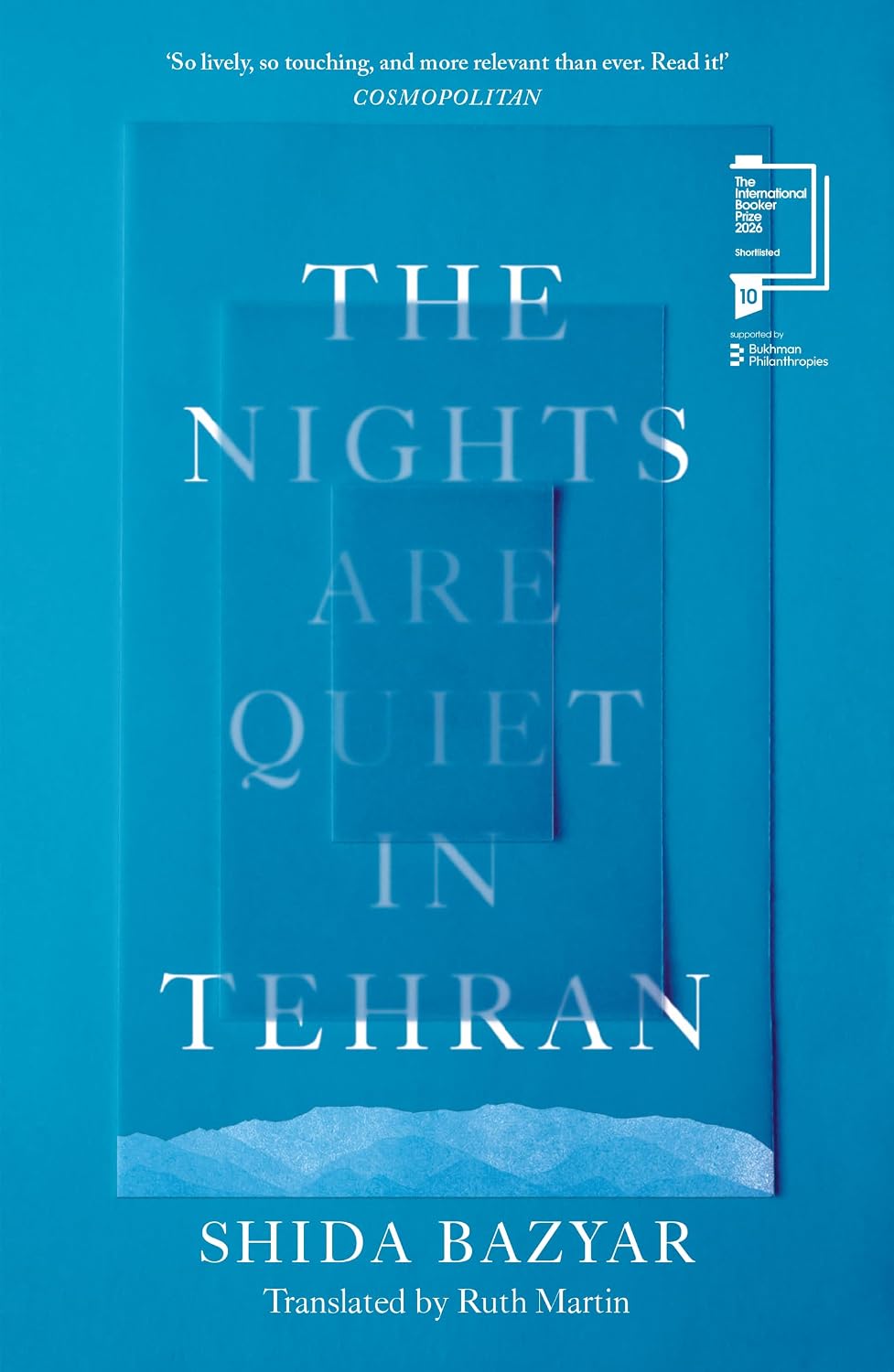
Nights Are Quiet in Tehran
The Nights Are Quiet in Tehran follows an Iranian family across four decades, exploring revolution, exile, identity, and the lasting effects of political upheaval. The story begins in 1979, when Behzad, a young communist revolutionary, fights for a new political order following the fall of the Shah. He falls in love with Nahid, an equally passionate young woman, but the rise of the Islamic Republic eventually forces them to flee to West Germany.
Told through four family members’ perspectives in 1979, 1989, 1999, and 2009, the novel traces their struggles to build a new life while maintaining connections to their homeland. As the children grow up between cultures, questions of belonging, memory, and inherited political convictions become increasingly complex. Their experiences culminate against the backdrop of Iran’s 2009 Green Movement, which brings the family’s past and present into renewed tension.
Through its shifting voices and generations, Bazyar explores how political events shape private lives and how the meaning of home changes across generations of migration and exile.
2025
4
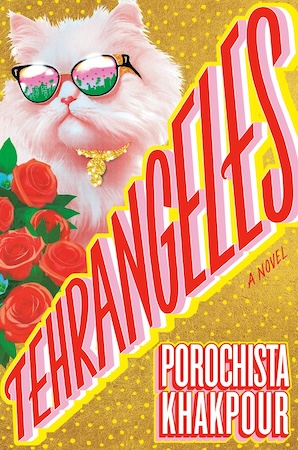
Tehrangeles
The Milanis have everything money can buy: a sprawling Los Angeles mansion, a successful frozen-food empire, and four daughters ready for their close-up. When the wealthy Iranian American family lands a reality television deal, each sister sees an opportunity to claim the spotlight. Violet, an aspiring model, longs for love and acceptance; Roxanna, an ambitious influencer, thrives on attention; Mina, a sharp-witted overachiever, guards secrets of her own; and teenage Haylee dreams of becoming a wellness sensation. Their parents, Ali and Homa, have secrets they would rather keep hidden, too. But just as the cameras prepare to roll, political tensions, family revelations, and the COVID-19 pandemic threaten to unravel their carefully curated lives. With biting humour and unexpected tenderness, Tehrangeles satirises celebrity culture, social media, and the pursuit of the American dream while exploring the complicated realities of growing up Iranian American. Beneath the glitter and extravagance lies a story about family, identity, and the difference between being seen and being truly understood.
2024
5
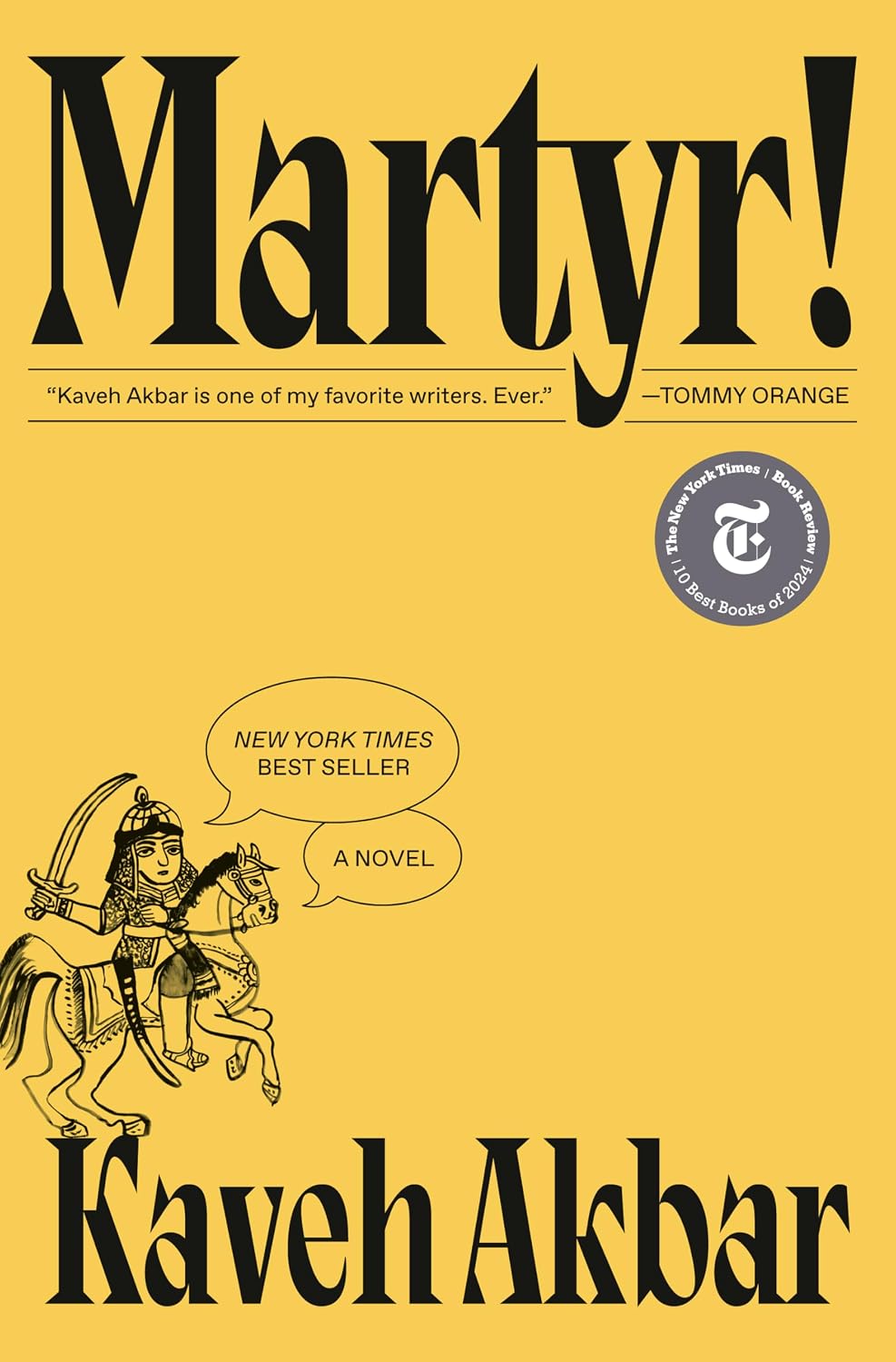
Martyr!
Martyr! follows Cyrus Shams, a young Iranian American poet struggling with addiction, grief, and questions about the meaning of life. Having grown up in the United States after his Iranian mother died when her passenger plane was shot down over the Persian Gulf, Cyrus feels disconnected from his heritage and uncertain about his place in the world. Newly sober, he becomes fascinated by martyrs throughout history, hoping to understand what makes a life meaningful and a death significant.
His search leads him to investigate his family’s past, including the experiences of an uncle who comforted dying soldiers during the Iran–Iraq War. When Cyrus discovers the story of an ailing artist whose final days are being transformed into a work of art at the Brooklyn Museum, he begins to uncover unexpected connections to his own history.
Blending humour, poetry, and philosophical reflection, Akbar’s novel explores cultural inheritance, addiction, faith, and the human desire to find purpose amid suffering and loss.
2024
6
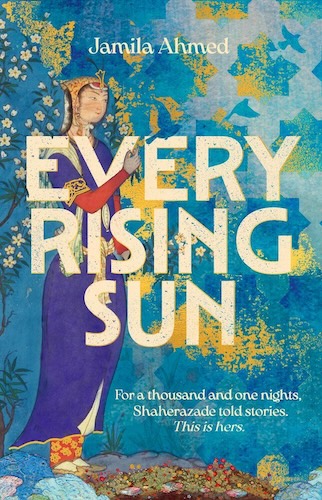
Every Rising Sun: A Retelling of The One Thousand and One Nights
Before Shaherazade became the legendary storyteller who captivated a king for a thousand and one nights, she was a young woman whose words set an empire ablaze. In twelfth-century Persia, Shaherazade discovers a dangerous secret about the king’s wife, Fataneh. When she reveals the truth, the king’s fury unleashes a wave of executions, as he begins marrying and beheading a new bride each night. Haunted by the consequences of her actions, Shaherazade volunteers to become his next wife, determined to stop the bloodshed. Armed with her intelligence, political instincts, and extraordinary gift for storytelling, she begins weaving tales that keep the king listening until dawn. But survival demands more than captivating stories: as courtly intrigues intensify and the Crusades threaten the region, Shaherazade must navigate a world of shifting alliances, dangerous desires, and ruthless power. Reimagining one of literature’s most enduring legends, Every Rising Sun celebrates the power of storytelling, the resilience of women, and the courage to challenge a fate that seems inevitable.
2023
7
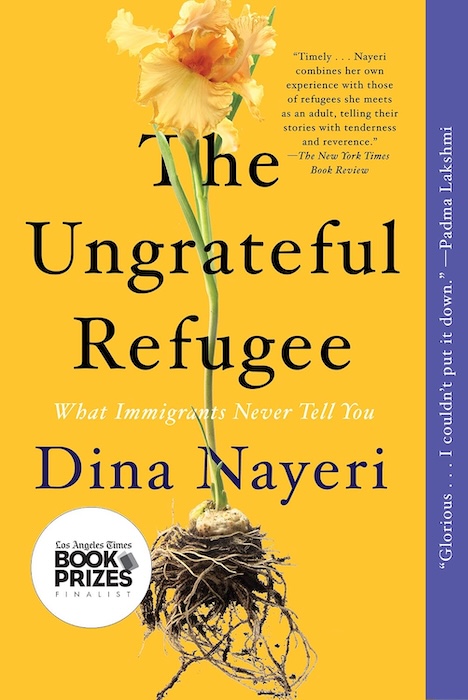
The Ungrateful Refugee
In The Ungrateful Refugee, Iranian-born writer Dina Nayeri combines her own story of displacement with the experiences of refugees and asylum seekers navigating unfamiliar countries and complicated immigration systems. At the age of eight, Nayeri fled Iran with her mother and brother after her mother converted to Christianity and faced persecution. The family spent time in a refugee camp in Italy before eventually receiving asylum in the United States.
Drawing on these experiences, Nayeri examines the emotional and psychological costs of leaving one’s homeland, rebuilding a life, and trying to belong in a new society. She also shares the stories of other displaced people, revealing the difficult choices they face when seeking protection and the pressure to prove that their suffering is genuine.
At the heart of the book is a challenge to the expectation that refugees must demonstrate constant gratitude to the countries that accept them. Nayeri questions the idea of the “good refugee” who assimilates without complaint, arguing that displaced people should not have to erase their identities or experiences to deserve safety and dignity.
2019
8
Stationery Shop
Set in Tehran in 1953, The Stationery Shop tells the story of Roya, a young woman who finds refuge in a charming stationery shop filled with books, poetry, and the promise of new possibilities. There she meets Bahman, an idealistic young man who shares her love of literature and dreams of political change. Their romance develops against the backdrop of growing political unrest in Iran, culminating in the coup that overthrows Prime Minister Mohammad Mosaddegh. On the day they plan to meet and begin their future together, a series of events separates them, leaving Roya with unanswered questions for decades. Years later, an unexpected encounter offers the possibility of discovering the truth about their separation. Kamali explores love, memory, political upheaval, and the lasting consequences of misunderstandings that shape entire lives.
2019
9
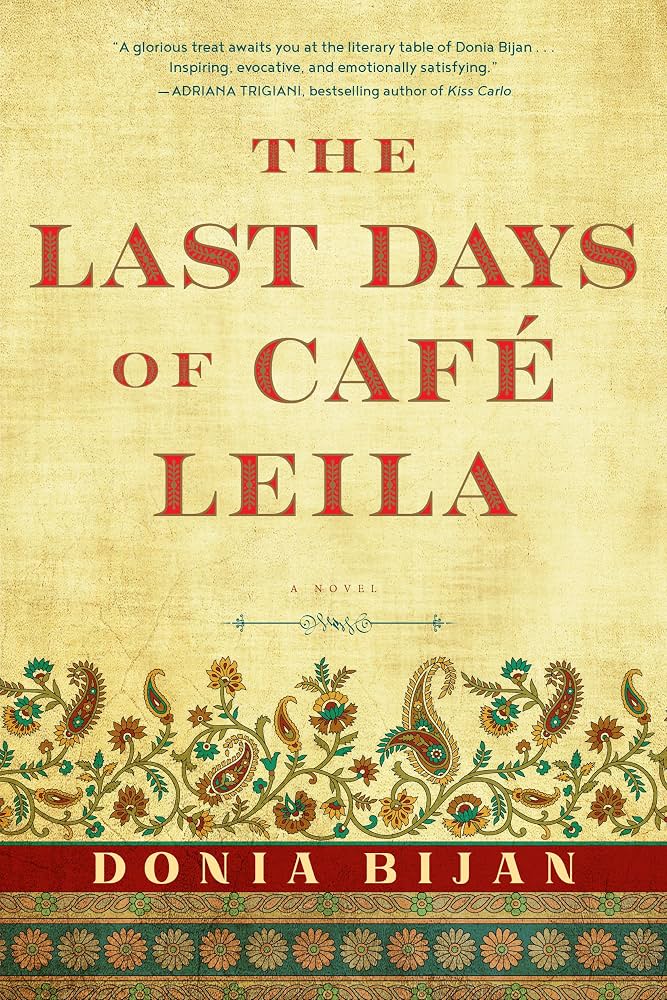
Last Days of Café Leila
The Last Days of Café Leila follows Noor, an Iranian-American woman who returns to Tehran with her young daughter, Lily, after years of living in the United States. She comes back to the family café, a beloved gathering place run by her father, Zod, whose cooking and hospitality have long brought people together. Although Noor hopes to find comfort and reconnect with her roots, returning home forces her to confront painful memories, unresolved family tensions, and the choices that led her to leave Iran.
As Noor and her father attempt to rebuild their relationship, the café becomes a symbol of belonging, cultural memory, and the traditions that bind generations together. Through food, family stories, and the changing atmosphere of Tehran, Donia Bijan explores the complexities of immigration, identity, and the meaning of home. The novel also examines the tensions between personal freedom and cultural expectations, revealing how family bonds can endure despite distance and disappointment. Warm and reflective, it celebrates the power of shared meals and inherited traditions to reconnect people with their past.
2018
10
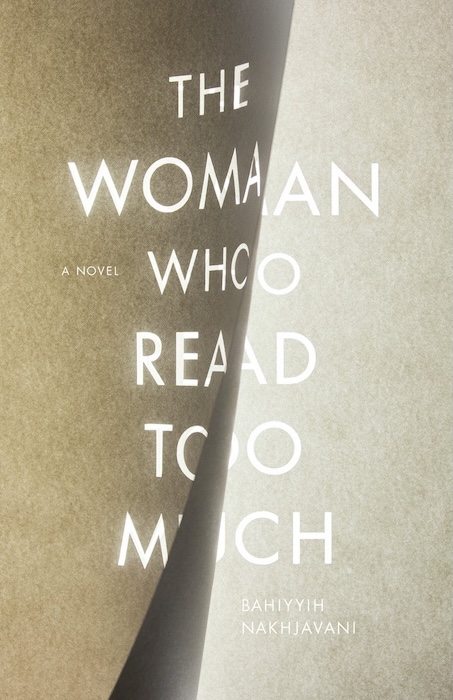
The Woman Who Read Too Much
Set in nineteenth-century Persia, The Woman Who Read Too Much reimagines the life of Táhirih Qurratu’l-Ayn, a celebrated poet, scholar and religious revolutionary who challenged the conventions of her time. Known as the poetess of Qazvin, Táhirih unsettles the ruling establishment through her intellect, her writings and her defiance of religious orthodoxy. In a society where women’s education and independence are tightly restricted, her ability to read, think and speak openly becomes both a source of inspiration and a perceived threat to those in power. Nakhjavani tells Táhirih’s story through the perspectives of four women: the Shah’s mother, the mayor’s wife, the Shah’s sister and Táhirih’s daughter. Their contrasting accounts reveal how power, fear, loyalty and rumour shape the telling of history. Blending historical events with imaginative storytelling, the novel explores the price of intellectual freedom and the courage required to challenge entrenched authority.
2015
11
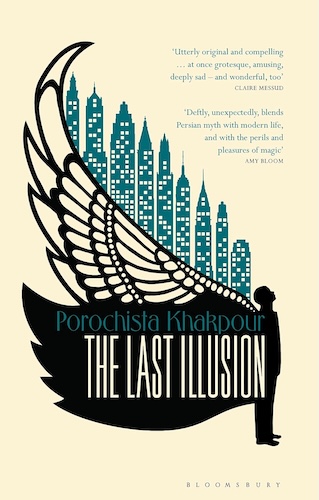
The Last Illusion
Born in a remote Iranian village, Zal spends the first ten years of his life imprisoned in a birdcage, his mother convinced that his unusually pale appearance marks him as a demon. Rescued and brought to New York, he must learn how to live among humans while struggling to understand who he is. Inspired by an ancient Persian myth, this imaginative novel weaves Iranian folklore into contemporary American life, exploring the boundaries between belonging and alienation, myth and reality, and the difficult journey toward selfhood.
2014
12
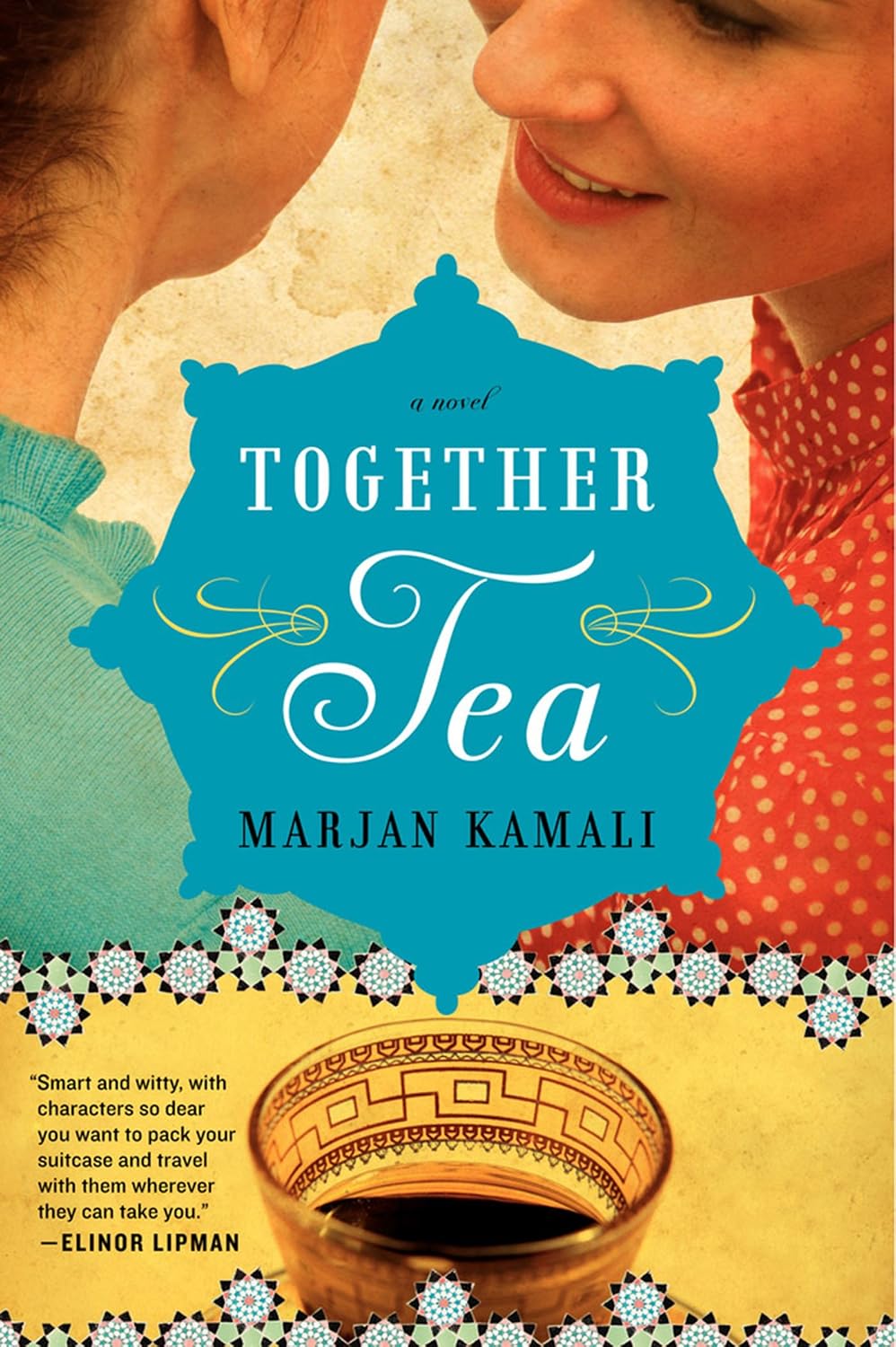
Together Tea
Together Tea follows Mina Rezayi, an Iranian American woman living in New York who dreams of becoming an artist but feels pressured to complete her business studies and settle down. Her mother, Darya, is determined to find her the right husband and repeatedly arranges introductions to suitable Iranian American men. Frustrated by the constant matchmaking, Mina struggles to reconcile her own ambitions with her family’s expectations. When mother and daughter travel to Iran, the journey brings them closer to the culture Darya left behind and encourages them to reconsider their relationship. As Mina encounters unexpected romantic possibilities, both women must confront the differences between their hopes and the lives they have built. Kamali explores the complexities of immigrant identity, the changing roles of women, and the tensions between generations. The novel celebrates the possibility of understanding one another without abandoning personal dreams or cultural heritage.
2013