Iran
Asia
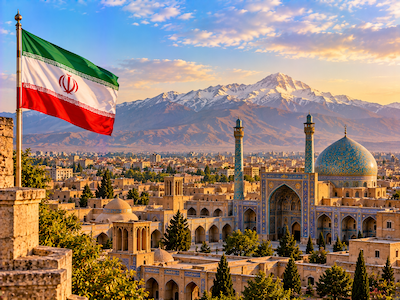
Iran is a vast country at the crossroads of the Middle East and Central Asia, with landscapes ranging from the snow-capped Alborz and Zagros Mountains to deserts, forests, fertile plains, and the Persian Gulf coast. Its cultural heritage stretches across thousands of years, encompassing ancient Persian civilizations, Zoroastrian traditions, Islamic culture, and diverse regional and ethnic communities. Cities such as Tehran, Isfahan, Shiraz, and Mashhad are important centers of Iranian cultural life.
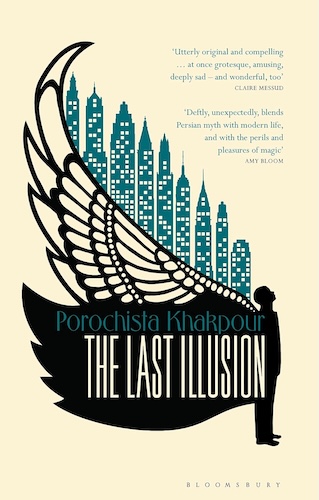
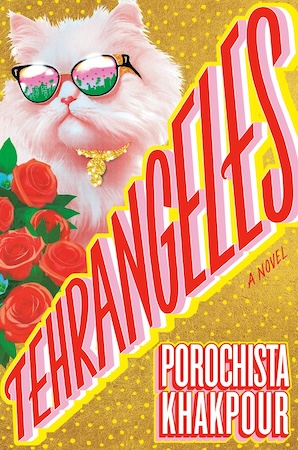
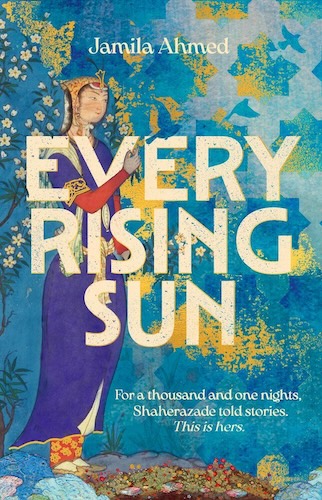
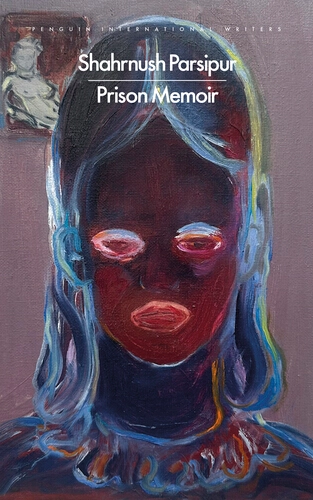
Iran has one of the world’s great literary traditions, with Persian literature developing over more than a millennium. Epic, lyric poetry, mystical writing, philosophy, and storytelling have all played central roles. Ferdowsi’s Shahnameh preserves a vast body of Persian mythology and legendary history, while poets such as Rumi, Hafez, Saadi, and Omar Khayyam have had an influence far beyond Iran. Modern Iranian literature expanded into novels, short stories, and modern poetry, often exploring identity, social change, tradition and modernity, gender, political upheaval, exile, and memory. Important modern writers include Sadegh Hedayat, Simin Daneshvar, Forugh Farrokhzad, Mahmoud Dowlatabadi, and Shahrnush Parsipur. Contemporary Iranian literature also reflects the experiences of diaspora and multilingual communities, creating a literary landscape that connects Iran with the wider Persian-speaking world.